
 admin
admin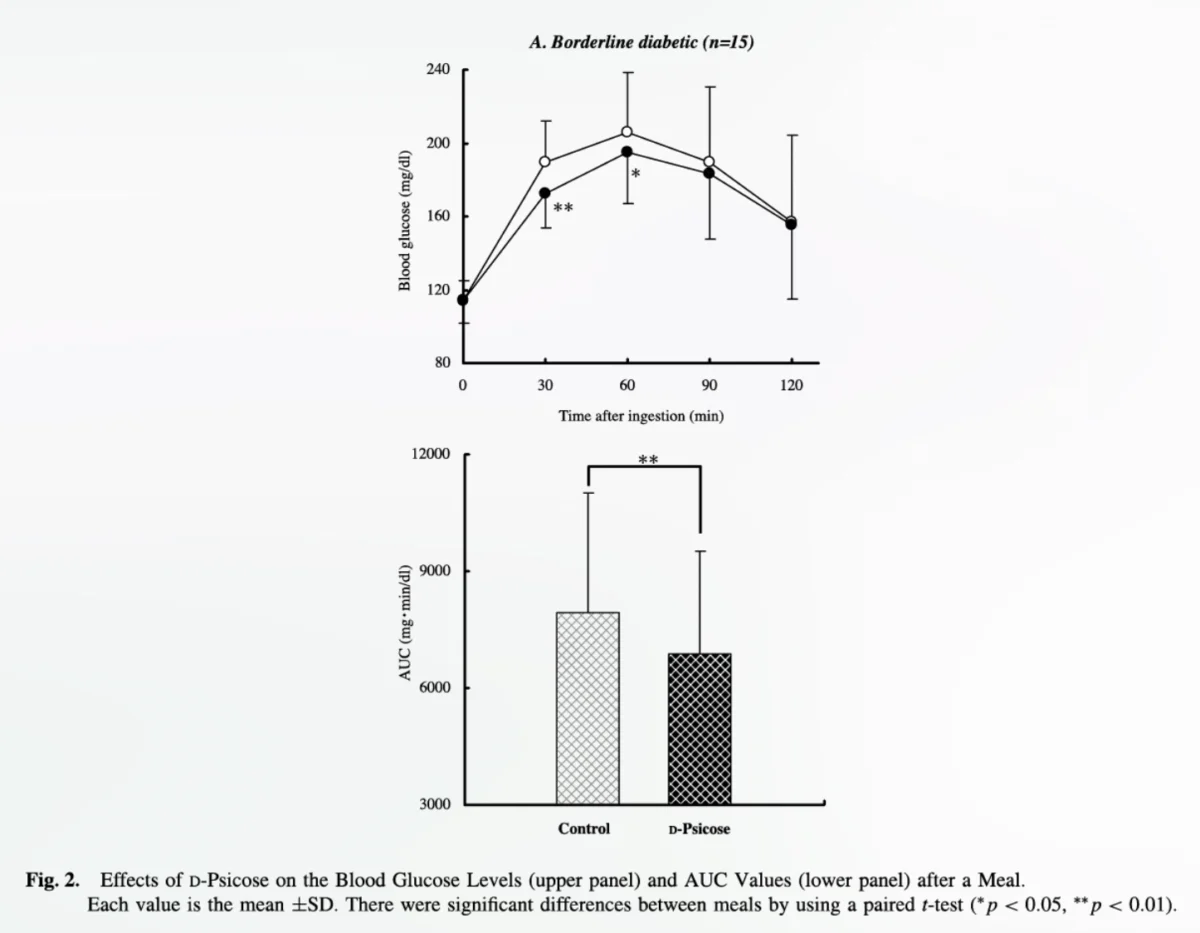
The quest for sweetness has led humanity through a complex evolution of ingredients, from the simple sweetness of cane sugar and its industrial counterpart, high-fructose corn syrup, to a new generation of alternatives promising fewer calories and fewer health consequences. However, as scientific understanding deepens, the efficacy and safety of these sweeteners are being scrutinized, with particular attention now turning to a rare sugar named allulose, which is emerging as a potentially promising, yet still developing, option in the sweetener market.
For centuries, sucrose, commonly known as table sugar, and its highly processed derivative, high-fructose corn syrup, have been the primary sources of sweetness in the global diet. These ubiquitous sweeteners are characterized by their affordability and high caloric content, but their widespread consumption has been increasingly linked to a cascade of serious health issues. Public health crises in recent decades have demonstrably correlated the rise in obesity rates, the prevalence of type 2 diabetes, the incidence of dental caries, and the burgeoning epidemic of metabolic syndrome with the overconsumption of these refined sugars. The "empty calories" they provide offer little nutritional value, contributing instead to energy imbalances and fostering chronic disease development.
In response to these growing concerns, the food industry introduced a second generation of sweeteners, predominantly artificial options like aspartame (marketed as NutraSweet), sucralose (Splenda), and saccharin (Sweet ‘n Low’). These compounds offer a significant reduction in caloric intake, often being practically calorie-free. However, their widespread adoption has not been without controversy. Over time, a growing body of research has raised cautionary flags regarding their potential adverse effects, prompting ongoing debate and regulatory review about their long-term impact on human health. While specific conclusions vary across studies and scientific bodies, concerns have been voiced regarding potential links to gut microbiome alterations, neurological effects, and even increased cravings for sweet foods, underscoring the complexity of replacing sugar without unintended consequences.
The third wave of sweetener innovation brought forth sugar alcohols, such as sorbitol, xylitol, and erythritol. These sugar substitutes offer a lower caloric profile than traditional sugars and are often found naturally in fruits and vegetables. While they can provide a sweet taste with fewer calories, they are not without their own set of drawbacks. A common side effect of sugar alcohols is their laxative effect, particularly when consumed in larger quantities, due to their incomplete absorption in the digestive tract. More concerningly, recent research has highlighted potential issues with erythritol, with some studies suggesting possible links to adverse cardiovascular events, prompting further investigation into the safety of this widely used sugar alcohol. This evolving understanding of the risks associated with even seemingly benign sugar substitutes underscores the need for a cautious and evidence-based approach to sweetener selection.
Unveiling Allulose: A Rare Sugar’s Rise
Amidst this evolving landscape, a "rare sugar" known as allulose has emerged as a subject of significant scientific and commercial interest. Allulose is a monosaccharide that occurs naturally in very small quantities in certain fruits, such as figs and raisins, and in wheat. Historically, its limited natural availability made it an impractical sweetener for large-scale production. However, recent technological advancements, particularly in the field of enzymatic engineering, have enabled manufacturers to produce allulose in substantial quantities. These innovative processes often involve genetically modified microorganisms that can efficiently convert other sugars into allulose, paving the way for its increased presence in the food supply.
Unlike traditional sugars, allulose is absorbed by the body but is largely not metabolized for energy. This characteristic leads to it being considered a low-calorie sweetener, with estimates suggesting it provides only about 10% of the calories of sucrose. This unique metabolic pathway is central to the growing interest in its potential health benefits and its classification as a "rare" sugar, distinguishing it from more common caloric sweeteners.
Allulose and the Pursuit of Weight Management
One of the most compelling areas of research surrounding allulose is its potential role in weight management. A notable study, designed to rigorously evaluate its impact on body fat reduction, provided intriguing results. In this randomized controlled trial, over one hundred participants were assigned to one of three groups for a period of 12 weeks. One group received a placebo containing a small amount of sucralose, while the other two groups were given daily doses of allulose, either 4 grams (approximately one teaspoon) or 7 grams (approximately 1.75 teaspoons), administered twice a day. Crucially, participants in all groups maintained their usual physical activity levels and caloric intake, allowing researchers to isolate the effect of allulose.
The findings revealed a statistically significant reduction in body fat mass among those who consumed allulose, irrespective of the dosage. This occurred without any significant changes in LDL cholesterol levels in either of the allulose-supplemented groups. These results suggest that allulose may possess properties that can aid in fat loss, even when overall dietary habits remain unchanged, a finding that has garnered considerable attention from both consumers and the food industry seeking healthier alternatives.
However, the scientific narrative is rarely monolithic. While this study highlighted a positive effect on fat mass, it is essential to acknowledge that the data on allulose’s impact on weight and body composition is still considered mixed by some researchers. Further investigation is warranted to fully understand the mechanisms and consistency of these effects across diverse populations and dietary contexts.
Investigating Allulose’s Anti-Diabetic Potential

Beyond weight management, allulose has also been investigated for its potential to positively influence glycemic control, a critical factor in managing diabetes. Several studies have explored its effects on blood sugar levels.
In one randomized, double-blind, placebo-controlled crossover experiment, individuals with borderline diabetes were given a cup of tea containing either 5 grams (approximately 1.25 teaspoons) of allulose or no allulose as a control, consumed with a meal. The results indicated a significant reduction in blood sugar levels observed at both 30 and 60 minutes post-consumption compared to the control group. This reduction was approximately 15% lower, but this effect was transient, lasting for only about an hour.
To assess the long-term safety of allulose, the same researchers conducted a subsequent study where healthy individuals were administered approximately 5 grams of allulose three times a day with meals for a period of 12 weeks. In this trial, no significant adverse side effects were observed. However, importantly, there were no discernible effects on weight or blood sugar levels in this group.
Other research has also contributed to the evolving understanding of allulose’s impact on blood sugar. A study involving healthy participants found no significant effects on blood sugar levels in the two hours following consumption. Conversely, a similar study conducted on individuals diagnosed with diabetes did observe some effects. A comprehensive systematic review and meta-analysis of controlled feeding trials aimed at synthesizing the available evidence on allulose’s acute effects on blood glucose levels suggested that any observed benefit was of "borderline significance." This nuanced finding implies that while allulose might offer a modest, short-term reduction in blood sugar, it is uncertain whether this translates into clinically meaningful improvements in long-term blood sugar control. Experts emphasize that simply adding allulose to the diet may not be sufficient; significant improvements in glycemic management are likely to require a holistic approach that includes reducing the consumption of less healthy foods.
Assessing the Overall Safety and Tolerability of Allulose
A crucial aspect of evaluating any new food ingredient is its safety profile. Allulose appears to offer several advantages over traditional sweeteners in this regard. Unlike table sugar, allulose is considered beneficial for dental health. Cavity-causing bacteria in the mouth do not readily metabolize allulose to produce the acids that contribute to enamel erosion and plaque buildup. This non-cariogenic property makes it a more tooth-friendly option.
Furthermore, as noted in previous studies, allulose does not appear to significantly raise blood sugar levels, even in individuals with diabetes, a critical factor for those managing the condition. It is generally considered a "relatively non-toxic" sugar, a designation that reflects its favorable safety profile in preclinical and early clinical trials.
However, the question of "how much is too much?" remains pertinent. To address this, researchers have conducted studies to identify the tolerable intake levels of allulose. In one investigation, healthy adults were given beverages containing gradually increasing doses of allulose to determine the maximum single dose for occasional consumption without significant adverse effects. No severe gastrointestinal symptoms were reported until a dose of 0.4 grams per kilogram of body weight was reached, which equates to approximately eight teaspoons for an average American adult. At a slightly higher dose of 0.5 grams per kilogram of body weight (about ten teaspoons), severe symptoms of diarrhea were observed.
When considering daily intake spread across multiple meals, the findings indicated that individuals approaching a daily intake of around 17 teaspoons (approximately 1.0 gram per kilogram of body weight) began to experience more severe symptoms, including nausea, abdominal pain, headache, or diarrhea. Based on these findings, a general recommendation for most adults in the United States would be to limit single doses to approximately eight teaspoons and to avoid exceeding a total daily intake of about 18 teaspoons (around 0.9 grams per kilogram of body weight). These guidelines are essential for consumers to safely incorporate allulose into their diets without experiencing discomfort.
The Verdict on Allulose: A Promising Future with Caveats
As the search for healthier sweetening solutions continues, the question arises: are rare sugars like allulose a truly beneficial alternative to traditional sweeteners? The current body of scientific evidence suggests a promising outlook. Based on its potentially beneficial effects, coupled with the absence of known significant disadvantages from metabolic and toxicological studies, allulose is currently viewed by many as one of the most promising rare sugars available.
However, it is crucial to temper enthusiasm with a dose of scientific rigor. The reality is that the human data on allulose, while growing, is still relatively limited. The long-term health implications and efficacy across diverse populations require more extensive and prolonged investigation. The scientific community’s consensus often points to the need for more robust, large-scale human studies before definitive recommendations can be made for widespread consumption.
The cautionary tale of erythritol serves as a salient reminder of the complexities involved in assessing sweetener safety. Initial perceptions of safety can be challenged by emerging research, highlighting the importance of continuous scientific scrutiny. Therefore, while allulose presents an encouraging option, it may indeed be premature to unequivocally endorse rare sugars for broad human consumption without a more comprehensive understanding of their long-term impacts. The evolving nature of nutritional science underscores the need for consumers to remain informed and for the food industry to prioritize transparency and ongoing research as these novel ingredients become more integrated into our diets.






