
 admin
admin
The burgeoning field of personalized nutrition, which promises tailored dietary recommendations based on an individual’s unique biological makeup, is captivating public attention and driving significant market growth. While the concept of "one size does not fit all" holds an undeniable appeal, resonating deeply with our innate desire for individuality and special treatment, experts suggest a critical re-evaluation is necessary. The focus on highly individualized dietary plans, often fueled by direct-to-consumer genetic testing, may be overshadowing a more fundamental truth: the paramount importance of personal responsibility in achieving and maintaining optimal health.
The Promise and Popularity of Personalized Nutrition
Personalized nutrition (PN) is rooted in the compelling idea that what works for one person’s diet may not be effective for another. This principle is inherently attractive, tapping into the human ego and the desire to feel unique. Marketers and sales professionals have effectively leveraged this sentiment, creating a surge in demand for personalized foods and innovative technologies like 3D food printing, which is being explored as a prime candidate for food customization. The premise is that by understanding an individual’s specific genetic predispositions, microbiome composition, or metabolic responses, one can craft a dietary regimen that maximizes health benefits and minimizes disease risk.
Legitimate Individual Differences in Nutritional Needs
It is undeniable that certain biological differences necessitate personalized nutritional approaches. For instance, individuals with severe peanut allergies require strict avoidance of peanuts to prevent potentially life-threatening anaphylactic reactions. Similarly, those with celiac disease must adhere to a gluten-free diet due to an autoimmune response to gluten. Lactose intolerance, a common genetic condition, particularly prevalent in certain Asian populations, requires the limitation or avoidance of dairy products containing lactose.
Beyond these well-established intolerabilities, emerging research highlights genetic variations that significantly impact how the body processes specific nutrients and compounds. A notable example is an enzyme mutation common in some Asian populations that alters alcohol metabolism. Individuals with this mutation metabolize alcohol less efficiently, leading to the buildup of toxic byproducts, which can offer a degree of protection against alcoholism.
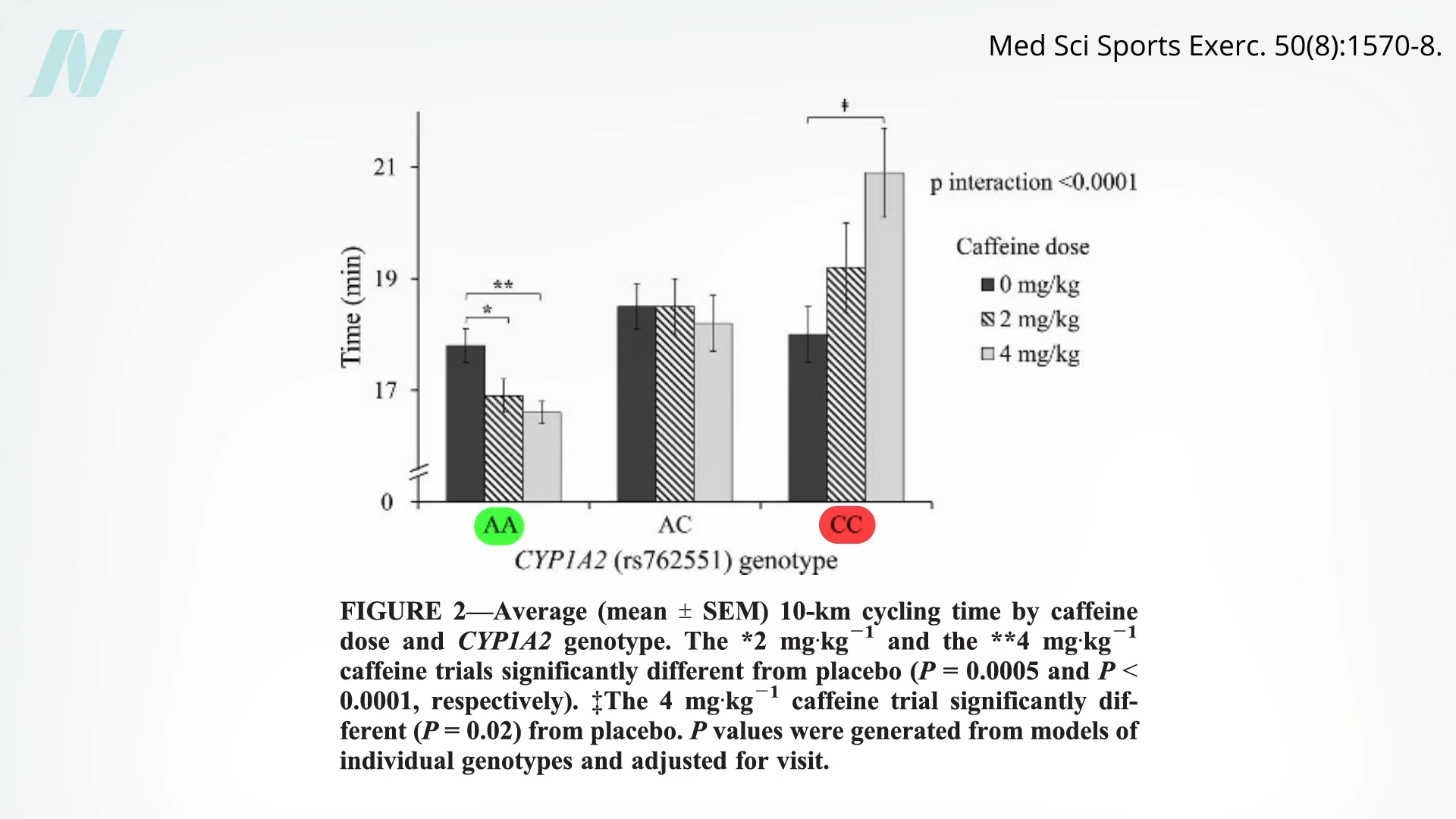
Further illustrating the nuanced nature of individual responses, research into caffeine metabolism provides a compelling case study. Studies have shown a distinct difference in how "fast" and "slow" caffeine metabolizers experience its effects, with implications extending even to athletic performance. For instance, caffeine can act as an ergogenic aid, enhancing performance, but primarily for fast metabolizers. In cycling studies, fast metabolizers have demonstrated improvements exceeding a minute over a 10-kilometer distance, while slow metabolizers either saw no benefit or, in some cases, experienced a performance decrease of up to two minutes. These variations are dictated by specific genes that code for the enzymes responsible for breaking down caffeine. The implications for athletes and even for general well-being are significant, underscoring the potential for personalized insights.
However, for the vast majority of the population, in most common health contexts, human beings are far more physiologically similar than they are different. This fundamental similarity suggests that broad, evidence-based dietary guidelines can offer substantial health benefits to a wide array of individuals.
The Proliferation of Direct-to-Consumer Genetic Testing
Despite the limited scientific consensus supporting the widespread efficacy of truly personalized nutrition for the general population, a notable proliferation of direct-to-consumer (DTC) genetic testing companies has occurred. These companies often offer personalized nutrition advice, frequently based on the interpretation of a limited number of genetic variants. For instance, some companies market supplements aimed at optimizing micronutrient status, claiming that specific genetic markers predict individual needs. Yet, the scientific literature indicates that most identified genetic variants explain only a minor fraction, often just a few percentage points, of the variation in nutrient levels between individuals.
This trend is part of a broader movement towards personalized medicine, also termed precision medicine. The allure of personal control over health, encompassing diagnosis, treatment, and disease prevention, has created a powerful demand and fueled intense commercialization within this sector. However, a critical distinction must be made. Monogenic diseases, such as hemophilia or sickle cell anemia, are caused by a single gene defect and are thus amenable to highly personalized genetic interventions. In contrast, most common chronic diseases are the result of complex interactions between multiple genes and a multitude of environmental factors, presenting a significant challenge to the realization of truly personalized medicine and, by extension, personalized nutrition.
The Complexity of Genetic Influence on Health
The intricate relationship between genetics and health is perhaps best illustrated by examining traits like adult stature. Researchers have identified at least 40 distinct chromosomal locations associated with human height, a trait that is strongly heritable. While parental genes account for approximately 80% of the variation in height between individuals, the dozens of identified genes collectively explain only about 5% of this variation. This discrepancy highlights the vast unknowns and the complex interplay of genetic factors that remain to be fully understood.
Genome-wide association studies (GWAS) are instrumental in identifying these genetic links. These studies scan entire genomes to detect statistical associations between diseases and specific DNA segments. While scientifically valuable, companies marketing genetic susceptibility tests often reinterpret this data to suggest predictive power for individual disease risks. However, the reality is that these associations often represent modest genetic predispositions with only a slight increase in disease risk. Their predictive power pales in comparison to the more substantial influence of lifestyle behaviors, factors that are well-understood and modifiable. Currently, the practice of using an individual’s DNA to predict disease risk has been largely judged to provide "little to no useful information."
The Primacy of Lifestyle and Personal Responsibility
Consider a hypothetical scenario where an individual’s genetic analysis indicates a slightly elevated risk for a particular health condition compared to their ancestral group. The advice often provided in such cases typically includes recommendations for regular exercise, weight management, moderation of alcohol consumption, and a diet rich in fruits, vegetables, and whole grains. While this advice is sound, it represents foundational health principles that should be adopted by everyone, irrespective of their genetic profile. The critical point is that these basic strategies for reducing the risk of common chronic diseases are well-established and widely accessible.
The persistent challenge, as noted by public health experts, is that "very few individuals live this way." In fact, nationwide surveys consistently reveal that a staggering majority of the population in the United States, for example, do not adhere to even the most modest dietary recommendations outlined in the Dietary Guidelines. The conclusion drawn from such findings is stark: "almost no one in the United States is eating a healthy diet." This widespread deviation from established healthy living practices underscores a fundamental issue. When considering public health strategies, "worrying about personalizing our preventive strategies based on genetic risk information borders on the absurd," especially when basic, universally beneficial lifestyle changes are so widely neglected.

The Unfulfilled Promise of Genetic Data for Disease Prediction
The interpretation of GWAS data by commercial entities for direct-to-consumer health predictions often oversimplifies complex biological processes. While these studies identify statistical associations, they do not equate to deterministic predictions of individual health outcomes. The genetic predispositions revealed by such tests are typically small, meaning that a person’s lifestyle choices, environmental exposures, and other, as yet unidentified, genetic factors play a far more significant role in shaping their health trajectory.
For instance, a genetic test might flag a slight increase in the risk of developing type 2 diabetes. However, the impact of maintaining a healthy weight, engaging in regular physical activity, and consuming a balanced diet—all within the realm of personal responsibility—can dramatically mitigate or even eliminate this genetic predisposition. Conversely, an individual with a seemingly lower genetic risk might develop the same condition if they neglect these fundamental lifestyle factors.
The commercialization of genetic information for nutrition advice often overlooks the robust scientific evidence that links diet and lifestyle to chronic disease prevention. Organizations like the World Health Organization (WHO) and national health agencies consistently emphasize the role of diet, physical activity, and avoidance of tobacco and excessive alcohol in preventing a wide range of non-communicable diseases, including cardiovascular disease, type 2 diabetes, and certain cancers. These recommendations are based on decades of epidemiological research and clinical trials, demonstrating their broad applicability and effectiveness.
Shifting the Focus: Empowering Personal Responsibility
The current emphasis on hyper-personalized nutrition, while scientifically intriguing, risks diverting attention and resources from proven public health interventions. The true empowerment of individuals in managing their health lies not solely in understanding their unique genetic code, but in embracing the principles of healthy living that are universally beneficial. This includes:
- Adopting a Whole-Foods-Based Diet: Prioritizing fruits, vegetables, whole grains, legumes, nuts, and seeds, while limiting processed foods, added sugars, unhealthy fats, and excessive sodium.
- Maintaining Regular Physical Activity: Engaging in a combination of aerobic exercise, strength training, and flexibility exercises tailored to individual capabilities and preferences.
- Prioritizing Adequate Sleep: Ensuring sufficient, restorative sleep is crucial for metabolic regulation, immune function, and cognitive health.
- Managing Stress Effectively: Implementing stress-reduction techniques such as mindfulness, meditation, yoga, or engaging in hobbies.
- Avoiding Harmful Substances: Limiting or abstaining from alcohol and avoiding tobacco use.
The scientific community’s consensus suggests that while niche applications for personalized nutrition exist for specific medical conditions, the broader application for general health optimization remains largely unproven. The commercial hype surrounding genetic testing for dietary recommendations often creates an illusion of precision that does not yet align with the scientific reality for most individuals.
The Societal Implications of Misplaced Focus
The disproportionate focus on personalized nutrition, driven by commercial interests, may inadvertently lead to several negative societal implications. Firstly, it can foster a sense of helplessness among individuals who feel they cannot afford or access these specialized services, potentially widening health disparities. Secondly, it might create a false sense of security, leading individuals to believe that genetic predispositions are immutable and that lifestyle choices are less impactful. This can undermine public health messaging that emphasizes the power of behavioral change.
Furthermore, the overemphasis on genetics can obscure the critical role of socioeconomic factors, environmental exposures, and access to healthcare in determining health outcomes. These broader determinants of health are often more significant drivers of chronic disease than individual genetic variations.
Conclusion: A Call for Evidence-Based, Responsibility-Centric Health
The allure of personalized nutrition is undeniable, promising a bespoke approach to well-being. However, a critical examination of the scientific evidence reveals that for the majority of the population, the foundational pillars of a healthy lifestyle remain the most impactful determinants of health. While genetic variations and specific medical conditions may warrant tailored nutritional strategies, the widespread commercialization of genetic-based dietary advice often outpaces robust scientific validation.
The path forward for public health and individual well-being lies in reinforcing the principles of personal responsibility. Empowering individuals with knowledge about evidence-based lifestyle choices, promoting accessible healthy food environments, and fostering a culture that values proactive health management are crucial. Until personalized nutrition can demonstrate a significantly greater efficacy across the general population compared to established healthy lifestyle guidelines, the focus should remain on the fundamental, actionable steps that everyone can take to lead a healthier, longer life. The "one size fits all" approach, when it comes to fundamental health principles, may just be the most effective strategy after all.
Doctor’s Note:
For further exploration into the nuances of personalized nutrition and its intersection with individual responses, the video "Friday Favorites: Do the Health Benefits of Coffee Apply to Everyone?" offers a detailed look at how genetic factors can influence the effects of common substances like caffeine on athletic performance and overall health. This discussion highlights the complexity of individual metabolism and provides a concrete example of where personalized insights might prove beneficial.
Related posts on comprehensive lifestyle approaches to health and disease prevention are available for further reading.






