
 admin
admin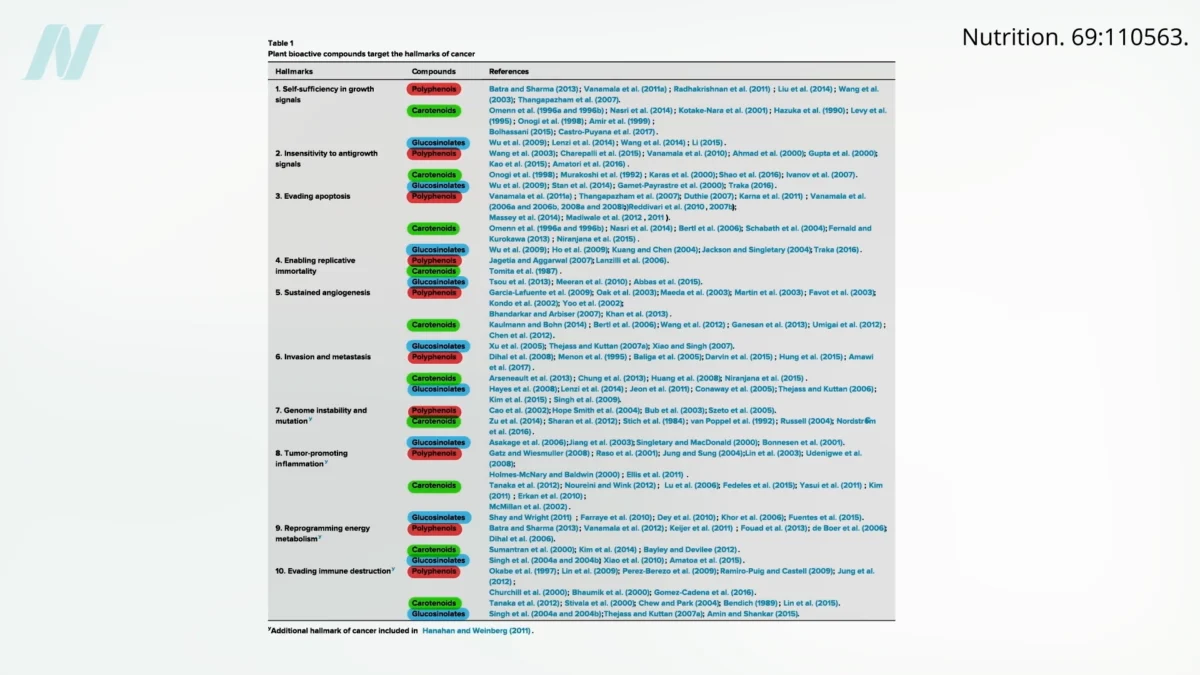
The long-standing war on cancer, declared by President Richard Nixon in 1971 with the National Cancer Act, has largely focused on finding cures rather than emphasizing preventative measures, a strategic imbalance that may explain the persistent high mortality rates from common cancers in the United States. Despite decades of intensive research and billions of dollars invested, deaths from the most prevalent cancers have continued largely unabated, prompting a critical re-evaluation of current approaches. This article delves into the growing scientific consensus that emphasizes the pivotal role of plant-based diets in cancer prevention, challenging the prevailing pharmaceutical-driven model of chemoprevention.
The Silent Growth of Cancer: A Long Latency Period
A fundamental misunderstanding in the fight against cancer, according to leading researchers, lies in the perception of when cancer truly begins. The common epithelial cancers, including lung, colorectal, breast, prostate, pancreas, and ovarian cancers – responsible for the majority of cancer deaths – have an exceptionally long latency period, often spanning 20 years or more. This means that cancer is not an abrupt onset of illness but rather a gradual process of cellular transformation that can occur silently for decades. The notion that individuals are "healthy" until they exhibit overt symptoms of invasive cancer is a dangerous misconception, akin to assuming a building is safe simply because smoke has not yet ignited the entire structure. This prolonged, preclinical phase offers a crucial window for intervention, one that current research increasingly suggests can be effectively addressed through dietary strategies.
The Pharmaceutical Push for Chemoprevention
The pharmaceutical industry has invested heavily in the concept of chemoprevention, advocating for the use of drugs to prevent diseases like heart disease and strokes, exemplified by the widespread use of statins and blood thinners. This model raises the question of why a similar, lifelong regimen of daily medication is not as vigorously pursued for cancer prevention. While targeted drug therapies for specific cancer types and stages are continually developed, the idea of a universal, preventative pharmaceutical agent for cancer remains elusive and raises concerns about potential long-term side effects and the economic feasibility for widespread, lifelong consumption.
The Multifaceted Nature of Cancer and the Promise of Plant Foods
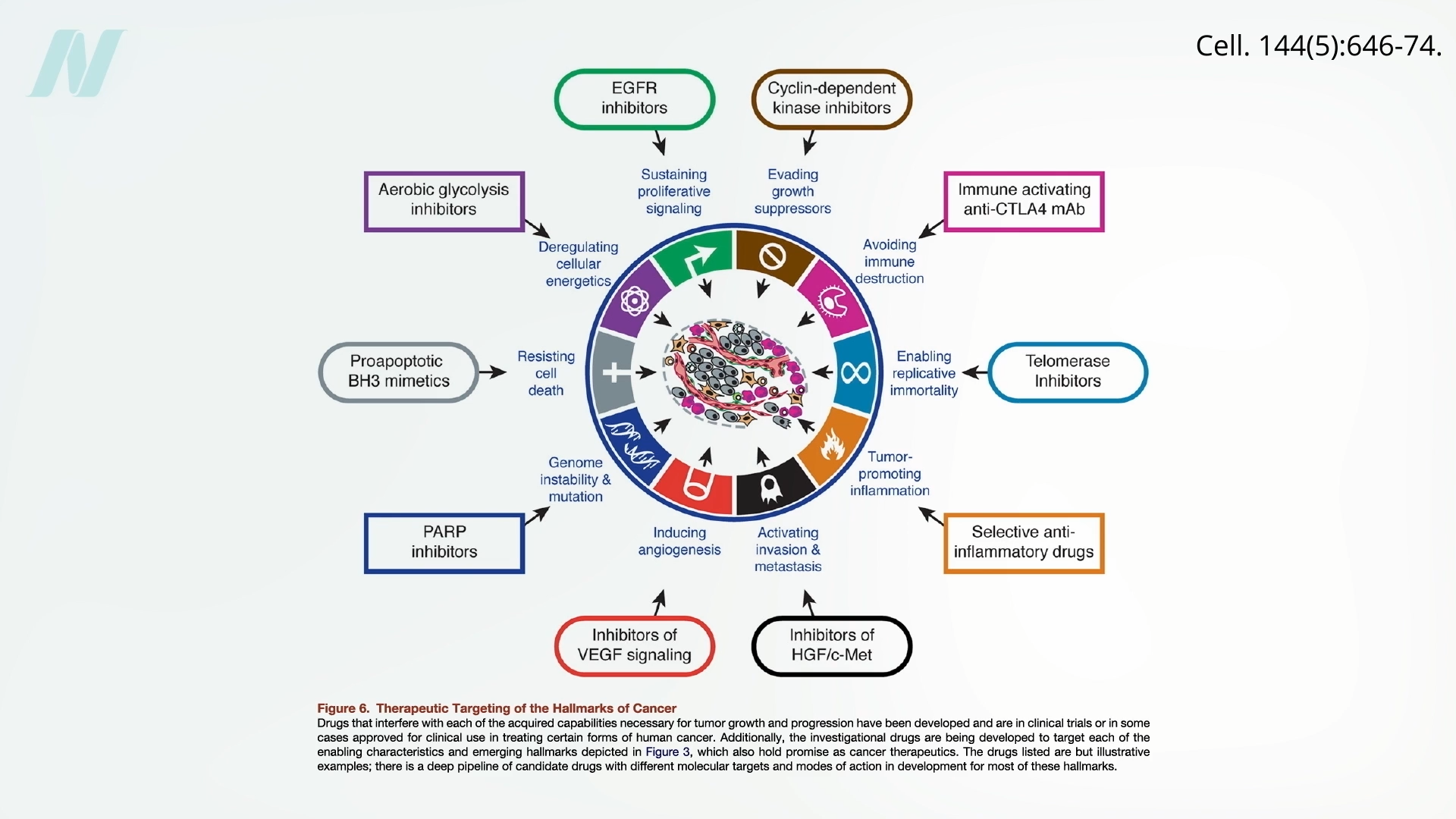
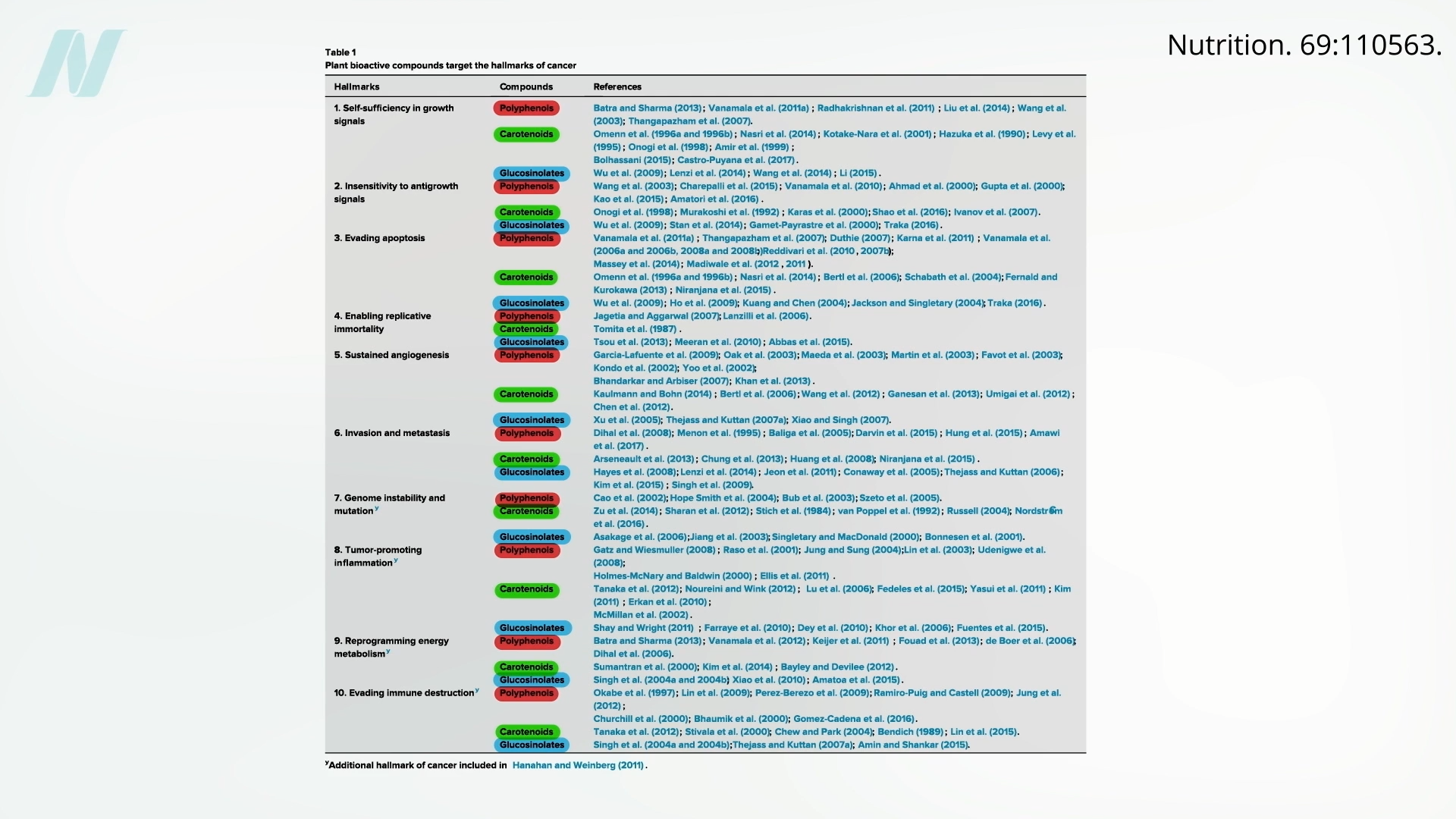
The complexity of cancer, with over 200 distinct types, presents a significant challenge. However, a unifying framework has emerged with the identification of ten core "hallmarks" that are common to virtually all cancers. These hallmarks, detailed in influential biomedical literature and cited tens of thousands of times, represent the fundamental capabilities that cancer cells acquire to grow and spread. They include sustaining proliferative signaling, evading growth suppressors, resisting cell death, enabling replicative immortality, inducing angiogenesis, activating invasion and metastasis, reprogramming energy metabolism, evading immune destruction, promoting inflammation, and genome instability and mutation.

Traditional pharmaceutical approaches often involve developing drugs to counter these hallmarks individually. While progress has been made in targeting specific hallmarks, the need to address multiple aspects of cancer simultaneously has led researchers to explore more holistic strategies. This is where the power of whole plant foods comes into play.
Plants as the Optimal Chemopreventive Agents
Plant-based diets are increasingly recognized as the most effective foundation for cancer prevention, a stark contrast to a pill-centric approach. The rationale is compelling: plant foods are rich in a vast array of bioactive compounds that can collectively target multiple hallmarks of cancer. Unlike single-target drugs, fruits, vegetables, legumes, and whole grains deliver a complex "cocktail" of phytochemicals that work synergistically to inhibit cancer development.
Research has identified specific compounds found in common plant foods – such as berries, leafy greens, and broccoli – that demonstrate the ability to target each of the ten hallmarks of cancer, at least in laboratory settings (in vitro). For instance, compounds in cruciferous vegetables like broccoli have been linked to mechanisms that detoxify carcinogens and inhibit tumor growth, while antioxidants found in berries may help repair DNA damage and reduce inflammation.
Furthermore, plant foods possess the ideal characteristics of chemopreventive agents:
- Selectivity: They tend to target cancerous or precancerous cells while sparing normal, healthy cells.
- Safety: They are generally side-effect-free when consumed as whole foods.
- Broad Spectrum Efficacy: They can potentially target a wide range of cancer types due to their multi-target action.
- Accessibility: They are a staple of daily diets and are readily available.
- Affordability: Compared to pharmaceutical interventions, whole plant foods are significantly more cost-effective.
This inherent efficacy and safety profile of plant-based foods is reflected in epidemiological studies showing that individuals who consume more plant-rich diets tend to have lower cancer incidence and mortality rates.
The Power of Food Synergy: Beyond Single Nutrients
The science of nutrition has historically been dominated by a reductionist approach, focusing on the impact of single dietary components or isolated nutrients. While this has been valuable in identifying the roles of specific vitamins and minerals, it often overlooks the complex interplay of thousands of substances found in whole foods. The concept of "food synergy" posits that the combined effect of these compounds is greater than the sum of their individual parts.
A compelling study demonstrated this principle by treating breast cancer cell lines with a "phytochemical supercocktail." When six different plant compounds, typically found in foods like broccoli, grapes, soybeans, and turmeric, were administered individually, they had minimal effect on cancer cell proliferation. However, when combined at levels achievable through dietary intake, these compounds collectively suppressed breast cancer cell proliferation by over 80%, inhibited invasion and migration, halted cancer cell progression, and ultimately led to cell death. Crucially, this potent effect was achieved without causing harm to normal, noncancerous cells. This remarkable outcome underscores the superior efficacy of whole foods and their complex mixtures of bioactive compounds over isolated phytochemicals.
Shifting the Paradigm: From Pills to Plants
The evidence strongly suggests a paradigm shift is needed in how we approach cancer prevention. The foundation of this shift lies in embracing a food system-based strategy that prioritizes whole plant foods. This means moving away from the over-reliance on supplements containing isolated extracts and instead focusing on dietary patterns rich in vegetables, fruits, whole grains, and legumes.
The World Cancer Research Fund (WCRF), through its comprehensive Global Cancer Update Programme, has established robust guidelines for cancer prevention that are firmly rooted in plant-based dietary principles. These recommendations advocate for a significant reduction in the consumption of alcohol, sugary drinks, red and processed meats, and ultra-processed junk foods. Instead, the emphasis is placed on centering diets around whole grains, a wide variety of vegetables, abundant fruits, and beans.
Broader Implications and Future Directions
The implications of this plant-centric approach to cancer prevention are far-reaching. It offers a powerful, accessible, and cost-effective strategy to combat the global cancer burden. By empowering individuals to make informed dietary choices, we can potentially reduce the incidence of many common cancers, alleviating suffering and reducing healthcare costs.
Further research is warranted to deepen our understanding of food synergy and to translate these findings into public health policies and clinical recommendations. Continued investigation into the mechanisms by which plant compounds interact with cellular pathways involved in cancer development will refine our strategies. Moreover, public health campaigns and educational initiatives are crucial to disseminate this knowledge and promote widespread adoption of plant-rich diets.
The long-term vision for cancer prevention must involve a fundamental reorientation of research priorities and public health messaging. By recognizing plants as the bedrock of a cancer-free future, we can move beyond a reactive, cure-focused model towards a proactive, prevention-driven approach that holds the promise of significantly reducing the impact of this devastating disease. The scientific community, healthcare providers, and the public must collectively champion this vital shift, understanding that the most potent weapon in the fight against cancer may well be found on our plates.






