
 admin
admin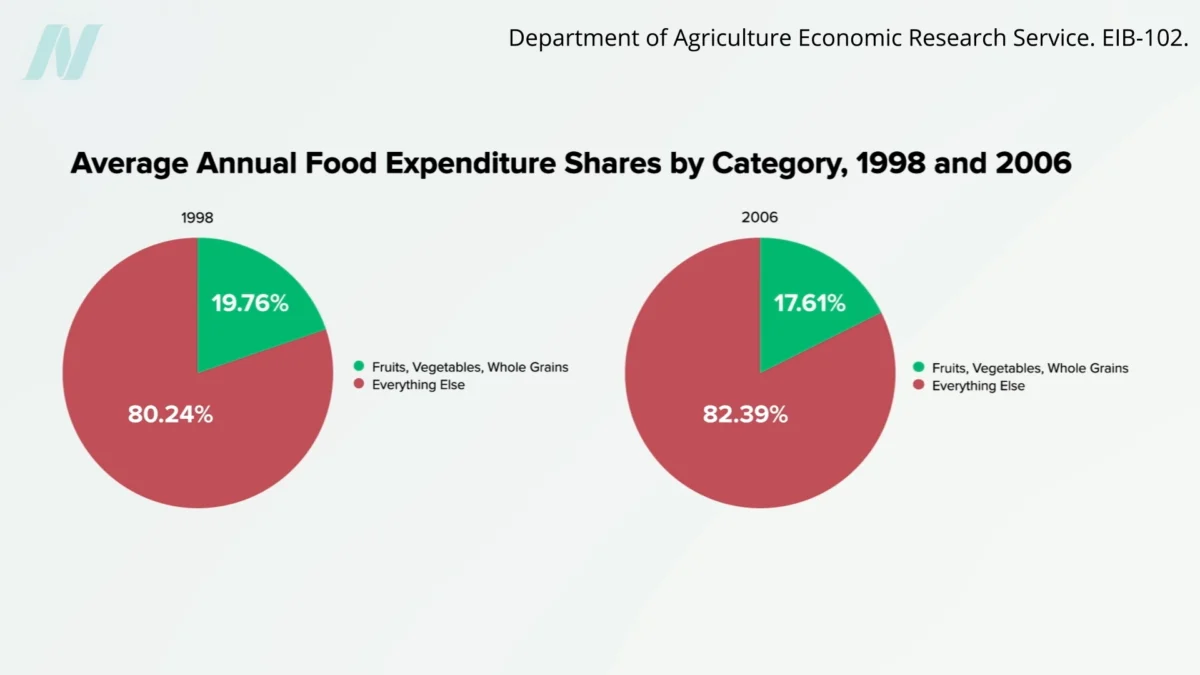
The pursuit of a "perfect diet score" has long been a central question in nutritional science, prompting researchers to explore various metrics that can effectively gauge dietary quality and its impact on health outcomes. While vegetarian diets are often lauded for their nutrient density, a comprehensive assessment reveals a more nuanced picture. Emerging research highlights the significance of the phytochemical index, a measure that quantifies the proportion of dietary calories derived from plant-based foods rich in beneficial compounds, as a powerful tool for promoting optimal health and preventing a spectrum of chronic diseases.
Understanding Dietary Quality and the Vegetarian Paradox
Traditionally, the quality of a diet has been assessed by its nutrient density, with vegetarian diets frequently emerging as frontrunners. Studies comparing vegetarian and non-vegetarian dietary patterns consistently show that plant-centric approaches tend to yield higher diet quality scores, correlating with improved health markers. This is largely attributed to the abundance of vitamins, minerals, and fiber found in plant foods. However, a critical caveat exists: not all vegetarian diets are created equal. Some individuals adhering to vegetarian principles may still consume significant amounts of refined grains, such as white rice and white bread, which have been stripped of much of their nutritional value during processing. This practice can undermine the inherent health benefits of a vegetarian lifestyle, underscoring the need for a more precise dietary evaluation method.
The Rise of Whole Plant Foods and the Need for a Proportional Measure
The scientific community widely acknowledges the paramount importance of whole plant foods in promoting well-being. These foods, encompassing fruits, vegetables, whole grains, legumes (beans, chickpeas, split peas, lentils), nuts, and seeds, are packed with essential nutrients and bioactive compounds. However, simply tallying the quantity of these foods consumed, even on a per-calorie basis, does not fully capture dietary quality. An individual might consume a substantial amount of whole plant foods while simultaneously indulging in less healthy options like donuts, added sugars, and unhealthy fats.
This realization spurred the development of proportional intake measures. These systems aim to determine the percentage of a person’s diet that consists of whole plant foods relative to less nutritious components, such as animal-derived products (meat, dairy, eggs), refined grains, added sugars, and unhealthy fats. Such a proportional approach allows for a more accurate reflection of dietary health, penalizing the inclusion of less beneficial foods while rewarding the consumption of nutrient-rich plant-based options.
Introducing the Phytochemical Index: A Simple Yet Powerful Metric
Among the various proportional intake measures, McCarty’s "phytochemical index" stands out for its elegant simplicity and profound implications. Defined as "the percent of dietary calories derived from foods rich in phytochemicals," this index assigns a score from 0 to 100, representing the percentage of a person’s caloric intake that comes from these beneficial plant compounds.
Phytochemicals are biologically active substances naturally occurring in plants, believed to be responsible for many of the health advantages associated with consuming whole plant foods. While directly quantifying phytochemicals in food or tissue samples can be complex, expensive, and labor-intensive, the phytochemical index offers a practical and accessible proxy. By focusing on the caloric contribution of phytochemical-rich foods, it provides a valuable, albeit indirect, method for monitoring phytochemical intake and, by extension, overall dietary quality. Researchers have suggested that "monitoring phytochemical intake in the clinical setting could have great utility" in guiding individuals towards optimal health and disease prevention strategies.

The Ideal Diet and the American Reality
Theoretically, a diet that strictly adheres to whole, plant-based principles – excluding refined grains, white potatoes, hard liquors, added oils, and added sugars – could achieve a perfect phytochemical index score of 100. This would represent a diet composed entirely of nutrient-dense, phytochemical-rich whole plant foods.
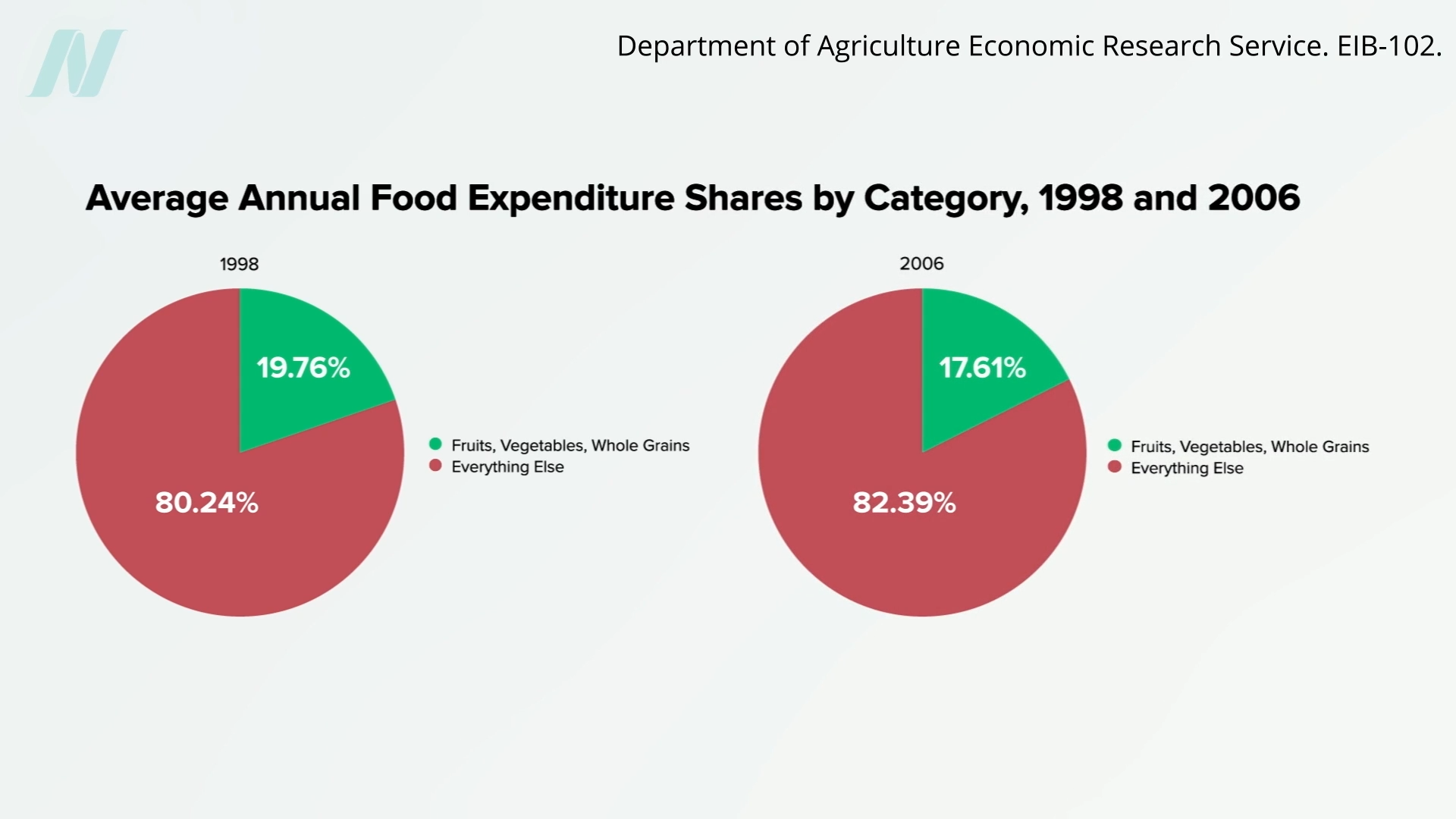
However, the reality for most Americans falls far short of this ideal. Current dietary patterns suggest that the average American’s diet might struggle to achieve a phytochemical index score of even 20. This stark contrast is attributed to a significant shift in food consumption over recent decades. In 1998, approximately 20% of Americans’ shopping baskets consisted of whole plant foods. More recent data indicates a concerning decline in this proportion, with the reliance on processed foods and animal products increasing. This trend has been visually represented through various analyses, including graphical depictions of shifts in food consumption patterns over time, underscoring a widespread deviation from health-promoting dietary habits.
Correlating Phytochemical Intake with Health Outcomes
The practical utility of the phytochemical index lies in its potential to be correlated with tangible health outcomes. Recognizing this, researchers have embarked on studies to investigate these associations, yielding compelling results.
Weight Management and Body Composition: Numerous studies have demonstrated a protective association between vegetarian diets and lower weight and body mass index (BMI). A meta-analysis encompassing dozens of studies confirmed that vegetarians generally exhibit significantly lower weight and BMI compared to their non-vegetarian counterparts. Furthermore, research indicates that high intakes of fruits, vegetables, whole grains, and legumes appear to confer health benefits regardless of meat consumption.
Researchers have employed the phytochemical index to further explore these relationships. In one notable study, participants’ weight was tracked over several years, with their diets assessed using a scale from 0 to 100, reflecting the percentage of their diet derived from whole plant foods. Even within the healthiest eating tier, which averaged a score of approximately 40 (indicating that processed foods and animal products still constituted the majority of their diet), a substantial portion of whole plant foods was associated with a reduced likelihood of weight gain and a decrease in body fat. This suggests that even incremental increases in whole plant food consumption can be beneficial, refuting the notion that achieving optimal health requires an all-or-nothing approach.
Metabolic Health and Chronic Disease Prevention: Beyond weight management, the phytochemical index has been linked to a wide array of positive health outcomes, particularly in the realm of metabolic health and chronic disease prevention.
- Abdominal Obesity and Triglycerides: Studies have indicated that higher intakes of healthy plant foods are associated with approximately one-third lower odds of abdominal obesity and significantly lower odds of elevated triglycerides. This positions the phytochemical index as a "useful dietary target for weight loss," shifting the focus from calorie restriction to increasing the consumption of nutrient-dense, lower-calorie plant foods.
- Childhood Obesity: Emerging research also suggests that similar benefits extend to childhood obesity, reinforcing the importance of plant-rich diets from an early age.
- Insulin Sensitivity and Diabetes Prevention: Even at the same weight and body fat levels, individuals consuming plant-based diets tend to exhibit higher insulin sensitivity. This enhanced responsiveness to insulin, potentially due to the anti-inflammatory and antioxidant properties of plant compounds, contributes to better blood sugar regulation. Consequently, the odds of hyperinsulinemia, an indicator of insulin resistance, progressively decrease with greater plant consumption. This association is particularly striking when considering prediabetes, where individuals deriving more than half their calories from healthy plant foods showed a remarkable 91% lower likelihood of being diagnosed with the condition.
- Metabolic Syndrome and Hypertension: Further research has demonstrated significantly lower odds of developing metabolic syndrome and high blood pressure among individuals with higher phytochemical index scores. Over a three-year period, those consuming more healthy plants experienced approximately half the odds of being diagnosed with hypertension.
Mental Health and Benign Breast Conditions: The influence of diet on well-being extends beyond physical health. Studies have begun to illuminate the impact of plant-rich diets on mental health, with compelling findings. Individuals with higher plant consumption reported substantially lower rates of depression (approximately 80% less), anxiety (two-thirds less), and psychological distress (70% less).
Moreover, the phytochemical index has shown a protective association with benign breast diseases. Those with the highest scores exhibited a 70% lower likelihood of developing conditions such as fibrocystic disease, fatty necrosis, and ductal ectasia.
The Fight Against Breast Cancer: A Powerful Plant-Based Defense
Perhaps one of the most significant findings relates to the prevention of breast cancer. A higher intake of healthy plant foods has been consistently associated with a reduced risk of breast cancer, even after accounting for a multitude of confounding factors. The impact is profound: individuals consuming twice the proportion of plants compared to the standard American diet demonstrated more than a 90% lower risk of developing breast cancer. This suggests that a robust plant-based dietary strategy, as reflected by a high phytochemical index, can serve as a powerful tool in cancer prevention efforts.
Implications and Future Directions
The evidence strongly suggests that the phytochemical index is more than just a theoretical construct; it is a practical and valuable metric for assessing dietary quality and predicting health outcomes. Its simplicity makes it amenable to widespread adoption in clinical settings and public health initiatives.
Broader Impact: The implications of these findings are far-reaching. They underscore the critical role of dietary choices in shaping individual and public health trajectories. By encouraging an increase in the consumption of whole, plant-based foods, healthcare providers and policymakers can empower individuals to take proactive steps towards preventing a wide range of chronic diseases, from obesity and diabetes to cardiovascular disease and certain cancers.
Future Research: While the current body of research is robust, further investigation into the precise mechanisms by which phytochemicals exert their protective effects is warranted. Continued exploration of the phytochemical index in diverse populations and across various health conditions will further solidify its role as a key indicator of dietary health. Additionally, developing accessible tools and educational resources to help individuals understand and improve their phytochemical index scores will be crucial for translating these scientific insights into tangible public health improvements. The ongoing shift towards a greater understanding of the power of plant-based nutrition, guided by metrics like the phytochemical index, promises a healthier future for individuals and communities alike.
Doctor’s Note:
For those interested in further exploring the concept of the phytochemical index, resources such as the video "Calculate Your Healthy Eating Score" offer in-depth explanations and practical guidance. Concerns about protein intake within plant-based diets are addressed in the video "Flashback Friday: Do Vegetarians Get Enough Protein?". The principle that dietary improvements do not require an all-or-nothing approach is further explored in "Do Flexitarians Live Longer?". Finally, for a critical look at the healthfulness of certain vegan products, the video "Friday Favorites: Is Vegan Food Always Healthy?" provides valuable insights.






