
 admin
admin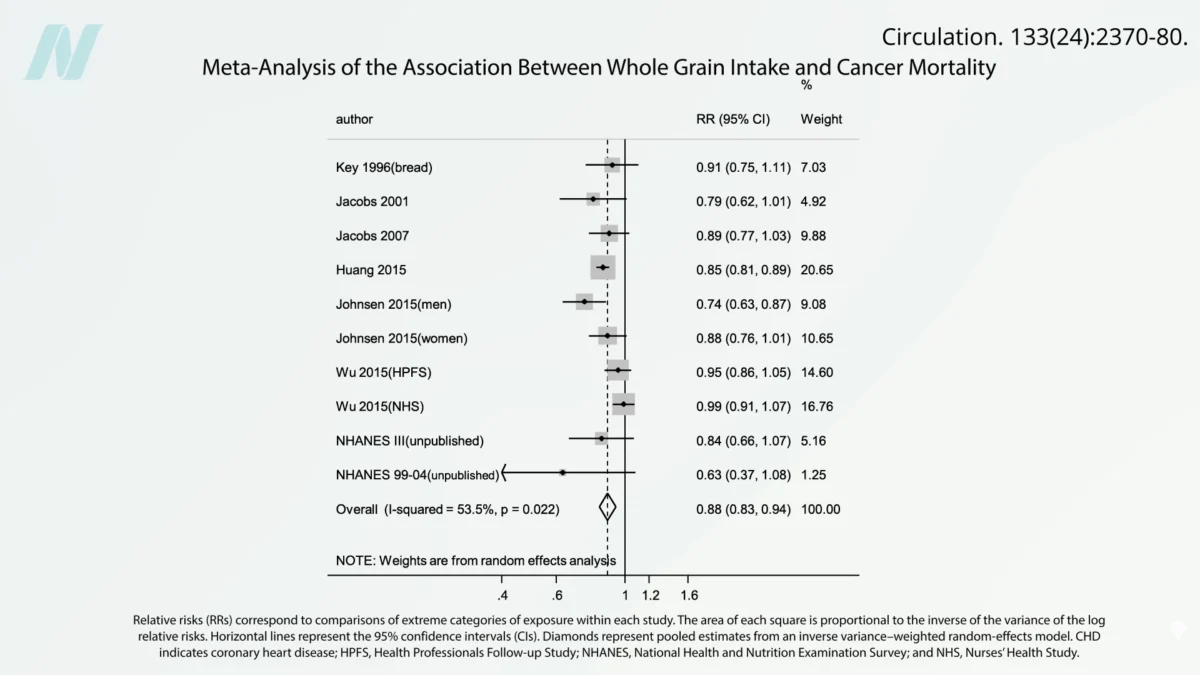
The presence of ochratoxin, a mycotoxin produced by certain molds, in food products has prompted scientific inquiry into its potential health implications. While animal studies have indicated a range of toxic effects, including damage to the immune system, kidneys, nervous system, and potential carcinogenicity, definitive evidence of adverse human health outcomes directly attributable to dietary ochratoxin exposure remains limited. Regulatory bodies and industry stakeholders maintain that current levels in consumed foods are generally considered safe, particularly when weighed against the established health benefits of certain food groups. However, ongoing research and public discourse continue to explore the nuanced relationship between dietary contaminants and human well-being, emphasizing the importance of a balanced and nutrient-rich diet in mitigating potential risks.
Understanding Ochratoxin: A Mycotoxin of Concern
Ochratoxin is a secondary metabolite produced by fungi belonging to the genera Aspergillus and Penicillium. These molds can contaminate a variety of agricultural commodities, including grains, fruits, coffee beans, and spices, under specific environmental conditions. The most prevalent and studied form is ochratoxin A (OTA). Its chemical structure and metabolic fate in biological systems have been the subject of extensive toxicological investigation.
Early research, primarily conducted on laboratory animals, identified OTA as a nephrotoxin (kidney toxicant), immunotoxin, teratogen (causing developmental abnormalities), and a potential carcinogen. These findings have contributed to its classification by the International Agency for Research on Cancer (IARC) as a Group 2B carcinogen, meaning it is "possibly carcinogenic to humans." However, the extrapolation of these animal study results to human dietary exposure requires careful consideration of dose, duration, and species-specific metabolic differences.

Regulatory Landscape and Industry Assurances
The potential risks associated with ochratoxin have led to the establishment of regulatory limits in many countries to ensure food safety. These limits are typically set by national food safety agencies and international organizations, taking into account the available scientific data on toxicity and exposure levels.
The food industry, particularly sectors dealing with grains and processed foods, often asserts that current ochratoxin levels in the food supply are well within these regulatory guidelines. They argue that established safety margins, derived from extensive risk assessments, effectively protect public health. For instance, in the context of oat-based cereals, a staple for many consumers, particularly young children, industry assessments have suggested that even with high consumption of products containing ochratoxin at regulated levels, the lifetime cancer risk remains "negligible."
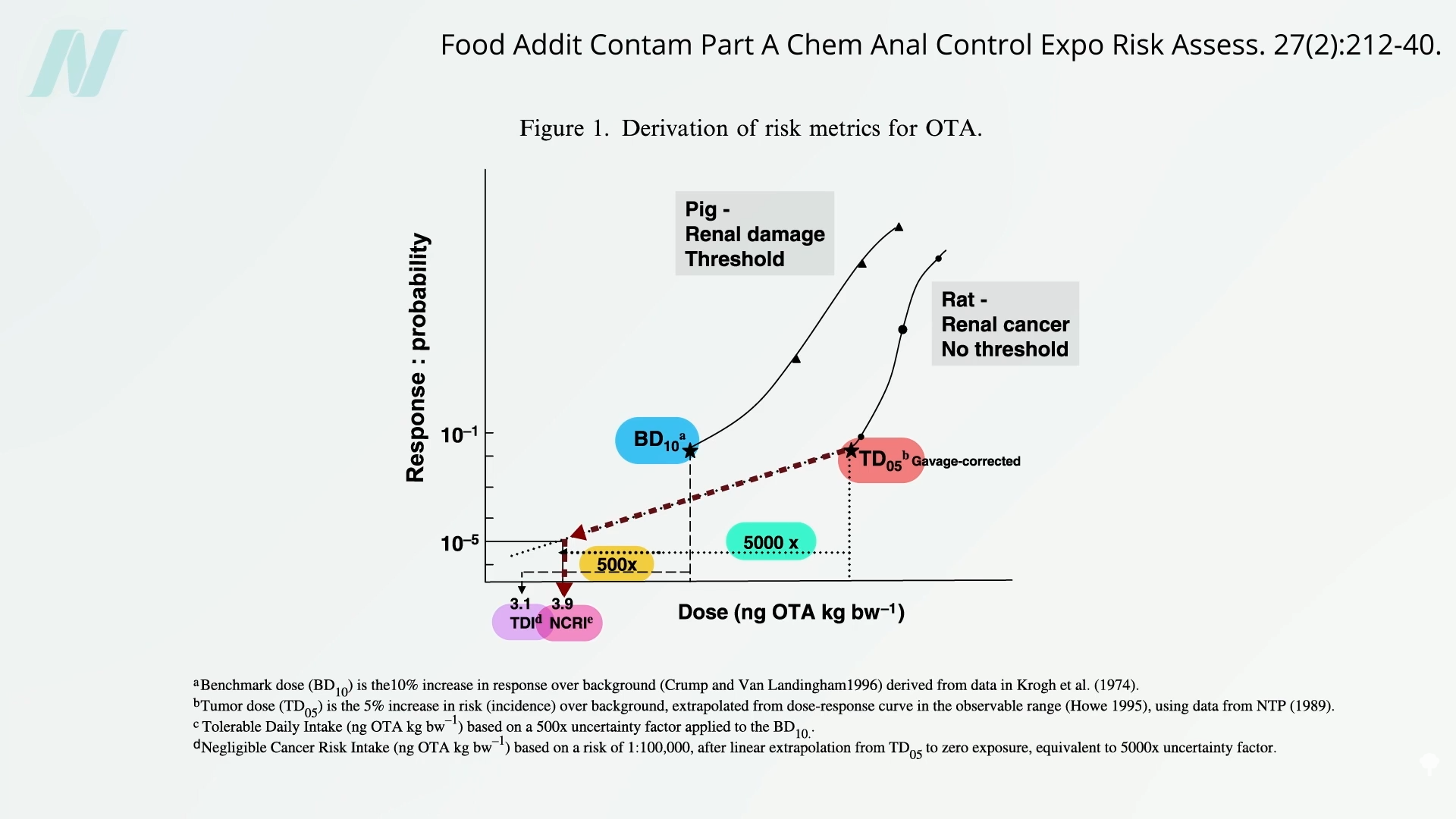
These assurances are often based on sophisticated risk assessment methodologies. A common approach involves determining a "benchmark dose" in animal studies, defined as the dose that elicits a 10% increase in a specific pathological effect. This dose is then divided by a substantial safety factor (e.g., 500) to derive a "tolerable daily intake" (TDI). For carcinogenic risks, a similar extrapolation process may be used, identifying a "tumor dose" (the dose causing a 5% increase in tumor incidence in animals) and then extending this down to a "negligible cancer risk intake," often incorporating a safety factor of 5,000. These safety factors are intended to account for uncertainties in extrapolating from animals to humans, inter-individual variability, and the potential for cumulative effects from multiple sources of exposure.
Scientific Scrutiny and Alternative Perspectives
Despite these assurances, some researchers and public health advocates question the adequacy of current risk assessment models and regulatory limits. They point to the inherent difficulties in directly studying the long-term effects of low-level, chronic exposure to mycotoxins in human populations.
The challenge lies in designing epidemiological studies that can definitively link specific dietary intake levels of ochratoxin to observable health outcomes in humans. Unlike acute poisoning incidents, the effects of chronic, low-level exposure can be insidious and difficult to disentangle from other lifestyle and environmental factors that influence health.
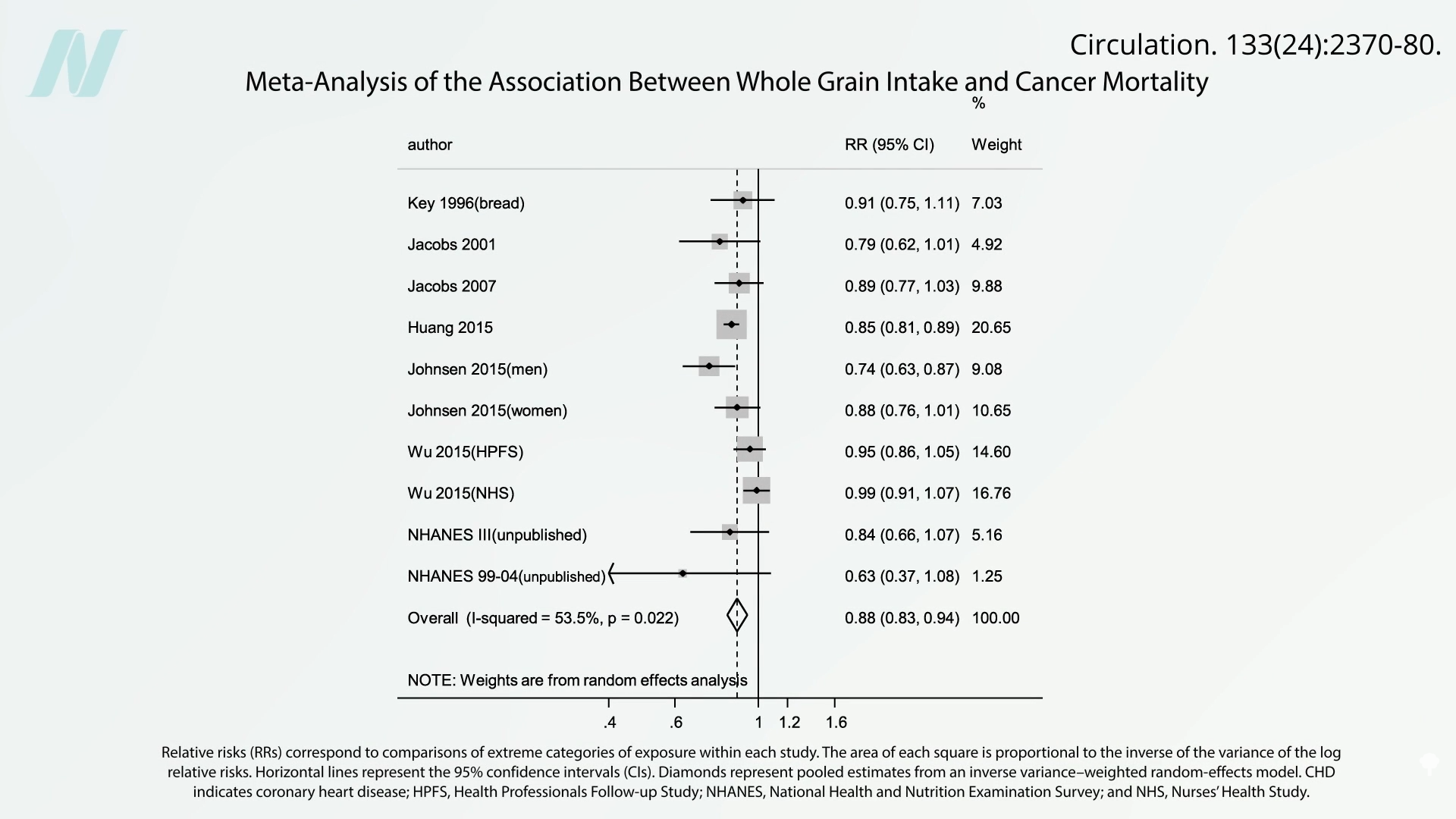
One area of ongoing scientific interest is the potential for dietary patterns to modulate the impact of mycotoxins. For example, studies have explored the association between whole grain consumption and mortality. Research has indicated that increased intake of whole grains is linked to a reduced risk of both cancer mortality and all-cause mortality. This observation has led to hypotheses that the beneficial compounds present in whole grains, such as antioxidants and fiber, might offer a protective effect against the cellular damage that mycotoxins can induce.
A comprehensive meta-analysis of major cancer studies, for instance, has consistently shown a trend towards lower cancer risk with higher whole grain consumption. This suggests that while contaminants like ochratoxin may be present, the overall nutritional profile of whole grains could confer a net health benefit that outweighs the potential risks posed by these toxins. The antioxidants found in whole grains, for example, may directly scavenge free radicals and protect cells from oxidative stress, a mechanism that could also counteract the damaging effects of mycotoxins. Similarly, a diet rich in fruits and vegetables, also high in antioxidants and other protective phytochemicals, may contribute to mitigating the risks associated with dietary contaminants.
Broader Implications and Food Choices
The discussion surrounding ochratoxin highlights a broader challenge in modern food systems: balancing the availability of affordable and palatable foods with the imperative of ensuring their safety and nutritional quality. While ochratoxin is a concern in foods like grains, its presence and impact can vary significantly depending on the food matrix and the overall diet.
For instance, ochratoxin contamination is not limited to plant-based products. It has also been detected in animal products, particularly pork, and in beverages like wine and coffee. Studies have shown ochratoxin in a significant percentage of tested pork products, and its presence in wine has been a subject of concern due to the potential for chronic exposure.
The impact of ochratoxin on less healthy food choices can be more pronounced. In products like wine and pork, where the inherent health benefits are less substantial compared to whole grains or fruits and vegetables, the presence of ochratoxin may represent a greater net detriment to health. This is because the potential toxic effects of the mycotoxin are not counterbalanced by significant nutritional advantages.
Conclusion: A Holistic Approach to Food Safety
In summary, the scientific understanding of ochratoxin’s health effects, particularly in humans, is an evolving field. While animal studies have raised concerns about its toxicity, direct evidence of adverse human health outcomes from typical dietary exposure remains limited. Regulatory agencies and industry stakeholders maintain that current safety standards are sufficient to protect public health, often supported by robust risk assessment methodologies that incorporate substantial safety factors.
However, the ongoing scientific exploration into the protective roles of whole grains, fruits, and vegetables underscores the importance of a holistic approach to diet and health. A nutrient-dense diet, rich in antioxidants and other beneficial compounds, may play a significant role in mitigating the potential risks associated with dietary contaminants like ochratoxin. Ultimately, the focus on consuming a variety of healthy, whole foods appears to be a prudent strategy for both maximizing nutritional benefits and minimizing exposure to potential dietary hazards, irrespective of specific contaminant levels. The dialogue around ochratoxin serves as a reminder that while food safety regulations are crucial, individual dietary choices and the promotion of healthy eating patterns are equally vital in safeguarding public health.
Doctor’s Note: This article is part of a series exploring the health impacts of mold toxins. Previous discussions have covered ochratoxin in breakfast cereals and its presence in herbs, spices, and wine. A forthcoming piece will examine concerns related to aflatoxin.






