admin
admin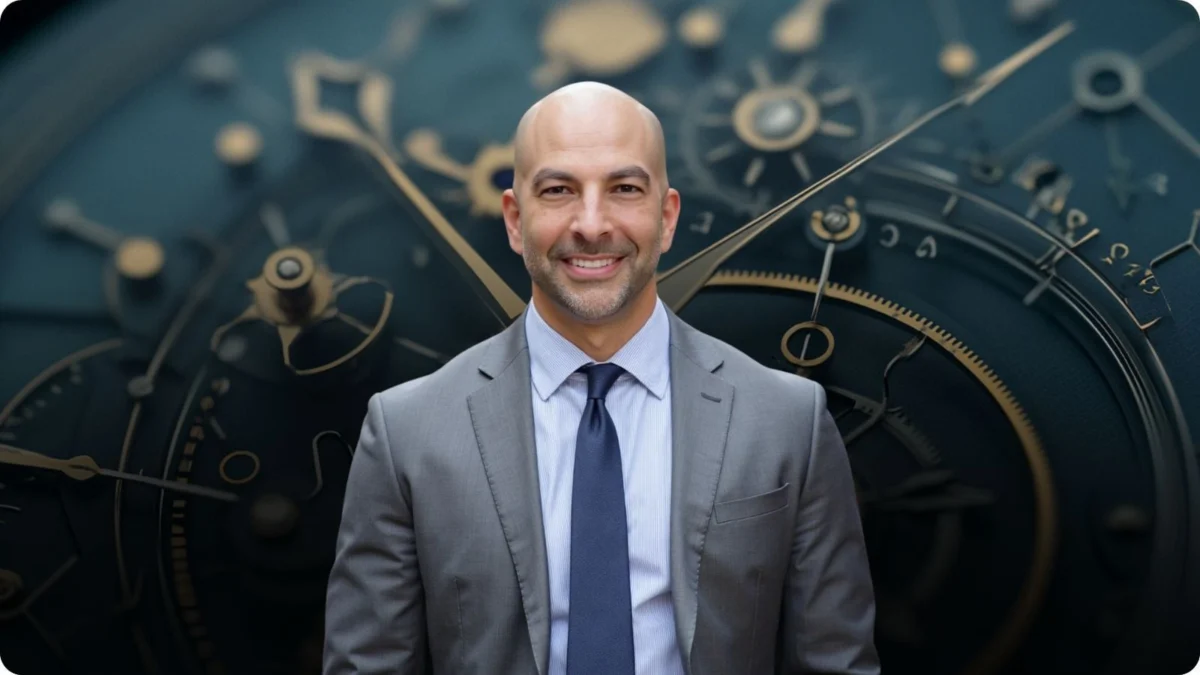
Dr. Peter Attia, a prominent physician and author specializing in the applied science of longevity, recently released a detailed "Ask Me Anything" (AMA) session, designated as episode 82 of his program, The Drive. The session serves as a practical roadmap for listeners seeking to translate complex medical research into actionable lifestyle interventions. By focusing on the evolution of health priorities across the human lifespan, the management of chronic disease risks, and the nuances of metabolic health, Attia provides a framework for what he terms "Medicine 3.0"—a proactive, preventative approach to healthcare that contrasts with the reactive nature of traditional modern medicine.
The episode arrives at a time when public interest in "healthspan"—the period of life spent in good health—is reaching an all-time high. As global populations age, the focus has shifted from merely extending the number of years lived to improving the quality of those years. Attia’s latest discourse emphasizes that the strategies employed in one’s twenties must fundamentally differ from those utilized in one’s sixties to account for physiological changes and the cumulative risk of chronic pathologies.
The Chronology of Health: Evolving Strategies Across Decades
A central theme of Attia’s discussion is the necessity of shifting health priorities as an individual ages. He posits that the "margin for error" regarding health behaviors narrows significantly over time. In early adulthood, specifically during the twenties and thirties, the human body possesses a high degree of physiological resilience. Attia notes that during this period, individuals can often maintain high levels of fitness and metabolic health despite suboptimal sleep or nutrition.
However, Attia emphasizes that the twenties should be viewed as a period for "building the bank." He highlights the importance of establishing a high VO2 max—a measure of cardiorespiratory fitness—early in life. Data suggests that VO2 max is one of the strongest predictors of long-term mortality. By reaching a high peak in youth, individuals create a "functional reserve" that can buffer the natural age-related decline in aerobic capacity. Attia shares personal observations, noting that his current fitness levels are largely supported by the rigorous training he underwent in his younger years.
As individuals enter their forties and fifties, Attia describes a "first brush with mortality." This is the period when subclinical issues, such as elevated blood pressure or the early stages of atherosclerosis, often become apparent. The strategy here must shift from exploration to deliberate maintenance and risk mitigation. In this phase, the focus transitions toward managing the "Four Horsemen" of chronic disease: atherosclerotic cardiovascular disease (ASCVD), cancer, neurodegenerative disease (such as Alzheimer’s), and type 2 diabetes/metabolic dysfunction.
For those in their sixties and beyond, the priority shifts toward "The Centenarian Decathlon"—a framework Attia uses to define the physical tasks an individual wants to be able to perform in the final decade of life. This requires a heightened focus on stability, bone density, and muscle mass to prevent falls and fractures, which are leading causes of morbidity and mortality in the elderly.
Managing the Risk Hierarchies of Chronic Disease
Attia provides a deep dive into the management of chronic diseases, which remain the primary drivers of death in developed nations. He argues that the current medical model often waits until a disease is symptomatic before intervening, whereas a longevity-focused approach requires identifying and treating risk factors decades in advance.
Atherosclerosis is highlighted as a primary example. While heart disease is often viewed as an event that happens in one’s sixties, the underlying process of plaque accumulation begins in childhood. Attia discusses the importance of monitoring Apolipoprotein B (ApoB), which provides a more accurate assessment of the number of atherogenic particles in the blood than traditional LDL-C tests. By lowering ApoB levels early, the cumulative "area under the curve" for vascular damage is reduced, potentially delaying or preventing heart attacks entirely.
The discussion also extends to neurodegenerative diseases, specifically dementia. While exercise is frequently cited as the most potent intervention for brain health, Attia explores emerging interventions that show promise. These include aggressive management of blood pressure and blood glucose, as well as the optimization of sleep and hearing health. Research has increasingly shown that untreated mid-life hearing loss is a significant risk factor for cognitive decline, likely due to the increased cognitive load required to process sound and the social isolation that often follows.
Technical Tools for Health Optimization: Wearables and DEXA Scans
In the realm of real-world application, Attia evaluates the utility of modern health technology. He addresses the growing use of wearables, such as smartwatches and rings that track sleep, heart rate variability (HRV), and activity levels. While acknowledging their value in promoting behavioral awareness, Attia cautions against over-reliance on these devices for clinical-grade data. He suggests that the most effective use of wearables is identifying trends and deviations from an individual’s personal baseline rather than comparing stats against a global average.
A more robust tool discussed is the Dual-Energy X-ray Absorptiometry (DEXA) scan. While traditionally used to measure bone mineral density, Attia explains its critical role in assessing body composition. He emphasizes the importance of monitoring visceral adipose tissue (VAT)—the fat stored around internal organs—which is highly inflammatory and strongly correlated with metabolic disease. Furthermore, he utilizes DEXA scans to track Appendicular Lean Mass (ALM), ensuring that patients are not losing muscle mass during weight loss phases, as muscle is a vital organ for glucose disposal and physical autonomy.
Nutrition, Metabolism, and the mTOR Debate
The episode addresses complex nutritional questions, specifically the relationship between high-protein diets and the mechanistic target of rapamycin (mTOR). In the longevity community, there is an ongoing debate regarding whether suppressing mTOR (which can be achieved through fasting or certain drugs) is necessary for longevity, or if activating it (through protein consumption and resistance training) is necessary for maintaining muscle mass.
Attia argues for a nuanced view, suggesting that for most people, the risk of sarcopenia (muscle wasting) and frailty in old age far outweighs the theoretical risks of chronic mTOR activation from protein intake. He advocates for high protein consumption—often 1.6 to 2.2 grams per kilogram of body weight—to support muscle protein synthesis, especially in aging populations where "anabolic resistance" makes it harder to maintain muscle.
Furthermore, Attia addresses the "mechanisms versus outcomes" dilemma. He cautions listeners against making drastic lifestyle changes based solely on laboratory mechanisms (such as a specific molecule’s reaction in a petri dish) without looking at hard clinical outcomes (such as whether people actually live longer or avoid disease). This skepticism is applied to the evaluation of non-nutritive sweeteners and diet sodas. Attia suggests that while these substances may not be "optimal," their use as a tool to displace sugar-sweetened beverages is a net positive for metabolic health in the context of the obesity epidemic.
Behavioral Psychology and the Pursuit of Stability
Beyond the physiological, Attia touches upon the psychological challenges of behavior change. He notes that the most scientifically sound health protocol is useless if it cannot be sustained. He discusses strategies for making healthy habits "stick," emphasizing the need for a clear "why" and the gradual implementation of changes rather than an all-or-nothing approach.
Injury resilience and stability training are also highlighted as non-negotiable components of a longevity routine. Drawing from his own setbacks, Attia explains that stability is the foundation upon which strength and aerobic fitness are built. He advocates for specific training that focuses on foot health, eccentric control (the lowering phase of a movement), and core integration. These elements are vital for preventing the "death spiral" that often begins with a simple trip or fall in older age.
Implications for Public Health and the Individual
The insights provided in AMA #82 suggest a shift in the cultural zeitgeist regarding health. The transition from a "lifespan" focus to a "healthspan" focus requires individuals to take a more active role in their medical management. Attia’s analysis implies that the future of medicine lies in personalized, data-driven prevention that starts decades before the traditional onset of geriatric care.
From a societal perspective, this shift has significant implications for healthcare costs. By preventing or delaying the onset of the "Four Horsemen," the economic burden of chronic disease management could be drastically reduced. However, this requires a change in how insurance and medical systems prioritize preventative screenings and lifestyle coaching.
In conclusion, Peter Attia’s latest AMA session reinforces the idea that longevity is not the result of a single "miracle" supplement or fad diet, but rather the cumulative effect of disciplined, age-appropriate strategies. By focusing on high-impact variables—VO2 max, muscle mass, metabolic health, and lipid management—individuals can significantly alter their health trajectory. The episode serves as a reminder that while genetics may load the gun, lifestyle and environment pull the trigger, and proactive intervention remains the most powerful tool in the modern medical arsenal.