admin
admin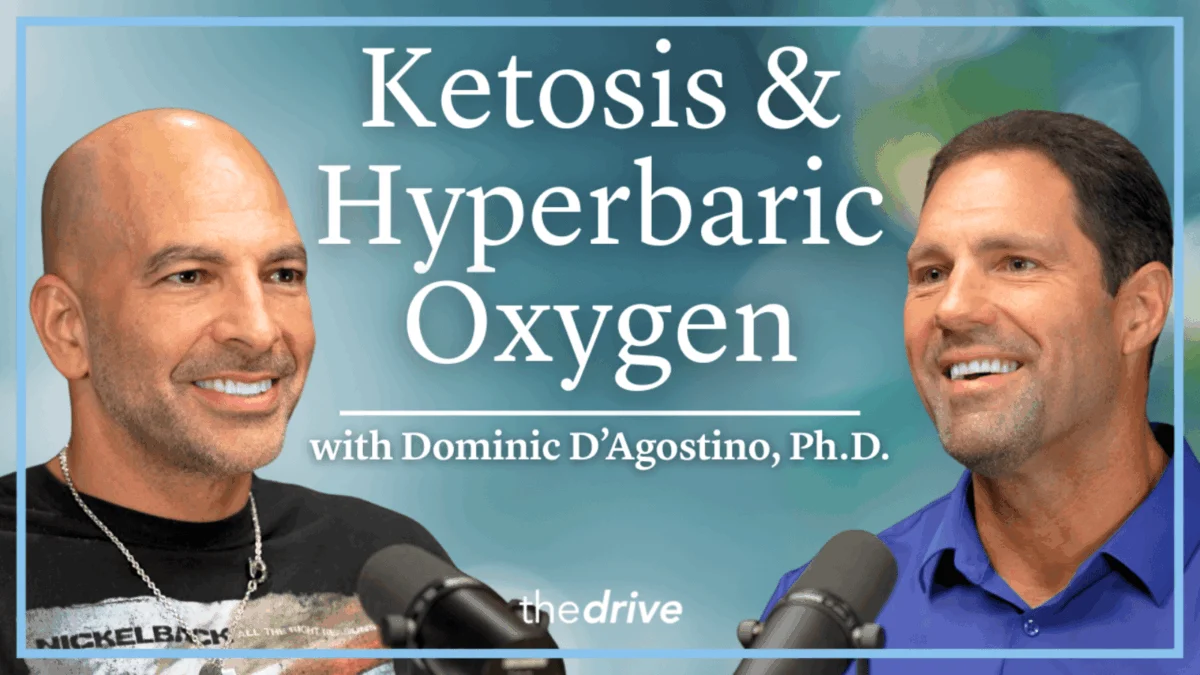
In a detailed technical exchange, Dr. Dominic D’Agostino, a leading neuroscientist and Associate Professor at the University of South Florida Morsani College of Medicine, joined Dr. Peter Attia to examine the rapidly evolving landscape of metabolic therapies. The discussion serves as a comprehensive overview of the physiological mechanisms underlying ketosis, the clinical applications of ketogenic protocols in oncology and neurology, and the specialized research D’Agostino has conducted for the United States Navy regarding oxygen toxicity. As metabolic health becomes a central pillar of longevity science, D’Agostino’s insights provide a roadmap for translating complex biochemical processes into actionable clinical and lifestyle interventions.
The Scientific Evolution of Dominic D’Agostino
Dr. Dominic D’Agostino’s career trajectory reflects a broader shift in the scientific community’s approach to chronic disease and physiological resilience. After earning his Ph.D. in Neuroscience and completing postdoctoral fellowships at Wright State University and the University of South Florida, D’Agostino initially focused on traditional pharmacological interventions. However, his research eventually pivoted toward metabolic biochemistry, specifically the ketogenic diet, after observing its efficacy in treating refractory epilepsy—cases where modern pharmaceutical drugs frequently failed to provide relief.
This transition was driven by a fundamental interest in redox mechanisms and the production of superoxide under varying levels of oxygen. D’Agostino’s work has since expanded into investigating how metabolic states can protect the central nervous system (CNS) from extreme stressors. His tenure at the Institute for Human and Machine Cognition (IHMC) and his role as a crew member on NASA’s Extreme Environment Mission Operation (NEEMO 22) have further solidified his position as a primary authority on physiological resilience in high-stakes environments.
Mitigating Oxygen Toxicity in Naval Operations
A significant portion of D’Agostino’s research is funded by the Office of Naval Research (ONR) and the Department of Defense (DoD), focusing on the hazards faced by elite divers. Oxygen toxicity, specifically Central Nervous System Oxygen Toxicity (CNSOT), remains a critical risk for divers using closed-circuit rebreathers. These devices allow divers to breathe 100% oxygen while scrubbing carbon dioxide, which prevents bubbles (bubbles that lead to decompression sickness) and eliminates the tell-tale trail of bubbles that could give away a diver’s position in tactical scenarios.
However, breathing high concentrations of oxygen at depth leads to an accumulation of reactive oxygen species (ROS) in the brain. When a diver exceeds a certain partial pressure of oxygen (PO2), they risk a "grand mal" seizure, which is often fatal underwater due to the risk of drowning. D’Agostino’s research has demonstrated that the presence of ketone bodies—specifically beta-hydroxybutyrate (BHB)—can delay the onset of these seizures. By shifting the brain’s primary fuel source from glucose to ketones, the metabolic threshold for oxygen-induced hyper-excitability is raised, providing a "metabolic shield" for personnel operating in extreme conditions.
Defining the Parameters of Ketosis: Nutritional vs. Supplemental
The dialogue between D’Agostino and Attia sought to clarify the often-confused distinction between nutritional ketosis and supplemental (exogenous) ketosis. Nutritional ketosis is achieved through a diet high in fats, moderate in protein, and very low in carbohydrates, forcing the liver to produce ketones from fatty acids. Supplemental ketosis involves the ingestion of exogenous ketone sources to raise blood BHB levels regardless of dietary carbohydrate intake.
D’Agostino defines meaningful ketone thresholds as blood BHB levels between 0.5 mmol/L and 3.0 mmol/L for general metabolic health. For therapeutic applications, such as the management of epilepsy or certain cancers, higher levels (3.0 mmol/L to 5.0 mmol/L) may be required. He notes that while exogenous ketones can provide an immediate energy substrate for the brain and offer anti-inflammatory benefits, they do not necessarily replicate the full metabolic milieu of a strict ketogenic diet, which also involves suppressed insulin levels and increased fatty acid oxidation.
The Growing Landscape of Exogenous Ketones
The market for exogenous ketones has expanded significantly, moving from niche laboratory compounds to commercially available supplements. D’Agostino outlined the three primary categories of these supplements:
- Ketone Salts: BHB bound to minerals such as sodium, potassium, calcium, or magnesium. These are widely available and effective for modest elevations in blood ketones but can lead to excessive mineral intake if used in high doses.
- Ketone Esters: More potent compounds where BHB is linked to a precursor like 1,3-butanediol via an ester bond. These can raise ketone levels to 3.0–5.0 mmol/L rapidly but are often characterized by a harsh taste and higher cost.
- 1,3-Butanediol: A dialcohol that is metabolized in the liver into BHB. While effective, its metabolic pathway shares similarities with alcohol metabolism, requiring careful dosing.
D’Agostino also highlighted effective pairings for these supplements. Combining exogenous ketones with Medium Chain Triglyceride (MCT) oil can prolong the duration of ketosis. Furthermore, the addition of caffeine or alpha-GPC (a choline source) may enhance the cognitive benefits and focus often reported by users of ketogenic protocols.
Metabolic Therapy in Cancer and Neurodegeneration
One of the most promising areas of D’Agostino’s research involves the "Press-Pulse" therapeutic framework for cancer, particularly glioblastoma multiforme (GBM). This approach is based on the Warburg Effect—the observation that many cancer cells are fermentative and rely heavily on glucose for survival. By using a ketogenic diet to "press" the cancer cells (limiting their primary fuel source) and combining it with "pulses" of hyperbaric oxygen or non-toxic metabolic drugs, researchers aim to selectively stress malignant cells while protecting healthy tissue.
In the context of neurodegenerative diseases like Alzheimer’s and Parkinson’s, ketosis offers a dual benefit. First, it provides an alternative fuel for neurons that have become "insulin resistant" or glucose-impaired. Second, ketones act as signaling molecules that inhibit the NLRP3 inflammasome, thereby reducing the chronic neuroinflammation that drives disease progression.
Hyperbaric Oxygen Therapy (HBOT) and Brain Recovery
The conversation transitioned into the clinical utility of Hyperbaric Oxygen Therapy (HBOT). While D’Agostino’s Navy work focuses on the dangers of high-pressure oxygen, his clinical interests involve its ability to facilitate healing. HBOT involves breathing 100% oxygen in a pressurized chamber, which increases the amount of oxygen dissolved in the blood plasma.
D’Agostino and Attia discussed protocols for Traumatic Brain Injury (TBI) and general cognitive enhancement. Typical protocols involve pressures between 1.5 and 2.0 Atmospheres Absolute (ATA). The increased oxygen tension can stimulate angiogenesis (the growth of new blood vessels) and mobilize stem cells, aiding in the repair of damaged neural tissues. D’Agostino emphasized that HBOT is most effective when used as part of a multi-modal approach, potentially including metabolic support to mitigate any oxidative stress induced by the treatment.

The Role of Carnivore and Autoimmune Protocols
The discussion touched upon the "carnivore diet" as a restrictive variant of the ketogenic diet. While controversial in mainstream nutrition, D’Agostino noted its emerging relevance for patients with severe autoimmune conditions and certain metabolic disorders. By eliminating plant-based lectins, oxalates, and fibers, some individuals experience a significant reduction in systemic inflammation.
From a metabolic perspective, a carnivore diet can be ketogenic if the protein-to-fat ratio is managed appropriately. However, D’Agostino cautioned that maintaining adequate protein is vital for muscle protein synthesis, especially in aging populations. He advised that those using ketogenic or carnivore protocols must be diligent about monitoring their lipid profiles and micronutrient intake to avoid common pitfalls like electrolyte imbalances or unintended muscle loss.
Broader Implications and Future Directions
The implications of D’Agostino’s work extend far beyond elite military diving or specialized oncology. The ability to manipulate human metabolism through diet and supplementation represents a shift toward "precision nutrition" and "metabolic psychiatry." As research continues to validate the anti-inflammatory and neuroprotective properties of ketones, these therapies may eventually become standard components of care for metabolic syndrome, which currently affects over one-third of the U.S. adult population.
Data from the Centers for Disease Control and Prevention (CDC) suggests that metabolic dysfunction is a primary driver of the leading causes of death, including heart disease and type 2 diabetes. The work of scientists like D’Agostino provides a physiological basis for why carbohydrate restriction and ketone supplementation might mitigate these risks.
The ongoing research supported by the ONR and DoD continues to explore the limits of human performance and safety. As the scientific community gains a deeper understanding of how the body adapts to extreme environments, these findings will likely trickle down to the general public, informing new strategies for enhancing cognitive function, physical endurance, and long-term healthspan.
Conclusion and Disclosure
The technical insights provided by Dr. Dominic D’Agostino highlight a sophisticated understanding of the human body as a flexible metabolic engine. Whether through the rigors of a strict ketogenic diet or the strategic use of exogenous ketone esters and hyperbaric oxygen, the goal remains the same: to optimize cellular energy production and enhance resilience against disease and environmental stress.
Disclaimer: The information discussed in the podcast and summarized in this report is for informational purposes only and does not constitute medical advice. Dr. Peter Attia’s "The Peter Attia Drive" is a member-supported platform dedicated to providing evidence-informed insights on longevity. Individuals seeking to implement ketogenic or hyperbaric protocols should consult with qualified healthcare professionals, as these interventions carry risks, particularly for those with underlying medical conditions.