
 admin
admin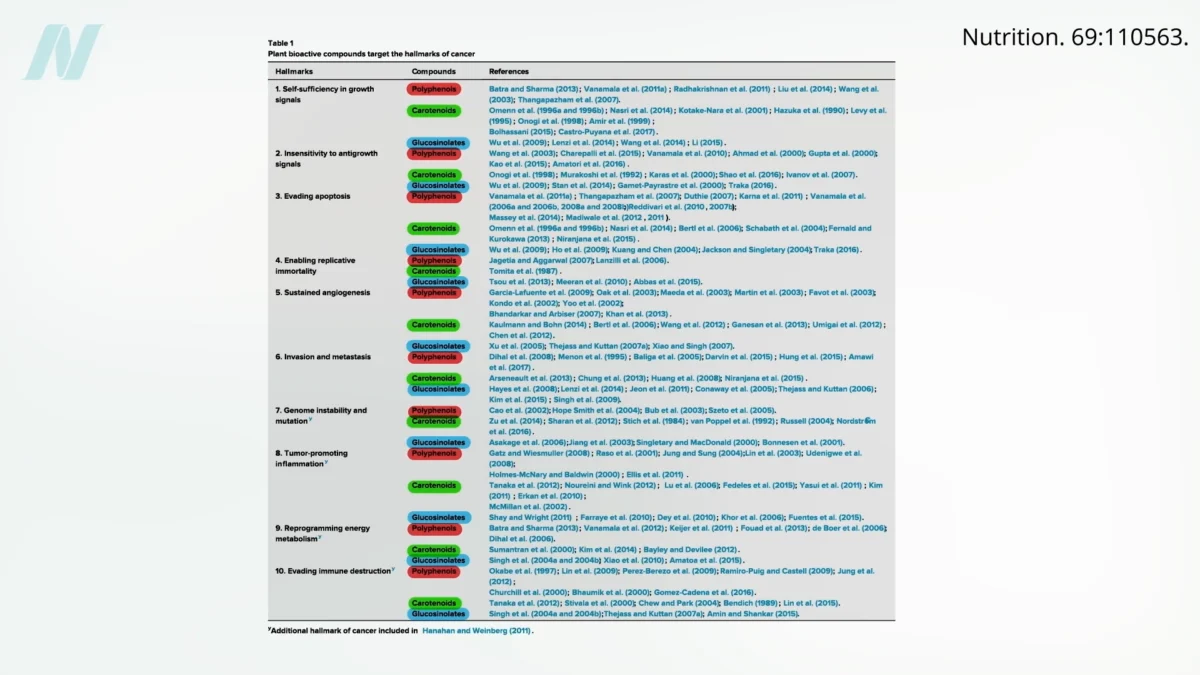
The prevailing approach to combating cancer, a disease that continues to devastate millions globally, has historically been heavily weighted towards the discovery of cures rather than the proactive prevention of its onset. This imbalance in research priorities, with a vast majority of resources funneled into treatment strategies, has been a point of contention for decades. Despite significant advancements in medical technology and pharmaceutical interventions, the mortality rates for many common cancers in the United States have remained stubbornly high, a stark indicator that the current paradigm may be insufficient.
A Decades-Long Struggle: The War on Cancer
The "War on Cancer" was officially declared by President Richard Nixon in 1971, a landmark initiative that signaled a national commitment to eradicating the disease. This ambitious undertaking led to the establishment of the National Cancer Act, significantly boosting funding for cancer research and the National Cancer Institute. The initial decades saw progress in understanding cancer at a molecular level, leading to the development of new chemotherapy drugs, radiation therapies, and surgical techniques. However, the fundamental challenge of prevention remained largely unaddressed, with the focus consistently on treating the disease once it manifested.
The scientific community has increasingly recognized that the conventional understanding of cancer’s timeline is often flawed. Many common epithelial cancers, including those affecting the lung, colon, breast, prostate, pancreas, and ovaries – which collectively account for the majority of cancer-related deaths – develop over extended periods. This latency can span 20 years or more, meaning that a diagnosis of invasive cancer is not an abrupt onset but rather the culmination of a long, often silent, pathological process. The perception of being "healthy" until symptoms appear is a dangerous miscalculation, akin to ignoring smoldering embers in a barn, assuming safety until the structure is engulfed in flames.
The Pharmaceutical Push: Chemoprevention and Its Limitations
In the face of persistent cancer mortality, a significant shift has emerged, with a growing emphasis on chemoprevention. This strategy involves the use of pharmaceutical drugs to prevent cancer or its recurrence. The pharmaceutical industry has heavily invested in promoting chemoprevention for conditions like heart disease and stroke, utilizing medications such as statins and blood thinners. The question then arises: why should a similar approach, involving lifelong daily medication, not be applied to cancer prevention?

While chemopreventive drugs offer a potential avenue, their broad application for cancer faces significant challenges. The sheer diversity of cancer types, exceeding 200 distinct forms, each with its own genetic and molecular underpinnings, complicates a one-size-fits-all drug solution. Furthermore, the development of drugs that can effectively target the multifaceted nature of cancer is a complex endeavor. Traditional drug development often focuses on a single pathway or mechanism, whereas cancer is characterized by a constellation of at least ten "hallmarks."
The Ten Hallmarks of Cancer: A Complex Biological Landscape
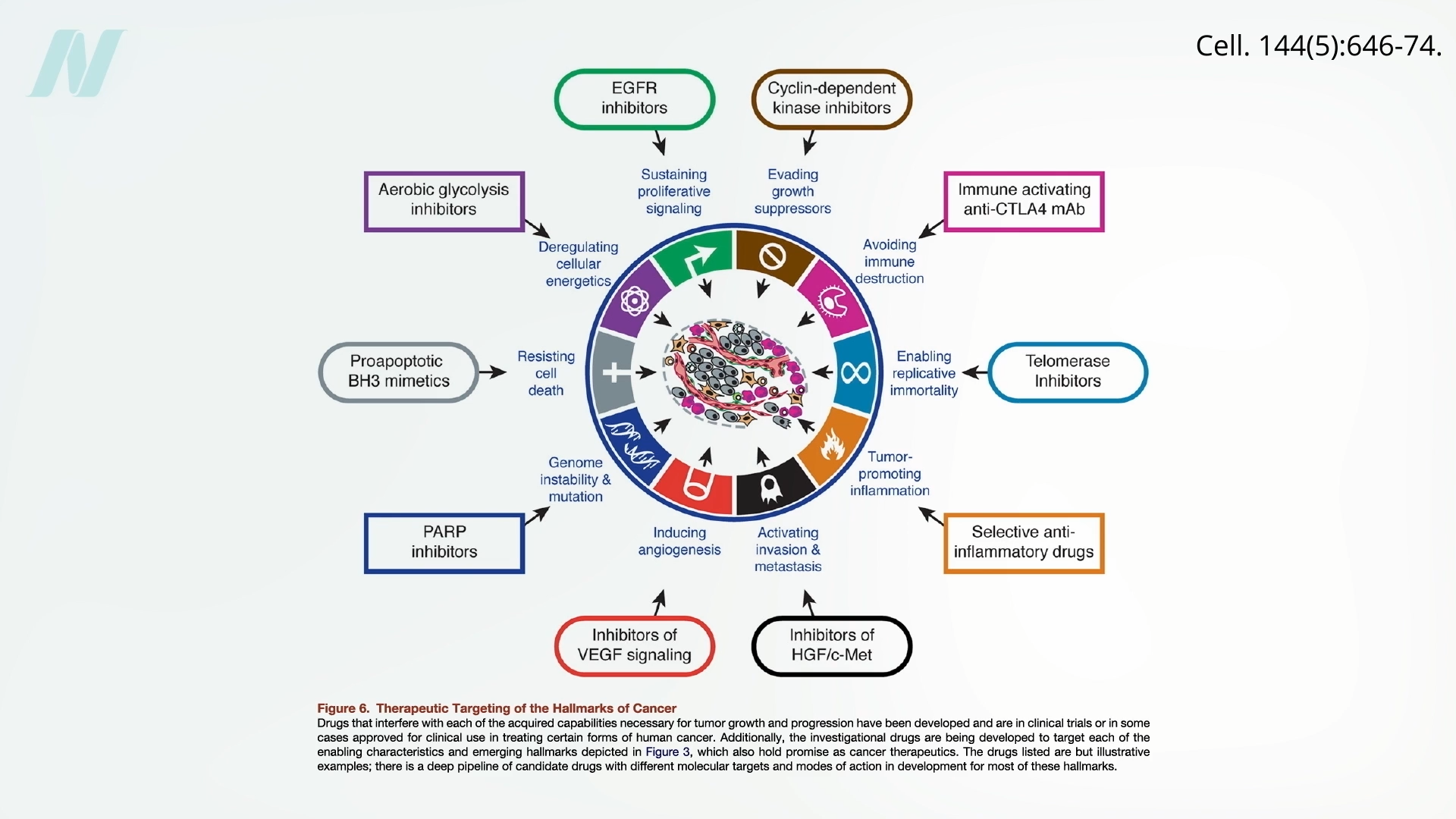
The concept of the ten hallmarks of cancer, first comprehensively elucidated in seminal papers that have garnered tens of thousands of citations in biomedical literature, provides a crucial framework for understanding the disease’s progression. These hallmarks represent the fundamental capabilities that cells acquire to become cancerous and sustain their growth and spread. They include:
- Sustaining proliferative signaling: Cancer cells evade normal signals that would limit their growth, essentially pushing the "on" switch for cell division.
- Evading growth suppressors: They disable the cellular mechanisms that normally put the brakes on cell proliferation.
- Resisting cell death (apoptosis): Cancer cells learn to bypass the programmed cell death pathways that eliminate damaged or unnecessary cells.
- Enabling replicative immortality: They acquire the ability to divide indefinitely, overcoming the normal limitations on cell division known as the Hayflick limit.
- Inducing angiogenesis: They stimulate the formation of new blood vessels to supply tumors with nutrients and oxygen, facilitating their growth and spread.
- Activating invasion and metastasis: Cancer cells gain the ability to invade surrounding tissues and spread to distant sites in the body.
- Deregulating cellular energetics: They reprogram their metabolism to support rapid growth and proliferation, often relying on glucose even in the presence of oxygen (the Warburg effect).
- Evading immune destruction: They develop mechanisms to hide from or disable the body’s immune system, preventing it from recognizing and eliminating them.
- Genome instability and mutation: Cancer cells accumulate genetic alterations, leading to a highly adaptable and evolving population.
- Tumor-promoting inflammation: They can manipulate the local inflammatory environment to foster their growth and survival.
Current chemotherapeutic agents are often designed to target one or a few of these hallmarks. However, the complexity of cancer means that targeting a single hallmark is often insufficient to halt its progression, especially given the intricate interplay between these capabilities. This has led researchers to seek strategies that can address multiple hallmarks simultaneously.
The Power of Plants: A Synergistic Approach to Prevention
The limitations of single-target drug therapies have fueled interest in alternative prevention and treatment strategies. Diet and nutrition, particularly the consumption of whole plant foods, are emerging as powerful tools in this fight. The reason for this burgeoning interest lies in the inherent complexity and synergistic properties of plant-based compounds.
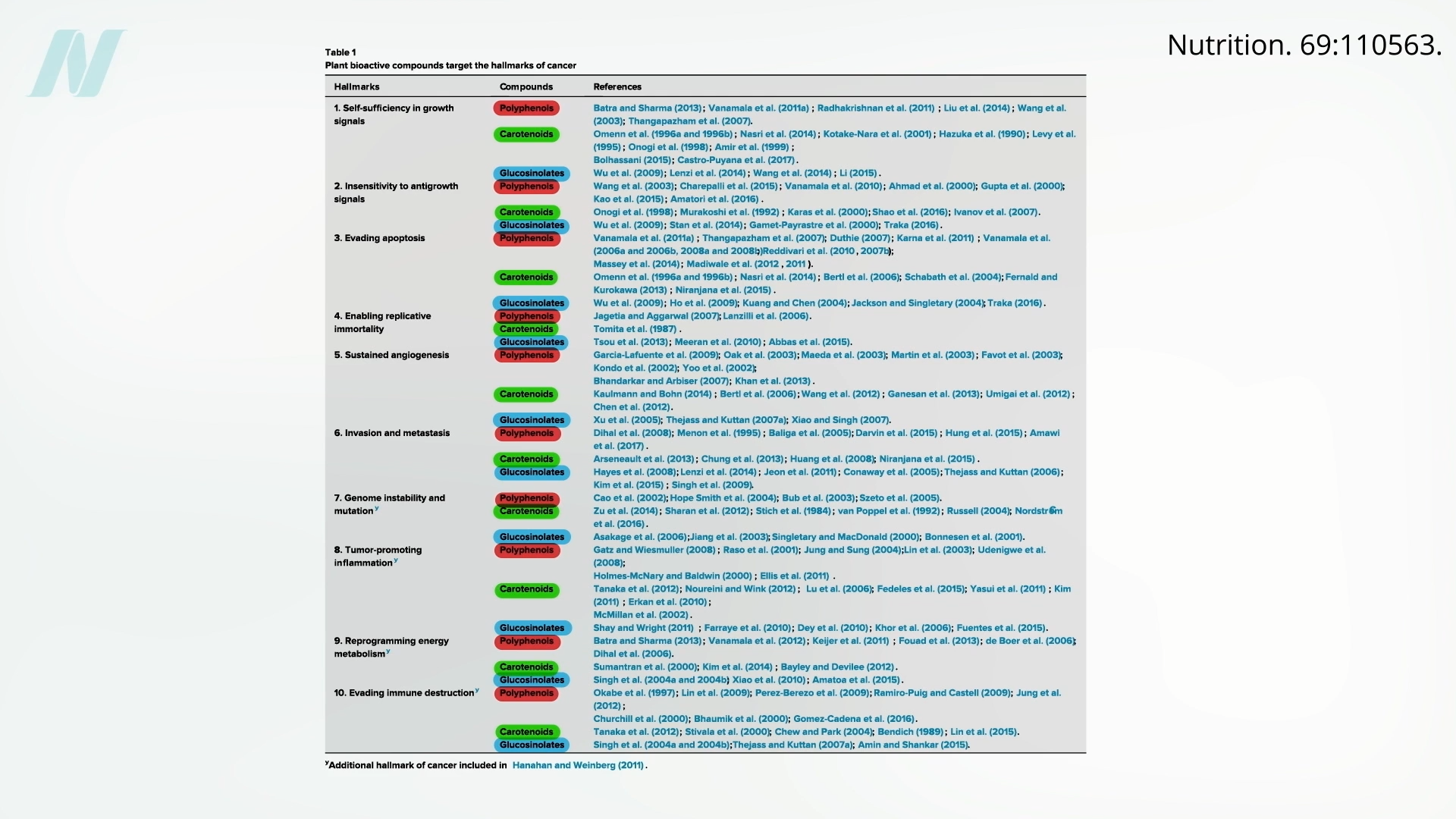
Plant foods, such as berries, leafy greens, and cruciferous vegetables like broccoli, are rich sources of thousands of bioactive compounds. These phytochemicals, acting in concert, possess the remarkable ability to target multiple hallmarks of cancer. This stands in contrast to pharmaceutical drugs, which typically operate on a single pathway. The advantage of this "cocktail" effect is that it can address the multifaceted nature of cancer more effectively.
Evidence-Based Efficacy: Food Synergy in Action
Scientific research is increasingly validating the power of whole plant foods in combating cancer. Studies have demonstrated that compounds found in fruits and vegetables can, at least in laboratory settings (in vitro), influence each of the ten hallmarks of cancer. This observation has led to the concept of "food synergy," where the combined effect of various compounds in a whole food is greater than the sum of their individual effects.
A compelling study illustrates this principle. Researchers treated two breast cancer cell lines with six different plant compounds individually, at levels typically found in the bloodstream after consuming foods like broccoli, grapes, soybeans, and turmeric. Individually, these compounds showed minimal impact. However, when administered together, they exhibited remarkable efficacy:
- Significant suppression of proliferation: Breast cancer cell proliferation was reduced by over 80%.
- Inhibition of invasion and migration: The ability of cancer cells to spread was significantly hampered.
- Cell cycle arrest: The compounds stopped cancer cells in their tracks, preventing further division.
- Induction of cell death: Ultimately, the combined compounds led to the complete eradication of the cancer cells.
Crucially, these effects were achieved without causing any harm to normal, non-cancerous cells used as controls. This selectivity is a highly desirable characteristic for any chemopreventive agent, minimizing the risk of adverse side effects.
Designing the Ideal Chemopreventive Agent: Plants Fit the Bill
If one were to design the ideal agent for cancer prevention, several key characteristics would be paramount. It would need to be:
- Selective: Targeting cancerous or precancerous cells while sparing healthy cells.
- Side-effect-free: Minimizing or eliminating adverse reactions.
- Broad-spectrum: Effective against a wide range of cancer types.
- Dietary-compatible: Able to be incorporated into a daily diet.
- Accessible: Readily available in most locations.
- Affordable: Cost-effective for widespread adoption.
Whole plant foods remarkably meet all these criteria. Their inherent properties, combined with their dietary integration, make them superior candidates for cancer prevention compared to single-pill solutions. The observation that individuals who consume more plant-based diets generally exhibit lower cancer rates further supports this conclusion.
A Paradigm Shift: From Reductionism to Whole Foods
The dominant approach in nutritional science has historically been reductionist, focusing on the impact of single dietary components or isolated nutrients. While this methodology has uncovered valuable insights into the role of specific foods or vitamins in disease development, it may not fully capture the complex interplay of bioactive compounds within whole foods. The "whole can be greater than the sum of its parts" principle, or food synergy, suggests that a more holistic approach is needed.
Instead of relying on isolated phytochemicals to manage cancer, the focus should shift towards incorporating a diverse array of whole plant foods into the diet. This "food system"-based approach leverages the vast number of possible interactions between thousands of substances found in plants, offering a more comprehensive and potent defense against cancer.
Recommendations for a Plant-Centric Future
The evidence overwhelmingly suggests that the foundation of effective cancer prevention lies in embracing a plant-rich diet. This is not about relying on supplements containing concentrated extracts or purified compounds, but rather about consuming whole plant foods in their natural form.
The World Cancer Research Fund (WCRF), a leading authority in cancer prevention research, has consistently emphasized the importance of diet in cancer risk reduction. Based on extensive reviews of scientific literature, their recommendations align with a plant-centric approach. This translates to practical dietary advice:
- Reduce or eliminate: Alcohol, sugary drinks (soda), red meat, processed meats, and ultra-processed junk foods.
- Center the diet around: Whole grains, a wide variety of vegetables, fruits, and legumes (beans and lentils).
This dietary shift represents a proactive strategy, empowering individuals to significantly influence their cancer risk by making informed food choices. While pharmaceutical interventions will continue to play a vital role in treating established cancers, a robust focus on plant-based prevention offers a more sustainable and effective long-term solution. The ongoing research into the intricate mechanisms by which plant compounds combat cancer underscores the profound potential of nature’s pharmacy in our fight against this pervasive disease. The future of cancer prevention appears to be rooted not in a pill, but in the vibrant diversity of the plant kingdom.






