
 admin
admin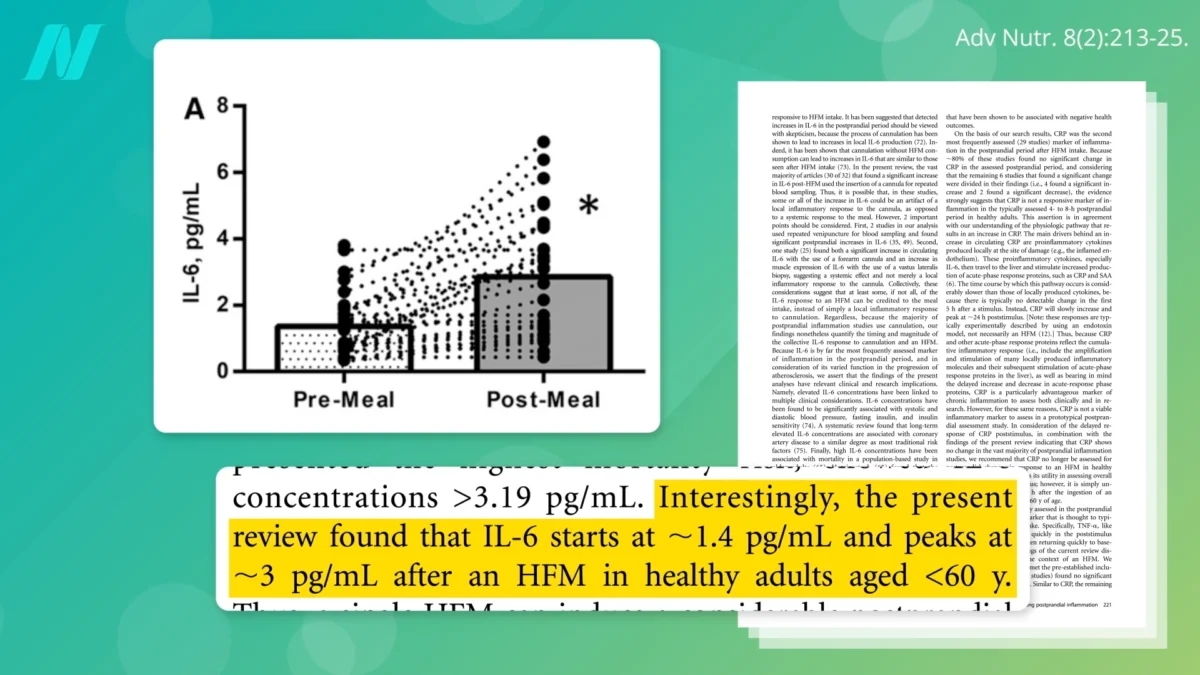
The human body’s inflammatory response, a crucial defense mechanism against injury and infection, can be acutely triggered by dietary choices, with profound implications for long-term health. Emerging research indicates that a single pro-inflammatory meal can elevate key inflammatory markers within hours, a finding that challenges the conventional understanding of chronic inflammation as solely a consequence of sustained unhealthy dietary patterns. This rapid inflammatory cascade, driven by specific food components, is increasingly linked to a spectrum of serious chronic diseases that represent leading causes of mortality and disability worldwide.
The Acute Inflammatory Cascade: A Rapid Response to Dietary Insults
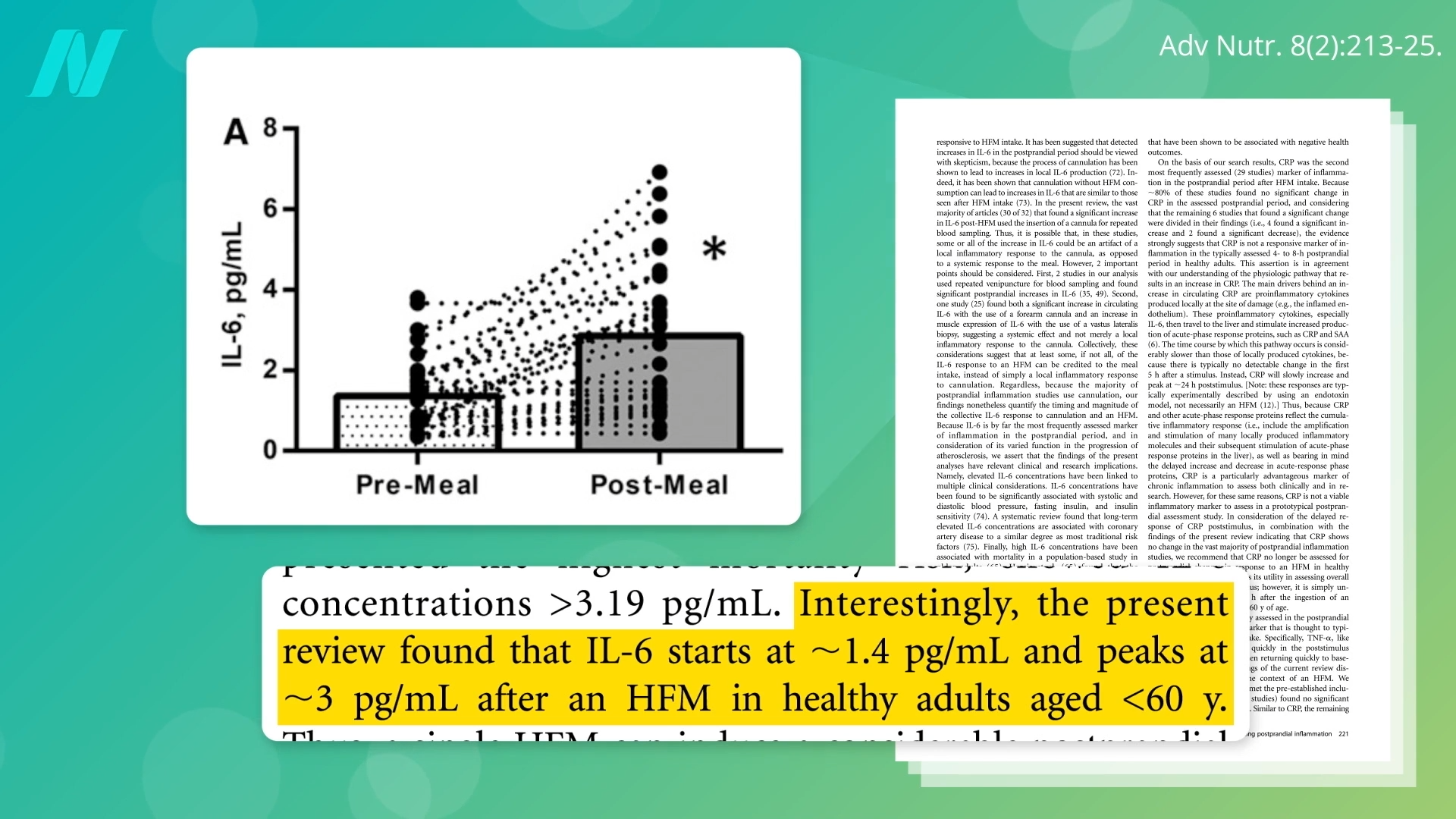
Scientific investigations have revealed a striking and swift physiological reaction to the ingestion of pro-inflammatory foods. Within as little as six hours after consuming a meal high in refined carbohydrates, added sugars, or unhealthy fats, the body can exhibit a significant surge in inflammatory markers. Among the most commonly studied is interleukin-6 (IL-6), a cytokine that plays a pivotal role in the inflammatory process. Studies have consistently demonstrated that IL-6 levels can double in the bloodstream following such meals. This immediate biological response underscores the potent and immediate impact of diet on systemic inflammation, moving beyond the perception of inflammation as a purely chronic condition.
The experimental evidence supporting this rapid inflammatory effect is compelling. In controlled studies, participants who consumed meals rich in saturated fats, such as butter, or high in refined sugars like sugar water, exhibited notable increases in IL-6. Crucially, these studies controlled for other variables, isolating the pro-inflammatory potential of both fat and sugar individually. This indicates that neither component acts in isolation, but rather both contribute significantly to the immediate inflammatory response. The data presented graphically in research, often illustrating a rise in IL-6 to approximately 3 pg/mL post-meal, serves as a tangible representation of this acute physiological shift.

Understanding the Health Ramifications of Acute Inflammation
The concern surrounding these acute inflammatory spikes stems from their potential cumulative effect on chronic disease development. Persistent, low-grade inflammation is now widely recognized as an underlying factor in numerous chronic conditions, including type 2 diabetes, obesity, cardiovascular disease, and certain cancers. The World Health Organization (WHO) consistently identifies heart disease as the leading cause of death globally, with type 2 diabetes and obesity also posing significant public health challenges. The dietary triggers that initiate an inflammatory cascade, even after a single meal, therefore warrant serious consideration in the context of preventative health strategies.
The implications of elevated IL-6 levels are particularly concerning. Research compiled from multiple studies suggests that persistently higher levels of IL-6, even within the range observed after a single pro-inflammatory meal (around 3 pg/mL), are associated with a doubled risk of mortality. This association holds true across diverse populations and is likely linked to IL-6’s role in exacerbating other risk factors for chronic diseases, including cardiovascular disease. The strength of this association has been found to be comparable to that of other well-established risk factors, such as elevated cholesterol levels, highlighting the critical importance of managing dietary-induced inflammation.
Deconstructing the Pro-Inflammatory Components: Fat, Sugar, and Refined Carbohydrates
The primary culprits identified in triggering this rapid inflammatory response are components commonly found in Western diets: saturated fats, refined carbohydrates, and added sugars. While a chronic high-fat diet has long been implicated in promoting inflammation, the research now emphasizes that even a single instance of consuming such foods can initiate the process.
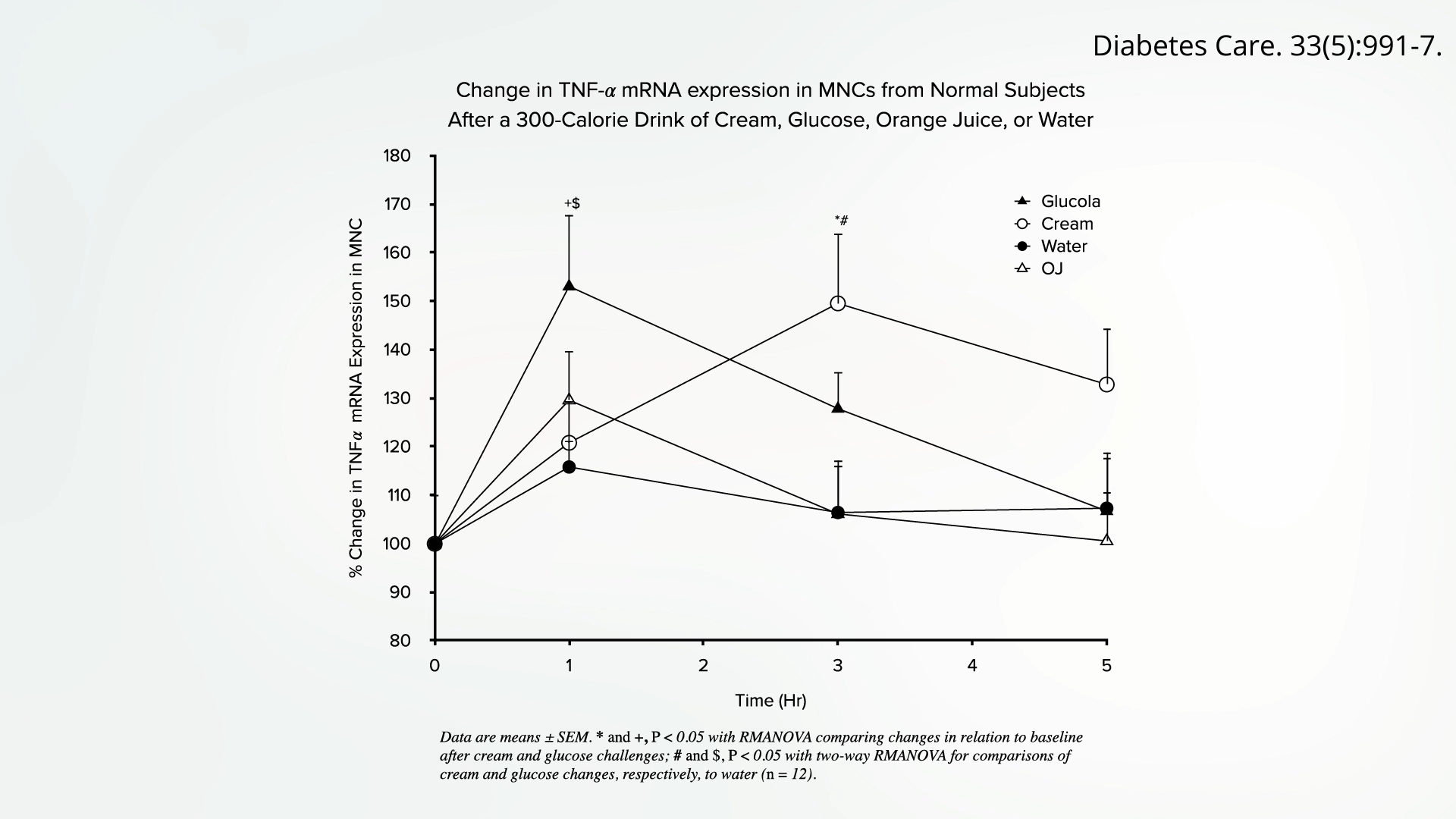
- Added Fats: Studies have shown that consuming pure fat, such as butter, can elicit a significant inflammatory response. This suggests that the type and quantity of fats consumed play a direct role in modulating inflammatory pathways. While some fats, particularly those found in whole plant foods, may have neutral or even beneficial effects, processed and saturated fats appear to be potent triggers.
- Added Sugars and Refined Carbohydrates: Similarly, the ingestion of sugar water, devoid of fat, has also been demonstrated to induce inflammation. This highlights the independent pro-inflammatory capacity of sugars. Refined carbohydrates, such as those found in white flour and processed baked goods, are rapidly digested into sugars, contributing to similar inflammatory responses. The combination of high fat and high refined carbohydrate/sugar content in many processed foods can therefore create a synergistic effect, amplifying the inflammatory impact.
Nuances in Dietary Inflammation: Not All Fats Are Equal
While the general consensus points to unhealthy fats and sugars as inflammatory triggers, it is important to acknowledge the nuances within dietary fat. Not all high-fat foods necessarily provoke an inflammatory response. Whole plant-based foods, such as nuts, have been the subject of extensive study. A comprehensive review of more than a dozen studies indicates that the consumption of nuts, even in substantial quantities (up to handfuls per day), does not lead to an increase in inflammatory markers.
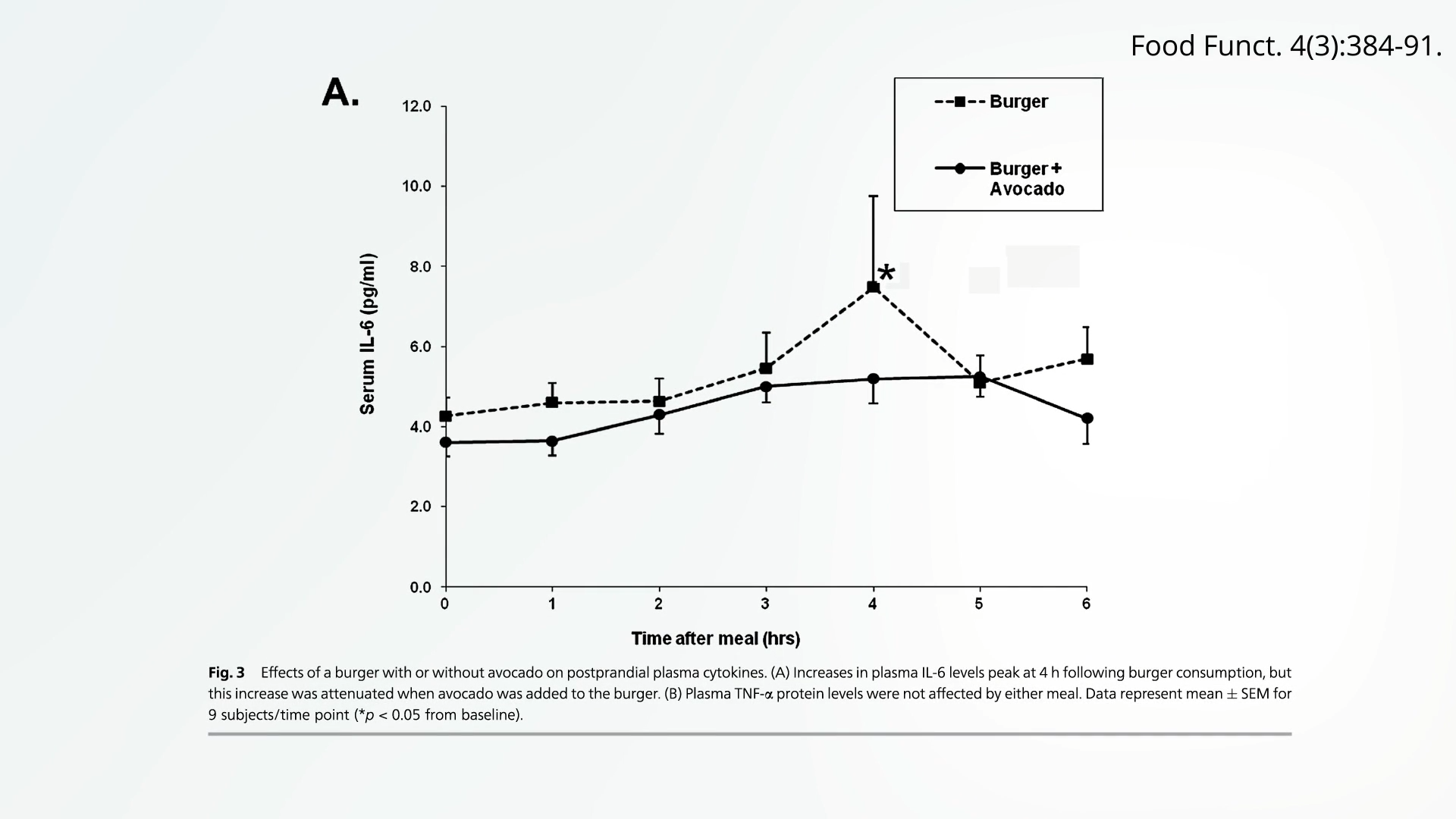
Furthermore, the inclusion of certain plant-based fats in meals can, in fact, help to mitigate the inflammatory effects of other food components. For instance, research suggests that consuming half an avocado alongside a beef burger, even lean beef, may help to dampen the inflammatory response typically associated with meat consumption. This protective effect could be attributed to the monounsaturated fats and other beneficial compounds present in avocados.
The Inflammatory Potential of Meat: Beyond Fat Content
The role of meat in inflammation is complex and has been a subject of ongoing research. While fatty cuts of meat are clearly associated with increased inflammatory markers like IL-6, tumor necrosis factor (TNF), and C-reactive protein (CRP), studies have also indicated that even very lean meats can elicit an inflammatory response.
Reviews comparing the inflammatory effects of wild game, which is exceptionally lean, to conventionally raised meat have suggested a potential reduction in inflammation with leaner options. However, this comparison is often made relative to store-bought meats, which can vary significantly in fat content. When individuals consume exceptionally fatty cuts of meat, the surge in inflammatory markers is pronounced and occurs within hours.
Intriguingly, research has also shown that even extremely lean meats, such as kangaroo steak, which has a fat profile comparable to elk or moose, can still trigger a significant inflammatory response shortly after consumption. This suggests that factors beyond just fat content, potentially including the heme iron in red meat or other bioactive compounds, may contribute to the pro-inflammatory nature of meat. While these lean game meats may be less inflammatory than some conventional meat options, they are not devoid of an inflammatory impact.
Broader Implications and Public Health Considerations
The findings regarding the rapid and significant impact of diet on inflammation have profound implications for public health strategies and individual dietary choices. Understanding that a single meal can initiate a cascade linked to serious chronic diseases underscores the importance of consistent adherence to anti-inflammatory dietary principles.
- Preventative Health: The research strongly supports the notion that dietary modifications can be a powerful tool for preventing chronic diseases. By consciously choosing foods that are known to be anti-inflammatory, individuals can proactively reduce their risk.
- Dietary Guidelines: These findings could inform future dietary guidelines, emphasizing not only the long-term effects of diet but also the immediate physiological responses to specific food choices.
- Personalized Nutrition: As our understanding of individual responses to different foods evolves, personalized nutrition approaches may become increasingly important in managing inflammation and preventing chronic illness.
The ongoing research in this field continues to shed light on the intricate relationship between what we eat and our body’s inflammatory status. The shift in understanding from chronic inflammation as solely a result of long-term dietary patterns to recognizing the acute inflammatory potential of single meals provides a more nuanced and actionable perspective on diet and health.
Looking Ahead: The Search for Anti-Inflammatory Foods
While the focus has been on identifying pro-inflammatory foods, the scientific community is also actively investigating foods that possess anti-inflammatory properties. The next phase of this discourse will likely explore which dietary components can actively counteract inflammation and promote a healthier internal environment. As research progresses, a comprehensive understanding of both sides of the dietary inflammation equation will empower individuals to make informed choices that contribute to long-term well-being and disease prevention. The journey towards optimal health is increasingly being recognized as one that is deeply intertwined with the food we choose to fuel our bodies with, meal by meal.






