admin
admin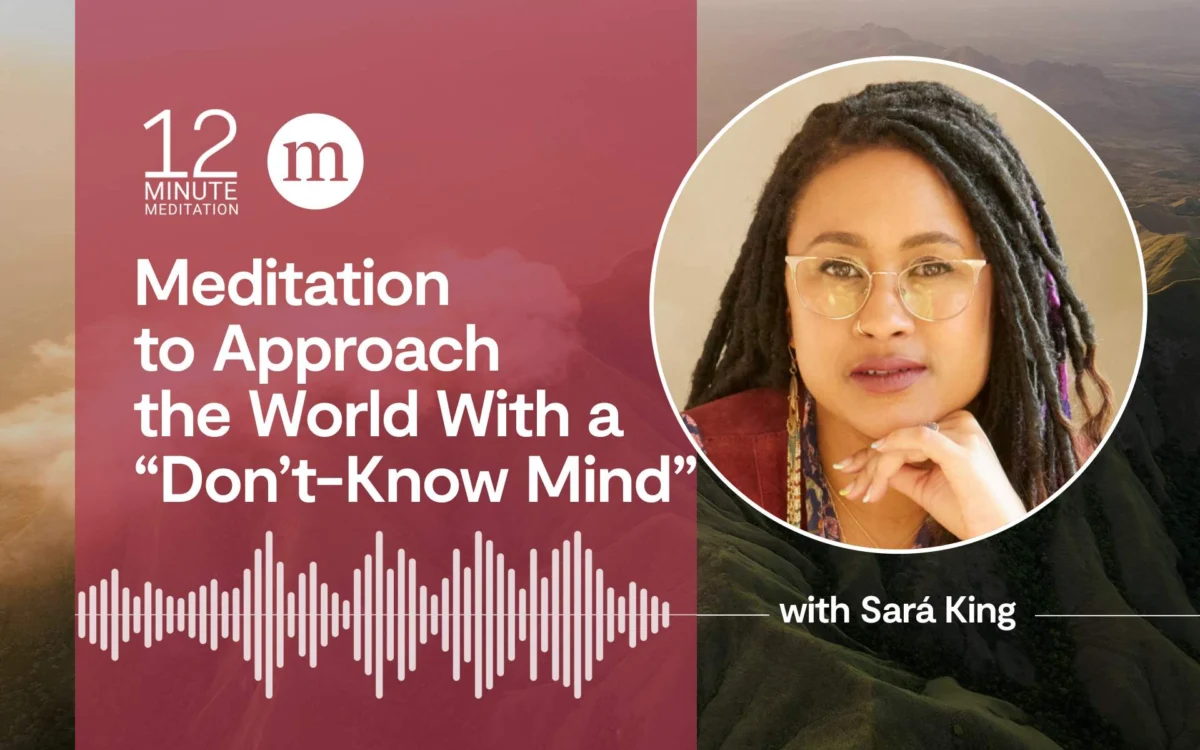
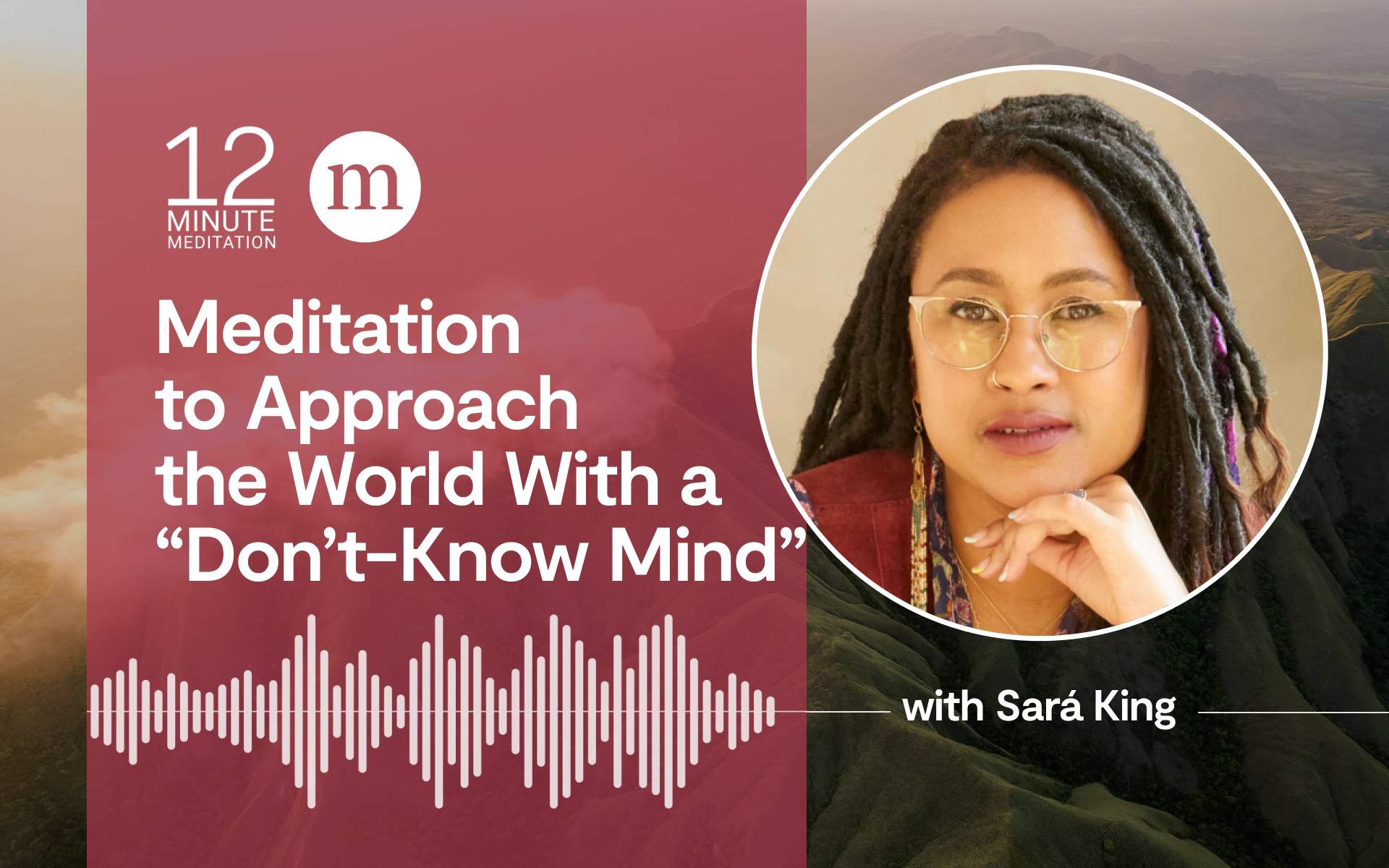
In an increasingly complex and unpredictable world, the human capacity to find strength and resilience often stems from a foundational sense of familiarity, which paradoxically serves as a launchpad for exploring the unfamiliar. This principle underpins a specific meditative approach advocated by Dr. Sará King, a distinguished neuroscientist, political and learning scientist, medical anthropologist, and certified meditation instructor. Her teachings emphasize that by establishing a supportive physical and mental base through deliberate posture in meditation, individuals can cultivate a "don’t-know mind"—a state of open-mindedness and receptivity crucial for navigating uncertainty and fostering well-being. This method represents a sophisticated synthesis of ancient wisdom and modern scientific understanding, offering a practical pathway to enhanced adaptability and resilience.
The Philosophical Roots of the "Don’t-Know Mind"
The concept of a "don’t-know mind" or "beginner’s mind" (Shoshin in Zen Buddhism) is a profound philosophical stance that encourages individuals to approach situations, ideas, and even their own thoughts without preconceptions or biases. It’s an invitation to shed expert knowledge and fixed opinions, embracing a state of genuine curiosity and openness, much like a beginner approaching a new subject. This isn’t an endorsement of ignorance but rather a conscious suspension of judgment and an active cultivation of receptivity. In practice, it means observing phenomena as they are, without immediately categorizing, evaluating, or projecting past experiences onto them. This approach stands in stark contrast to the human tendency to seek immediate answers, classify information, and operate within established mental frameworks, which, while efficient, can often limit perception and hinder creative problem-solving.
Historically, this principle has been a cornerstone of various contemplative traditions. Zen master Shunryu Suzuki famously wrote, "In the beginner’s mind there are many possibilities, but in the expert’s mind there are few." This highlights the liberating potential of letting go of assumed knowledge. In a rapidly evolving global landscape, where established paradigms are frequently challenged and new information emerges constantly, adopting a "don’t-know mind" becomes not merely a spiritual exercise but a vital cognitive tool for intellectual flexibility and emotional agility. It allows individuals to remain responsive and adaptable, preventing cognitive rigidity that can lead to stress and maladaptation when faced with novel challenges.
The Foundational Role of Meditative Posture
Dr. King’s meditation instruction begins with meticulous attention to posture, a seemingly simple but profoundly impactful element of practice. This focus on physical support is not merely about comfort; it is a deliberate strategy to create a stable, grounded foundation that directly influences mental states. A well-aligned and supported posture minimizes physical distractions and discomfort, allowing the practitioner to direct their attention inward with greater ease. More profoundly, the physical act of rooting oneself—whether through a stable seated position, a standing pose, or a comfortable reclined posture—sends signals to the nervous system that promote a sense of safety and security.
Neuroscientific research increasingly supports the connection between physical embodiment and psychological states. Studies in embodied cognition suggest that our physical experiences and postures significantly influence our thoughts, emotions, and perceptions. A stable posture can activate the parasympathetic nervous system, responsible for the "rest and digest" response, thereby reducing physiological arousal associated with stress and anxiety. This creates an optimal internal environment for cultivating a "don’t-know mind." When the body feels supported and at ease, the mind is less likely to be gripped by worry or distraction, enabling a deeper engagement with the present moment and a greater capacity for impartial observation. This physical grounding becomes the familiar anchor, providing the necessary resilience to venture into the unfamiliar territories of internal experience and external reality with an open, questioning mind.
Scientific Underpinnings of Mindfulness and Openness
The efficacy of mindfulness practices, including those that foster a "don’t-know mind," is increasingly validated by rigorous scientific inquiry. Research in fields such as cognitive neuroscience, psychology, and psychoneuroimmunology has illuminated the mechanisms through which meditation impacts brain structure and function, leading to tangible improvements in well-being.
Studies utilizing functional magnetic resonance imaging (fMRI) have shown that regular mindfulness practice can lead to measurable changes in brain regions associated with attention, emotional regulation, and self-awareness. For instance, the prefrontal cortex, vital for executive functions like decision-making and cognitive flexibility, often shows increased activity and connectivity. Concurrently, the amygdala, a key area involved in processing fear and stress responses, can exhibit reduced reactivity. These neural modifications contribute to an enhanced ability to observe thoughts and emotions without being overwhelmed by them, a critical component of the "don’t-know mind."
Furthermore, research indicates that mindfulness training can improve attention control, working memory, and cognitive flexibility. A meta-analysis published in Psychological Bulletin in 2012, for example, reviewed over 200 studies and concluded that mindfulness meditation significantly improves various cognitive functions. The "don’t-know mind," by its very nature, cultivates cognitive flexibility, allowing individuals to pivot their perspective and integrate new information more readily. This open stance can also reduce cognitive biases, such as confirmation bias, where individuals tend to seek out and interpret information in a way that confirms their existing beliefs. By suspending judgment, practitioners can approach information with greater objectivity, leading to more nuanced understanding and potentially better decision-making.
The physiological benefits extend beyond the brain, impacting systemic health. Research has demonstrated that mindfulness meditation can lower cortisol levels (the primary stress hormone), reduce inflammation, and even improve immune function. These systemic effects underscore the holistic nature of these practices, illustrating how mental cultivation translates into tangible physical resilience, making individuals better equipped to handle both psychological and physiological stressors.
Dr. Sará King: Bridging Science, Spirituality, and Social Justice
Dr. Sará King stands as a pivotal figure in the contemporary landscape of mindfulness, embodying a unique interdisciplinary approach that enriches the understanding and application of meditative practices. Her extensive academic background—spanning neuroscience, political and learning science, and medical anthropology—provides a robust framework for her work. This diverse expertise allows her to connect the dots between individual consciousness, community well-being, and broader societal structures, particularly concerning social justice.
Dr. King’s work emphasizes that mindfulness is not merely an individual pursuit but a powerful tool for fostering collective awareness and promoting equitable societies. Her research often explores the intersection of mindfulness, community alternative medicine, and social justice, examining how individual and collective awareness relates to overall well-being. This perspective is critical in an era marked by significant social divisions and systemic inequalities. By cultivating a "don’t-know mind," individuals may become more attuned to their own biases and assumptions, opening pathways to greater empathy and understanding towards others, particularly those from different backgrounds. This can, in turn, contribute to more constructive dialogue and collaborative action on social issues.
Her contributions extend to public speaking and instruction, making complex scientific and philosophical concepts accessible to a wider audience. Dr. King’s methodology, as exemplified by her focus on supportive posture, grounds abstract spiritual concepts in tangible, embodied experiences, making them more approachable and effective for diverse practitioners. Her influence is growing within academic circles and community outreach programs, where she advocates for integrating contemplative practices into educational curricula and public health initiatives as a means of fostering resilience and promoting social cohesion.
Navigating a World of Constant Flux: The Contemporary Relevance
The contemporary world is characterized by unprecedented levels of uncertainty, driven by rapid technological advancements, global pandemics, climate change, geopolitical instability, and economic volatility. In such an environment, the ability to cope with the unknown is no longer a luxury but a fundamental survival skill. The COVID-19 pandemic, as highlighted by Mindful.org’s founding editor Barry Boyce, served as a stark reminder of humanity’s profound interconnectedness and the delicate balance between personal independence and natural interdependence. The pandemic era, marked by widespread anxiety, grief, and disruption, underscored the urgent need for tools that promote mental resilience and adaptability.
The "don’t-know mind" offers a powerful antidote to the anxiety born of uncertainty. Instead of striving for control or definitive answers in situations where none exist, this approach encourages an acceptance of ambiguity. By consciously letting go of the need to "know" or predict, individuals can reduce the cognitive load associated with future-oriented worry and remain more present and responsive to immediate realities. This doesn’t imply passive resignation but rather an active, engaged presence that allows for flexible responses as circumstances unfold.
For instance, in professional settings, leaders adopting a "don’t-know mind" can foster more innovative and agile teams. Instead of imposing rigid solutions, they can encourage open dialogue, creative problem-solving, and a willingness to iterate and adapt. In personal life, this approach can help individuals navigate relationship challenges, career transitions, or health crises with greater equanimity, reducing the emotional distress that often accompanies unforeseen changes.
Fostering Interdependence and Collective Well-being
Barry Boyce’s observation regarding the balance between personal independence and natural interdependence resonates deeply with the philosophy of the "don’t-know mind." In a highly interconnected world, individual actions have ripple effects, and collective challenges demand collective solutions. A "don’t-know mind" can facilitate a deeper understanding of interdependence by fostering empathy and reducing ethnocentric biases.
When individuals approach others and complex social issues with an open, non-judgmental stance, they are more likely to listen actively, understand diverse perspectives, and appreciate the intricate web of relationships that define human society. This shift from an ego-centric to an eco-centric perspective is crucial for addressing global challenges that transcend national borders and individual interests. For example, tackling climate change requires a collective willingness to rethink established norms and embrace new, often uncomfortable, solutions—a task made easier by a population accustomed to approaching problems with a "don’t-know mind."
Dr. King’s emphasis on the relationship between individual and collective awareness is particularly pertinent here. By cultivating individual mindfulness and a "don’t-know mind," individuals contribute to a collective consciousness that is more resilient, compassionate, and capable of collaborative action. This collective well-being is not merely the sum of individual well-being but emerges from the synergistic interactions of individuals who are open, adaptable, and deeply aware of their interconnectedness.
Broader Implications for Society and Personal Growth
The implications of cultivating a "don’t-know mind" extend across numerous facets of society and personal development. In education, fostering this mindset can encourage lifelong learning, critical thinking, and intellectual humility among students. Rather than merely memorizing facts, students learn to question, explore, and synthesize information, preparing them for an ever-changing professional landscape. In healthcare, practitioners with a "don’t-know mind" might approach patient care with greater curiosity, considering alternative diagnoses or treatment pathways, and listening more intently to patients’ subjective experiences, leading to more holistic and personalized care.
For personal growth, embracing the "don’t-know mind" can lead to profound self-discovery. By observing internal experiences without immediate judgment or attachment, individuals gain deeper insight into their own thought patterns, emotional triggers, and core beliefs. This self-awareness is the bedrock of emotional intelligence and psychological maturity. It enables individuals to break free from habitual reactions, fostering a greater sense of agency and freedom in their lives.
In essence, the "don’t-know mind," anchored by a supportive meditative posture, is not about avoiding knowledge or expertise. Instead, it is a sophisticated meta-cognitive skill that allows individuals to utilize their knowledge more wisely, adapt to new information more effectively, and engage with the world with an ever-renewed sense of wonder and possibility. It is a powerful testament to how ancient contemplative practices, when informed by contemporary scientific understanding, can offer profound solutions to the challenges of modern existence, cultivating both individual resilience and collective flourishing. The ability to embrace the unknown, rather than fearing it, becomes the ultimate expression of human adaptability and strength.