 admin
admin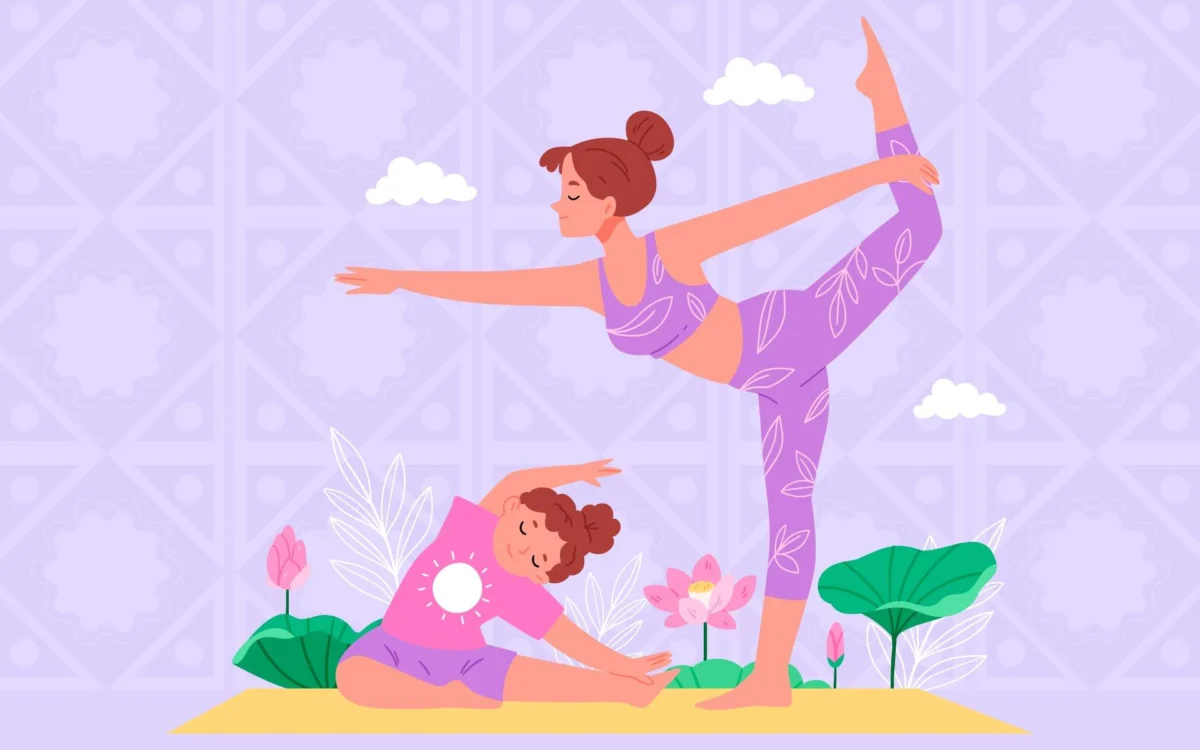
The journey into parenthood often brings with it a profound re-evaluation of personal priorities and daily routines, particularly for those committed to wellness practices such as yoga and mindfulness. While many individuals embark on parenthood with the sincere intention of maintaining their established regimens, the demanding realities of caring for an infant frequently present an unexpected challenge, leading to a significant disruption of previous personal wellness habits. The idealized vision of dedicated, hour-long studio sessions or quiet meditation often clashes with the unpredictable schedules, sleep deprivation, and constant demands of a newborn, leaving many parents feeling a sense of loss for their former practices. This phenomenon is not isolated but is a widely reported experience among new parents, highlighting a significant gap between wellness aspirations and the practicalities of family life.
The Modern Parental Paradox: Wellness Aspirations vs. Reality
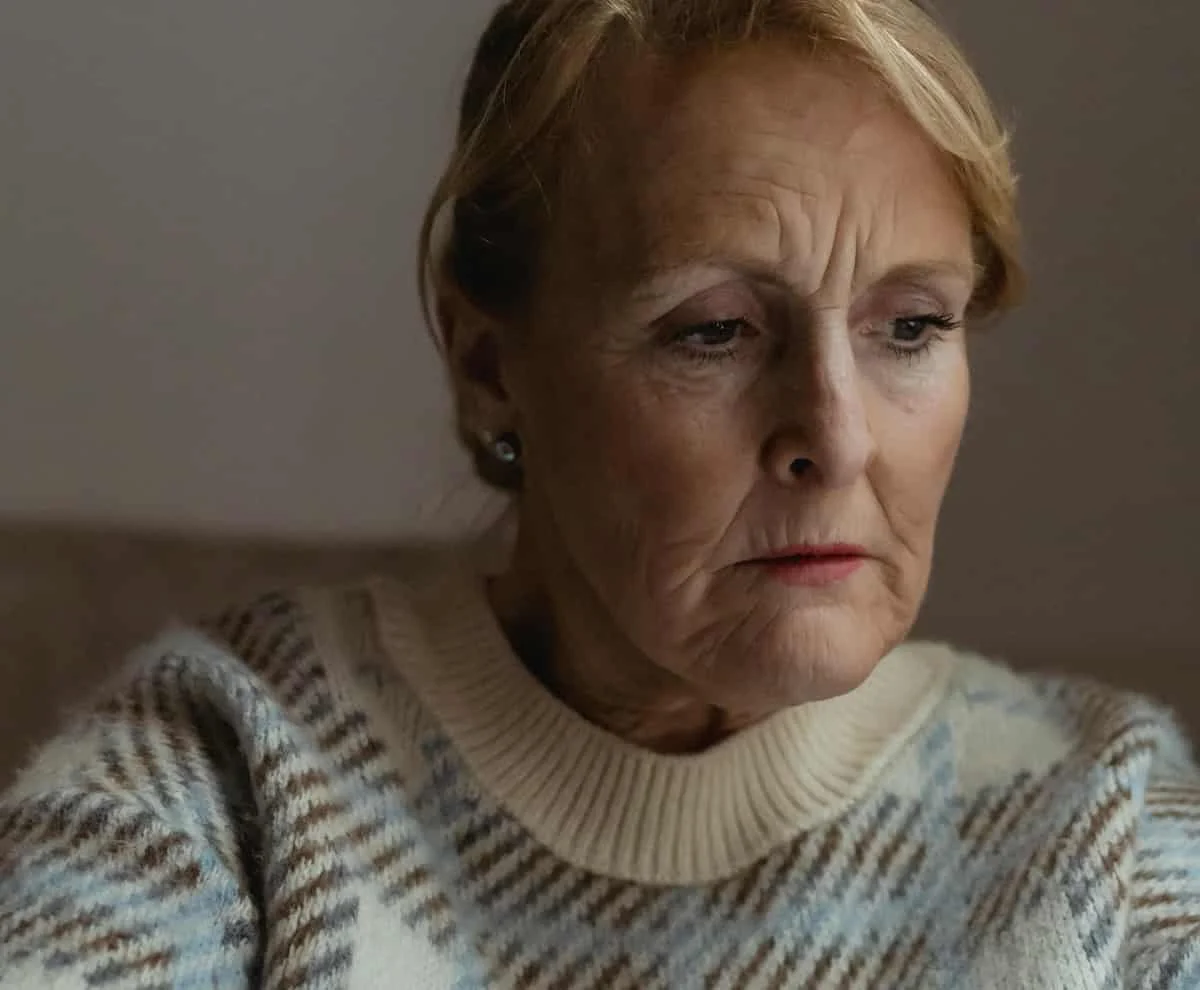
The initial months following childbirth are characterized by a profound shift in lifestyle. New parents, particularly primary caregivers, face an overwhelming array of responsibilities that often eclipse personal time. Studies by organizations such as the American Psychological Association frequently highlight elevated stress levels and burnout rates among parents, exacerbated by factors like sleep deprivation, financial pressures, and the constant mental load of childcare. For individuals accustomed to a structured yoga or meditation practice, this period can feel like a direct confrontation with their self-care values. Attempts to adapt, such as attending specialized baby yoga classes, often prove difficult, with the practicalities of feeding, soothing, and managing a baby consuming the intended practice time. Similarly, precious moments when an infant is asleep are frequently seized for much-needed rest or essential household tasks, leaving little energy or opportunity for a personal wellness routine that demands sustained focus and physical exertion.
This initial phase of mourning the loss of dedicated studio time, guided sequences, and the communal aspect of group classes is a common psychological response. It reflects a legitimate grief for a former sense of self and routine. However, as families gradually settle into a new rhythm, many parents find themselves at a crossroads: either abandon their wellness practices entirely or discover innovative ways to integrate them into their new reality. It is at this juncture that a transformative approach often emerges, not from a deliberate search for alternative methods, but from the sheer necessity of adapting.
The Shifting Paradigm: From Separate Practices to Integrated Well-being
A growing body of anecdotal evidence and emerging research suggests a paradigm shift in how parents approach personal wellness. Rather than viewing their yoga or mindfulness practice as a separate activity to be squeezed into a non-existent schedule, many are discovering the profound benefits of integrating these practices directly into their interactions with their children. This shift moves away from the traditional model of individual, isolated practice towards a more inclusive, family-centric approach to well-being. This evolution is not merely a compromise but represents a deepening of the practice itself, transforming everyday moments into opportunities for mindful engagement, movement, and presence.
This integrated approach often begins with simple, short sessions, such as meditating with a child on one’s lap, focusing on shared breath and presence. As children grow, these practices evolve naturally. Mimicking natural elements like trees or animals during outdoor play or zoo visits can become impromptu yoga sessions. Mindfulness can be cultivated during routine activities, such as swinging at a playground, by bringing conscious awareness to the present moment and fostering gratitude for shared experiences. The core insight emerging from this adaptive strategy is that consistent, albeit fragmented, engagement with mindfulness and movement, shared with children, can lead to a more profound and sustainable practice than isolated, longer sessions might have offered in the past. This redefines "practice" as an ongoing state of being rather than a scheduled event, making it more accessible and resilient to the demands of family life.
Expert Consensus: The Multifaceted Benefits of Shared Practices
Child development experts, psychologists, and wellness practitioners increasingly advocate for the integration of mindfulness and movement into family life, citing a wide array of benefits for both parents and children. This collaborative approach aligns with contemporary understandings of holistic development and family well-being.
-
Enhanced Parent-Child Connection: Shared mindfulness and movement activities foster stronger emotional bonds. When parents and children engage in activities like shared breathing or gentle stretching, they create moments of co-regulation and focused interaction that strengthen attachment and mutual understanding. Dr. Dan Siegel, a clinical professor of psychiatry and a prominent figure in interdisciplinary studies of the mind, often emphasizes the importance of "mindsight" and present moment awareness in developing secure attachment relationships. These shared practices provide direct avenues for cultivating such presence.
-
Cognitive and Emotional Development in Children: Research consistently demonstrates the positive impact of mindfulness and yoga on children’s cognitive and emotional development. A 2018 meta-analysis published in the Journal of Child and Family Studies found that mindfulness interventions significantly improved children’s attention, emotional regulation, and academic performance, while reducing anxiety and aggression. By learning to tune into their bodies and breath, children develop essential self-regulation skills, empathy, and resilience. Pediatricians and educational psychologists frequently recommend such practices to help children navigate stress, improve focus, and develop a healthy body image.
-
Parental Stress Reduction and Resilience: For parents, integrating wellness practices with their children offers a powerful antidote to stress and burnout. Instead of adding another item to a burgeoning to-do list, these practices leverage existing family time, transforming potential moments of overwhelm into opportunities for self-care. The act of guiding a child through relaxation or movement inherently prompts the parent to engage in the same practice, triggering the parasympathetic nervous system and promoting a sense of calm. The National Institute of Mental Health (NIMH) has long highlighted the importance of stress management techniques for adult mental health, and these integrated practices offer a practical, embedded solution for parents.
Practical Integration: Weaving Wellness into Daily Life
The key to sustaining wellness practices amidst the demands of family life lies in reframing "practice" as something adaptable and accessible, not confined to a specific time or place. Expert-recommended strategies demonstrate how everyday moments can be transformed into opportunities for mindfulness and movement, requiring no additional time commitment but rather a shift in perspective.
-
Morning Rituals: Gentle Beginnings: The moments immediately after waking, before the day’s demands take hold, offer a prime opportunity for gentle practice. Instead of rushing, parents can initiate two minutes of simple stretches in bed with their children. This could involve extending arms overhead, hugging knees to the chest, or gentle side-to-side twists. Presenting this as an invitation ("Want to stretch with me?") rather than an instruction encourages participation and models the choice of movement and breath as a positive start to the day. Incorporating a brief gratitude practice, such as sharing one positive thought or expressing thanks for a cozy bed, further enhances this ritual, setting a tone of appreciation. Children often mirror this behavior, learning to begin their day with a sense of calm and thankfulness.
-
Mindful Transitions: Harnessing Waiting Periods: Waiting is an unavoidable aspect of life with children – at bus stops, doctor’s offices, or in school pick-up lines. These often-idle moments can be repurposed as opportunities for mindfulness. Instead of resorting to digital distractions, families can engage in sensory awareness games. Questions like "What do you hear right now?" or "What’s different today than yesterday?" encourage active observation of the environment. This practice cultivates present-moment awareness, helping children develop observational skills and teaching both parent and child to appreciate the subtle nuances of their surroundings, transforming potentially frustrating waits into moments of shared discovery.
-
Conscious Breathing: A Foundational Practice: The power of intentional breath can be harnessed anywhere, anytime. Before transitions at home, during car rides, in lines, or even walking into appointments, practicing simple conscious breathing can regulate the nervous system. A basic technique involves inhaling for four counts and exhaling for four counts, shared together. This accessible practice requires no special equipment or setting and can be seamlessly integrated into daily routines. The consistency of these small, shared breathing moments helps children internalize the practice, often leading them to spontaneously utilize it or even prompt their parents to breathe deeply during stressful moments, illustrating the profound impact of modeling.
-
Dynamic Movement: The "Shift and Re-center" Approach: Short, impromptu yoga poses can be powerful tools for shifting energy and mindset. This "drop and roll" game involves spontaneously moving into a yoga posture when a change in mood or perspective is needed. For instance, restless children in a grocery store might be invited to "drop into downward dog" in an available aisle. Addressing a challenging problem at home might prompt a suggestion for "tree pose to think differently while we balance." Chaotic energy before dinner can be diffused by asking everyone to "drop into child’s pose for ten breaths." Movement inherently alters physical and mental states, teaching children and adults alike that a quick shift in bodily posture can lead to a new perspective and a return to center.
-
Evening Wind-Downs: Cultivating Calm: Bedtime, a routine time for many families, presents a natural window for quiet reflection and relaxation. After stories and tucking in, a simple body scan or guided visualization can be introduced. Guiding children to imagine themselves as a "starfish floating in warm water," feeling their limbs become heavy and soft, helps them relax. This practice, while primarily for the child, simultaneously impacts the parent’s nervous system, promoting a settling effect, slowing the breath, and offering mental rest after a busy day. It transforms an existing parenting task into a reciprocal meditation practice.
-
Travel and Adaptability: Wellness on the Go: Travel often involves confined spaces and disrupted routines, creating ideal conditions for adaptable yoga and mindfulness practices. Hotel rooms can become impromptu studios for playful animal poses. Airport waits offer opportunities for seated twists and neck rolls. Even rest stops during car journeys can facilitate shoulder shrugs and gentle stretches. Reframing "practice" as something that can occur anywhere liberates individuals from waiting for perfect, often elusive, conditions. This adaptability teaches children flexibility and resilience, while ensuring parents maintain a connection to their physical and mental well-being, even amidst the stresses of travel.
-
Service and Compassion: Extending Yoga Beyond the Mat: The principles of yoga extend far beyond physical postures and breathwork; they encompass ethical conduct and selfless service, known as karma yoga. Integrating acts of service into family life teaches children compassion, generosity, and community engagement. Volunteering at a food bank, assisting an elderly neighbor, creating cards for nursing home residents, or participating in community clean-up days are tangible ways to embody these values. A family pajama drive, collecting and delivering new pajamas to less fortunate children, exemplifies how sustained acts of service become deeply meaningful components of a shared "yoga lifestyle." When children observe parents modeling a lifestyle that prioritizes compassion and contribution, they learn that yoga is a way of being, not merely an activity. This communal practice of service not only enriches the lives of others but also deepens the internal practice of all family members, moving wellness into the realm of lived experience and societal impact.
Long-Term Impact and Societal Implications
The integration of mindfulness and movement into family life carries significant long-term implications, extending beyond individual well-being to influence family dynamics and broader societal health. This approach fosters a generation of children equipped with robust emotional regulation skills, increased empathy, and a proactive attitude towards their own physical and mental health. For parents, it cultivates a more sustainable and authentic wellness journey, reducing the likelihood of burnout and enhancing overall life satisfaction.
From a societal perspective, a wider adoption of these integrated family wellness practices could contribute to stronger community bonds and a greater emphasis on holistic health. Children raised with an ingrained understanding of mindfulness, gratitude, and service are more likely to become resilient, compassionate, and engaged citizens. This approach subtly redefines success, shifting the focus from purely external achievements to internal balance and meaningful connection. By demonstrating that presence, breath, and movement are integral to daily existence, rather than separate disciplines, families contribute to a culture that values well-being as a continuous, accessible state.
Conclusion: The Enduring Power of Presence
Ultimately, what children require most from their caregivers is not perfection in their wellness practices, but consistent presence. By consciously integrating simple practices of breath, movement, and mindfulness into everyday family interactions, parents inadvertently create a robust and authentic personal practice that is deeply woven into the fabric of their lives. This adaptive journey illustrates that true practice is not confined to a studio or a specific hour but thrives within the dynamic, often unpredictable, rhythm of family life. It evolves with the child’s growth, finding expression in shared morning stretches, mindful waits, spontaneous movements, and collective acts of service. The essence of wellness, as taught by the natural presence and unadulterated joy of children, lies not in separating practice from life, but in recognizing that practice was always meant to be an inseparable, enriching thread within it.