 admin
admin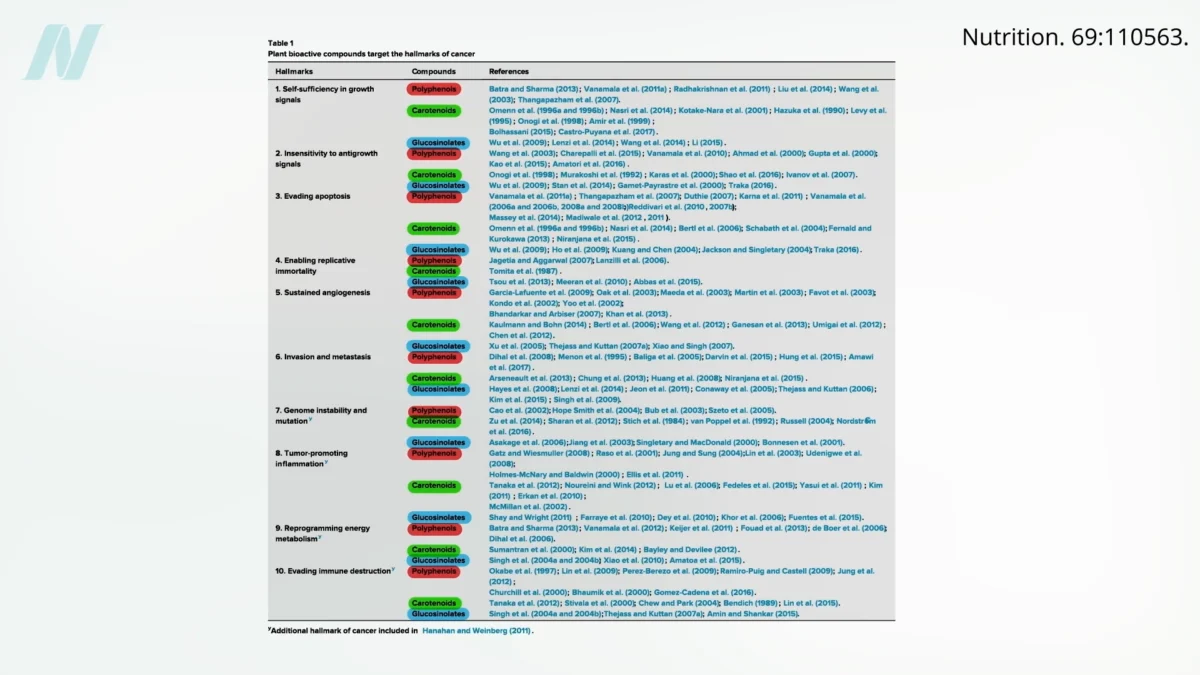
The long-standing "war on cancer," declared by President Richard Nixon in 1971, has yielded significant advancements in treatment, yet the mortality rates for many common cancers in the United States remain stubbornly high. This enduring challenge prompts a critical re-evaluation of our approach, with a growing body of scientific evidence suggesting that the foundational strategy for cancer prevention lies not in pharmaceutical interventions, but in the power of plant-based nutrition.
For nearly five decades, the predominant focus of cancer research has been on developing cures rather than on robust prevention strategies. This imbalance, critics argue, has contributed to the persistent burden of cancer deaths. The prevailing perception of cancer as an abrupt onset of illness, marked by the detection of a lump or symptoms, is a significant mischaracterization. Experts emphasize that many common epithelial cancers, including lung, colorectal, breast, prostate, pancreas, and ovarian cancers – responsible for the majority of cancer fatalities – have a protracted latency period, often spanning two decades or more. This means that a diagnosis of invasive cancer is the culmination of a long-developing process, not an overnight affliction. The notion that individuals are "healthy" until symptomatic is a dangerous illusion; a smoldering fire within a barn, though not yet ablaze, is far from safe.
The Pharmaceutical Approach to Prevention: Chemoprevention and Its Limitations
In response to the persistent cancer burden, the concept of chemoprevention – the use of drugs to prevent cancer – has gained traction, mirroring the pharmaceutical industry’s substantial investment in preventative medications for cardiovascular diseases, such as statins and blood thinners. The rationale suggests that if daily medication can mitigate risks for heart disease and stroke, a similar approach could be applied to cancer. However, this strategy faces inherent challenges, particularly when considering the multifaceted nature of cancer development.
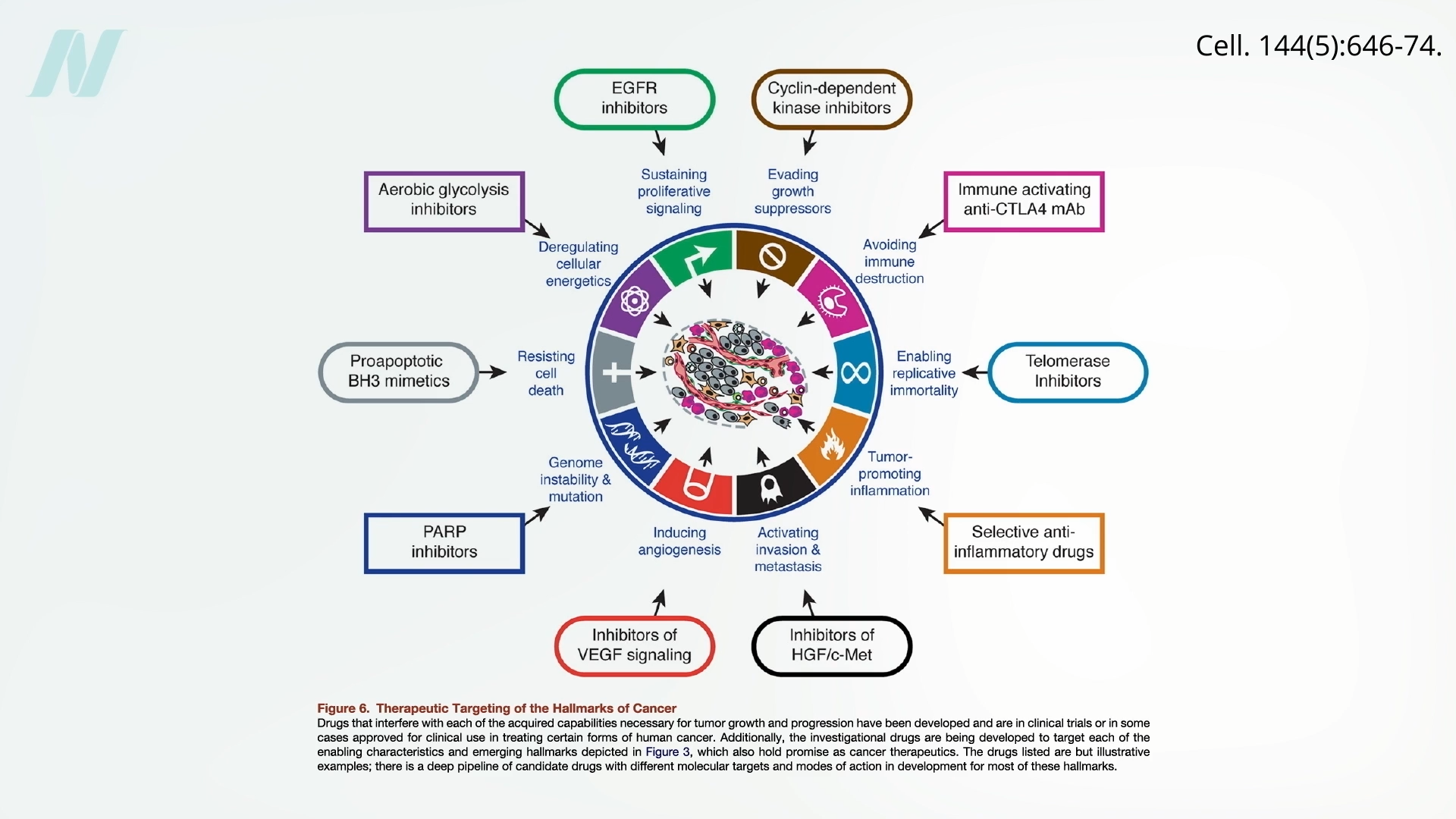
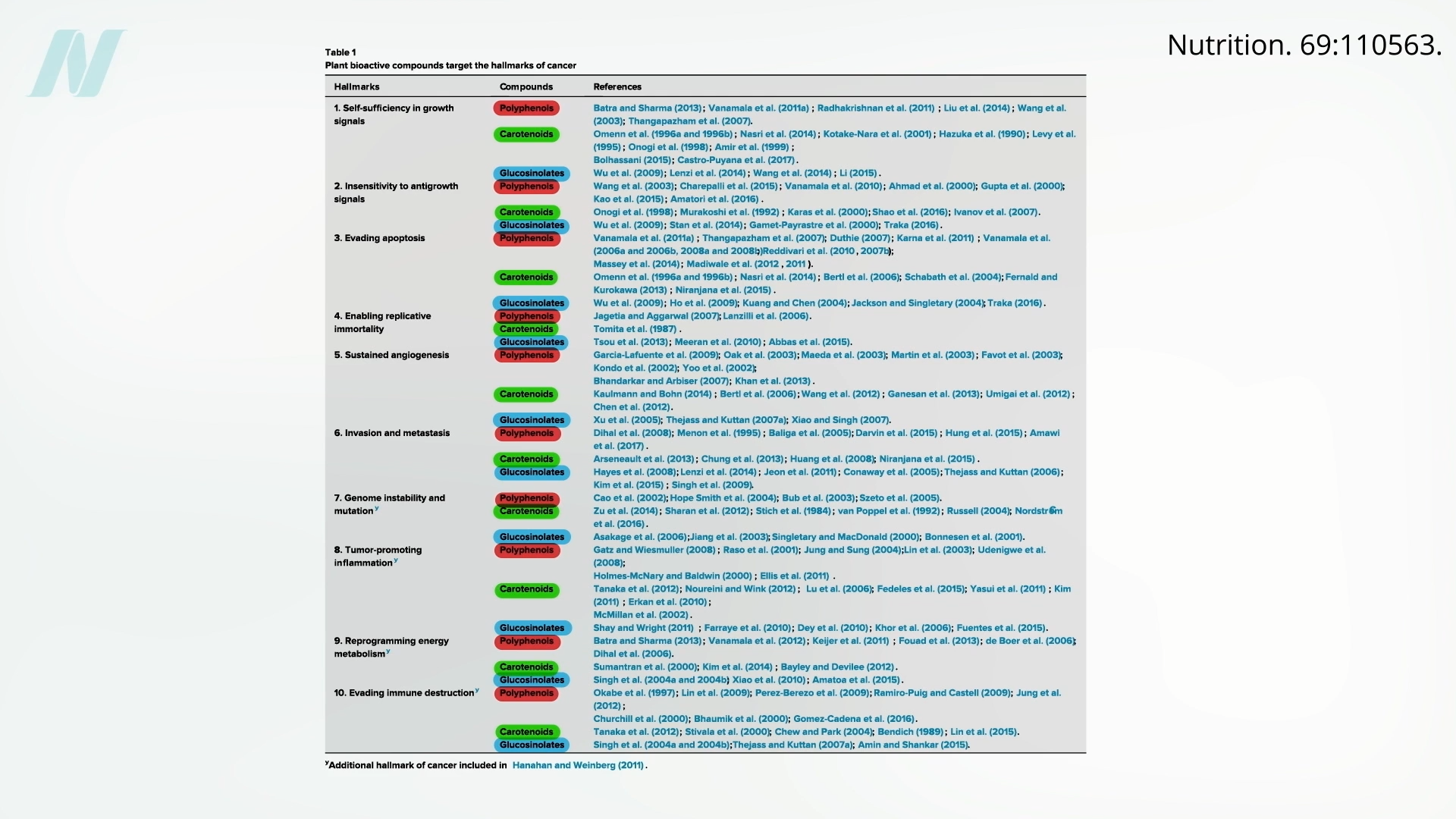
Cancer is not a singular disease but rather a complex collection of over 200 distinct types. Despite this diversity, scientific consensus has identified ten core "hallmarks" that are common to virtually all cancers. These hallmarks, elucidated in seminal research cited tens of thousands of times in the biomedical literature, represent the fundamental capabilities that cancer cells acquire to grow, proliferate, and spread. They include sustaining proliferative signaling, evading growth suppressors, resisting cell death, enabling replicative immortality, inducing angiogenesis, activating invasion and metastasis, reprogramming energy metabolism, evading immune destruction, tumor-promoting inflammation, and genome instability and mutation.
While pharmaceutical companies are developing classes of drugs to target individual hallmarks, the inherent complexity of cancer poses a significant hurdle. Ideally, a preventative agent would address multiple hallmarks simultaneously. However, the development of drugs with such broad-spectrum efficacy is a formidable challenge. This need to target multiple facets of cancer development is precisely why researchers are increasingly turning their attention to plant-based foods.

The Power of Plants: A Synergistic Approach to Cancer Prevention
Plant foods offer a compelling alternative and complementary strategy to chemoprevention. They are rich in a diverse array of bioactive compounds that can work synergistically to target multiple hallmarks of cancer. This concept of "food synergy" posits that the combined effect of various compounds within whole foods can be greater than the sum of their individual parts.
Consider the evidence: research has identified numerous compounds found in fruits and vegetables – such as those present in berries, leafy greens, and broccoli – that demonstrate the ability to target each of the ten hallmarks of cancer, at least in laboratory settings. Unlike pharmaceutical interventions, which often focus on single active ingredients, whole plant foods deliver a complex cocktail of phytochemicals, vitamins, minerals, and fiber, each contributing to a multifaceted defense against cancer development.
The ideal chemopreventive agent would possess several key characteristics: selectivity for cancerous or precancerous cells while sparing healthy ones, freedom from side effects, broad applicability across various cancer types, convenience for daily consumption, widespread availability, and affordability. Plant-based foods, when consumed as part of a whole-food diet, remarkably meet all these criteria. This aligns with epidemiological observations showing a correlation between higher consumption of plant-based foods and lower cancer rates globally.
A Paradigm Shift: From Reductionism to Whole Foods
For decades, nutritional science has often adopted a reductionist approach, focusing on the impact of single dietary components or isolated nutrients. While this methodology has been instrumental in uncovering the roles of specific foods or vitamins in disease, it may overlook the intricate interplay of thousands of substances within whole plant foods. The study of food synergy offers a more holistic perspective, recognizing that the benefits of plant-based diets may arise from the complex interactions of various bioactive compounds.
A compelling study illustrating this principle involved the simultaneous inhibition of multiple cancer stages in breast cancer cells. Researchers treated two breast cancer cell lines with six different plant compounds individually, and then in combination, at concentrations typically found in the bloodstream after consuming foods like broccoli, grapes, soybeans, and turmeric. Individually, these compounds showed limited efficacy. However, when administered together, they dramatically suppressed breast cancer cell proliferation by over 80%, inhibited invasion and migration, halted cell progression, and ultimately induced cell death. Crucially, these effects were achieved without any detrimental impact on normal, noncancerous cells used as controls. This research powerfully underscores the potential of plant-derived compounds, working in concert, to combat cancer at multiple levels.
The Global Consensus: Plants as the Foundation of Cancer Prevention
The World Cancer Research Fund (WCRF), a leading authority on diet, nutrition, and cancer, has consistently emphasized the central role of diet in cancer prevention. Based on extensive reviews of scientific literature, including the most comprehensive reports on diet and cancer ever published, WCRF’s recommendations highlight that the foundation of cancer prevention is not found in pills, but in plants.
This global perspective advocates for a dietary pattern characterized by reduced consumption of alcohol, sugary drinks, red and processed meats, and processed junk foods. Instead, the emphasis is placed on centering the diet around whole grains, a wide variety of vegetables, fruits, and legumes. This dietary shift is supported by a robust body of evidence suggesting its efficacy in reducing the risk of developing various cancers.
Historical Context and Evolving Research
The scientific exploration into the link between diet and cancer prevention has a long history. Early epidemiological studies in the mid-20th century began to observe correlations between dietary patterns and cancer incidence across different populations. These observations spurred further research into specific dietary components and their potential protective effects.
The identification of the "hallmarks of cancer" in the early 2000s provided a crucial framework for understanding the molecular mechanisms underlying cancer development. This led to a more targeted approach in both pharmaceutical and nutritional research, aiming to identify interventions that could disrupt these fundamental cancer-promoting processes.
The "war on cancer" initiative, launched in 1971 with a significant increase in federal funding for cancer research, initially focused heavily on understanding the genetic and molecular basis of cancer and developing treatments like chemotherapy and radiation. While these efforts have saved countless lives, the persistent challenge of cancer prevention highlighted the need for a more comprehensive strategy.
Implications for Public Health and Policy
The growing body of evidence supporting plant-based diets for cancer prevention has significant implications for public health initiatives and policy. Shifting the focus from solely curative approaches to robust prevention strategies, grounded in dietary interventions, could lead to substantial reductions in cancer incidence and mortality.
This necessitates a multi-pronged approach:
- Public Education Campaigns: Educating the public about the benefits of plant-based diets for cancer prevention is crucial. This includes dispelling myths about nutrition and cancer and providing clear, actionable guidance.
- Healthcare Provider Training: Ensuring that healthcare professionals are well-informed about the role of diet in cancer prevention and can effectively counsel patients is essential.
- Policy Interventions: Policies that support access to affordable, healthy plant-based foods, such as subsidies for fruits and vegetables or restrictions on the marketing of unhealthy foods, could have a profound impact.
- Research Funding: Rebalancing research funding to prioritize studies on diet and cancer prevention, particularly those investigating the synergistic effects of whole foods, is vital.
Looking Ahead: A Future Rooted in Plants
The scientific community’s understanding of cancer is continuously evolving. While pharmaceutical interventions will undoubtedly continue to play a role in cancer treatment, the foundational strategy for preventing this complex disease appears increasingly clear. The evidence strongly suggests that a diet rich in whole plant foods offers a powerful, accessible, and sustainable approach to reducing cancer risk. By embracing the wisdom of nature and prioritizing plants over pills, we can move closer to effectively combating the pervasive threat of cancer and fostering a healthier future for all. The shift towards a food system-based approach, emphasizing whole foods and their synergistic properties, represents a promising frontier in the ongoing battle against cancer, offering hope for a future where prevention takes center stage.