 admin
admin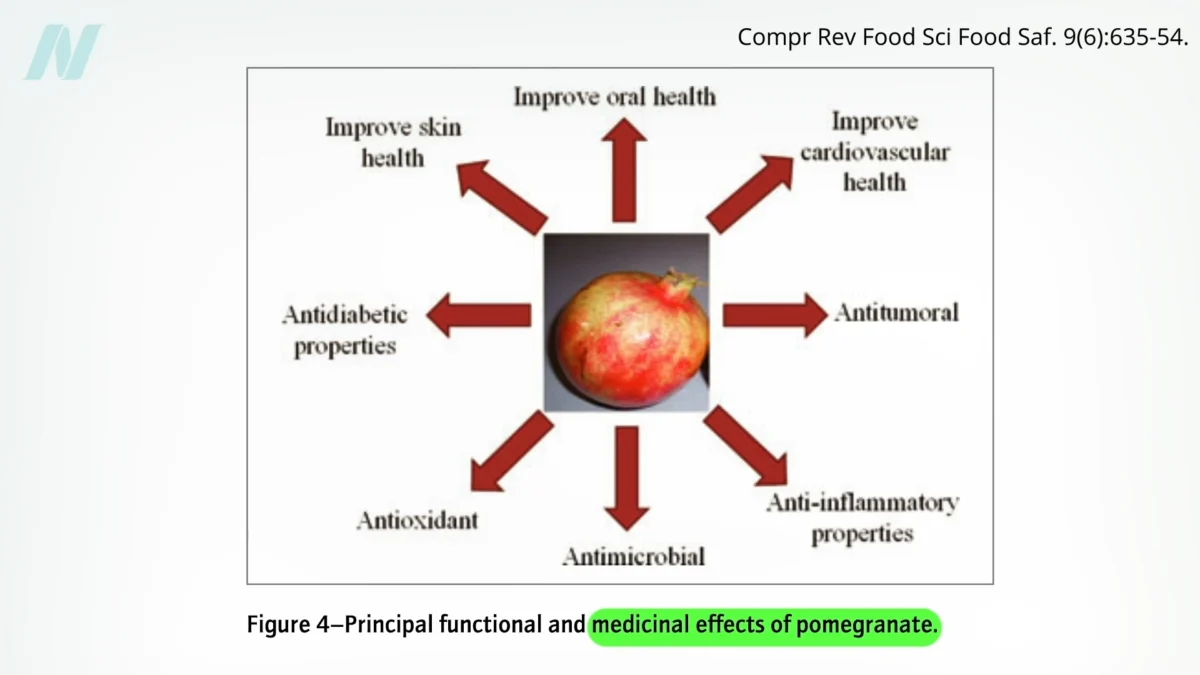
Pomegranates, a fruit lauded for its vibrant color and rich history, have long been associated with a myriad of health benefits. From claims of aiding weight loss and managing diabetes to offering protection against serious diseases like prostate cancer and alleviating symptoms of osteoarthritis and rheumatoid arthritis, the pomegranate has been positioned as a veritable superfood. However, a closer examination of the scientific literature, coupled with significant legal battles concerning marketing claims, reveals a more nuanced picture, highlighting the critical distinction between laboratory findings and real-world human efficacy. This investigation delves into the evidence, dissects the controversies, and explores the evolving understanding of the pomegranate’s therapeutic potential.
The POM Wonderful Legal Saga: A Landmark Case in Health Claims
The marketing of pomegranate products has not been without its challenges. A pivotal moment in the discourse surrounding pomegranate’s health benefits came with the protracted legal battle between POM Wonderful, a prominent pomegranate juice company, and the Federal Trade Commission (FTC). This dispute, which reached the U.S. Court of Appeals and was ultimately denied review by the Supreme Court, centered on allegations that POM Wonderful made unsubstantiated and misleading claims about its products’ ability to treat or prevent a range of serious medical conditions.
The FTC’s case argued that many of POM Wonderful’s advertisements touted medical studies to suggest that daily consumption of their pomegranate juice could serve as a treatment or preventative measure for ailments such as heart disease, prostate cancer, and erectile dysfunction. The legal proceedings culminated in a ruling by a panel of judges who concluded that a significant portion of POM Wonderful’s advertising was indeed false or misleading. Crucially, the court affirmed that the U.S. First Amendment does not extend protection to deceptive advertising practices. This landmark decision, reported to be a substantial blow to the company’s billionaire owners, established a critical precedent: substantiating claims of treating or preventing disease would henceforth require robust evidence, at minimum, from at least one randomized clinical trial. This ruling underscored the FTC’s commitment to protecting consumers from potentially harmful health misinformation.
Examining the Scientific Landscape: From Laboratory Promise to Human Reality
While the legal battles shed light on the commercial exploitation of health claims, the scientific community has also been actively investigating the pomegranate’s potential. Numerous scientific reviews and meta-analyses have explored the fruit’s purported medicinal effects. These often showcase diagrams illustrating the complex array of bioactive compounds found in pomegranates, such as polyphenols and antioxidants, and their potential mechanisms of action.

However, a deeper dive into the underlying research often reveals that initial promising results were derived from studies conducted in laboratory settings or on animal models, which may not directly translate to human health outcomes. For instance, studies touting the "antiobesity effects of pomegranate leaf extract in a mouse model" raise immediate questions about their applicability to human dietary practices. The consumption of pomegranate leaves is not a common human practice, and extrapolating findings from mice to humans requires extreme caution.
Weight Management: Unsubstantiated Hopes
When examining the effect of pomegranate consumption on human weight, the evidence from randomized controlled trials (RCTs) – the gold standard for human health research – paints a different picture. A comprehensive review of these trials indicates that pomegranates have shown no significant impact on key weight-related metrics such as body weight, Body Mass Index (BMI), abdominal fat, or overall body fat percentage in individuals randomized to consume pomegranate products. This suggests that while pomegranates are a healthy addition to a balanced diet, they are unlikely to be a standalone solution for weight loss.
Cardiovascular Health: Limited Clinical Evidence
Similarly, the widely promoted benefits of pomegranates for cardiovascular health have faced scrutiny. Researchers have meticulously reviewed numerous clinical trials investigating the impact of pomegranate consumption on cholesterol levels, blood pressure, arterial function, the formation of atherosclerotic plaque, and platelet function. Despite the theoretical potential attributed to the fruit’s antioxidant and anti-inflammatory properties, these extensive reviews have largely failed to find significant, consistent indications of benefit across the board, even in the most well-designed studies.
Erectile Dysfunction: A Promising Lead Unfulfilled
POM Wonderful itself funded a study exploring the potential of pomegranate juice in treating erectile dysfunction. However, this research, like many others, did not yield the anticipated positive results, failing to demonstrate a significant therapeutic effect.
Diabetes and COPD: Insufficient Evidence of Efficacy
Further research into the effects of pomegranate consumption on diabetes markers has also yielded disappointing results, with several studies finding no discernible benefit. Likewise, investigations into its impact on chronic obstructive pulmonary diseases (COPD), such as emphysema, have not supported claims of therapeutic efficacy. The initial optimism often stemmed from observed antioxidant activity in vitro (in test tubes or petri dishes), but this activity does not always translate to measurable benefits in the human body.
Antioxidant Capacity and Absorption Challenges
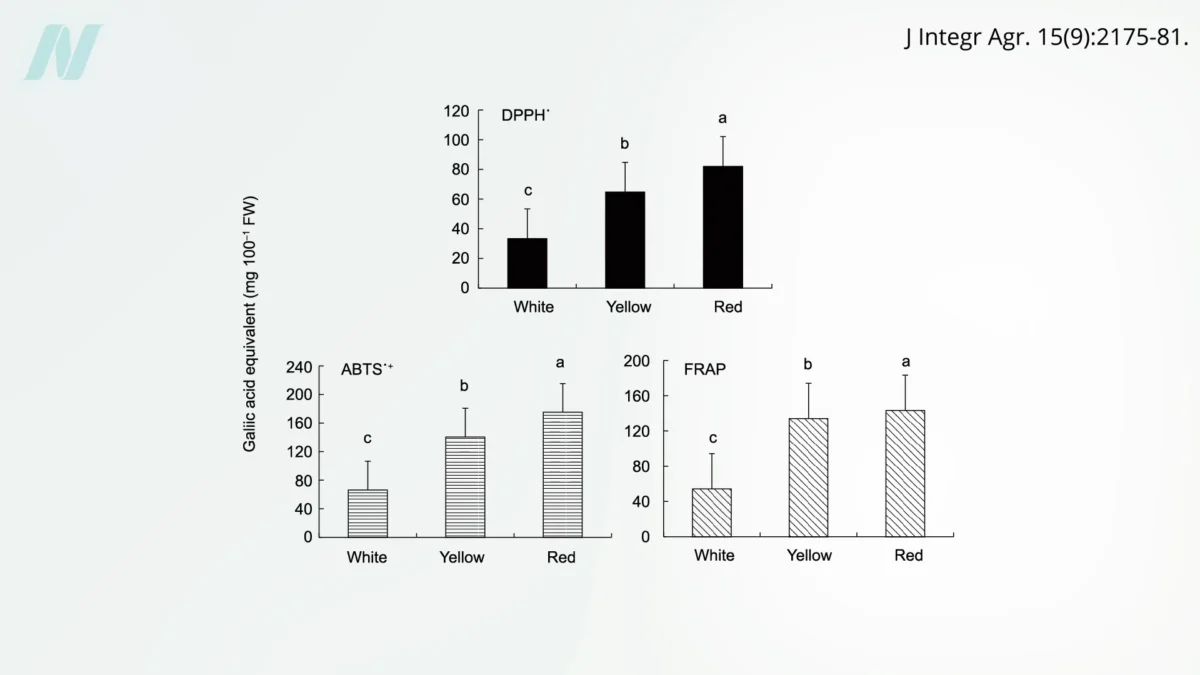
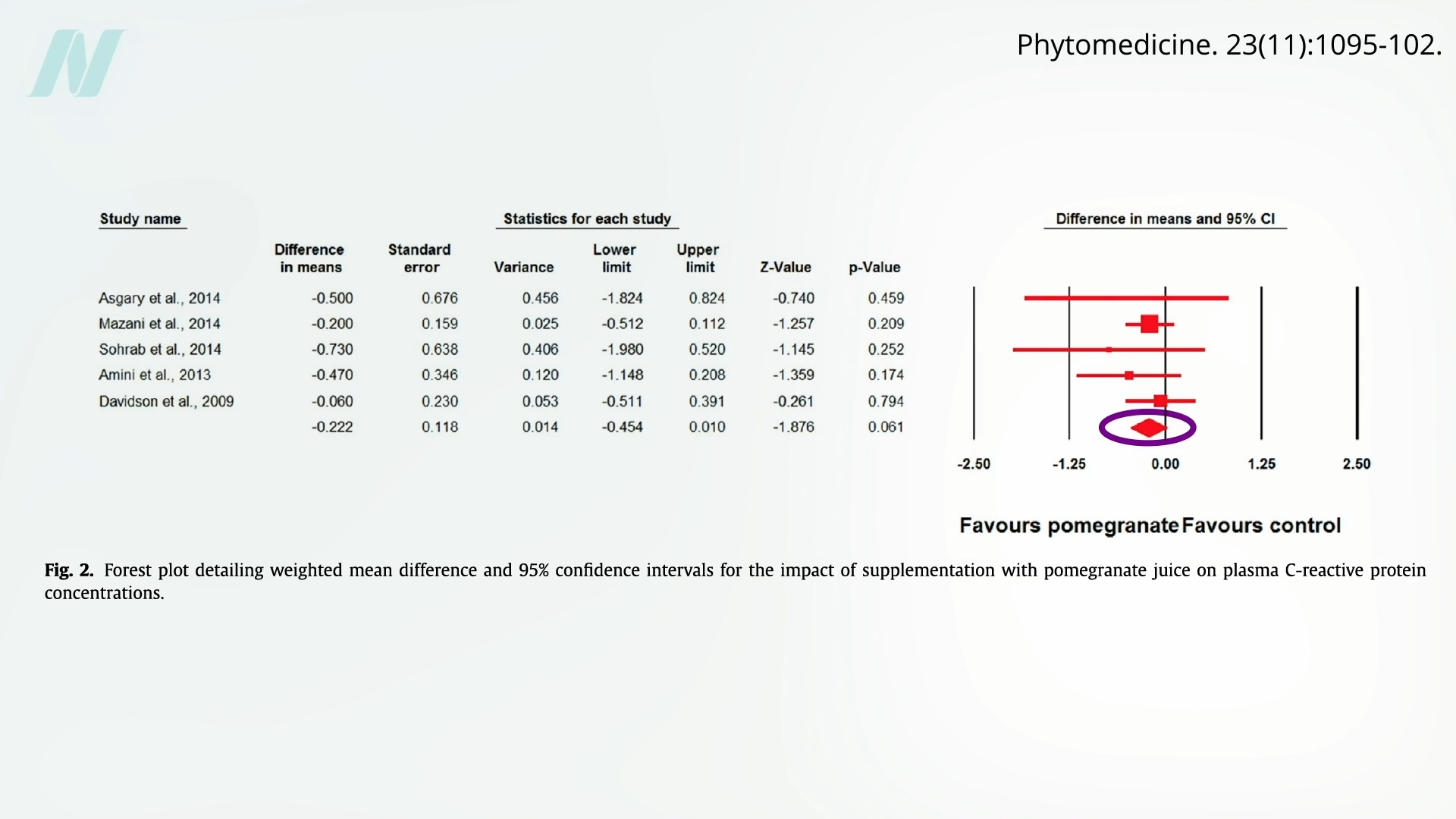
A critical aspect of pomegranate’s potential health benefits lies in its rich antioxidant profile. However, a meta-analysis of data from multiple randomized controlled trials revealed that pomegranate intake did not significantly increase the total antioxidant capacity in the bloodstream. This lack of effect is partly attributed to the fact that some of the most potent antioxidants present in pomegranates may not be effectively absorbed into the human body. This absorption challenge is a recurring theme that complicates the direct translation of in vitro findings to clinical outcomes. The implications for conditions like prostate cancer are significant, as studies have shown no impact on oxidative stress in tissue samples from prostate cancer patients, raising questions about the active components reaching their target sites.
Prostate Cancer: Promising Early Signs, Unconfirmed Clinical Results
The most robust evidence for pomegranate’s anticancer activity has historically been associated with prostate cancer. Early laboratory and animal studies suggested promising effects. However, as research progressed to human trials, these initial optimistic findings have not been consistently confirmed.
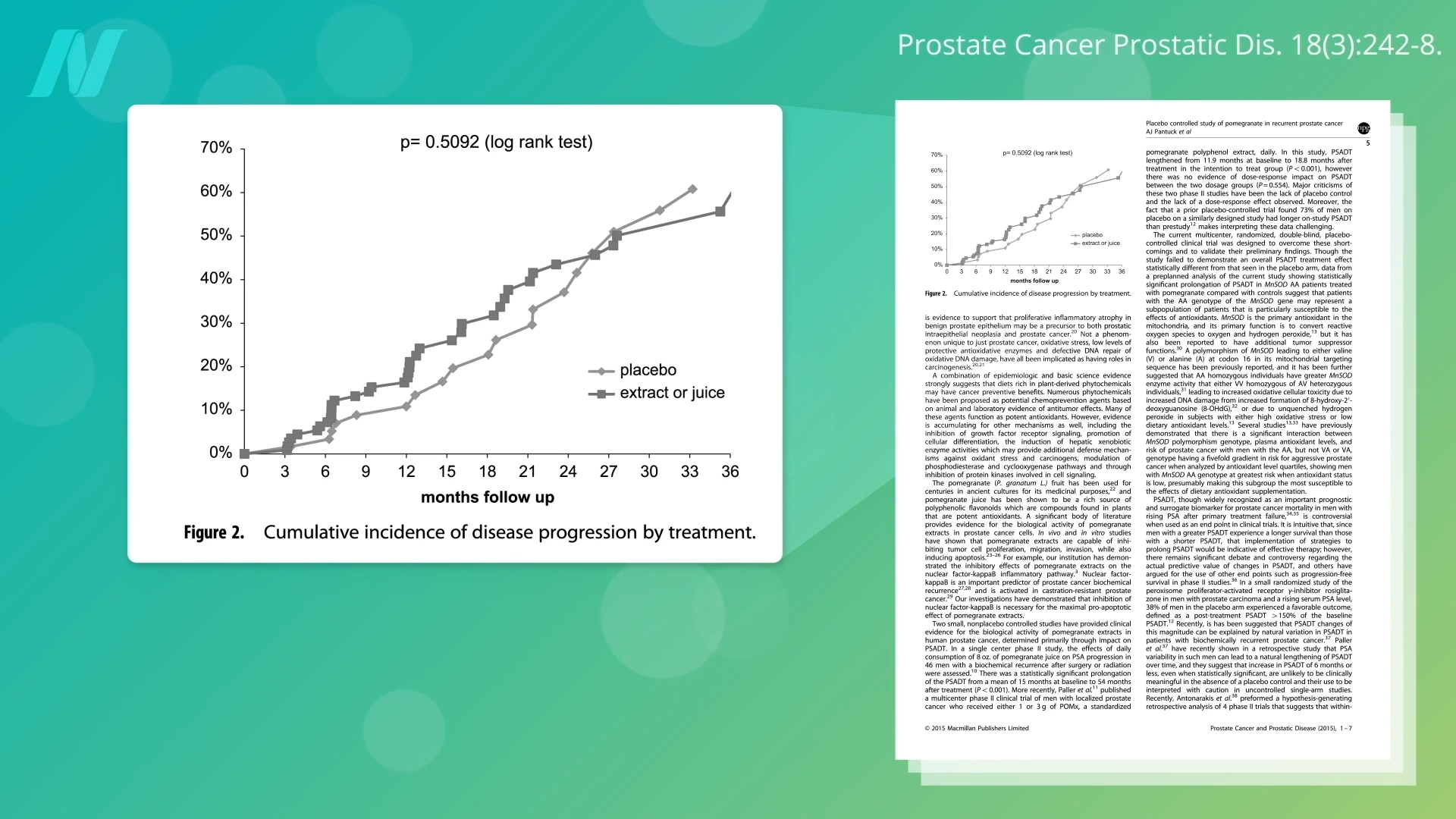
A randomized controlled trial investigating the impact of daily pomegranate intake on prostate-specific antigen (PSA) levels, a key marker for prostate cancer progression, found no significant impact. Furthermore, a randomized, double-blind, placebo-controlled trial aimed at assessing prostate cancer disease progression also reported essentially no difference between those consuming pomegranate and a placebo group. This highlights the critical need for well-designed human trials to validate preliminary findings.
Inflammation and Arthritis: A More Complex Picture
The anti-inflammatory properties of pomegranates have been a focal point for research into inflammatory conditions, including rheumatoid arthritis and osteoarthritis.
Osteoarthritis: In Vitro Promise, Clinical Uncertainty
In vitro studies using pomegranate extract on human osteoarthritic cartilage samples have demonstrated potential cartilage-protective effects, showing a reduction in inflammation-induced damage. These findings have raised the possibility of pomegranates serving as a safe and non-toxic treatment option with fewer side effects compared to conventional medications. Research in rabbits has also indicated that cartilage-protecting components of pomegranates are bioavailable, suggesting they could reach joints.
However, the first clinical trial specifically investigating pomegranate juice and osteoarthritis was not placebo-controlled. While participants who drank the juice reported less stiffness and impairment of physical function, the improvements were not significantly better than those in the control group, leading to uncertainty about the treatment’s actual role.
Rheumatoid Arthritis: Glimmers of Hope Amidst Methodological Challenges
The search for effective pomegranate-based treatments for rheumatoid arthritis has been marked by methodological hurdles. An early study, funded by POM Wonderful, investigated pomegranate extract’s effects on inflammation and joint damage in a mouse model of rheumatoid arthritis. However, the reliance on animal models again raises questions about direct human applicability.
Subsequent open-label studies, where participants knew they were receiving the treatment, showed some promising self-reported improvements in tender joints among rheumatoid arthritis patients who consumed pomegranate extract. However, the lack of a control group in these studies makes it difficult to attribute the observed benefits solely to the pomegranate extract.
A significant breakthrough came with a randomized, double-blind, placebo-controlled trial, considered the gold standard in clinical research. In this study, participants unknowingly received either pomegranate extract or a placebo. The results indicated significant improvements in several key indicators of rheumatoid arthritis activity, including the number of swollen and tender joints, pain intensity, disease activity scores, health assessment questionnaires, and morning stiffness, when compared to the placebo group. This study provides the most compelling evidence to date suggesting that pomegranate extracts may indeed offer therapeutic benefits for individuals with rheumatoid arthritis.
The Challenge of Supplement Quality and Regulation
The promising results from the rheumatoid arthritis trial raise the question of whether to consume whole pomegranates or pomegranate supplements. While extracts showed efficacy, a laboratory analysis of 19 pomegranate supplements revealed a significant quality control issue: most did not appear to contain any actual pomegranate. Only a minority of the tested supplements were found to be authentic. This underscores a critical concern in the supplement industry, where product authenticity and accurate labeling can be unreliable, posing a risk to consumers seeking specific health benefits. Therefore, relying on whole fruits or products from highly reputable and transparent manufacturers may be a more prudent approach.
Doctor’s Notes and Broader Implications
The evolving scientific understanding of pomegranates’ health benefits has been a subject of ongoing reporting and analysis. Previous reports have highlighted the challenges in substantiating broad health claims, particularly those made by commercial entities. The distinction between in vitro findings and human clinical efficacy remains paramount.
The legal precedent set by the POM Wonderful case serves as a crucial reminder to both consumers and manufacturers. It emphasizes the responsibility of companies to ensure that health claims made in advertising are backed by rigorous scientific evidence, particularly when suggesting treatment or prevention of serious diseases. For consumers, it highlights the importance of critical evaluation of health claims and a preference for evidence-based information from credible sources.
The research into pomegranates, while complex and often yielding mixed results, continues to uncover potential therapeutic avenues, particularly in the realm of inflammatory conditions like rheumatoid arthritis. However, the path from laboratory promise to clinically proven benefit is long and demanding, requiring meticulous scientific inquiry and adherence to the highest standards of research methodology. As the scientific community continues to unravel the intricate biochemical pathways influenced by pomegranate’s compounds, a clearer and more evidence-based understanding of its role in human health will undoubtedly emerge, guiding both dietary choices and therapeutic strategies. The future of pomegranate’s health narrative lies in continued rigorous, unbiased scientific investigation.