 admin
admin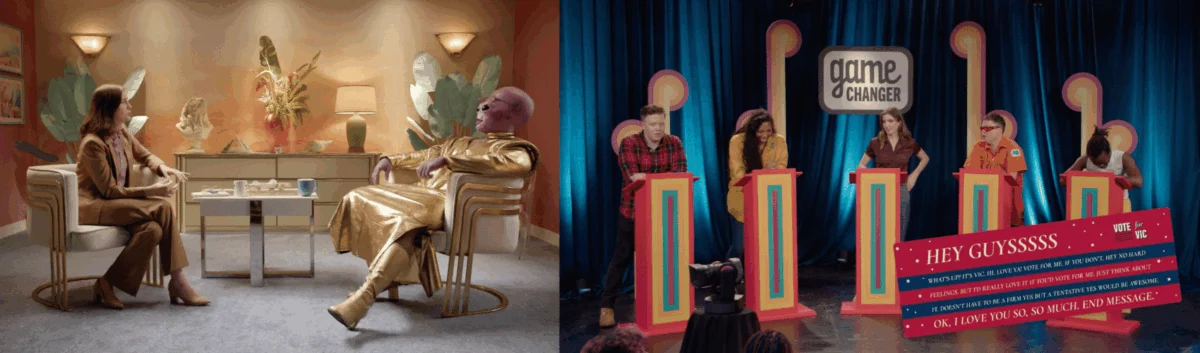
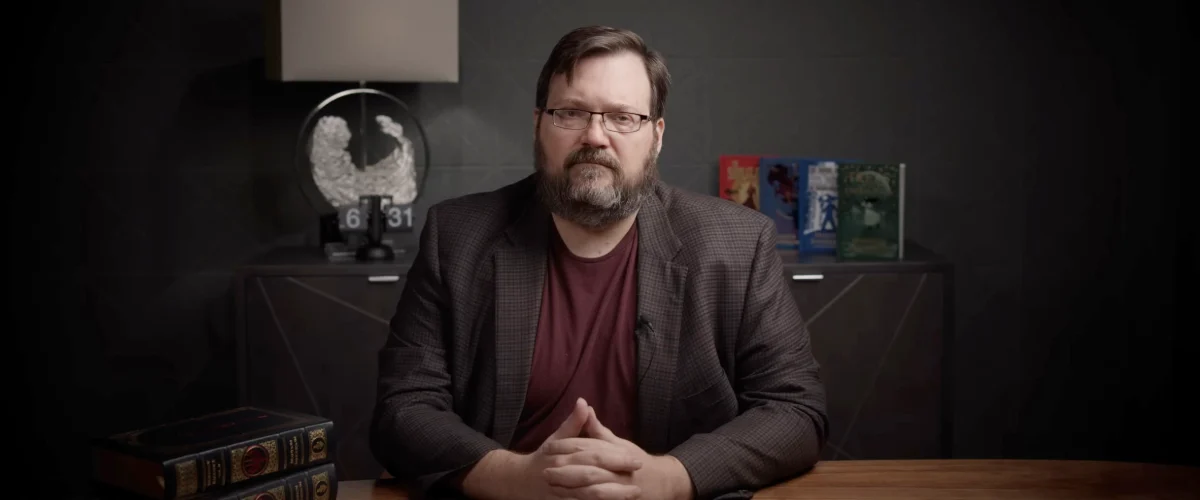
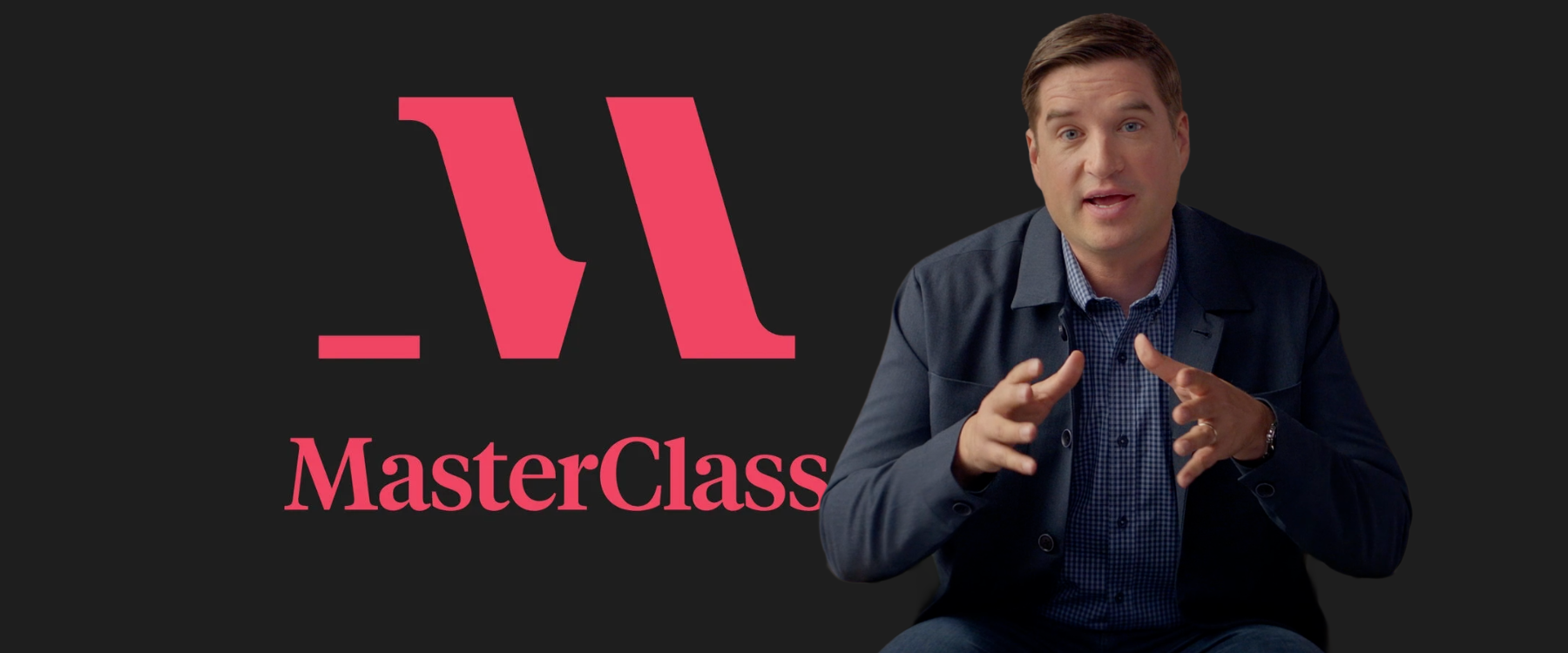
Cal Newport, a prominent computer science professor at Georgetown University and a leading voice in the productivity movement, has officially launched a new instructional series on the MasterClass platform titled Rebuild Your Focus & Reclaim Your Time. The release of this course, which synthesizes principles from Newport’s recent publication Slow Productivity and his seminal work Deep Work, marks a significant milestone in the convergence of academic philosophy and high-end digital media. While the course itself focuses on the intersection of technology and human cognitive capacity, its production underscores a broader structural shift within the global media landscape: the narrowing gap between independent content creation and legacy television production.
The Intersection of Deep Work and High-End Production
The development of Newport’s MasterClass began in the fall of 2023, following the successful reception of his literature regarding the "distraction economy." The curriculum is designed to address the modern professional’s struggle with digital fragmentation, offering a structured methodology for reclaiming cognitive autonomy. However, the launch has sparked a wider industry discussion regarding the "polish" of modern educational content. Newport, who has appeared on numerous high-traffic video podcasts including The Andrew Huberman Lab, The Mel Robbins Podcast, and The Rich Roll Podcast, noted a distinct hierarchical difference in production standards between even the most successful independent podcasts and specialized streaming platforms.
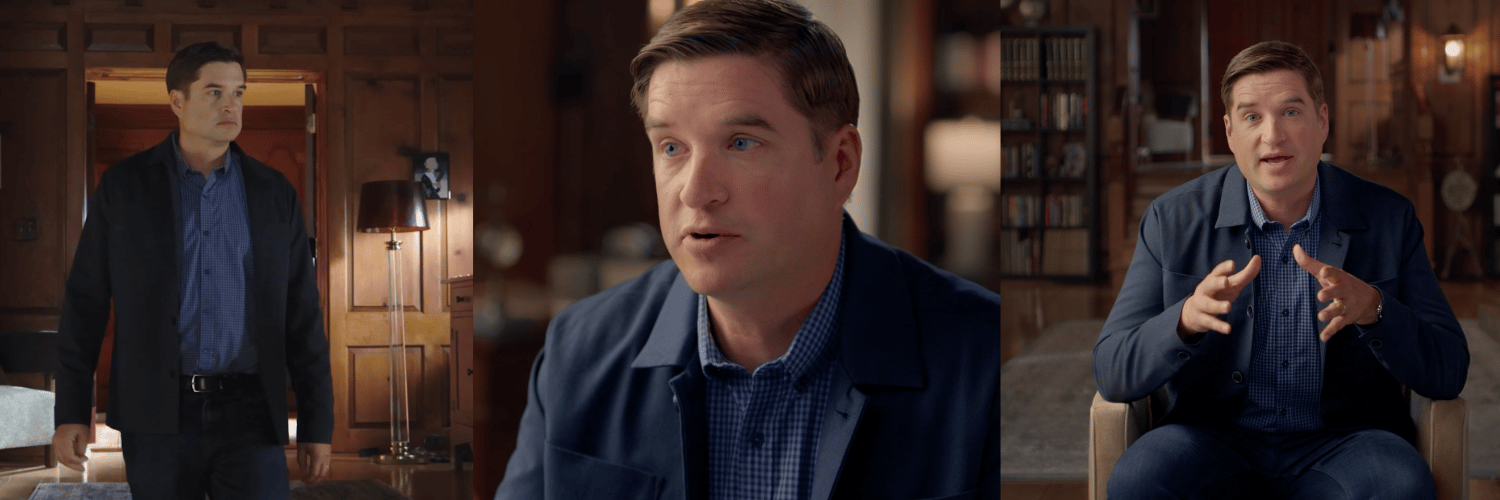
While top-tier podcasts typically utilize three-camera setups, diffused lighting, and professional-grade audio equipment, the MasterClass production model adheres to the standards of the Alliance of Motion Picture and Television Producers (AMPTP). The production of Rebuild Your Focus & Reclaim Your Time involved a comprehensive cinematic crew, including a director, a cinematographer, multiple camera operators, dedicated focus pullers, gaffers, grips, and production assistants. This level of technical sophistication—historically reserved for major motion pictures or premium cable dramas—is now being applied to digital-first educational content.
The Technical Gap: Independent vs. Legacy Video
The distinction between "independent" video, typically hosted on ad-supported platforms like YouTube, and "legacy" video, produced for streaming giants or linear television, has traditionally been defined by visual and auditory fidelity. This quality gap has served as a psychological and economic barrier; consumers have historically been willing to pay subscription fees for content that "looks like TV," while relegating lower-production content to the "free" or ad-supported tier.
Industry analysts suggest that this barrier is rapidly eroding. The equipment once exclusive to Hollywood—such as ARRI Alexa or RED digital cinema cameras—is becoming more accessible to mid-sized production houses. Furthermore, the expertise required to operate this equipment is migrating from traditional studios to the independent sector. Newport’s experience filming with a makeup artist who had recently worked on major studio features like Sinners illustrates the fluidity of labor between the film industry and digital education platforms.
As the aesthetic difference between a $7-a-month subscription service and a $150-million-dollar Netflix series diminishes, the "perceived value" of independent content rises. This evolution suggests that the future of digital media may not be dominated solely by massive aggregators, but by specialized entities that maintain high production standards for niche audiences.
Case Study: The Evolution of Dropout TV and the Micro-Streamer Model
A primary example of this shift is the success of Dropout TV, an independent streaming service that emerged from the remnants of the comedy website CollegeHumor. In the early 2010s, CollegeHumor followed the standard industry trajectory, transitioning from a standalone website to a YouTube-centric model. However, the company faced significant challenges due to "platform risk"—the vulnerability of creators to the shifting algorithms and advertising policies of third-party platforms like YouTube.
In a strategic pivot, the organization launched Dropout, a proprietary subscription app priced at approximately $6.99 per month. Unlike many YouTube-based creators who struggle to maintain consistent quality, Dropout invested in "legacy-quality" unscripted programming. Shows such as Dimension 20 and Game Changer utilize multi-cam setups and post-production techniques that are indistinguishable from major network reality or game shows.
Today, Dropout boasts over one million active subscribers. This success has led to the coining of the term "micro-streamer." A micro-streamer is defined by three key characteristics:
- Niche Focus: Content tailored to a specific, highly engaged community.
- Legacy Quality: Production values that rival major streaming services.
- Direct Monetization: A subscription model that bypasses traditional advertising and algorithmic gatekeepers.
Economic Implications of the Micro-Streamer Trend
The rise of micro-streamers like Dropout and the continued growth of MasterClass represent a "Great Unbundling" of the streaming market. For the past decade, the industry trend was toward consolidation, with platforms like Netflix, Disney+, and Max attempting to be "everything to everyone." However, as these platforms face rising costs and subscriber churn, a market gap has opened for smaller, more focused services.
Data from media research firms indicates that "subscription fatigue" is real, but it is selective. Consumers are increasingly willing to cancel broad, expensive "catch-all" services in favor of two or three niche services that cater specifically to their interests—whether that be professional development, specific comedy genres, or specialized hobbies.
The economic viability of the micro-streamer model is bolstered by the decreasing cost of high-end technology. While a MasterClass shoot still requires a significant capital investment, the barrier to entry for achieving "broadcast quality" has dropped by an estimated 60-70% over the last decade. This allows independent creators to produce content that justifies a monthly fee, effectively moving them out of the volatile "creator economy" of YouTube and into the more stable "subscription economy."
Chronology of the Shift in Digital Content
The transition from "vlogging" to "micro-streaming" can be traced through several key milestones:
- 2005–2012: The Era of the Amateur. Platforms like YouTube are dominated by low-fidelity, user-generated content. Production value is secondary to authenticity.
- 2013–2018: The Rise of the Pro-Am. Creators begin using DSLR cameras and basic lighting. Organizations like CollegeHumor and Rooster Teeth build large-scale operations on YouTube.
- 2019–2022: The Platform Pivot. Major creators realize the limitations of ad-revenue and algorithmic volatility. MasterClass gains unicorn status (a valuation over $1 billion), proving that people will pay for high-production educational content.
- 2023–Present: The Micro-Streamer Explosion. Services like Dropout TV achieve mass-market success without the backing of traditional studios. High-profile intellectuals and creators, such as Cal Newport, begin moving their primary "premium" offerings to these polished, independent environments.
Broader Impact and Future Outlook
The launch of Newport’s MasterClass is more than a product release; it is a signal of the changing expectations of the digital consumer. As Newport notes, the intersection of technology and productivity is no longer just a topic for blog posts or low-fidelity podcasts. It is a subject deemed worthy of the same cinematic treatment as a MasterClass from Martin Scorsese or James Cameron.
This trend suggests a future where the "Deep Life"—a concept Newport champions involving focused work and high-quality leisure—is supported by a diverse ecosystem of specialized media. The prospect of a "Deep Life TV" or similar niche apps appearing on smart TV interfaces alongside Disney+ is becoming increasingly likely.
For the broader media industry, this shift poses a challenge to the dominance of major aggregators. If high-quality production is no longer a moat that protects major studios, their primary advantage becomes their library and their marketing budget. Independent creators who can build a loyal audience and maintain high technical standards now have a viable path to financial independence and creative control.
In conclusion, the debut of Rebuild Your Focus & Reclaim Your Time serves as a case study in the professionalization of the independent creator. By bridging the gap between scholarly insight and cinematic production, Newport and MasterClass are defining the next era of digital media—one where the distinction between "independent" and "legacy" is no longer a matter of quality, but merely a matter of scale. As the micro-streamer market continues to mature, the landscape of digital entertainment and education will likely become more fragmented, more specialized, and significantly more polished.