
 admin
admin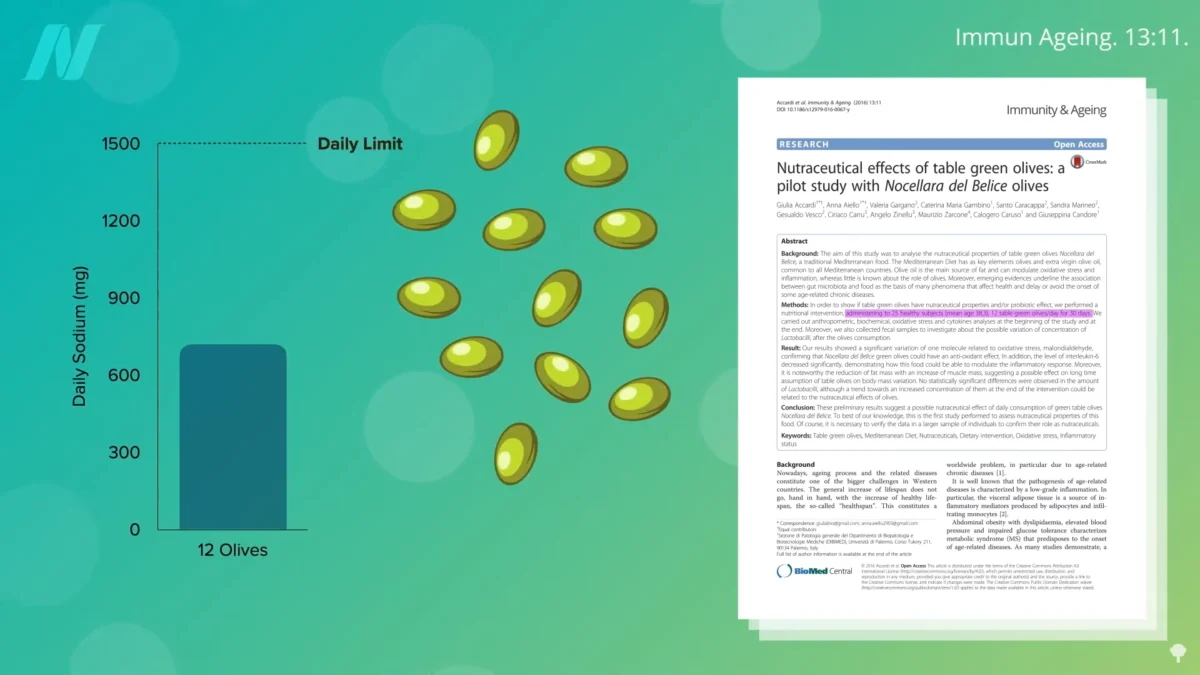
Approximately 50 million Americans are currently affected by arthritis, a group of conditions characterized by joint inflammation and pain. Among these, osteoarthritis, particularly of the knee, stands out as the most prevalent form and a significant contributor to disability nationwide. The complex inflammatory pathways underpinning the onset and progression of these diseases have prompted extensive research into the potential of various dietary interventions. While some foods have shown promise in modulating inflammatory markers, their direct clinical impact on arthritis symptoms remains a subject of ongoing investigation.
The Complex Landscape of Dietary Interventions for Arthritis
Early research explored the effects of certain fruits and their derivatives on inflammatory processes associated with arthritis. For instance, studies have investigated the impact of strawberries on circulating levels of tumor necrosis factor (TNF), a key inflammatory mediator. While a decrease in TNF has been observed, translating this biochemical change into tangible clinical improvement for arthritis patients has proven to be a nuanced challenge.
Similarly, the role of cherry juice in managing inflammatory conditions has been examined. Some studies have indicated that regular consumption of cherry juice can lead to a reduction in C-reactive protein (CRP), another marker of systemic inflammation. However, in the context of knee osteoarthritis, while participants reported some symptom relief, these benefits did not statistically outperform a placebo group. This suggests that any perceived improvement might be attributed to the placebo effect rather than a direct pharmacological action of the cherry juice itself. This distinction is crucial for understanding the efficacy of such interventions. Cherries have demonstrated potential benefits for other forms of arthritis, such as gout, but their effectiveness in mitigating the symptoms of osteoarthritis has not been conclusively established.
In contrast, dietary intake of strawberries has shown more promising results in reducing inflammation. A randomized, double-blind, crossover trial revealed that the inclusion of strawberries in the diet led to a significant analgesic effect, accompanied by a notable decrease in pain levels. This finding is particularly relevant when considering the cost and potential side effects associated with conventional treatments. For individuals seeking alternatives to high-cost pharmaceutical interventions, such as the potent TNF inhibitor drugs that can cost upwards of $40,000 annually and carry risks including fatal lymphoma, naturally occurring anti-inflammatory foods offer an attractive avenue for exploration.

Further research has delved into the physiological mechanisms behind the anti-inflammatory properties of berries. Studies have shown that when individuals consume the equivalent of one cup of blueberries or two cups of strawberries daily, their blood plasma exhibits a reduced capacity to induce inflammation when applied to cells in a laboratory setting, compared to plasma from individuals who consumed placebo berries. This suggests a systemic effect of berry consumption on inflammatory pathways. The observed anti-inflammatory effect appears to intensify over time, indicating that prolonged consumption of berries may yield progressively greater benefits.
Exploring the Potential of Olive-Derived Products
Beyond berries, researchers have also investigated the anti-inflammatory potential of olive-derived products. A notable study conducted in France involved collecting cartilage samples from patients undergoing knee replacement surgery. These samples were then exposed to blood from volunteers who had consumed a concentrated extract of grapeseed and olive. The results indicated a significant reduction in inflammation within the cartilage.
While human studies directly examining the effects of grapeseeds on arthritis are limited, an olive extract has shown efficacy in reducing pain and improving daily functioning in individuals with osteoarthritis. This has led to questions about whether incorporating olive oil into the diet could offer similar benefits. However, the specific olive extract used in these studies was derived from freeze-dried olive vegetation water, which contains water-soluble components—essentially, the compounds present in the olive that are not oil. This distinction is important because it highlights that the benefits observed might not be attributable to the oil itself, but rather to other constituents within the olive.
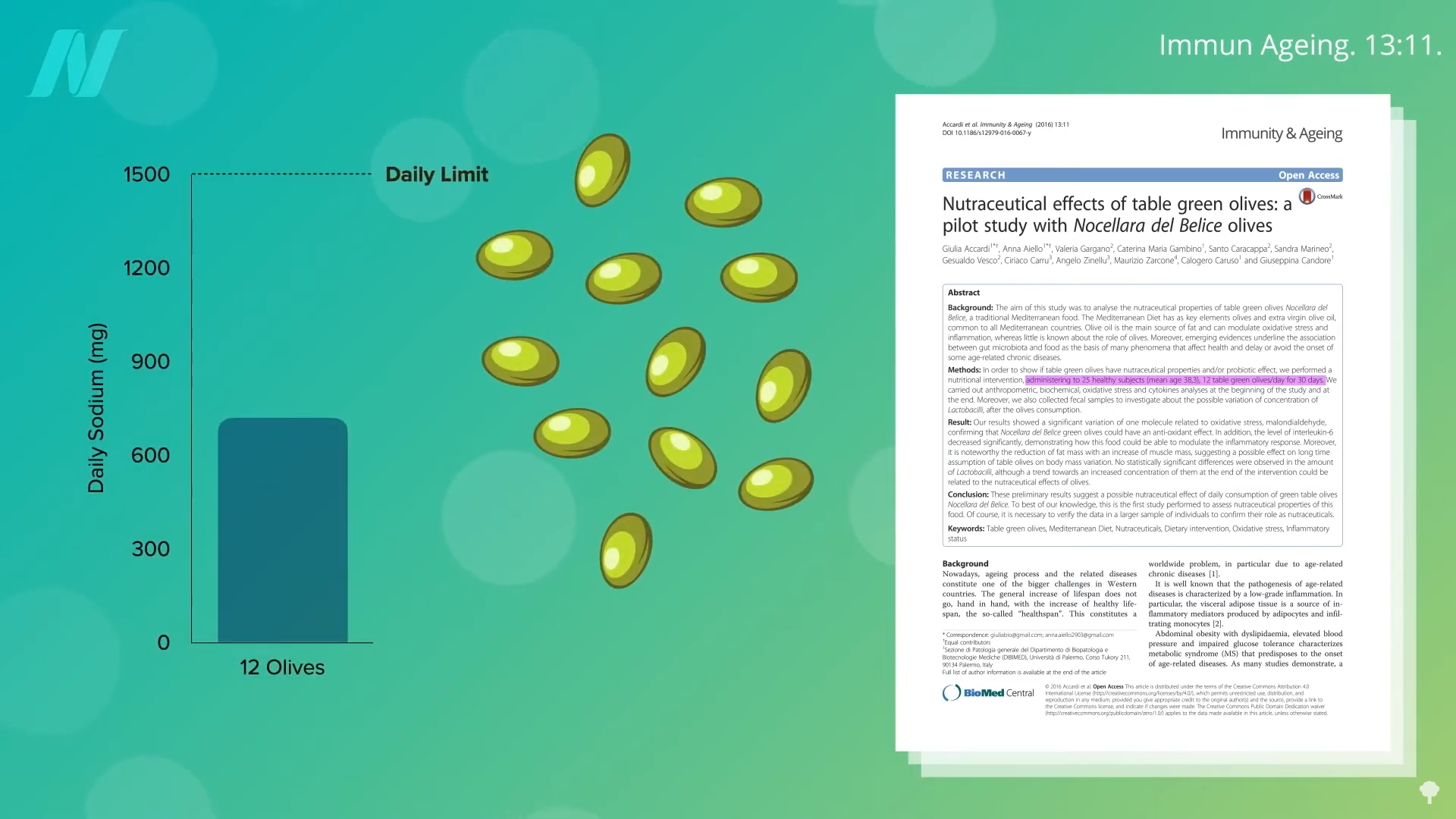
When actual olives are consumed, a daily intake of about a dozen large green olives has been linked to a reduction in inflammatory mediators. However, the sodium content of olives is a significant consideration, as a dozen olives can account for nearly half of the recommended daily sodium intake for an adult.
A comprehensive systematic review and meta-analysis concluded that olive oil, when consumed orally on its own, does not appear to provide significant anti-inflammatory benefits for arthritis. Claims of "remarkable anti-inflammatory activity" attributed to extra virgin olive oil in some studies are often based on research conducted on rodents. In human trials, the anti-inflammatory effects of extra virgin olive oil have been found to be comparable to butter and even less effective than coconut oil in some contexts.

Furthermore, extra virgin olive oil has not demonstrated effectiveness in alleviating symptoms of fibromyalgia. While it has shown some promise in managing symptoms of inflammatory bowel disease when compared to canola oil, its direct application to arthritis management through oral consumption remains a subject of debate and lacks robust clinical backing.
The Breakthrough: Topical Olive Oil’s Efficacy
Despite the inconclusive evidence regarding the oral consumption of olive oil for arthritis, a compelling discovery has emerged concerning its topical application. A double-blind, randomized clinical trial directly compared the effects of topical virgin olive oil with a gel containing an ibuprofen-type drug for knee osteoarthritis. Participants applied a small amount of olive oil—approximately one gram, less than a quarter teaspoon—three times daily. The daily cost of this treatment was remarkably low, estimated at less than three cents.
The findings of this trial were significant: topical olive oil proved to be substantially more effective than the ibuprofen-type drug in reducing pain associated with knee osteoarthritis. This outcome suggests that the anti-inflammatory and analgesic properties of olive oil may be activated when applied directly to the affected joint. The study, which lasted for one month, raises intriguing questions about the potential for longer-term benefits, with the possibility that the effectiveness of topical olive oil could continue to increase with extended use.
Topical Olive Oil vs. Rheumatoid Arthritis
The efficacy of topical olive oil was further investigated in a study focusing on women with rheumatoid arthritis. This research aimed to assess its effectiveness in controlling morning inflammatory pain in the fingers and knees. The study employed a rigorous design, comparing the application of extra virgin olive oil to a control group that applied nothing, and to a group using an ibuprofen-type gel. The results indicated that the group using extra virgin olive oil experienced a greater decrease in their disease activity score compared to both the control and the ibuprofen gel groups. This suggests a comparable, if not superior, effect of topical olive oil in managing the inflammatory symptoms of rheumatoid arthritis, particularly morning stiffness.
Implications and Future Directions
The findings regarding topical olive oil’s efficacy present a potentially groundbreaking development in the management of osteoarthritis and rheumatoid arthritis. Given the high prevalence of these conditions and the often-prohibitive costs and side effects associated with conventional pharmacological treatments, a safe, inexpensive, and effective topical alternative holds immense promise.

The cost-effectiveness of topical olive oil is a significant advantage. The daily expenditure of less than three cents per application stands in stark contrast to the thousands of dollars spent annually on some prescription medications. This accessibility could democratize pain relief for a large segment of the population struggling with joint pain.
Furthermore, the potential for topical olive oil to outperform established non-steroidal anti-inflammatory drugs (NSAIDs) like ibuprofen in specific clinical contexts warrants further in-depth investigation. Future research could focus on elucidating the precise mechanisms by which topical olive oil exerts its anti-inflammatory and analgesic effects. Identifying the specific compounds within olive oil responsible for these benefits and understanding their interaction with joint tissues could lead to the development of even more targeted and effective treatments.
Longer-term studies are also crucial to confirm the sustained efficacy and safety of topical olive oil application. While the initial month-long trial showed promising results, understanding how the treatment performs over several months or years will be essential for its widespread clinical adoption. Investigating potential synergistic effects when combined with other therapeutic modalities could also offer new avenues for comprehensive arthritis management.
The distinction between the limited benefits of orally consumed olive oil and the significant efficacy of its topical application underscores the importance of delivery methods in therapeutic interventions. This research highlights that the form in which a substance is administered can dramatically alter its biological impact and clinical utility.
Doctor’s Note on Joint Health
For individuals seeking comprehensive strategies for joint health, it is advisable to consult with healthcare professionals. Understanding the various factors that contribute to joint inflammation and pain, including diet, lifestyle, and medical history, is paramount. While natural interventions like topical olive oil show encouraging results, they should be considered as part of a broader, individualized treatment plan. Further information on joint health can be found in related posts and resources that explore the multifaceted aspects of managing arthritis and related conditions.
The ongoing exploration of dietary and topical interventions for arthritis continues to reveal promising avenues for alleviating pain and improving the quality of life for millions. The emergence of topical olive oil as a potent and cost-effective alternative marks a significant step forward in this pursuit, offering hope for a more accessible and natural approach to managing debilitating joint conditions.