 admin
admin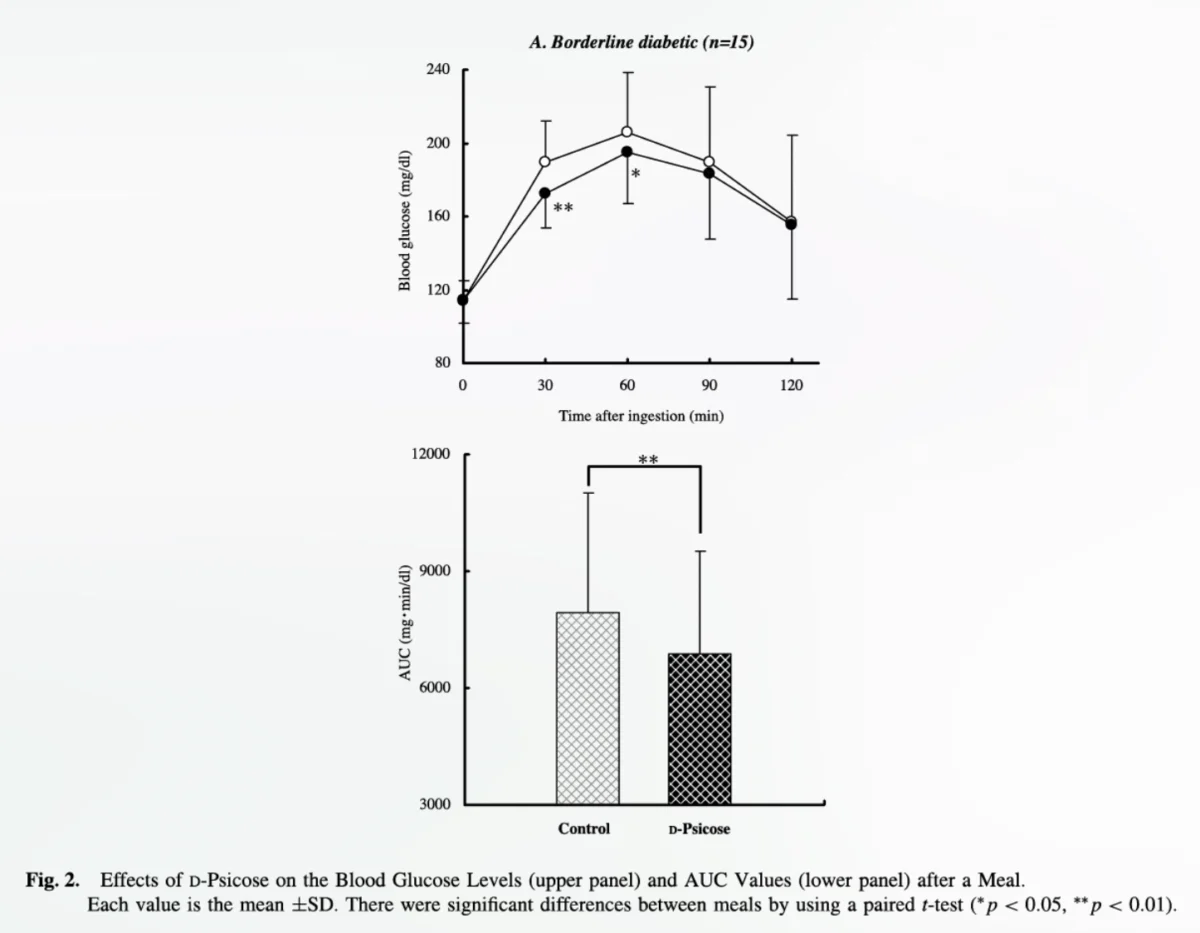
The quest for sweetness without the detrimental health consequences of traditional sugar has led to a multi-generational evolution of sweeteners, each promising a healthier alternative with varying degrees of success and evolving scientific scrutiny. From the ubiquity of sugar and its industrial cousin, high fructose corn syrup, to the emergence of artificial and sugar alcohol-based sweeteners, consumers have been navigating a complex and often controversial landscape. Now, a newer contender, allulose, a "rare sugar" produced through advanced biotechnological processes, is gaining attention for its potential benefits, including weight management and improved blood sugar control, though scientific consensus and long-term data remain subjects of ongoing investigation.
The Sweetener Spectrum: A Historical Perspective
For decades, sugar (sucrose) and high fructose corn syrup (HFCS) reigned supreme as the primary industrial sweeteners. Their appeal lay in their low production cost, widespread availability, and intensely sweet taste. However, their high caloric content and rapid metabolism have been unequivocally linked to a cascade of negative health outcomes. Obesity, type 2 diabetes, dental caries, and metabolic syndrome are now widely recognized as significant public health challenges, with excessive sugar consumption identified as a major contributing factor. As awareness of these risks grew, so did the demand for low-calorie and calorie-free alternatives.
The second generation of sweeteners arrived in the form of artificial sweeteners like aspartame (NutraSweet), sucralose (Splenda), and saccharin (Sweet ‘N Low). These compounds offer intense sweetness with virtually no caloric contribution, making them attractive to those seeking to reduce calorie intake. However, their widespread adoption has been met with persistent scientific debate and public concern regarding potential adverse health effects. Studies have raised questions about their impact on gut microbiota, metabolic function, and even their potential links to certain chronic diseases, although definitive causal relationships remain a subject of active research and regulatory review.
The third generation introduced sugar alcohols, such as sorbitol, xylitol, and erythritol. These are derived from sugars but are incompletely absorbed by the body, resulting in fewer calories than traditional sugars. While generally considered safe, sugar alcohols are notorious for their laxative effects, particularly at higher consumption levels. Erythritol, once lauded for its low caloric impact and minimal gastrointestinal distress compared to other sugar alcohols, has more recently faced scrutiny. Emerging research has suggested a potential association between higher levels of erythritol in the blood and an increased risk of cardiovascular events, prompting further investigation into its long-term safety profile and the implications for regular consumers.
Allulose: A Rare Sugar Enters the Arena
Amidst this evolving sweetener landscape, allulose has emerged as a novel alternative. Allulose is classified as a "rare sugar" because it occurs naturally in very small quantities in certain fruits like figs and raisins, and in some fermented foods. Its distinct chemical structure means that only a small fraction of its calories are absorbed and metabolized by the human body, rendering it nearly calorie-free.
"Recent technological advances, such as enzymatic engineering using genetically modified microorganisms, now allow [manufacturers] to produce otherwise rare sugars like allulose in substantial quantities," explains Dr. Emily Carter, a food science researcher at the National Institute of Nutrition. This biotechnological innovation has been crucial in making allulose commercially viable and accessible to a broader consumer base.
Allulose and the Promise of Weight Management
Early research into allulose has focused on its potential impact on body composition, particularly fat mass reduction. A study involving over a hundred participants, as detailed in recent nutritional research, explored the effects of allulose supplementation over a 12-week period. Participants were randomized into three groups: a placebo group receiving a minuscule amount of sucralose, and two groups receiving either 4 grams or 7 grams of allulose twice daily.
Crucially, the study design controlled for physical activity and overall calorie consumption, aiming to isolate the specific effects of allulose. The findings indicated a significant decrease in body fat among the participants who received allulose, irrespective of the dosage, compared to the placebo group. Notably, this reduction in fat mass occurred without significant changes in LDL cholesterol levels in either of the allulose intervention groups.
"The implications of these findings are substantial," notes registered dietitian Sarah Jenkins. "If allulose can contribute to fat loss without necessitating drastic dietary overhauls or significant increases in exercise, it could represent a valuable tool for individuals striving to achieve and maintain a healthy weight." However, Jenkins also cautions that these are initial findings, and more extensive, long-term studies are needed to confirm these effects and understand the underlying mechanisms.
Exploring Allulose’s Impact on Diabetes and Blood Sugar Control
The potential for allulose to aid in managing blood sugar levels, a critical concern for individuals with diabetes and prediabetes, has also been a focal point of scientific inquiry. A randomized, double-blind, placebo-controlled experiment investigated the acute effects of allulose on blood glucose in individuals with borderline diabetes. In this study, participants consumed a cup of tea containing either 5 grams of allulose or no allulose alongside a meal.

The results demonstrated a significant reduction in blood sugar levels approximately 30 and 60 minutes after consumption, with levels being about 15% lower compared to the control group. However, this observed benefit was transient, lasting only for the first hour post-consumption. This suggests that while allulose may offer a short-term amelioration of post-meal blood sugar spikes, its efficacy in providing sustained glycemic control remains uncertain.
Further research aimed at assessing the long-term safety and metabolic effects of allulose involved healthy individuals who consumed approximately 5 grams of allulose three times a day with meals for 12 weeks. In this cohort, no adverse side effects were reported. However, the study also found no significant impact on either weight or overall blood sugar levels. This highlights a divergence in findings, with some studies pointing towards fat mass reduction and others showing limited or no significant effects on weight or blood sugar control.
A systematic review and meta-analysis of controlled feeding trials on allulose further underscored this complexity. The analysis suggested that the acute beneficial effect on blood sugars was of "borderline significance," indicating that the observed improvements were small and potentially inconsistent. The researchers concluded that it is "unclear whether this small and apparently inconsistent effect could translate into meaningful improvements in long-term blood sugar control." This suggests that simply incorporating allulose into the diet might not be sufficient for effective diabetes management, and that broader dietary changes, such as reducing the consumption of highly processed "junk food," may be equally, if not more, important.
Safety Profile and Tolerability of Allulose
Beyond its metabolic effects, the safety and tolerability of allulose are crucial considerations for widespread consumer adoption. Unlike traditional sugars, allulose has demonstrated a positive impact on dental health. It is not metabolized by cavity-causing bacteria in the mouth to produce the acids that lead to enamel erosion and plaque buildup. This "tooth-friendly" characteristic positions it as a potentially superior alternative for oral hygiene.
Furthermore, even in individuals with diabetes, allulose has not been shown to significantly elevate blood sugar levels. It is generally considered a "relatively nontoxic" sugar, a designation that signifies a favorable safety profile based on current toxicological studies.
However, like other sugar alcohols and some non-nutritive sweeteners, allulose can cause gastrointestinal discomfort if consumed in excessive amounts. Research has sought to establish a tolerable upper intake limit. In one study, healthy adults were given beverages containing progressively higher doses of allulose to identify the maximum single dose for occasional ingestion without severe adverse effects. No severe gastrointestinal symptoms were reported until a dose of 0.4 grams per kilogram of body weight was reached, which approximates to about eight teaspoons for an average American adult. At a dose of 0.5 grams per kilogram of body weight, or approximately ten teaspoons, severe diarrhea was noted.
When considering daily intake spread across multiple meals, a higher threshold was observed. Participants consuming around 17 teaspoons (1.0 g/kg bodyweight) per day, depending on their individual weight, began to experience severe nausea, abdominal pain, headache, or diarrhea. Based on these findings, general recommendations suggest that most adults in the United States should aim to stay below single doses of approximately eight teaspoons and avoid exceeding a total daily intake of about 18 teaspoons (0.9 g/kg bodyweight). These guidelines are crucial for consumers to understand to maximize the benefits of allulose while minimizing potential digestive upset.
The Verdict on Allulose: Promising but Preliminary
The question of whether rare sugars like allulose represent a truly healthy alternative to traditional sweeteners is complex, with current evidence suggesting a nuanced answer. Proponents point to its potential benefits, including a favorable impact on body fat reduction and a positive effect on dental health, coupled with a generally low risk of adverse metabolic and toxicological effects based on existing studies.
"Considering the variety of potentially beneficial effects of allulose without known disadvantages from metabolic and toxicological studies, allulose may currently be the most promising rare sugar," stated a researcher involved in several of the early allulose studies.
However, this optimism is tempered by a significant caveat: the relative scarcity of robust, long-term human data. The existing studies, while informative, often involve small sample sizes, limited durations, or focus on acute effects. The "erythritol debacle," where a sweetener once considered a safe bet later faced serious questions regarding its cardiovascular implications, serves as a stark reminder of the importance of comprehensive, long-term safety evaluations for any new food additive.
"As a result of the absence of these studies, it may be too early to recommend rare sugars for human consumption without reservation," cautioned Dr. Anya Sharma, a leading toxicologist. "While allulose appears promising, further independent research is essential to fully understand its long-term impact on human health, particularly in diverse populations and with regular, sustained consumption patterns."
The implications of these evolving findings extend beyond individual dietary choices. As the food industry continues to innovate, driven by consumer demand for healthier options, regulatory bodies and scientific institutions face the ongoing challenge of rigorously evaluating new ingredients. The journey from initial promising results to widespread, confident recommendation is often a lengthy one, marked by continuous scientific inquiry and a commitment to evidence-based conclusions. For allulose, the journey is well underway, but the final verdict on its long-term place in a healthy diet remains to be fully written.