 admin
admin
Glucagon-like peptide-1 receptor agonists (GLP-1s), a class of medications that includes Ozempic, have garnered significant attention for their efficacy in promoting weight loss. This weight reduction, in turn, may offer substantial benefits for individuals suffering from sleep apnea, a common and potentially serious sleep disorder. However, the high cost of these medications and the complexities of insurance coverage present significant hurdles for many patients seeking this innovative treatment pathway. While Ozempic itself is not FDA-approved for sleep apnea or weight loss, other GLP-1s are, and understanding the nuances of coverage is crucial for those exploring these options.
The Connection Between Weight, GLP-1s, and Sleep Apnea
Obstructive sleep apnea (OSA) is characterized by repeated episodes of partial or complete airway blockage during sleep, leading to pauses in breathing. These apneic events, which can last for 10 to 30 seconds, disrupt sleep quality and can lead to a cascade of negative health consequences, including daytime fatigue, cardiovascular problems, and cognitive impairment. A significant risk factor for OSA is excess weight, particularly around the neck. Adipose tissue in this region can physically narrow the airway, making it more susceptible to collapse during sleep. Statistics highlight this strong correlation: approximately 31% of individuals with OSA are classified as obese, and an additional 44% are overweight.
This well-established link has prompted extensive research into the potential of weight-loss medications, like GLP-1s, to mitigate sleep apnea symptoms. The therapeutic principle is straightforward: by facilitating significant weight loss, these drugs can reduce the physical obstruction in the airway. Evidence supports this approach. A review of studies indicated that a 20% reduction in Body Mass Index (BMI) could lead to a remarkable 57% decrease in sleep apnea severity. Further research has shown that GLP-1s can improve sleep apnea symptoms through a combination of reduced body weight, a lower BMI, and a smaller waist circumference.
However, the efficacy can vary among different GLP-1 medications. For instance, studies suggest that tirzepatide (marketed as Zepbound for weight loss) may offer more pronounced improvements in OSA symptoms compared to liraglutide (Saxenda). Beyond weight loss, tirzepatide has also demonstrated positive effects on daytime sleepiness and blood pressure, two comorbidities frequently associated with sleep apnea.
FDA Approvals and the Landscape of GLP-1s for Sleep Apnea

The regulatory landscape for GLP-1s in the context of sleep apnea is evolving. Currently, Ozempic (semaglutide) is FDA-approved solely for the management of type 2 diabetes. It has not received approval for weight loss or for the treatment of sleep apnea. The FDA has, however, approved specific GLP-1s for weight management: semaglutide (Wegovy), liraglutide (Saxenda), and tirzepatide (Zepbound).
A significant development occurred in 2024 when tirzepatide (Zepbound) received FDA approval for the treatment of moderate to severe OSA in adults who are obese. This landmark approval was based on robust clinical trial data demonstrating substantial reductions in the apnea-hypopnea index (AHI), a key measure of sleep apnea severity, following weight loss induced by the medication. This approval marks a critical step towards broader acceptance and potential coverage for GLP-1s in sleep apnea management.
Navigating Insurance Coverage: A Complex Terrain
The high out-of-pocket costs associated with GLP-1 medications, often reaching several hundred dollars per month, make insurance coverage a critical factor for patient access. For Ozempic, insurance typically will not cover its use for sleep apnea, primarily because it lacks FDA approval for this indication. While healthcare providers may prescribe medications "off-label" – meaning for a condition not explicitly listed in their approved indications – insurers generally do not reimburse for off-label drug use.
However, the situation becomes more nuanced when other health conditions are present. Since Ozempic is FDA-approved for type 2 diabetes, insurance plans may cover its cost if the patient also has this condition. In such cases, the weight loss and subsequent improvement in sleep apnea symptoms become beneficial secondary outcomes. Furthermore, some insurance plans extend coverage for GLP-1s when prescribed for obesity-related comorbidities such as high cholesterol or high blood pressure. The criteria for coverage vary significantly among insurance providers, making it imperative for patients to verify their specific plan details.
With the recent FDA approval of Zepbound for OSA, a shift in insurance coverage is anticipated. Many payers are beginning to include Zepbound on their formularies. However, prior authorization is a common requirement, often necessitating a documented BMI threshold, proof of intolerance or failure with Continuous Positive Airway Pressure (CPAP) therapy, and evidence of structured weight loss attempts. These requirements aim to ensure that the medication is prescribed appropriately and for patients who are most likely to benefit.
Checking Your Insurance Coverage: A Step-by-Step Approach
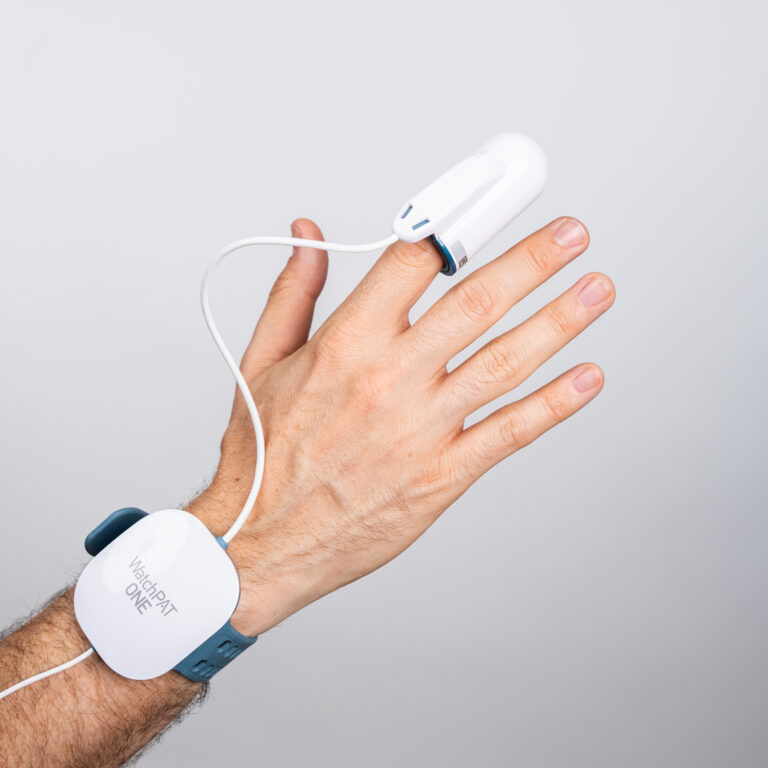
Understanding your insurance coverage for GLP-1s can be a complex process, but a systematic approach can provide clarity.
- Review Your Insurance Provider’s Website: Most insurance companies maintain an online formulary, a list of covered medications, often categorized by plan. This resource can provide an overview of which GLP-1s are covered and the associated copayments or deductibles.
- Contact Customer Service: If the online formulary is unclear or difficult to navigate, contact your insurance provider directly. The customer service number is typically found on the back of your insurance card. Speaking with a representative can provide personalized information regarding copayments and coverage details for specific medications.
- Inquire About Prior Authorization: For weight-loss medications and treatments for sleep apnea, prior authorization is frequently required. This process involves your healthcare provider submitting a request to your insurance company for approval before the medication can be dispensed. Your provider’s office can guide you through this process.
- Understand Appeal Processes: If your insurance provider denies coverage for a GLP-1 medication, you have the right to appeal the decision. Your healthcare provider can play a crucial role in this process by documenting the medical necessity of the medication. Most plans allow for an internal appeal within a specified timeframe, typically six months. If the internal appeal is denied, an external review by a third-party organization may be an option.
Alternatives When Insurance Coverage is Limited
For individuals whose insurance plans do not cover Ozempic or other GLP-1s, several alternative strategies can be pursued to manage sleep apnea and promote weight loss.
- Explore Other Approved GLP-1s: If Ozempic is not covered, inquire with your healthcare provider about Zepbound (tirzepatide) or Saxenda (liraglutide), which have specific FDA approvals for weight management and, in the case of Zepbound, for OSA. While coverage may still be a hurdle, the regulatory approvals can strengthen the case for insurance reimbursement.
- Lifestyle Modifications: The cornerstone of both weight loss and sleep apnea management often involves significant lifestyle changes. A balanced, calorie-controlled diet is essential for creating a caloric deficit, leading to weight reduction. Cutting back on sugary drinks and alcohol can contribute to faster weight loss. However, individual responses to dietary changes vary, and it is advisable to consult with a healthcare provider or a registered dietitian to develop a personalized nutrition plan.
- Regular Exercise: Incorporating regular physical activity is crucial for increasing calorie expenditure and improving overall health. The U.S. Department of Health and Human Services recommends at least 150 to 300 minutes of moderate-intensity aerobic exercise or 75 to 150 minutes of vigorous-intensity exercise per week. Additionally, incorporating muscle-strengthening activities at least two days a week is beneficial, as increased muscle mass can boost metabolic rate.
- Other Sleep Apnea Treatments: Beyond weight management, a range of established treatments for sleep apnea exist. These may include:
- Continuous Positive Airway Pressure (CPAP) Therapy: This is a highly effective treatment that uses a machine to deliver pressurized air through a mask, keeping the airway open during sleep.
- Oral Appliances: Custom-fitted devices worn in the mouth can reposition the jaw and tongue to maintain an open airway.
- Positional Therapy: For individuals whose sleep apnea is worse when sleeping on their back, devices or techniques that encourage side sleeping can be beneficial.
- Surgery: In select cases, surgical interventions to address anatomical issues contributing to airway obstruction may be considered.
The Cost of Ozempic and Other GLP-1s
The financial burden of these medications is a significant barrier to access. Without insurance, Ozempic can cost approximately $499 per month. While some pharmacies offer discount programs, the overall expense remains substantial. With insurance, copayments can vary dramatically, with some plans offering coverage as low as $25 per month. However, these lower costs are often contingent on specific plan benefits and prior authorizations.
For Zepbound, Medicare has indicated partial coverage for sleep apnea treatment, with patients potentially paying around $50 per month. This represents a positive step towards improved affordability for this newly approved indication.
The duration of insurance coverage for GLP-1s, when approved, typically involves initial authorizations lasting around six months, with potential for renewals. These renewals often hinge on demonstrated progress in weight loss or updated documentation from a healthcare provider highlighting ongoing medical necessity.

Conclusion: A Multifaceted Approach to Sleep Apnea Management
The advent of GLP-1 medications like Ozempic and Zepbound offers promising avenues for managing sleep apnea, particularly when weight is a contributing factor. However, the complex landscape of insurance coverage, coupled with the inherent cost of these drugs, necessitates a proactive and informed approach for patients. While Ozempic is not directly approved for sleep apnea, its use for type 2 diabetes may indirectly benefit patients. The recent approval of Zepbound for OSA marks a significant advancement, potentially paving the way for broader insurance coverage.
For individuals facing coverage limitations, a combination of lifestyle modifications, exploration of alternative GLP-1s, and adherence to established sleep apnea treatments remains crucial. Open and consistent communication with healthcare providers is paramount to navigate treatment options, insurance hurdles, and to develop a comprehensive strategy for improved sleep health and overall well-being. The journey to effectively manage sleep apnea, especially when linked to weight, is multifaceted, requiring a personalized approach that considers medical efficacy, financial accessibility, and individual patient circumstances.
Medical Disclaimer: The content on this page is intended for informational purposes only and does not constitute medical advice. Always consult with a qualified healthcare professional before making any decisions related to your health or treatment.