 admin
admin
Glucagon-like peptide-1 receptor agonists (GLP-1s), a class of medications that includes Ozempic, have garnered significant attention for their efficacy in promoting weight loss. This weight loss can, in turn, offer substantial benefits for individuals suffering from sleep apnea, particularly obstructive sleep apnea (OSA). However, the path to accessing these medications for sleep apnea treatment is fraught with challenges, primarily centered around insurance coverage and FDA approvals. While Ozempic itself is not FDA-approved for weight loss or sleep apnea, other GLP-1s are gaining traction, and the landscape for insurance coverage is slowly evolving.
Understanding the Link Between Weight and Sleep Apnea
Obstructive sleep apnea is a serious sleep disorder characterized by repeated episodes of airway blockage during sleep, leading to pauses in breathing. These apneic events can disrupt sleep patterns, cause daytime fatigue, and contribute to a range of significant health issues, including hypertension, heart disease, stroke, and type 2 diabetes. A well-established risk factor for OSA is excess weight, particularly fat accumulation around the neck. This adipose tissue can narrow the upper airway, making it more susceptible to collapse during sleep. Statistics underscore this connection: approximately 31% of individuals with OSA are classified as obese, and an additional 44% are overweight.
The profound impact of weight loss on sleep apnea severity has been a subject of extensive research. A comprehensive review of studies revealed that a mere 20% reduction in body mass index (BMI) could lead to a remarkable 57% decrease in sleep apnea symptoms. This direct correlation has fueled interest in the potential of weight-loss medications, like GLP-1s, to address OSA. Beyond overall weight reduction, studies suggest that GLP-1s may improve sleep apnea symptoms through a reduction in BMI and a decrease in waist circumference. Emerging research also indicates that certain GLP-1s, such as tirzepatide (marketed as Zepbound), may offer more pronounced benefits for OSA compared to others, with trials demonstrating improvements in daytime sleepiness and blood pressure – common comorbidities of sleep apnea.
The FDA Approval Landscape: Ozempic’s Status and Zepbound’s Breakthrough
Currently, the U.S. Food and Drug Administration (FDA) has not granted approval for Ozempic specifically for weight loss or the treatment of sleep apnea. Ozempic’s primary FDA-approved indication is for the management of type 2 diabetes. The GLP-1 medications that have received FDA approval for weight loss include semaglutide (Wegovy), liraglutide (Saxenda), and tirzepatide (Zepbound).
A significant development in this field occurred in 2024 when the FDA approved tirzepatide (Zepbound) for the treatment of moderate to severe obstructive sleep apnea in adults who are obese. This landmark approval was based on robust clinical trial data demonstrating a substantial reduction in the apnea-hypopnea index (AHI), a key indicator of sleep apnea severity, following weight loss achieved with the medication. This approval marks a pivotal moment, providing a clear pathway for Zepbound to be considered a treatment option for OSA.

Navigating Insurance Coverage: A Complex and Evolving Picture
The question of whether insurance will cover Ozempic for sleep apnea is a crucial one for many patients. The straightforward answer, for Ozempic specifically, is generally no, due to its lack of FDA approval for this indication. Insurers typically adhere to FDA-approved uses when determining coverage, and "off-label" prescribing – where a drug is used for a condition not listed in its approved indications – is often not covered.
However, the situation is more nuanced when considering other GLP-1s, particularly those with FDA approval for weight loss or, now, for sleep apnea. If a patient has co-existing health conditions for which Ozempic is FDA-approved, such as type 2 diabetes, insurance may cover the medication. In such cases, the benefits of weight loss and subsequent improvement in sleep apnea symptoms can be considered secondary advantages.
Furthermore, some insurance plans may extend coverage for GLP-1s when prescribed for obesity-related health issues like high cholesterol or high blood pressure. Each insurance provider has its own specific criteria for these situations. Therefore, individuals with a high BMI, obstructive sleep apnea, and one of these co-occurring conditions might find themselves eligible for GLP-1 coverage.
The recent FDA approval of Zepbound for OSA is expected to significantly influence insurance coverage. As payers increasingly incorporate Zepbound into their formularies, coverage is likely to become more widespread. However, prior authorization is a common requirement, and insurers will often mandate specific criteria to be met. These typically include a minimum BMI threshold, documentation of CPAP (continuous positive airway pressure) intolerance or failure, and evidence of prior structured weight loss efforts.
Checking Your Insurance Coverage: A Proactive Approach
Understanding your insurance coverage is paramount. The first step is to consult your insurance provider’s website, where most plans provide a formulary detailing covered medications and associated costs. Medicare and Medicaid also maintain similar online resources. If the online information is unclear or difficult to navigate, contacting the customer service number on the back of your insurance card is an effective way to inquire about copayments and coverage specifics for relevant medications.
If an initial request for GLP-1 coverage is denied, patients have recourse through the appeals process. A healthcare provider can submit a formal appeal, often referred to as documenting medical necessity. This process strengthens the case for coverage, especially if the medication is deemed essential for managing the patient’s health conditions. Most insurance plans allow for internal appeals within a six-month timeframe. If an internal appeal is unsuccessful, an external review by a third-party organization can be requested for an impartial assessment.
Alternatives and Holistic Approaches When Coverage is Limited
For individuals whose insurance plans do not cover Ozempic or other GLP-1 medications for sleep apnea, several alternatives exist. The most fundamental and often recommended approach, even for those on GLP-1s, is a combination of diet and exercise. These lifestyle modifications are proven to improve sleep apnea symptoms independently.
Achieving a calorie deficit is the cornerstone of weight loss through diet. This involves consuming fewer calories than the body expends daily. Eliminating or significantly reducing the intake of sugary drinks and alcoholic beverages can accelerate weight loss. However, individual responses to dietary changes vary, and a personalized approach, potentially with the guidance of a registered dietitian or nutritionist, is often most effective.
Incorporating regular physical activity is equally crucial for increasing calorie expenditure and improving overall health. The U.S. Department of Health and Human Services recommends at least 150 to 300 minutes of moderate-intensity aerobic exercise or 75 to 150 minutes of vigorous-intensity exercise per week. Additionally, including muscle-strengthening activities at least two days a week is advised. Resistance training, in particular, is beneficial as increased muscle mass can elevate metabolic rate, further contributing to calorie burning.
Beyond lifestyle changes, patients experiencing sleep apnea can explore other established treatments. These may include:
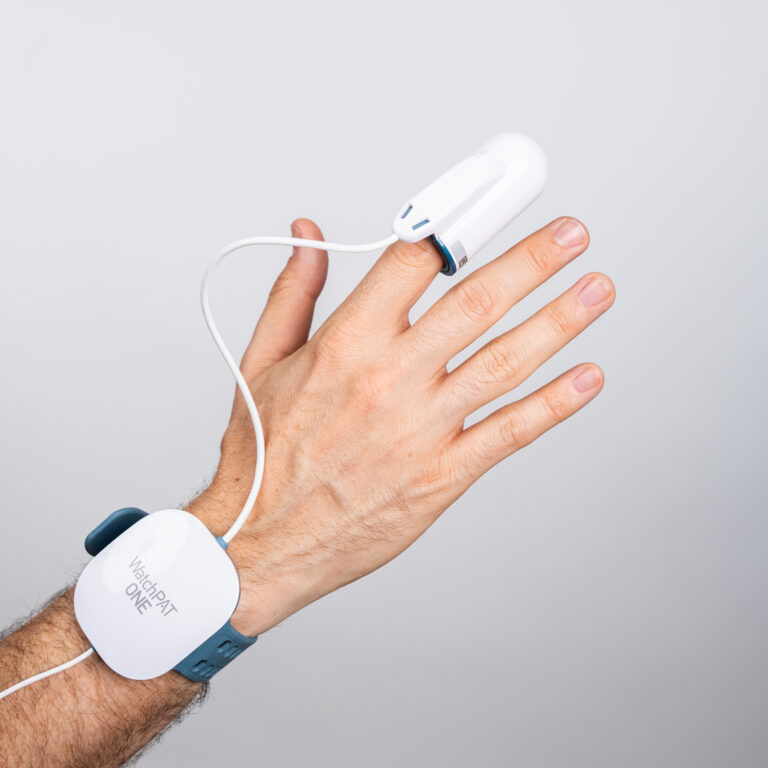
- Continuous Positive Airway Pressure (CPAP) Therapy: The most common and effective treatment for moderate to severe OSA, CPAP machines deliver pressurized air through a mask to keep the airway open during sleep.
- Oral Appliances: For mild to moderate OSA, custom-fitted oral appliances, similar to mouthguards, can reposition the jaw and tongue to prevent airway collapse.
- Lifestyle Modifications: As mentioned, weight loss, avoiding alcohol and sedatives before bed, and changing sleep position can all help manage OSA symptoms.
- Surgery: In select cases, surgical interventions may be considered to address anatomical obstructions in the airway.
The Financial Burden: Out-of-Pocket Costs and Discount Programs
The cost of GLP-1 medications can be substantial. Monthly out-of-pocket expenses often reach several hundred dollars, presenting a significant financial barrier for many. Without insurance, Ozempic can cost approximately $499 per month. While some pharmacies offer discount programs or coupons, these may only offer marginal reductions, and the overall cost remains high.
With insurance, the out-of-pocket cost for Ozempic can vary widely depending on the specific plan. Some plans may reduce the cost to as little as $25 per month. To ascertain the precise cost associated with one’s insurance, contacting a representative from the insurance network is recommended.

Medicare’s coverage for GLP-1s in the context of sleep apnea is evolving. While Medicare does not cover Ozempic for sleep apnea, it does offer partial coverage for Zepbound for this diagnosis, with patients typically expected to pay around $50 per month.
The duration of insurance coverage for these medications can also be variable. Initial authorizations often span six months, with renewals contingent on documented progress, such as continued weight loss or updated physician notes. Some plans may extend coverage for up to 12 months at a time.
Looking Ahead: Research, Policy, and Patient Access
The growing understanding of the intricate relationship between obesity and sleep apnea, coupled with the advancements in pharmacotherapy, signals a promising future for managing this complex condition. As more research emerges and regulatory bodies like the FDA approve GLP-1s for specific indications like OSA, insurance policies are likely to adapt. The increasing number of clinical trials investigating the efficacy of various GLP-1s for sleep apnea will undoubtedly provide further data to support expanded coverage and treatment guidelines.
The journey to effectively treating sleep apnea, especially when linked to excess weight, involves a multifaceted approach. While medications like Ozempic and its counterparts offer a powerful new avenue, navigating the complexities of insurance, understanding treatment options, and embracing lifestyle changes remain critical components of achieving better sleep and overall health. Patients are encouraged to engage in open dialogue with their healthcare providers to explore all available avenues and to advocate for themselves within the healthcare system to ensure they receive the most appropriate and accessible care.