 admin
admin
Glucagon-like peptide-1 receptor agonists (GLP-1s), widely recognized for their efficacy in managing type 2 diabetes and facilitating significant weight loss, are increasingly being explored for their potential to alleviate symptoms of sleep apnea. Medications like Ozempic, while not directly approved for sleep apnea, fall into this class of drugs. The promise of improved sleep quality and reduced apnea events through weight management offered by these medications, however, is often met with a significant financial barrier for patients, primarily due to the complexities and limitations of insurance coverage. Understanding the nuances of this coverage, the pathways to potential approval, and alternative strategies is crucial for individuals seeking relief from sleep apnea.
The connection between excess weight and obstructive sleep apnea (OSA) is well-established. OSA occurs when the airway becomes partially or fully blocked during sleep, leading to pauses in breathing. These episodes, known as apneas and hypopneas, can disrupt sleep architecture, leading to daytime fatigue, cardiovascular strain, and a diminished quality of life. Studies indicate a substantial overlap between obesity and OSA, with estimates suggesting that a significant percentage of individuals with OSA are overweight or obese. Specifically, approximately 31% of people diagnosed with obstructive sleep apnea are classified as having obesity, while an additional 44% are considered overweight. This strong correlation has spurred research into the impact of weight-loss interventions on OSA symptoms.
The effectiveness of weight reduction in mitigating sleep apnea is not merely anecdotal. A comprehensive review of studies has demonstrated a compelling relationship: a 20% reduction in Body Mass Index (BMI) was associated with a remarkable 57% decrease in sleep apnea severity. This finding underscores the therapeutic potential of weight management strategies for OSA patients. GLP-1 receptor agonists have emerged as a powerful tool in achieving this weight loss. Beyond their direct impact on BMI, research suggests that these medications may also contribute to a reduction in waist circumference, a factor that can directly influence airway patency during sleep. Emerging research is also exploring the direct effects of these medications on respiratory function, independent of weight loss, though this remains an active area of investigation.
The landscape of FDA approval for GLP-1s and their indications for sleep apnea is evolving. Currently, Ozempic (semaglutide) is FDA-approved solely for the management of type 2 diabetes. It has not received approval for weight loss or for the treatment of sleep apnea. The FDA has, however, approved specific GLP-1s for weight management, including semaglutide under the brand name Wegovy, liraglutide (Saxenda), and tirzepatide (Zepbound). Among these, tirzepatide, marketed as Zepbound, has achieved a significant milestone: in 2024, the FDA granted approval for Zepbound for the treatment of moderate to severe OSA in adults who are obese. This approval was contingent upon robust clinical trial data demonstrating substantial reductions in the apnea-hypopnea index (AHI), a key metric for sleep apnea severity, following weight loss achieved with the medication.
Despite the growing evidence and the recent FDA approval for Zepbound, securing insurance coverage for GLP-1s for sleep apnea remains a complex and often frustrating endeavor. For Ozempic, given its lack of FDA approval for sleep apnea or weight loss, insurance coverage for these specific indications is typically denied. While healthcare providers may prescribe medications "off-label" – meaning for conditions not explicitly listed in their FDA approval – insurers generally do not cover drugs for such uses. This creates a significant financial burden, as out-of-pocket monthly costs for these medications can frequently range into the hundreds of dollars.

However, the picture is not entirely bleak. Insurance coverage for GLP-1s, even for off-label uses, can become a possibility when patients have comorbid health conditions that are approved indications for the medication. For instance, if an individual with sleep apnea also has type 2 diabetes, Ozempic may be covered by their insurance for diabetes management, with the resulting weight loss and potential improvement in sleep apnea symptoms serving as beneficial secondary effects. Similarly, some insurance plans may extend coverage for GLP-1s to address obesity-related health issues such as high cholesterol or high blood pressure. The specific criteria for such coverage vary significantly from one insurance provider to another. Therefore, individuals with a combination of OSA, a high BMI, and one of these other qualifying health conditions may find themselves eligible for GLP-1 coverage.
The recent FDA approval of Zepbound for OSA is anticipated to shift the coverage landscape. As payers begin to incorporate Zepbound into their formularies, more individuals may gain access to this specific GLP-1 for sleep apnea treatment. However, prior authorization requirements are common. These typically involve meeting specific criteria, such as a minimum BMI threshold, documented intolerance or failure of continuous positive airway pressure (CPAP) therapy, and evidence of prior structured weight loss attempts. This multilayered approval process necessitates detailed documentation from healthcare providers and can be a lengthy undertaking.
Navigating the intricacies of insurance coverage requires proactive engagement from patients and their healthcare providers. The first step involves thoroughly reviewing the insurance provider’s formulary, which is often accessible on their website. This document outlines which medications are covered under a specific plan and the associated copayments. For Medicare and Medicaid beneficiaries, similar online resources are available. If the online formulary proves confusing or difficult to interpret, contacting the customer service department directly, using the number on the back of the insurance card, is a recommended course of action to obtain specific copay information.
In instances where an insurance provider denies coverage for a prescribed GLP-1, the option of filing an appeal remains. A successful appeal often hinges on the provider’s ability to convincingly document the medical necessity of the medication. This process typically involves submitting a formal request to the insurer, outlining the patient’s specific health condition, the rationale for the prescribed treatment, and any alternative treatments that have been considered or attempted. Most plans allow for an internal appeal within a six-month timeframe. If this internal appeal is unsuccessful, patients may pursue an external review, where a third party evaluates the case. The appeal process can be initiated through the insurer’s website or by contacting their customer service.
For individuals whose insurance plans unequivocally deny coverage for GLP-1 medications, or if these medications are not deemed medically necessary by the insurer, alternative strategies are available. Consulting with a healthcare provider about other GLP-1 options, such as Zepbound, which now has specific FDA approval for OSA, is a prudent next step. If no weight-loss medication is covered, focusing on foundational lifestyle modifications remains highly effective. Exercise and dietary changes are not only encouraged for individuals on GLP-1s but also contribute to improved sleep apnea symptoms independently.
Achieving weight loss through dietary adjustments involves creating a calorie deficit, meaning consuming fewer calories than the body expends. This can be facilitated by reducing intake of high-calorie, low-nutrient foods, particularly those high in added sugars and saturated fats. Limiting the consumption of sugary and alcoholic beverages can also accelerate weight loss. It is important to acknowledge that individual responses to dietary interventions can vary, and a personalized approach, potentially guided by a registered dietitian or nutritionist, may be necessary. Consulting with a physician before making significant lifestyle changes is paramount, as they can offer medically sound recommendations tailored to the individual’s health history.
Complementing dietary changes with regular physical activity can further enhance the calorie deficit and promote overall health. The U.S. Department of Health and Human Services recommends a minimum of 150 to 300 minutes of moderate-intensity aerobic exercise or 75 to 150 minutes of vigorous-intensity exercise per week. Incorporating muscle-strengthening activities at least two days a week is also advised. Resistance training, in particular, is beneficial as increased muscle mass can elevate the resting metabolic rate, contributing to more efficient calorie expenditure.
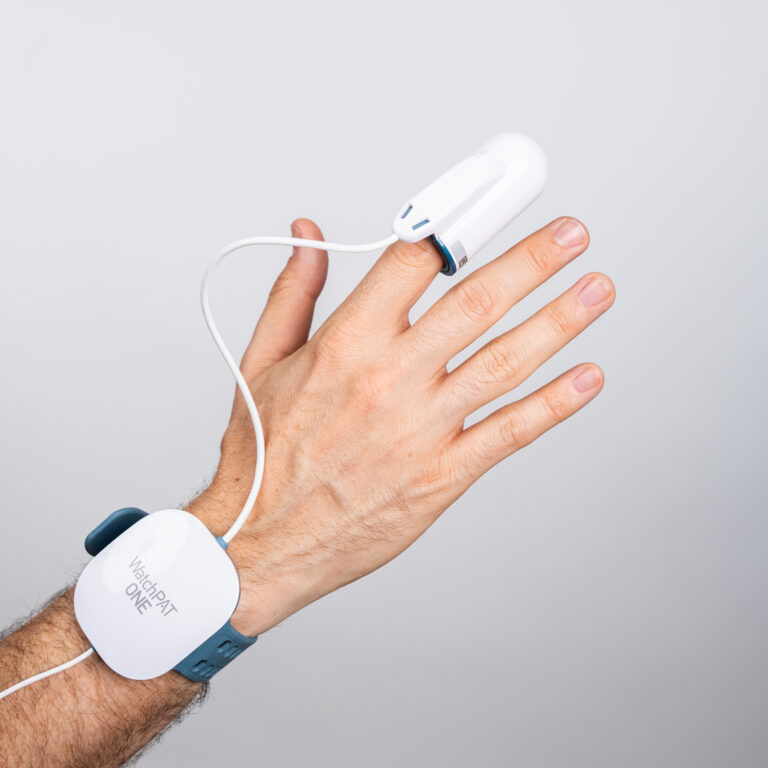
Beyond lifestyle modifications and pharmacological interventions, a range of established sleep apnea treatments remain crucial. These include the consistent use of CPAP devices, oral appliances designed to reposition the jaw and tongue, and, in some cases, surgical interventions to address airway obstruction. The decision regarding the most appropriate treatment plan should always be made in consultation with a qualified sleep physician, taking into account the severity of the sleep apnea, the patient’s overall health, and their individual preferences.
The financial aspect of managing chronic conditions like sleep apnea, especially when combined with the need for expensive medications, presents a significant challenge for many. The average monthly out-of-pocket cost for Ozempic without insurance is approximately $499, though discount programs may offer some relief, the costs remain substantial. With insurance, this cost can be significantly reduced, with some plans allowing copays as low as $25 per month. However, the duration of insurance coverage for these medications is not indefinite. Initial authorizations typically span six months, with potential for renewal contingent upon documented progress, such as sustained weight loss or updated medical notes from a physician.
The evolving landscape of GLP-1 medications and their potential role in managing sleep apnea highlights a critical intersection of pharmaceutical innovation, healthcare economics, and patient well-being. While the therapeutic promise is considerable, the financial barriers, particularly concerning insurance coverage, necessitate a comprehensive understanding of available options and a proactive approach to advocacy. As research continues and regulatory approvals expand, it is hoped that greater accessibility to these transformative treatments will become a reality for more individuals struggling with sleep apnea.
Frequently Asked Questions:
Does Medicare cover Ozempic for sleep apnea?
Medicare does not cover Ozempic specifically for sleep apnea. However, Medicare partially covers Zepbound, another GLP-1, for this diagnosis, with an estimated patient cost of around $50 per month.

How much is Ozempic without insurance?
Without insurance, Ozempic typically costs approximately $499 per month. While discount programs may be available, the overall expense remains considerable.
How much is Ozempic with insurance?
The cost of Ozempic with insurance varies significantly based on the individual’s plan. Some plans may reduce the monthly cost to as low as $25. To determine precise out-of-pocket expenses, contacting an insurance representative is recommended.
How long will insurance cover Ozempic for sleep apnea?
Insurance coverage duration for Ozempic for sleep apnea, or any related indication, depends on the specific plan and the patient’s medical history. Initial authorizations are often for six months, with renewals requiring demonstrated progress or updated medical documentation.
Medical Disclaimer: The content provided on this page is intended for informational purposes only and should not be construed as medical advice. It is imperative to consult with a qualified healthcare professional before making any decisions regarding medication or treatment changes.