
 admin
admin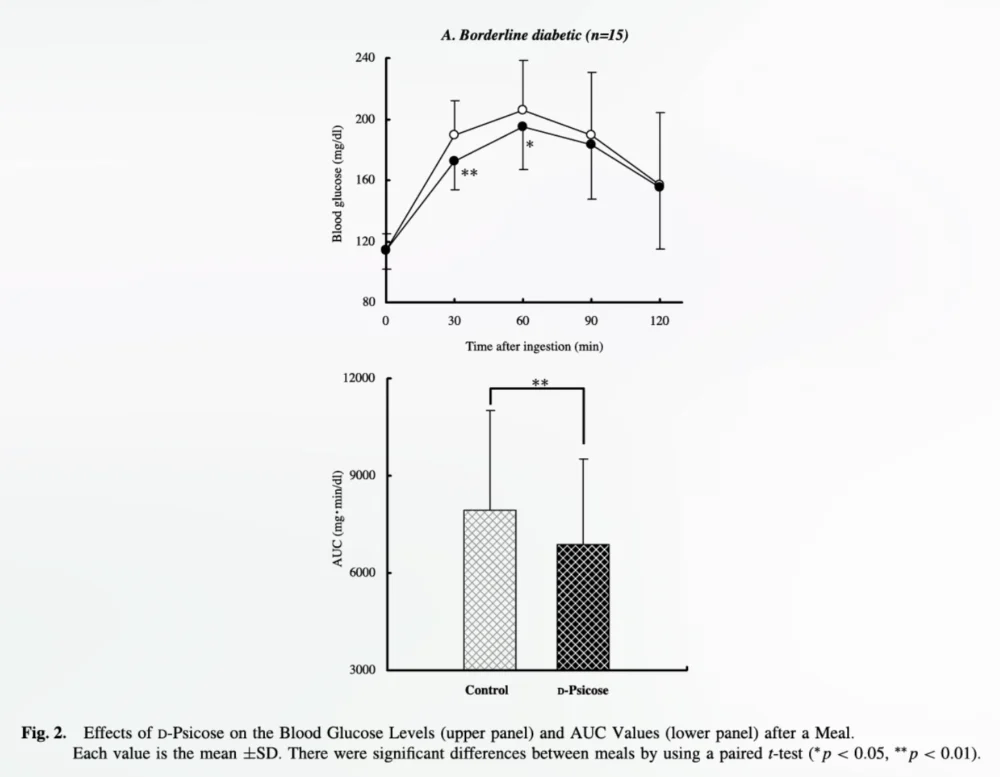
The quest for healthier sweetening alternatives has led to increased interest in allulose, a naturally occurring "rare" sugar that offers sweetness with significantly fewer calories and potential health benefits. Unlike traditional sweeteners such as refined sugar and high-fructose corn syrup, which are linked to a host of health issues including obesity, type 2 diabetes, and dental cavities, allulose presents a different profile. This has positioned it as a potentially attractive option in a market increasingly driven by health-conscious consumers.
The evolution of sweeteners can be broadly categorized into generations. The first generation, represented by sugar and high-fructose corn syrup, are abundant in calories and directly implicated in numerous chronic diseases. The second generation, artificial sweeteners like aspartame (NutraSweet), sucralose (Splenda), and saccharin (Sweet ‘N Low), offered a calorie-free alternative. However, concerns have emerged regarding their potential adverse effects, prompting further research and a search for safer options. This brings us to the third generation: sugar alcohols such as sorbitol, xylitol, and erythritol. While lower in calories, these can cause digestive distress, including laxative effects, and some, like erythritol, have recently faced scrutiny regarding potential cardiovascular risks, as highlighted in emerging studies.
Amidst this landscape, allulose, a monosaccharide, has gained traction. It is found in small quantities in foods like wheat, figs, and raisins. However, technological advancements, particularly in enzymatic engineering utilizing genetically modified microorganisms, now enable its large-scale production. This allows for its incorporation into a wider range of food and beverage products, making it more accessible to consumers seeking sugar alternatives.
Exploring the Potential of Allulose for Weight Management
Early research into allulose has explored its potential impact on body composition, particularly in relation to weight loss. A notable study involving over one hundred participants aimed to evaluate the effect of allulose supplementation on fat mass reduction. In this randomized controlled trial, participants were divided into groups receiving a placebo (sucralose), a teaspoon (4 grams) of allulose twice daily, or 1.75 teaspoons (7 grams) of allulose twice daily over a 12-week period. The findings indicated a significant decrease in body fat mass among those who received allulose, even without any changes in their physical activity levels or overall calorie intake. This suggests that allulose might influence metabolic processes related to fat storage or expenditure. Importantly, this study did not report significant adverse effects on LDL cholesterol levels in either of the allulose-consuming groups, a key concern for cardiovascular health.
This initial promise for weight management has fueled further investigation into allulose’s broader metabolic implications, including its potential role in diabetes management.
Allulose and its Impact on Diabetes Management: A Closer Look
The potential anti-diabetic effects of allulose have been a significant area of research. One randomized, double-blind, placebo-controlled crossover experiment investigated the immediate impact of allulose on blood sugar levels in individuals with borderline diabetes. Participants consumed a cup of tea containing either 1.25 teaspoons (5 grams) of allulose or a placebo with a meal. The results showed a statistically significant reduction in blood sugar levels 30 and 60 minutes post-consumption in the allulose group, with levels being approximately 15% lower compared to the control. However, this effect was transient and did not extend beyond the first hour.
To assess the long-term safety and efficacy, a subsequent study randomized healthy individuals to consume about a teaspoon (5 grams) of allulose three times a day with meals for 12 weeks. In this instance, no significant adverse side effects were observed. However, this trial also failed to demonstrate any notable effects on weight or blood sugar levels. This indicates that while acute, short-term reductions in blood sugar might be observed, the long-term impact on metabolic health, including weight management and sustained blood sugar control, remains less clear and potentially inconsistent.
Further research has yielded mixed results. Some studies on healthy participants have found no effect of allulose on blood sugar levels within two hours of consumption. Conversely, other studies involving individuals diagnosed with diabetes have reported some positive effects. A systematic review and meta-analysis of controlled feeding trials aimed to synthesize these findings. The analysis suggested that any acute benefit of allulose on blood sugar levels was of "borderline significance." This implies that the observed effect is small and potentially inconsistent, raising questions about its clinical relevance for meaningful long-term blood sugar control. The researchers involved often emphasize that simply adding allulose to the diet may not be sufficient; significant improvements in blood sugar management likely require broader dietary changes, such as reducing the consumption of processed and high-sugar foods.
Assessing the Safety Profile of Allulose: Good or Bad?

From a dental health perspective, allulose appears to be a positive development. Unlike traditional sugars, allulose is not metabolized by cavity-causing bacteria in the mouth to produce acid and promote plaque buildup. This makes it a tooth-friendly alternative. Furthermore, as noted in some studies, it generally does not significantly raise blood sugar levels, even in individuals with diabetes. Allulose is often classified as a "relatively nontoxic" sugar, a designation that has contributed to its growing popularity.
However, the definition of "relatively nontoxic" warrants a closer examination, particularly concerning potential gastrointestinal side effects.
Determining Safe Consumption Levels: How Much Allulose Is Too Much?
To understand the tolerance limits for allulose, researchers have conducted studies involving gradually increasing doses. In one such investigation, healthy adults were given beverages containing escalating amounts of allulose to identify the maximum single dose that could be consumed occasionally without severe adverse effects. No severe gastrointestinal symptoms were reported until a dose of 0.4 grams per kilogram of body weight was reached, which translates to approximately eight teaspoons for an average American adult. At a dose of 0.5 grams per kilogram of body weight, equivalent to about ten teaspoons, severe diarrhea was observed.
When considering daily intake, spread across multiple meals, the tolerance levels are slightly higher but still finite. In studies where participants consumed allulose in smaller doses throughout the day, some individuals experienced severe nausea, abdominal pain, headache, or diarrhea once they reached approximately 17 teaspoons (1.0 gram per kilogram of body weight) daily, depending on their individual weight.
Based on these findings, general recommendations suggest that most adults in the United States should aim to stay below single doses of around eight teaspoons (0.4 g/kg body weight). For daily consumption, it is advisable not to exceed approximately 18 teaspoons (0.9 g/kg body weight) spread throughout the day. Exceeding these thresholds increases the likelihood of experiencing significant gastrointestinal discomfort.
The Verdict on Allulose: A Promising Contender with Caveats
The question of whether rare sugars like allulose represent a truly healthy alternative to traditional sweeteners is complex. Proponents highlight the variety of potentially beneficial effects, including its low-calorie nature, positive impact on body fat reduction in some studies, and tooth-friendliness. Toxicological and metabolic studies have generally not revealed significant detrimental effects, positioning allulose as a promising rare sugar.
However, the current body of human data is still limited. The scientific community largely agrees that more extensive, long-term human studies are needed to fully understand the sustained health impacts of allulose consumption. The relatively short duration of most existing studies, coupled with the inconsistent findings regarding blood sugar control, suggests that it may be premature to definitively recommend rare sugars for widespread human consumption without further rigorous investigation.
The cautionary tale of erythritol serves as a pertinent reminder of the potential for emerging health concerns with sweeteners that were once considered safe. Recent research has linked high levels of erythritol in the blood to an increased risk of cardiovascular events, prompting a reevaluation of its long-term safety profile. This ongoing "erythritol debacle" underscores the critical importance of thorough, long-term research before broadly embracing new sweeteners as universally healthy options. While allulose shows considerable promise, continued scientific scrutiny and comprehensive human data are essential to confirm its long-term benefits and safety. The market’s embrace of allulose is driven by its appealing characteristics, but the scientific validation process is ongoing, urging a balanced perspective on its role in a healthy diet.






