admin
admin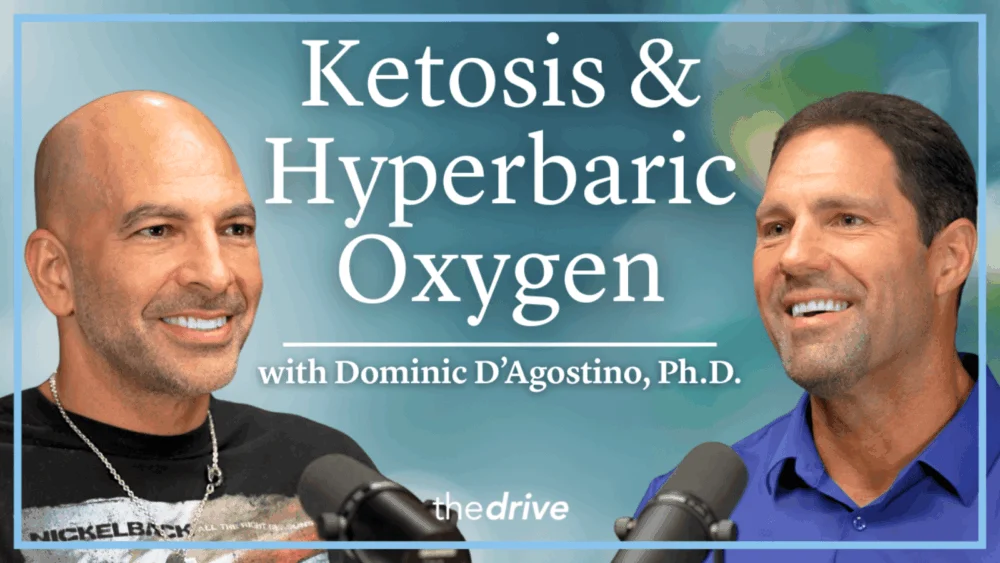
In a recent and extensive discussion on the podcast The Peter Attia Drive, neuroscientist and Associate Professor Dominic “Dom” D’Agostino joined Dr. Peter Attia to provide an in-depth examination of the evolving landscape of metabolic therapies. The dialogue, which bridged the gap between elite military physiological resilience and mainstream clinical applications, focused on the mechanistic underpinnings of ketosis, the therapeutic potential of exogenous ketones, and the synergistic effects of hyperbaric oxygen therapy. D’Agostino, a tenured professor at the USF Morsani College of Medicine and a Senior Visiting Research Scientist at the Institute for Human and Machine Cognition (IHMC), is widely recognized as a primary authority on how metabolic shifts can mitigate neurological insults and chronic disease.
The conversation serves as a pivotal update on the state of metabolic science, moving beyond the popular perception of the ketogenic diet as a mere weight-loss tool. Instead, the two experts positioned metabolic health as a cornerstone of longevity and a critical intervention for some of the most challenging pathologies in modern medicine, including glioblastoma and neurodegenerative disorders.
The Genesis of Metabolic Research: From Pharmacology to Physiology
Dr. D’Agostino’s scientific trajectory provides essential context for the current state of ketogenic research. Originally focused on traditional pharmacology, D’Agostino’s pivot toward metabolic therapy was driven by the limitations of anti-epileptic drugs. Despite decades of pharmaceutical advancement, a significant percentage of patients with seizure disorders remain "drug-resistant." In these cases, the ketogenic diet—a high-fat, low-carbohydrate nutritional intervention—frequently succeeds where synthetic compounds fail.
D’Agostino’s early work centered on redox mechanisms and superoxide production. By observing how different metabolites influenced oxidative stress under varying levels of oxygen, he began to uncover the neuroprotective properties of ketone bodies, specifically beta-hydroxybutyrate (BHB) and acetoacetate. This research eventually caught the attention of the Office of Naval Research (ONR), leading to a long-term collaboration aimed at solving a critical problem for elite divers: Central Nervous System (CNS) oxygen toxicity.
Military Applications: Solving the Oxygen Toxicity Puzzle
A significant portion of D’Agostino’s research is dedicated to the safety of Navy SEAL divers. The use of closed-circuit rebreathers, which allow divers to breathe 100% oxygen without releasing bubbles, is essential for stealth operations. However, breathing high-pressure oxygen (hyperoxia) can lead to sudden, violent seizures known as the "Paul Bert Effect." These seizures occur without warning and are often fatal in an underwater environment.
D’Agostino’s research demonstrated that the brain’s reliance on glucose under hyperoxic conditions increases oxidative stress and neuronal hyperexcitability. By shifting the brain’s primary fuel source from glucose to ketones, researchers observed a significant delay in the onset of oxygen-induced seizures. This discovery has profound implications for "physiological resilience," suggesting that metabolic states can be engineered to protect the human body against extreme environmental stressors. This work was further validated during D’Agostino’s participation in NASA’s NEEMO 22 mission, where he lived underwater to simulate the physiological demands of space travel.
Defining the Ketogenic Landscape: Nutritional vs. Supplemental Ketosis
A key takeaway from the dialogue is the distinction between nutritional ketosis—achieved through carbohydrate restriction—and supplemental (or exogenous) ketosis. D’Agostino defines meaningful ketone thresholds as those reaching 0.5 millimolar (mmol/L) or higher. While nutritional ketosis typically ranges from 1.0 to 3.0 mmol/L, exogenous ketones can rapidly elevate blood BHB levels regardless of dietary intake.
The market for exogenous ketones has expanded rapidly, moving from experimental esters to more palatable salts and precursors. D’Agostino categorized these into three primary groups:
- Ketone Salts: BHB bound to minerals like sodium, potassium, or magnesium. These are effective for moderate elevation and are often used for athletic performance or cognitive clarity.
- Ketone Esters: Highly potent compounds that can elevate ketones to "pharmacological" levels (above 3.0 mmol/L). While effective, they are often characterized by a harsh taste and higher cost.
- 1,3-Butanediol: A precursor that the liver metabolizes into BHB.
The discussion also highlighted "ketone-sparing" strategies, such as the use of Medium Chain Triglyceride (MCT) oil and Alpha-GPC, which can enhance the duration and efficacy of ketosis. For those utilizing these therapies for weight loss, D’Agostino cautioned against the common mistake of neglecting protein. Maintaining adequate protein intake is essential for preserving lean muscle mass, especially when the body is in a caloric deficit or a deep state of ketosis.
Clinical Breakthroughs: Cancer and Neurodegeneration
The most impactful segment of the discussion revolved around the "Metabolic Theory of Cancer." D’Agostino and Attia reviewed the role of ketogenic therapy as an adjuvant treatment for glioblastoma multiforme (GBM), a highly aggressive brain cancer. Because cancer cells are often "glucose-dependent" (the Warburg Effect), a ketogenic diet can theoretically starve tumors of their primary fuel source while providing ketones to healthy brain tissue, which possesses the metabolic flexibility to switch fuels.
Furthermore, ketones act as signaling molecules. BHB has been shown to inhibit the NLRP3 inflammasome, a complex involved in the inflammatory response. This anti-inflammatory property makes ketosis a promising intervention for neurodegenerative diseases like Alzheimer’s and Parkinson’s, where neuro-inflammation and glucose hypometabolism are central features of the pathology.
Hyperbaric Oxygen Therapy (HBOT) and Cognitive Recovery
Expanding on the theme of oxygen, D’Agostino outlined protocols for Hyperbaric Oxygen Therapy (HBOT). While high-pressure oxygen can be dangerous (as seen in the Navy research), controlled hyperbaric sessions have shown success in treating Traumatic Brain Injury (TBI) and enhancing cognitive function.
The synergy between HBOT and ketosis is a burgeoning area of interest. HBOT increases the dissolved oxygen in the plasma, reaching tissues that may have poor blood flow. When combined with the anti-oxidant effects of ketones, this duo may accelerate healing in damaged neural tissues. D’Agostino suggested that fasting or ketone supplementation prior to HBOT sessions might provide a protective "buffer" against the potential oxidative stress of the treatment while maximizing the regenerative signals.

The Carnivore Diet and Autoimmune Resilience
The conversation touched upon the "carnivore diet" as a specialized variant of the ketogenic diet. While controversial in mainstream nutrition, D’Agostino noted its clinical relevance for patients with severe autoimmune conditions and certain metabolic dysfunctions. By acting as an ultimate "elimination diet," the carnivore approach removes common plant-based irritants and allergens, often leading to a rapid reduction in systemic inflammation. When structured correctly, it remains a ketogenic protocol that can drive the same neurological benefits discussed throughout the episode.
Analysis of Implications and Future Outlook
The dialogue between D’Agostino and Attia represents a shift in the medical zeitgeist. For decades, metabolic interventions were relegated to the fringes of "alternative medicine." However, the rigor of D’Agostino’s work—funded by the Department of Defense and validated by peer-reviewed publications—has moved metabolic therapy into the realm of evidence-based clinical practice.
The implications for public health are substantial. As the global population faces an epidemic of metabolic syndrome, type 2 diabetes, and obesity, the ability to "metabolically switch" the body through diet or supplementation offers a non-pharmacological pathway to health span extension. In the field of oncology, the integration of metabolic strategies could enhance the efficacy of standard-of-care treatments like radiation and chemotherapy.
The ongoing research at the USF Morsani College of Medicine and the IHMC continues to refine these protocols. As more data emerges on the long-term effects of exogenous ketones and the optimal "dosage" of nutritional ketosis, it is likely that metabolic therapy will become a standard component of personalized medicine.
Chronology of Key Research Milestones
- Early 2000s: D’Agostino transitions from traditional neuroscience to the study of metabolic precursors in epilepsy.
- 2010-2012: Initial breakthroughs in using ketones to prevent CNS oxygen toxicity in Navy divers, funded by the ONR.
- 2016: D’Agostino’s research gains mainstream attention through various scientific forums, highlighting the link between ketosis and cancer suppression.
- 2017: Participation in NASA’s NEEMO 22 mission, providing data on metabolic health in extreme, high-stress environments.
- 2020-Present: Expansion into "Metabolic Psychiatry" and the study of ketones for mood disorders and cognitive decline.
As the episode concluded, both experts emphasized that while the science is robust, individuals should consult with healthcare professionals before embarking on intensive ketogenic or hyperbaric protocols. The mission remains clear: to provide rigorous, evidence-informed insights that allow individuals to leverage their own biochemistry for the sake of longevity and resilience.