admin
admin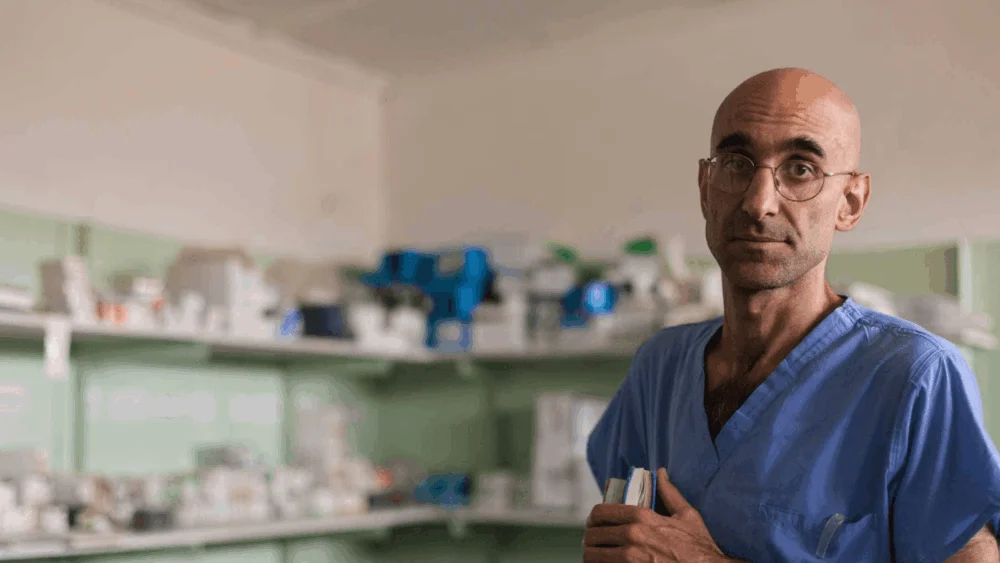
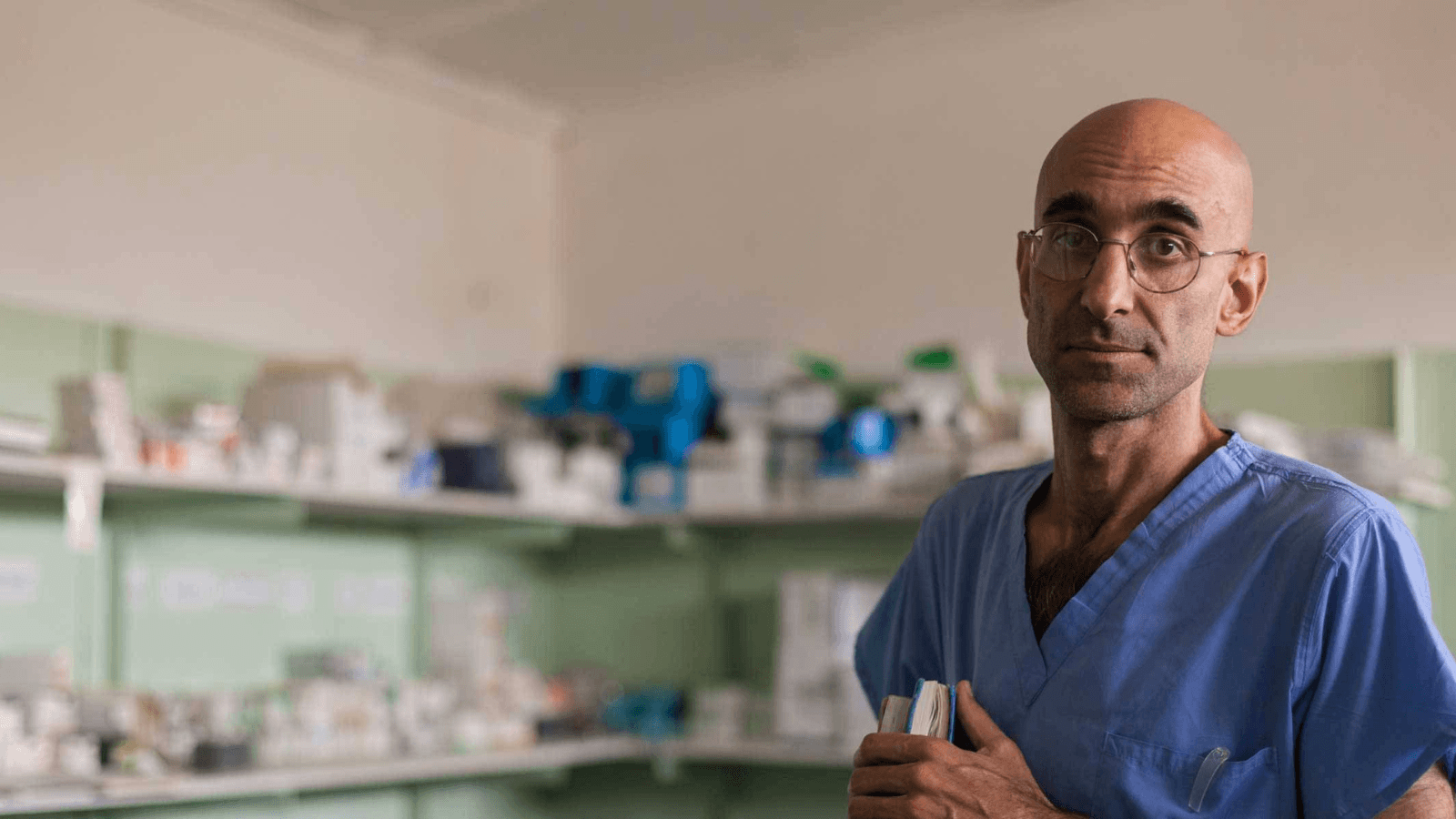
The ongoing conflict in Sudan, characterized by the United Nations as the world’s most severe humanitarian crisis, has brought renewed international attention to the precarious state of healthcare in the region. Amidst a landscape of systemic violence, famine, and displacement, Mother of Mercy Hospital in the Nuba Mountains remains one of the few functional medical outposts serving millions. At the center of this operation is Dr. Tom Catena, an American missionary surgeon who has spent the last two decades providing life-saving care in an area frequently targeted by military aggression and isolated by humanitarian blockades.
The Escalation of the Sudanese Humanitarian Crisis
In early 2023, the fragile peace that had settled over parts of Sudan was shattered by a violent power struggle between the Sudanese Armed Forces (SAF) and the paramilitary Rapid Support Forces (RSF). The resulting war has displaced over 10 million people, creating a migratory surge into regions previously considered semi-stable, such as the Nuba Mountains.
The Nuba region, located in the South Kordofan state, has historically been a flashpoint for religious and political violence. The indigenous Nuba people have long been marginalized by the central government in Khartoum, leading to decades of intermittent warfare. The current conflict has exacerbated these tensions, resulting in what international observers describe as a deliberate strategy of starvation and medical deprivation. In 2024, the UN officially declared a state of famine in parts of Sudan, noting that a blockade against humanitarian aid has left millions without access to basic sustenance or medicine.
A Legacy of Medical Resilience: The Mission of Dr. Tom Catena
The history of Mother of Mercy Hospital is inextricably linked to the personal trajectory of Dr. Tom Catena. A graduate of Brown University and a former college athlete, Catena transitioned from a career in family medicine to missionary work in Africa. After gaining experience in Kenya, where he specialized in surgery and infectious diseases, he identified the Nuba Mountains as the region in most desperate need of medical intervention.
In 2008, working in conjunction with Catholic officials, Catena established Mother of Mercy Hospital in Gidel. At its inception, the facility was the only hospital in a region the size of Austria. For the first several years, Catena functioned as the sole physician, supported by a skeletal staff of seven international healthcare workers and a small group of local volunteers.
The defining moment for the hospital occurred in 2011 when civil war erupted. As international NGOs and foreign staff evacuated due to escalating air raids and ground combat, Catena chose to remain. He argued that his departure would leave the 750,000 Nuba people with no medical recourse. Over the ensuing decade, the hospital became a frequent target of aerial bombardment, forcing staff to perform surgeries in makeshift bunkers.
Operational Data and Clinical Impact
Despite the volatility of the region, Mother of Mercy Hospital has significantly expanded its capacity. In 2024, the facility and its network of 19 satellite outpatient clinics provided care for approximately 300,000 patients. This volume is particularly striking given that Dr. Catena remains the only permanent surgeon for a population now estimated at three million due to the influx of war refugees.
The clinical output of the hospital highlights the diverse challenges of practicing medicine in a conflict zone:
- Surgical Volume: In 2024 alone, the hospital performed 2,642 major surgeries, ranging from trauma-related amputations and shrapnel removal to emergency cesarean sections and abdominal procedures.
- Outpatient Services: The 19 satellite clinics managed over 212,000 patient visits, focusing on primary care, vaccinations, and the management of chronic conditions.
- Maternal and Pediatric Care: The hospital treated over 1,000 expectant mothers and hundreds of children suffering from acute malnutrition, a direct consequence of the regional famine.
The financial efficiency of the operation has also drawn the attention of global health analysts. Mother of Mercy Hospital operates on an annual budget of approximately $3 million. This figure covers all pharmaceutical supplies, surgical equipment, facility maintenance, and salaries for the entire staff. To put this in perspective, the cost of a single surgery at the facility averages roughly $25, and the total cost to train a local physician assistant is approximately $6,600—a fraction of the cost associated with medical training in Western nations.
Chronology of Key Events in the Nuba Region (2008–2024)
The following timeline illustrates the intersection of Dr. Catena’s mission with the broader geopolitical shifts in Sudan:
- 2008: Mother of Mercy Hospital opens in Gidel, Nuba Mountains.
- 2011: Conflict breaks out between the Sudanese government and the Sudan People’s Liberation Movement-North (SPLM-N). Foreign staff evacuate; Dr. Catena remains.
- 2014–2015: The hospital is repeatedly targeted by government Antonov bombers. Catena’s work gains international visibility through media reports and documentaries.
- 2017: Dr. Catena is awarded the Aurora Prize for Awakening Humanity, providing a $1.1 million grant that is reinvested into the hospital and its partner, African Mission Healthcare.
- 2020: A transitional government in Sudan signs a peace deal with various rebel groups, leading to a brief period of relative stability and the expansion of the hospital’s training programs.
- 2023: Full-scale war returns to Sudan, centered in Khartoum and Darfur but spilling into the Nuba Mountains. Millions of internally displaced persons (IDPs) seek refuge in the region.
- 2024: The UN declares Sudan the world’s worst humanitarian crisis. Mother of Mercy Hospital reports record patient volumes and severe resource shortages due to the ongoing blockade.
The Strategy of Sustainability: Local Training Initiatives
Recognizing that the long-term survival of healthcare in the Nuba Mountains cannot depend on a single individual, Dr. Catena and Mother of Mercy Hospital have prioritized the education of local residents. The hospital recently established a formal training school to build a sustainable healthcare workforce within the Nuba community.
In 2024, the school celebrated the graduation of its first class of 19 physician assistants. These graduates are deployed to rural clinics, where they are expected to provide care for an estimated 80,000 patients each over the course of their careers. By empowering local staff with clinical skills, the hospital aims to decentralize care and reduce the burden on the central facility in Gidel. This model of "task-shifting"—where mid-level providers take on roles traditionally held by doctors—is increasingly seen as a vital strategy for healthcare delivery in resource-limited settings.
International Response and Strategic Challenges
The international community’s response to the crisis in the Nuba Mountains has been a mix of diplomatic condemnation and logistical frustration. While the United Nations and various human rights organizations have denounced the attacks on civilians and the use of starvation as a weapon of war, the practical delivery of aid remains hampered by the refusal of combatants to grant safe passage.
Philanthropic organizations like African Mission Healthcare have stepped in to fill the void left by larger governmental aid agencies. These organizations emphasize a model of "direct-impact" giving, where funds are channeled directly to established mission hospitals that already possess the infrastructure and local trust to operate in "red zones."
However, the challenges remain immense. Recent reports indicate that in the last two weeks of 2024, at least 162 civilians, many of them children, were killed in air strikes targeting schools and medical facilities in the region. These attacks underscore the constant threat under which Dr. Catena and his staff operate.
Analysis of Broader Implications
The work of Dr. Tom Catena and the persistence of Mother of Mercy Hospital offer several critical insights for the field of global health and humanitarian aid.
First, the hospital’s survival demonstrates the importance of "presence" in humanitarian work. By remaining in the region during the height of the 2011 conflict, Catena built a level of trust with the local population that allowed the hospital to function as a community institution rather than an external entity. This trust is essential for navigating the complex tribal and political dynamics of the Nuba Mountains.
Second, the hospital serves as a case study in the economics of "last-mile" healthcare. The ability to provide comprehensive surgical and medical services on a $3 million budget suggests that high-impact healthcare is possible even in the most extreme environments, provided there is a focus on local capacity building and low-overhead operations.
Finally, the situation in Sudan highlights the limitations of international law in protecting medical neutrality. Despite the hospital’s clear humanitarian mandate, it has been subjected to the same violence as military targets. This reality poses a significant question for global policy: how can the international community protect essential healthcare infrastructure when the very state responsible for its protection is the one conducting the attacks?
Conclusion
As the conflict in Sudan enters another year, the role of Mother of Mercy Hospital remains pivotal. For the millions of people in the Nuba Mountains, the facility is more than a hospital; it is a symbol of endurance against a backdrop of systemic neglect. While Dr. Tom Catena has been recognized globally for his courage, the ongoing crisis suggests that the future of the Nuba people will depend on the continued expansion of local healthcare systems and a sustained commitment from the international community to break the blockades that currently stifle the region.