
 admin
admin
A growing body of research is exploring the potential impact of dietary interventions on male reproductive health, with a particular focus on nuts. While anecdotal evidence and preliminary studies have suggested benefits for erectile function and sperm quality, recent scientific investigations are providing more nuanced insights into the specific effects of various nuts, including walnuts, almonds, and hazelnuts. These studies, while sometimes yielding mixed results, underscore the complex interplay between diet and male fertility.
Early Promise: Pistachios and Erectile Function
The conversation around nuts and male sexual health gained significant traction in 2013 when a study highlighted the remarkable effects of pistachios. This research found that men experiencing erectile dysfunction (ED) who incorporated 100 grams of pistachios daily for three weeks reported a "significant improvement in erectile function." This finding was particularly noteworthy as it demonstrated a tangible clinical effect from a whole-food intervention, offering a promising avenue for non-pharmacological approaches to ED. The daily intake of 100 grams is roughly equivalent to a little more than three generous handfuls, a substantial but achievable dietary modification.
The positive outcomes observed in this initial study fueled further curiosity about the broader impact of nuts on male reproductive health. Subsequent research has aimed to replicate and expand upon these findings, investigating a wider range of nuts and a more comprehensive set of reproductive markers.
Navigating the Scientific Landscape: Beyond the Obvious
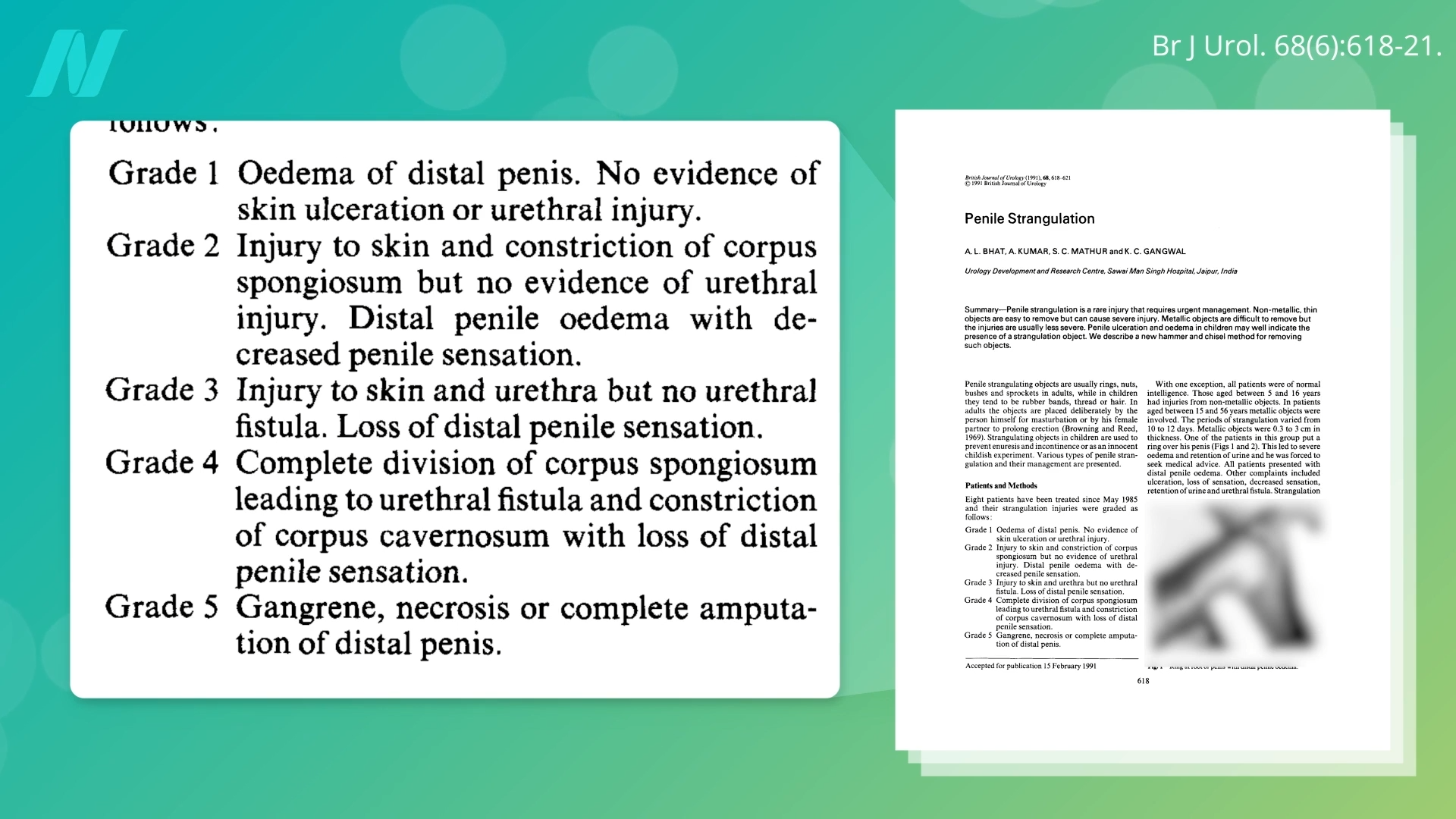
The exploration of nuts and sexual function in scientific literature is not without its eccentricities. While studies on the beneficial effects of hazelnuts on rat testicles, such as one titled "Hazelnut Consumption Improves Testicular Antioxidant Function and Semen Quality in Young and Old Male Rats," demonstrate a clear scientific pursuit of understanding, other findings can be more alarming. For instance, the medical literature has documented cases of penile strangulation involving non-edible nuts, such as a report of a man who applied a metal hex nut to his penis for sexual pleasure but was subsequently unable to remove it. This incident, while not directly related to dietary nut consumption, serves as a stark reminder of the diverse and sometimes perilous interactions with the term "nuts" in a medical context. Emergency room procedures for such entrapments can be complex, sometimes requiring specialized tools like dental drills or even resorting to methods involving a hammer and chisel when immediate access to advanced equipment is unavailable, highlighting the critical need for medical awareness of unusual scenarios.
Observational Data and the Search for Causality
While anecdotal evidence and early studies provided a foundation, more rigorous research is needed to establish clear cause-and-effect relationships. Observational studies have indicated correlations between nut consumption and improved reproductive health markers. One such study suggested that consuming at least one serving of vegetables daily and more than two servings of nuts weekly was associated with a more than 50% reduction in the probability of ED.
However, researchers caution that such observational data, while suggestive, cannot definitively prove causality. The observed associations could be influenced by confounding factors. For example, men who choose to eat nuts and a healthy diet may also be more likely to engage in other healthy behaviors, such as regular exercise. Therefore, improvements in sperm motility or sexual function might be attributable to these broader lifestyle choices rather than solely to nut consumption. This highlights the crucial need for interventional trials that can isolate the effects of specific dietary components.

The Randomized Controlled Trial: A Deeper Dive into Mixed Nuts
To address the limitations of observational studies, a randomized controlled trial (RCT) was conducted to investigate the effect of nut consumption on semen quality and functionality. This study involved healthy men who were divided into two groups: one consuming a standard American diet, and the other receiving the same diet supplemented with a mixture of nuts. The nut group consumed approximately 30 grams of walnuts and 15 grams each of almonds and hazelnuts daily.
The results of this RCT provided significant insights. Men in the nut-consuming group demonstrated notable improvements in several key sperm parameters:
- Total Sperm Count: A statistically significant increase was observed.
- Sperm Vitality: The percentage of viable sperm increased.
- Sperm Motility: The ability of sperm to move effectively improved.
- Sperm Morphology: The shape and structure of sperm showed positive changes.
A particularly interesting finding was the observed reduction in sperm DNA fragmentation (SDF) in the nut group. This suggests that the nuts may play a protective role in preserving the integrity of sperm DNA, a critical factor for successful fertilization and embryonic development.
Examining Erectile and Sexual Function: A More Complex Picture
While the RCT provided compelling evidence for improvements in sperm quality, the impact on erectile and sexual function presented a more complex scenario. The researchers did report a statistically significant increase in orgasmic function and sexual desire among men in the nut group. However, the reporting of these findings has been scrutinized, particularly due to the study’s partial funding by the International Nut and Dried Fruit Council.
When examining the specific outcomes related to erectile function, intercourse satisfaction, and overall sexual satisfaction, the results were less conclusive. The study indicated no significant improvement in these areas for the men who consumed the nut mixture. This raises questions about the clinical significance of the reported increases in orgasmic function and sexual desire, suggesting that while statistically observable, the impact may not translate to substantial improvements in everyday sexual experience for all individuals.
Reconciling Mixed Results: Age and Baseline Health as Key Factors
The discrepancy between the earlier pistachio study and the mixed-nut RCT, particularly regarding erectile function, can be attributed to several factors, most notably the baseline health and age of the participants.
The 2013 pistachio study focused on men aged 40-50 who had experienced chronic ED for at least a year. These individuals likely had underlying vascular issues contributing to their condition, and the pistachios may have provided a significant boost to their circulatory health, thereby improving erectile function.
In contrast, the participants in the mixed-nut RCT were, on average, much younger, with an average age of 24. These young, healthy men likely already possessed optimal or near-optimal circulatory function. In such cases, there is less room for dietary interventions to induce significant improvements in erectile function, as their systems may not be compromised in the same way as those with established ED. This suggests that the benefits of nuts might be more pronounced in individuals with existing deficits in reproductive health markers.
Implications for Public Health and Dietary Recommendations
The ongoing research into the effects of nuts on male reproductive health carries significant implications for public health recommendations. While the precise mechanisms and the extent of benefits may vary depending on the type of nut, the quantity consumed, and the individual’s baseline health, the overall trend suggests a positive role for nuts in supporting male fertility and sexual well-being.
- Sperm Quality: The RCT findings strongly support the inclusion of nuts in the diet for men seeking to optimize sperm quality, particularly in terms of count, motility, vitality, and DNA integrity. This could be relevant for individuals undergoing fertility treatments or those concerned about their reproductive potential.
- Erectile Function: While the evidence for direct improvement in ED from mixed nuts in healthy young men is limited, the earlier pistachio study and the general understanding of the cardiovascular benefits of nuts suggest that they may play a supportive role in maintaining vascular health, which is crucial for erectile function.
- Dietary Variety: The research emphasizes the importance of a balanced and varied diet. Incorporating a mix of nuts, along with fruits, vegetables, and other whole foods, is likely to yield the most comprehensive health benefits.
Future Directions and Ongoing Research
The scientific exploration of nuts and male reproductive health is an evolving field. Future research could focus on:
- Specific Nut Nutrients: Further investigation into the unique bioactive compounds within each type of nut (e.g., antioxidants, healthy fats, vitamins, and minerals) and their specific roles in male reproductive physiology.
- Dosage and Frequency: Determining optimal daily intake levels and frequency for various nuts to achieve the most significant benefits.
- Long-term Studies: Conducting longer-term longitudinal studies to assess the sustained impact of nut consumption on reproductive health across different age groups and health statuses.
- Mechanistic Pathways: Delving deeper into the biological mechanisms by which nuts influence sperm production, function, and vascular health.
As scientific understanding deepens, dietary recommendations can become more precise, empowering individuals to make informed choices about their nutrition for optimal reproductive health. The journey from early promising findings to robust, evidence-based recommendations is ongoing, but the current data suggests that nuts are a valuable component of a male-supportive diet.
Doctor’s Note: The exploration of scientific literature, while illuminating, can sometimes lead down unexpected paths. The investigation into penile strangulation incidents, while providing a stark contrast, underscores the importance of thoroughness in scientific inquiry and the need to distinguish between the beneficial and the detrimental. The initial video referenced, "Pistachio Nuts for Erectile Dysfunction," and another titled "Walnuts and Artery Function," offer further insights into this area. Readers are encouraged to explore related posts for a more comprehensive understanding of fertility and sexual function research.






