 admin
admin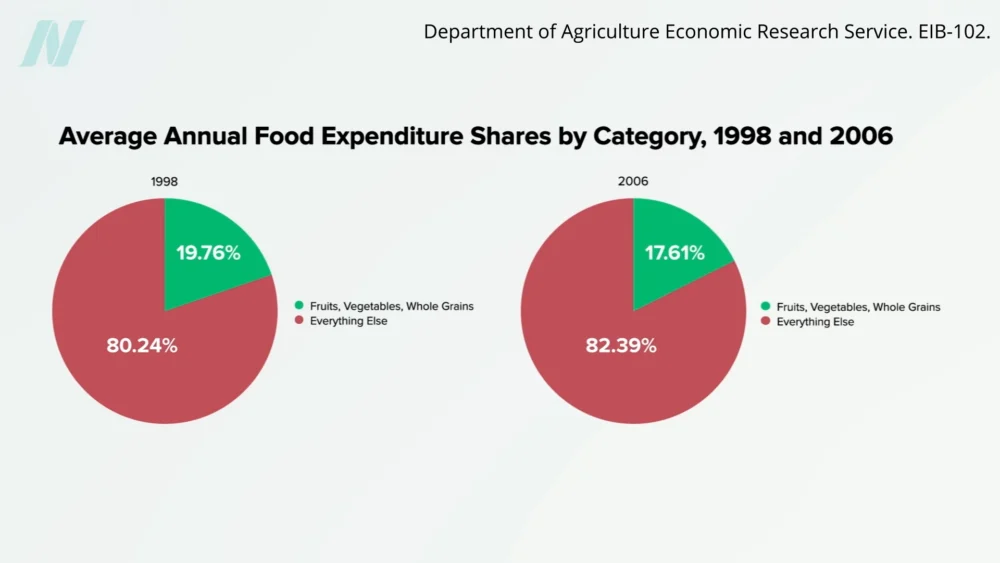
The quest for an optimal diet has long been a central focus of public health research and individual wellness endeavors. While vegetarian and plant-based diets are frequently lauded for their nutrient density, simply adhering to a vegetarian lifestyle does not automatically guarantee superior health outcomes. A critical distinction lies in the quality of the foods consumed, particularly the proportion of whole, nutrient-rich plant foods versus refined or processed options. Emerging research is highlighting the significant health benefits associated with a diet rich in phytochemicals, naturally occurring compounds in plants that offer potent protective properties. This has led to the development of innovative scoring systems designed to quantify dietary health, with the Phytochemical Index (PI) emerging as a particularly promising metric for assessing disease risk and promoting well-being.
Understanding the Phytochemical Index: A Measure of Plant-Based Potency
At its core, the Phytochemical Index offers a straightforward yet powerful method for evaluating the healthfulness of one’s diet. Defined as the percentage of dietary calories derived from foods rich in phytochemicals, the PI provides a quantifiable score, typically ranging from 0 to 100. This metric acknowledges that the true power of plant-based eating lies not just in the absence of animal products or refined foods, but in the active inclusion of nutrient-dense whole plant foods. Phytochemicals, often referred to as phytonutrients, are biologically active substances found in fruits, vegetables, whole grains, legumes, nuts, and seeds. These compounds are responsible for many of the observed health benefits associated with these foods, including antioxidant, anti-inflammatory, and hormone-modulating effects.
While direct quantification of phytochemicals in food or tissue samples can be complex, expensive, and time-consuming, the PI serves as an elegant proxy. By focusing on the caloric contribution of phytochemical-rich foods, it provides a practical and accessible way to assess dietary quality. A theoretical perfect score of 100 could be achieved by a diet composed entirely of whole, unprocessed plant foods, excluding refined grains, white potatoes, added oils, added sugars, and hard liquors. This ideal dietary pattern, often described as a whole-food, plant-based (WFPB) diet, represents the pinnacle of nutrient intake and disease prevention potential.
The Shift Away from Whole Foods: A Growing Public Health Concern
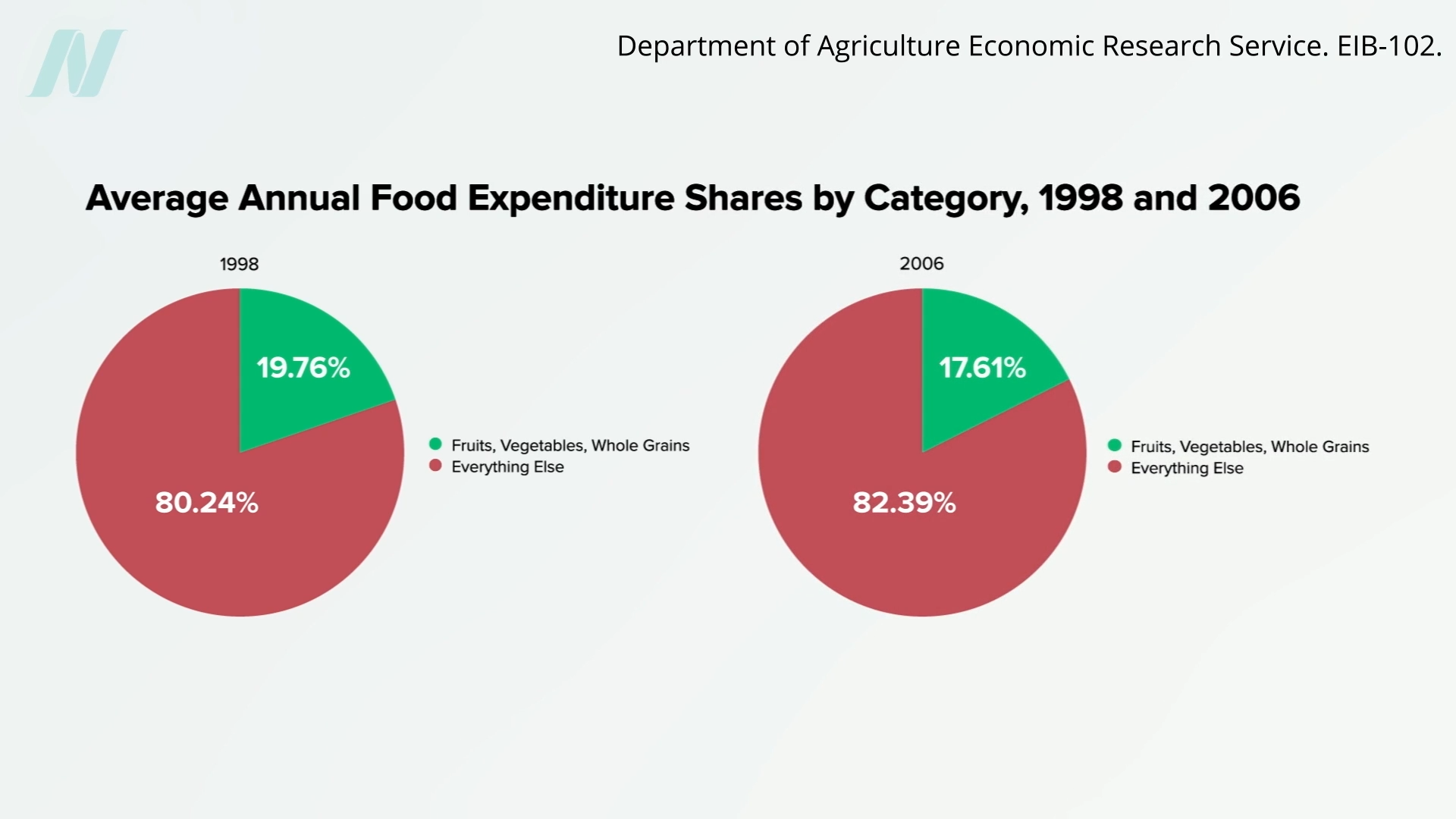
Despite the clear health advantages of diets rich in phytochemicals, current dietary patterns in many developed nations, particularly the United States, fall far short of this ideal. Data from the late 1990s indicated that whole plant foods constituted approximately 20% of the average American’s diet. However, more recent analyses suggest a concerning decline, with the proportion of whole plant foods actually shrinking. This trend is alarming, as it signifies a widespread reliance on processed foods, refined grains, and high-calorie, low-nutrient options, contributing to a collective PI score that may be as low as 20 for the general population. This dietary landscape, characterized by a high intake of refined carbohydrates and a low consumption of fruits, vegetables, and whole grains, is intrinsically linked to a rising tide of chronic diseases.
The Scientific Basis: Linking Phytochemical Intake to Health Outcomes
The scientific community has increasingly recognized the profound impact of diet on health, with a growing body of research specifically investigating the relationship between plant-based eating patterns and various health outcomes. Numerous studies have consistently demonstrated that vegetarian diets are associated with significantly lower body weight and body mass index (BMI) compared to non-vegetarian diets. This protective association extends beyond weight management, with high intakes of fruits, vegetables, whole grains, and legumes showing protective effects irrespective of meat consumption.
Researchers have actively sought to translate these observations into practical dietary guidance. The Phytochemical Index has emerged as a valuable tool in this pursuit. Studies utilizing the PI have correlated higher scores with a range of positive health markers. For instance, a significant body of research has explored the link between PI scores and weight management. Investigations tracking individuals over several years have revealed that even modest increases in whole plant food intake, reflected in higher PI scores, can contribute to preventing weight gain and reducing body fat. Importantly, these studies suggest that achieving optimal health is not an "all or nothing" proposition; any step taken to increase the proportion of whole plant foods in the diet can yield beneficial results.
Broadening the Scope: The PI’s Impact on Chronic Disease Prevention
The utility of the Phytochemical Index extends far beyond weight management. A substantial and growing body of evidence links higher PI scores to a reduced risk of numerous chronic diseases.

Metabolic Health and Diabetes Prevention
Studies have indicated that increased consumption of healthy plant foods, as measured by the PI, is associated with a significantly lower prevalence of metabolic syndrome and high blood pressure. For example, individuals with higher PI scores exhibit a substantially reduced risk of developing abdominal obesity and have significantly lower triglyceride levels. Furthermore, the PI has been identified as a "useful dietary target for weight loss," shifting the focus from calorie restriction to increasing the intake of nutrient-dense, lower-calorie plant foods. This approach is also showing promise in addressing childhood obesity.
The impact on insulin sensitivity is particularly noteworthy. Even at similar weights and body fat percentages, individuals consuming plant-based diets tend to exhibit higher insulin sensitivity. This improved insulin function is likely attributed to the anti-inflammatory and free-radical quenching properties of compounds found in plants. Research has demonstrated a progressive decrease in the odds of hyperinsulinemia, a key indicator of insulin resistance, with greater plant consumption. Consequently, individuals who derive more than half of their daily calories from healthy plant foods have been found to have a remarkable 91% lower risk of prediabetes.
Regarding hypertension, a three-year study found that individuals consuming more healthy plant foods had approximately half the odds of being diagnosed with hypertension. This underscores the potent cardiovascular benefits associated with a diet rich in phytochemicals.
Cancer Risk Reduction
The protective effects of a high-phytochemical diet are also evident in cancer prevention. Research has explored the link between the dietary phytochemical index and benign breast diseases, revealing a 70% lower risk in individuals with the highest PI scores. More critically, a high intake of healthy plant foods has been consistently associated with a lower risk of breast cancer. Studies have shown that doubling the proportion of plants in the diet compared to the standard American diet can lead to over a 90% reduction in the odds of developing breast cancer, even after accounting for a multitude of other contributing factors.
Mental Health and Well-being
The benefits of a plant-rich diet extend to mental health as well. Emerging research suggests a significant correlation between higher PI scores and improved mental well-being. Studies have indicated substantial reductions in depression, anxiety, and psychological distress among individuals who consume diets high in healthy plant foods. Specifically, individuals with higher phytochemical intake have reported approximately 80% less depression, two-thirds less anxiety, and 70% less psychological distress compared to those with lower intake. These findings highlight the holistic impact of diet on overall health, encompassing both physical and mental aspects.
Historical Context and Research Trajectory
The scientific exploration of diet and health has a long and evolving history. Early nutritional science focused primarily on essential vitamins and minerals. However, with the advancement of research methodologies and analytical techniques, the role of other dietary components, such as phytochemicals, has come to the forefront. The concept of a "phytochemical index" gained traction as researchers sought a more comprehensive way to assess the healthfulness of diets beyond simply counting macronutrients or micronutrients.
The foundational work by researchers like McCarty, who developed the phytochemical index, provided a crucial framework for this new approach. His initial research, dating back to the early 2000s, laid the groundwork for understanding the caloric contribution of plant-based foods and their potential health benefits. Over the subsequent decades, a wealth of studies has built upon this foundation, employing the PI to investigate its correlation with a wide array of health outcomes. This sustained research effort, involving meta-analyses of numerous studies and longitudinal tracking of populations, has solidified the PI’s standing as a robust and reliable indicator of dietary health.
Expert Perspectives and Future Directions
The growing body of evidence supporting the Phytochemical Index has garnered attention from public health officials and nutrition scientists. While direct statements from specific organizations regarding the PI are not detailed in the provided text, the consistent findings across numerous peer-reviewed studies suggest a strong consensus on the importance of whole plant foods. Researchers involved in these studies have often expressed optimism about the PI’s potential as a clinical tool. They have highlighted its utility in guiding patients toward healthier dietary choices and in potentially aiding in disease prevention and management.
The practical implications of the PI are significant. It offers a clear, actionable target for individuals seeking to improve their health. By focusing on increasing the proportion of fruits, vegetables, whole grains, legumes, nuts, and seeds in their daily caloric intake, individuals can proactively work towards a higher PI score and, consequently, a reduced risk of chronic diseases.
Future research is likely to continue exploring the nuanced relationships between specific phytochemicals, dietary patterns, and health outcomes. Further investigations may aim to refine the PI or develop similar indices that incorporate additional dietary factors. The ongoing commitment to understanding and promoting plant-based nutrition, with tools like the Phytochemical Index, holds immense promise for improving public health on a global scale.
Doctor’s Notes: Practical Applications and Further Resources
For individuals interested in further exploring the Phytochemical Index and its implications for their own health, several resources are available. The concept of calculating a "Healthy Eating Score," which is closely aligned with the PI, has been detailed in various educational materials. These resources often provide practical guidance on how to assess one’s current dietary intake and identify opportunities for improvement.
Concerns about protein intake, often a point of discussion regarding plant-based diets, have been addressed by extensive research confirming that well-planned vegetarian and vegan diets can provide adequate protein. Educational materials are available to guide individuals on achieving sufficient protein intake from plant-based sources.
The notion of "all or nothing" in dietary change is also being challenged. The growing understanding of "flexitarian" diets – those that predominantly feature plant-based foods but may occasionally include animal products – suggests that even partial adoption of plant-rich eating patterns can yield significant health benefits, potentially contributing to increased longevity.
Finally, it is crucial to differentiate between "plant-based" and "healthy." Not all vegan or vegetarian foods are inherently healthy. Processed vegan junk food, for example, may lack animal products but can still be high in refined sugars, unhealthy fats, and sodium. Therefore, understanding the distinction between whole plant foods and processed plant-based alternatives is essential for maximizing the health benefits of a plant-centric diet.