admin
admin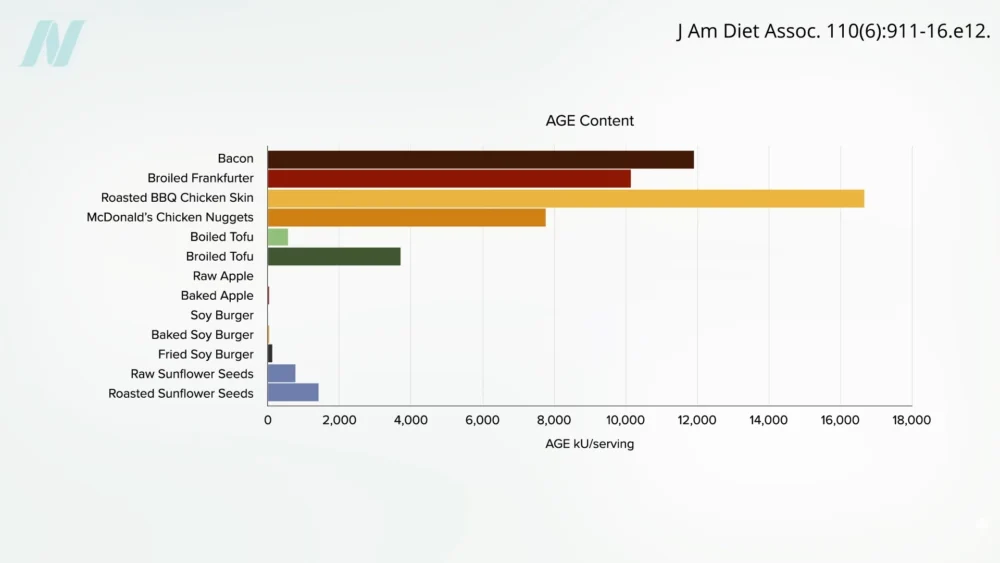
The burgeoning market for plant-based foods and superfoods has introduced a new contender: the baru nut, also marketed as "barukas" or baru almonds. Originating from the Brazilian Savannah, a biome known as the Cerrado, this seed is gaining traction for its purported health benefits. However, a closer examination reveals a complex picture when comparing it to more established nuts, particularly concerning its nutritional profile, cardiovascular impact, and the critical factor of preparation. While baru nuts hold potential for ecological conservation and offer a unique flavor, current research suggests that traditional nuts like almonds may offer more consistent and readily available health advantages.
The Cerrado’s Endangered Treasure: The Baru Nut’s Origin Story
The baru nut (Dipteryx alata Vog.) is a seed native to the Cerrado, a vast tropical savanna ecoregion in Brazil. This ecosystem, often referred to as the "upside-down forest" due to its deep root systems, is one of the most biodiverse and critically threatened biomes on Earth. Over the past three decades, extensive cattle ranching and the cultivation of feed crops to support this industry have led to widespread deforestation. The destruction of the Cerrado not only threatens its unique flora and fauna but also contributes to climate change through carbon release.
The potential economic viability of harvesting baru nuts presents a glimmer of hope for the preservation of this vital ecosystem. If it becomes more profitable to protect native trees and cultivate baru nuts than to clear land for agriculture and livestock, it could offer a sustainable livelihood for local communities and a financial incentive for conservation. This ecological dimension adds a layer of significance to the baru nut beyond its individual nutritional value, highlighting the intricate link between food choices, environmental health, and economic development.
Unpacking the Nutritional Content: Phytonutrients and Antioxidant Potential
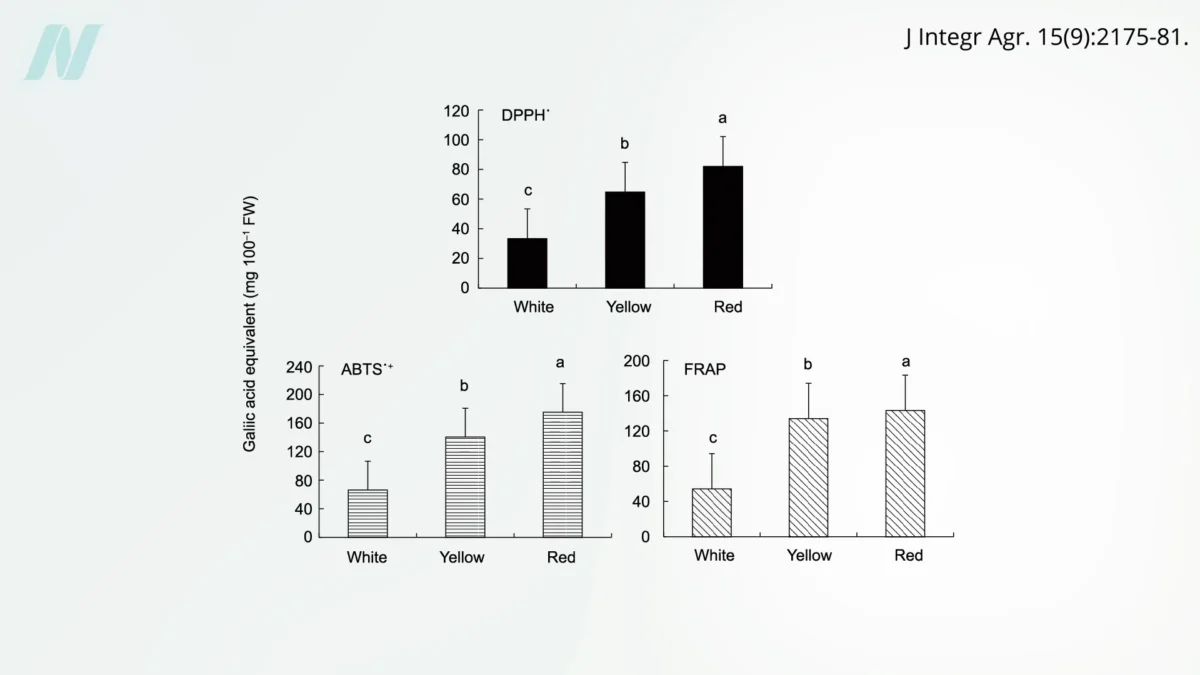
Baru nuts are recognized for their rich polyphenol phytonutrient content, which is believed to contribute to their significant antioxidant activity. Approximately 90% of these beneficial phytonutrients are concentrated in the nut’s peel. While promising, the specific biological properties and health impacts of these compounds in baru nuts have been the subject of limited scientific inquiry compared to more widely studied nuts.
Studies have indicated that baru nuts are indeed nutritious, offering a good source of protein, fiber, and healthy fats. Their flavor profile is often described as a blend of peanut and almond, with a slightly earthy undertone, making them a versatile ingredient in various culinary applications, from snacks to baked goods. However, the question remains whether these nutritional attributes translate into unique or superior health benefits for consumers.

Cardiovascular Health: Cholesterol Reduction and Comparative Efficacy
One of the primary areas of interest for baru nuts has been their potential to impact cholesterol levels. Early research, often conducted on animal models, suggested a positive effect. For instance, a study involving rats fed baru nuts demonstrated lower cholesterol levels, leading researchers to propose their "great potential for dietary use" in managing cholesterol. However, these findings were tempered by the fact that the comparison group was fed lard, a substance known to negatively affect cholesterol.
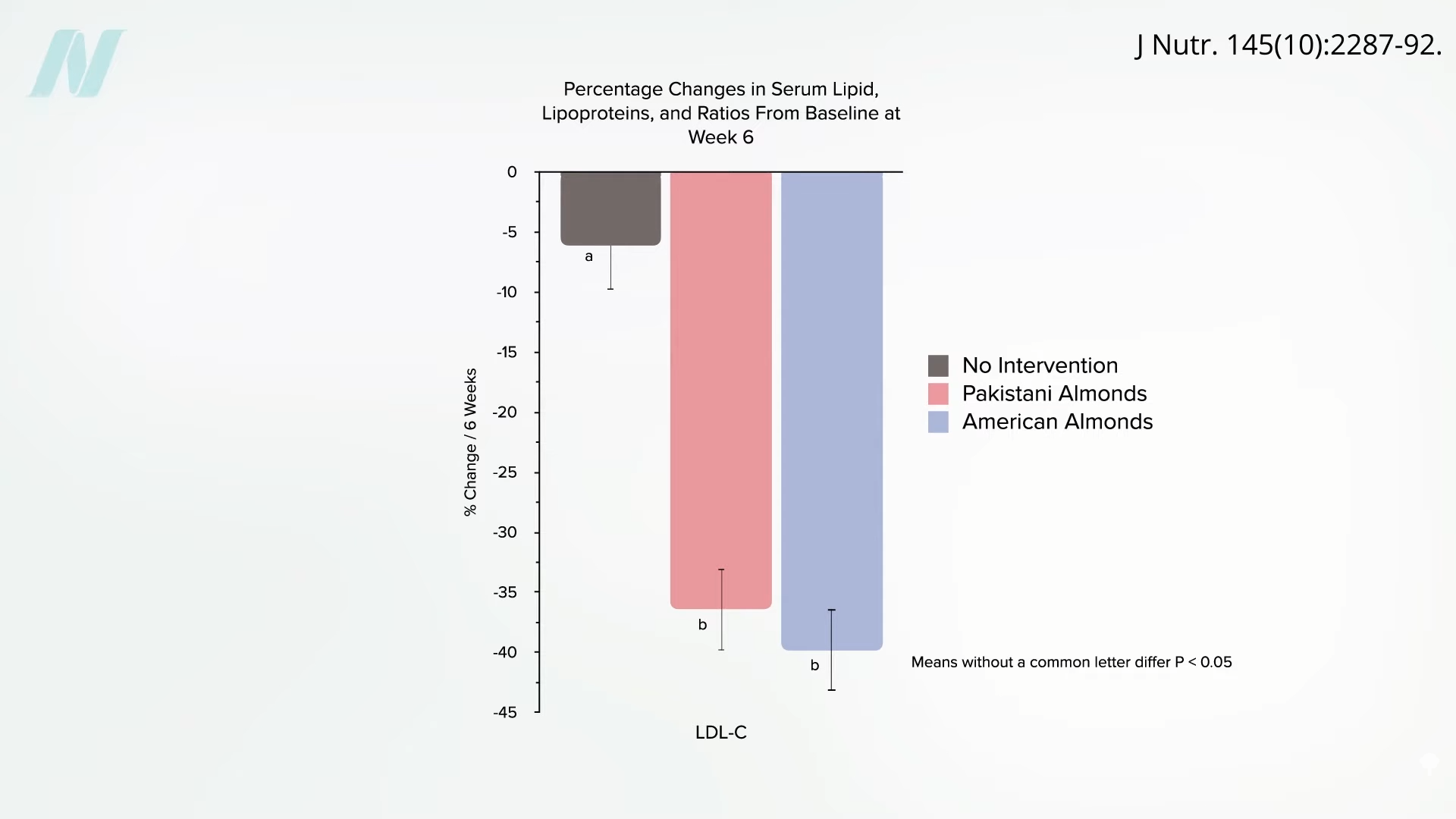
More compelling evidence emerged with a randomized, controlled human study that investigated the impact of baru nut consumption on cholesterol. This research found that individuals who consumed less than one ounce (approximately 20 grams, or about 15 nuts) of baru nuts daily for six weeks experienced a notable 9% reduction in LDL (low-density lipoprotein) cholesterol, often referred to as "bad" cholesterol. This finding positioned baru nuts as a potentially valuable dietary component for cardiovascular health.
However, when comparing this effect to that of regular almonds, a more nuanced picture emerges. The same study indicated that 20 grams of baru nuts achieved a similar LDL reduction to 73 grams of almonds. This suggests that on a per-serving or per-calorie basis, baru nuts might offer a more concentrated benefit for cholesterol management.
Despite this promising initial human trial, further research has introduced a degree of uncertainty. Another cholesterol trial involving baru nuts, where participants consumed 20 grams daily for eight weeks, found no significant benefit for LDL cholesterol. This discrepancy highlights the need for more extensive and varied human studies to definitively establish the consistent cardiovascular benefits of baru nuts.
In contrast, almonds have been the subject of numerous randomized controlled trials. Studies have shown that consuming as little as 25 grams of almonds daily for four weeks can lead to a 6% drop in LDL cholesterol. Even more striking are findings where a mere 10 grams of almonds (about seven nuts) per day resulted in a 30% reduction in LDL cholesterol over the same six-week period as the initial baru nut study. This suggests that regular almonds, particularly at specific dosages, may offer a more potent or at least a more consistently documented effect on LDL cholesterol reduction.
The robustness of the scientific evidence is a critical factor. The extensive body of research on almonds, spanning over a dozen randomized controlled trials, provides a higher degree of confidence in their cardiovascular benefits. The limited number of human trials on baru nuts, coupled with conflicting results in some instances, means that their long-term impact and optimal dosage for cholesterol management require further investigation.
The Unseen Factor: Advanced Glycation End-products (AGEs) and Preparation
A significant concern that differentiates baru nuts from many other popular nuts relates to their preparation and the presence of Advanced Glycation End-products (AGEs), also known as glycotoxins. Unlike many other nuts that can be safely consumed raw, baru nuts contain compounds that necessitate inactivation by heat before consumption. This is a crucial distinction for health-conscious consumers.
AGEs are compounds formed when proteins or fats react with sugars in the presence of heat. They are naturally present in some foods and can be significantly increased through cooking processes, particularly dry-heat methods like grilling, broiling, and roasting. AGEs have been linked to increased oxidative stress and inflammation in the body, contributing to chronic diseases such as diabetes, cardiovascular disease, and neurodegenerative disorders.
While AGEs are naturally present in uncooked animal-derived foods and can increase with dry-heat cooking, certain high-fat, high-protein plant-based foods can also generate them. Roasting, a common method for preparing nuts and seeds, significantly increases their AGE content. This is why experts often recommend consuming raw nuts and seeds, or their butters, whenever possible.
The inability to consume baru nuts in their raw form places them at a disadvantage compared to nuts like almonds, walnuts, or cashews, which are readily available and commonly consumed raw. This means that even if baru nuts possess superior nutritional qualities, the necessary cooking process to make them safe for consumption may introduce AGEs, potentially counteracting some of their health benefits. This is a critical consideration for individuals seeking to minimize their dietary AGE intake.
Ecological Impact and Consumer Choice: A Holistic Perspective
The ecological implications of baru nut cultivation offer a compelling reason to support its market development. As a native species of the Cerrado, promoting baru nuts can provide a sustainable economic alternative to deforestation. This aligns with growing consumer demand for ethically sourced and environmentally friendly products. By choosing baru nuts, consumers can indirectly contribute to the preservation of one of the world’s most endangered biomes.
However, the decision of which nut to include in one’s diet is often based on a combination of health benefits, availability, taste, and cost. While baru nuts present a unique proposition, their current status as a less-studied and heat-processed option warrants careful consideration.

The established track record of nuts like almonds, with their well-documented cardiovascular benefits and widespread availability in raw form, makes them a consistently reliable choice for many consumers. The significant body of scientific evidence supporting their health-promoting properties, particularly in cholesterol management, provides a strong foundation for their inclusion in a healthy diet.
Recommendations and Future Outlook
For individuals prioritizing cardiovascular health, the existing research strongly favors nuts like almonds, walnuts, and pistachios, which have a wealth of supporting scientific evidence and can be consumed raw. The consistent findings across numerous studies regarding their cholesterol-lowering effects and overall nutritional benefits make them a robust choice.
The potential for baru nuts to contribute to the conservation of the Cerrado is undeniable and deserves recognition. As research into baru nuts continues, further studies are needed to:
- Clarify their precise impact on human cardiovascular health: More randomized controlled trials are necessary to establish consistent dosages and outcomes for LDL cholesterol reduction and other cardiovascular markers.
- Investigate the full spectrum of their phytonutrients: A deeper understanding of the specific antioxidant and anti-inflammatory compounds in baru nuts and their synergistic effects is required.
- Develop safe and effective raw processing methods: If methods can be found to neutralize the problematic compounds in baru nuts without introducing AGEs, their appeal would significantly increase.
In the interim, while baru nuts may offer an interesting and ecologically conscious addition to the global food market, consumers seeking established health benefits, particularly for heart health, are well-advised to continue incorporating a variety of well-researched nuts, such as almonds, into their diets, preferably in their raw or minimally processed forms. The narrative of the baru nut is still unfolding, and its future impact on both human health and environmental conservation will depend on ongoing scientific investigation and market development.
The Doctor’s Note in the original context recommends a quarter cup of nuts or seeds daily, or two tablespoons of nut or seed butter, as part of the "Daily Dozen" checklist. This recommendation underscores the general health benefits attributed to nuts and seeds. For those unfamiliar with Advanced Glycation End-products (AGEs), foundational knowledge can be gained from educational resources that explain their formation and impact on health, particularly concerning cooking methods and dietary choices. The exploration of baru nuts highlights the evolving understanding of nutrition, where the origin, preparation, and scientific backing all play crucial roles in determining a food’s place in a healthy and sustainable diet.