admin
admin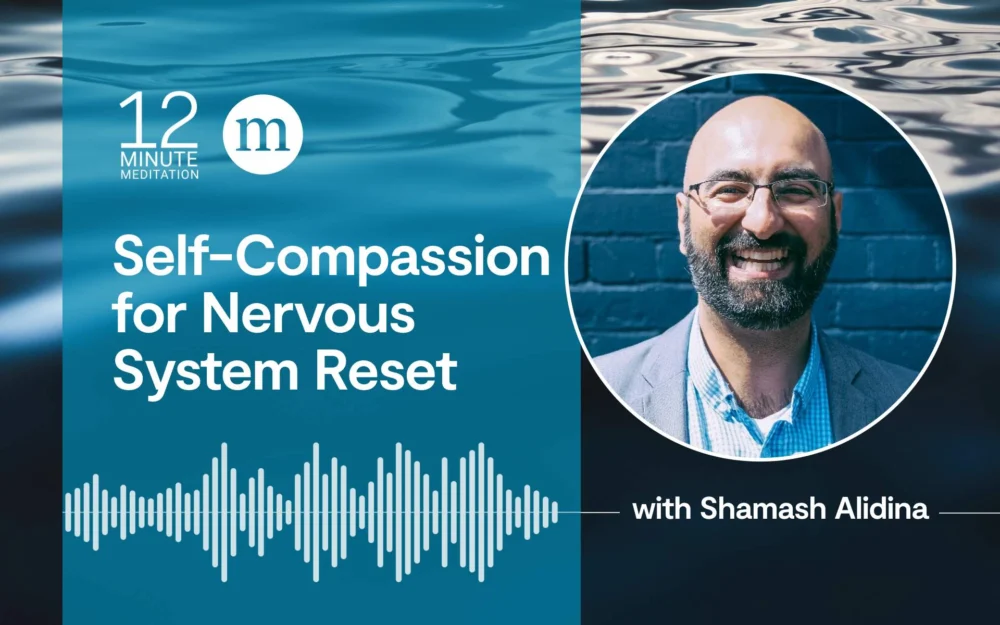
In an era increasingly defined by chronic stress and its pervasive impact on mental and physical health, a gentle yet profoundly effective practice is gaining significant traction: self-compassion. Far from being a mere indulgence, self-compassion is being championed by leading mindfulness educators, including London-based teacher Shamash Alidina, as a crucial tool for navigating the relentless demands of modern life. Alidina, a seasoned practitioner and author known for his accessible approach to mindfulness, highlights self-compassion as an instinctual go-to for healing and restoration, particularly when individuals find themselves entrenched in a debilitating stress cycle. His work underscores the powerful, often overlooked, capacity for individuals to calm their nervous systems and achieve a fundamental reset through intentional kindness towards themselves.
The Pervasiveness of Stress and Its Health Implications
The concept of a "stress cycle" is increasingly recognized by health professionals as a common experience in contemporary society. This cycle typically begins with a perceived threat or demand, triggering the body’s fight-or-flight response. The sympathetic nervous system activates, releasing hormones like cortisol and adrenaline, leading to increased heart rate, elevated blood pressure, and heightened vigilance. While essential for acute threats, prolonged activation due to chronic stressors – such as work pressure, financial worries, or relationship issues – can lead to a cascade of negative health outcomes. The World Health Organization (WHO) has identified stress-related conditions as a leading cause of disability worldwide, with mental health disorders like anxiety and depression frequently linked to chronic stress exposure. The American Psychological Association’s (APA) annual "Stress in America" survey consistently reports high levels of stress among adults, with significant percentages indicating that stress negatively impacts their physical health, mental health, and personal relationships.
Physiologically, chronic stress can suppress the immune system, increase inflammation, and contribute to a range of ailments including cardiovascular disease, digestive problems, and sleep disturbances. Mentally, it can impair cognitive function, reduce emotional regulation, and foster feelings of helplessness and overwhelm. The societal cost is immense, manifesting in decreased workplace productivity, increased healthcare expenditures, and a general decline in overall quality of life. Breaking this cycle is paramount for individual well-being and public health, making accessible and effective strategies like self-compassion vital.
The Evolution of Mindfulness and the Emergence of Self-Compassion
Mindfulness, rooted in ancient Buddhist contemplative traditions, has experienced a significant renaissance in the Western world over the past four decades. Pioneers like Jon Kabat-Zinn, who founded the Mindfulness-Based Stress Reduction (MBSR) program at the University of Massachusetts Medical School in the late 1970s, were instrumental in secularizing these practices and bringing them into mainstream medical and psychological contexts. Mindfulness, defined as paying attention to the present moment without judgment, has been extensively researched and proven effective in reducing stress, anxiety, and depression, while improving emotional regulation and cognitive flexibility.
While closely related, self-compassion emerged as a distinct, yet complementary, field of study and practice. Led by researchers such as Dr. Kristin Neff and Dr. Christopher Germer, self-compassion extends the principles of mindfulness by specifically applying kindness and understanding to one’s own suffering. It is typically understood as comprising three core components:
- Self-kindness versus self-judgment: Treating oneself with warmth and understanding rather than harsh criticism during times of difficulty.
- Common humanity versus isolation: Recognizing that suffering and personal inadequacy are part of the shared human experience, rather than feeling isolated by them.
- Mindfulness versus over-identification: Holding one’s painful thoughts and emotions in balanced awareness, without suppressing them or getting swept away by them.
Research has consistently demonstrated that self-compassion offers unique benefits beyond general mindfulness. Studies have shown it to be a powerful buffer against burnout, improve body image, foster healthier relationships, and enhance resilience in the face of adversity. Neuroscientific findings suggest that practicing self-compassion activates brain regions associated with caregiving and reward, promoting a sense of safety and calm, which directly counteracts the stress response. This scientific validation has cemented self-compassion’s place as a legitimate and powerful intervention in mental health.
Shamash Alidina’s Accessible Approach to Self-Compassion
Shamash Alidina stands as a prominent voice in the global mindfulness community, distinguished by his ability to translate complex practices into accessible, practical guidance. His journey into mindfulness began in 1998, a period when the practice was still relatively niche in Western therapeutic contexts. This early immersion provided him with a profound understanding of its transformative potential, leading him to dedicate his career to teaching and disseminating these invaluable tools. Since 2010, Alidina has been teaching mindfulness full-time, building a successful training organization and establishing himself as an internationally recognized expert.
Alidina’s philosophy emphasizes that while stress is an inevitable part of life, suffering is often exacerbated by self-criticism and a lack of self-understanding. He proposes that self-compassion, though not always an instinctual response, can be cultivated through deliberate practice. In his meditation teachings, he offers practical methods to invoke self-compassion when stress levels peak, designed to halt the spiraling negative thoughts and physiological arousal that characterize a stress cycle.
While the original article does not detail the "three ways" Alidina specifically offers, based on common self-compassion practices and Alidina’s teaching style, these would likely revolve around:

- Mindful Recognition of Suffering: Encouraging individuals to pause and acknowledge their feelings of stress, anxiety, or pain without immediately trying to fix or suppress them. This involves bringing a gentle, non-judgmental awareness to the present moment experience of distress. By simply noticing the physical sensations and emotional tones, one creates a small space between the self and the suffering.
- Connecting to Common Humanity: Guiding individuals to remember that they are not alone in their suffering. Stress, struggle, and imperfection are universal human experiences. This practice helps to counteract feelings of isolation and inadequacy, fostering a sense of shared experience that can be incredibly validating and soothing. It might involve a simple internal statement like, "This is a moment of suffering, and suffering is a part of life for everyone."
- Offering Self-Kindness: Instructing individuals to actively offer themselves comfort and care, much as they would a dear friend. This could involve placing a hand over the heart, offering soothing words ("May I be kind to myself in this moment," "May I be free from suffering"), or taking a few deep, calming breaths. The aim is to activate the body’s natural soothing system, moving from a state of fight-or-flight to one of rest-and-digest.
These practices, when integrated into daily life, are designed to create a powerful "pause" that interrupts the stress response, allowing the nervous system to regulate and reset. This reset is not merely a temporary respite but a foundational shift towards greater emotional resilience and well-being.
A Chronology of Influence: Shamash Alidina’s Journey
Shamash Alidina’s career reflects a sustained commitment to making mindfulness and self-compassion accessible to a broad audience.
- 1998: Alidina begins his personal practice of mindfulness, laying the groundwork for his future professional path.
- 2009: His seminal work, Mindfulness For Dummies, is published. This book played a crucial role in demystifying mindfulness for the general public, translating complex concepts into an easy-to-understand format. Its success cemented his reputation as an approachable and effective communicator in the field.
- 2010: Alidina transitions to teaching mindfulness full-time, establishing his own training organization. This marked a significant expansion of his reach, allowing him to conduct workshops and courses for individuals and organizations globally.
- Ongoing (2010-Present): He becomes a frequent voice in various media outlets, including newspapers, magazines, and radio shows, further broadening the public’s understanding of mindfulness. He continues to run online trainings, making his expertise available to an international audience, and speaks at conferences worldwide, sharing insights on stress reduction and mental well-being.
- 2018: He releases The Mindful Way Through Stress, a more focused exploration of how mindfulness and self-compassion can specifically address the challenges of stress. This book further solidifies his expertise in applying these practices to one of the most pressing health issues of our time.
Based in London, Alidina’s global footprint demonstrates the universal applicability and growing demand for effective stress management techniques.
Supporting Data on Self-Compassion’s Efficacy and Broader Implications
The growing body of scientific evidence supporting self-compassion is compelling. Numerous studies have linked higher levels of self-compassion to reduced psychological distress, improved coping mechanisms, and enhanced life satisfaction. For instance, research published in journals such as Clinical Psychology Review and Journal of Personality and Social Psychology has shown that self-compassionate individuals exhibit lower rates of anxiety, depression, and rumination, and are better equipped to handle life’s challenges. They also tend to have greater emotional intelligence, more stable self-worth (less contingent on external validation), and healthier relationships.
From a public health perspective, the promotion of self-compassion holds significant implications. As mental health services face increasing strain, scalable and preventative strategies become essential. Teaching self-compassion, either through structured programs or accessible resources like Alidina’s, empowers individuals with tools for self-care, potentially reducing the burden on clinical services. In workplaces, cultivating self-compassion can lead to a more resilient workforce, reducing burnout and improving overall job satisfaction and productivity. Educational institutions can integrate self-compassion into curricula, equipping younger generations with vital emotional regulation skills from an early age.
Healthcare settings also stand to benefit immensely. Clinicians, often exposed to high levels of stress and secondary trauma, can utilize self-compassion practices to mitigate their own burnout and enhance their empathy towards patients. For patients, particularly those dealing with chronic illness or pain, self-compassion can improve psychological adjustment and quality of life. The shift from a purely biomedical model to one that incorporates holistic, mind-body approaches is gaining momentum, and self-compassion is a cornerstone of this evolution.
Statements and Reactions from the Mental Health Community
Leading mental health professionals consistently advocate for a multi-faceted approach to well-being, where self-compassion plays a pivotal role. Dr. Elizabeth Hoge, a psychiatrist specializing in anxiety disorders, often emphasizes the importance of self-kindness in managing emotional distress, stating that "treating yourself like a friend, rather than an enemy, can fundamentally shift your relationship with your own difficult experiences." Similarly, practitioners of Cognitive Behavioral Therapy (CBT) and Dialectical Behavior Therapy (DBT) increasingly integrate self-compassion exercises, recognizing their power to challenge self-critical thought patterns and promote emotional healing.
The public’s reception to self-compassion has also been overwhelmingly positive. As awareness grows, more individuals are seeking resources and practices that offer a gentler path to self-improvement and stress management. The accessibility of resources like Alidina’s books and online meditations caters to this demand, making sophisticated psychological tools available to anyone seeking relief from the pressures of modern life. This broad acceptance underscores a societal shift towards recognizing emotional well-being not as a luxury, but as a fundamental human right and a necessary component of a thriving life.
Conclusion
In conclusion, Shamash Alidina’s advocacy for self-compassion as a primary strategy for stress reduction and nervous system regulation resonates deeply with the contemporary challenges faced by individuals globally. As stress continues to impact public health and personal well-being, the scientifically validated practice of self-compassion offers a powerful, accessible, and sustainable solution. By cultivating self-kindness, recognizing our common humanity, and embracing mindful awareness, individuals can effectively interrupt the stress cycle, fostering resilience, emotional balance, and a profound sense of inner peace. Alidina’s dedicated work, spanning decades, continues to empower countless individuals to embrace this transformative practice, offering a vital pathway to healing and restoration in an increasingly demanding world.