
 admin
admin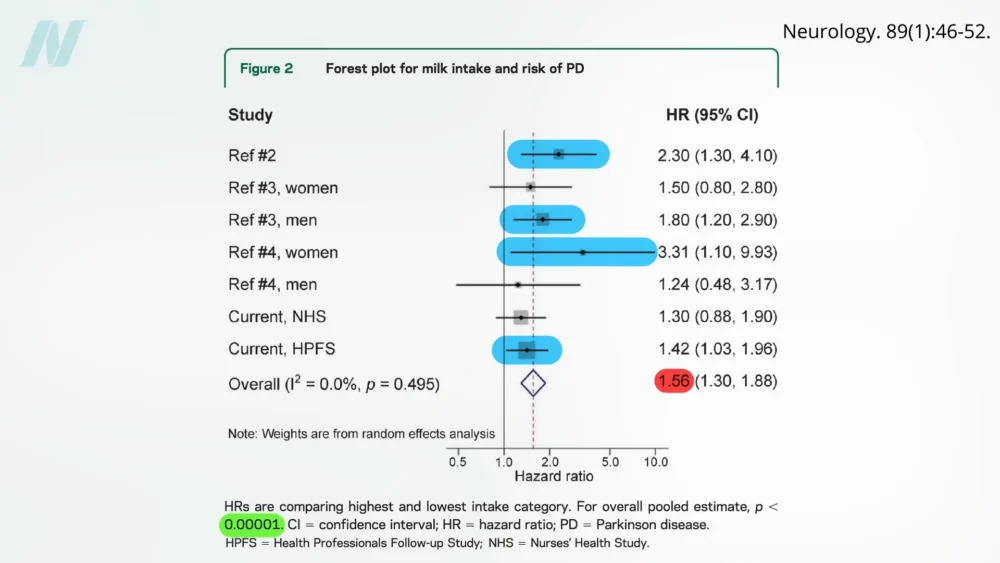
Parkinson’s disease, a relentless neurodegenerative disorder affecting millions worldwide, has long been a subject of intense scientific scrutiny. While its exact origins remain elusive, emerging research is casting a critical spotlight on dietary factors, with dairy consumption identified as the most potent dietary correlate for an increased risk of developing this debilitating condition. This association is not a fleeting observation; it is a consistent finding across numerous large-scale prospective studies, underscoring a significant and potentially preventable link between dairy intake and Parkinson’s disease.
The robust nature of this connection is further amplified by the findings of five substantial prospective studies, including the highly regarded Harvard cohorts: the Nurses’ Health Study and the Health Professionals Follow-up Study. These landmark investigations collectively monitored over 100,000 individuals for decades, amassing data that constitutes what is arguably the most extensive analysis to date of dairy consumption and Parkinson’s disease. The research meticulously examined over a thousand newly diagnosed cases, consistently revealing a correlation between dairy consumption and an elevated risk of Parkinson’s. The majority of these studies reported a significant increase in risk, estimating a nearly 50% higher likelihood of developing Parkinson’s in individuals who consumed the highest quantities of milk compared to those who consumed the least. The statistical significance of these findings is striking, with p-values falling below 0.00001, indicating an exceptionally low probability of such results occurring by chance—less than one in 100,000. This statistically powerful evidence, visualized in accompanying charts and detailed in extensive scientific literature, compels a deeper investigation into the underlying mechanisms.
Unraveling the Mechanisms: Heptachlor Epoxide and Neuronal Loss
For years, the direct cause behind this observed link remained a puzzle. A comprehensive review published approximately a year prior to some of the later studies concluded that "despite clear-cut associations between milk intake and incidence of Parkinson’s, there is no rational explanation." However, a significant clue emerged in subsequent research, with a study titled "Midlife milk consumption and substantia nigra neuron density at death" providing a potential pathway.
Parkinson’s disease is characterized by the progressive loss of dopaminergic neurons in the substantia nigra, a critical region of the brain responsible for motor control. Symptoms typically manifest only after a substantial proportion of these neurons have degenerated. This particular study meticulously investigated the relationship between milk consumption during midlife (ages 40s, 50s, and 60s) and the density of these crucial neurons observed in autopsied brains. The findings were stark: across all analyzed quadrants of the substantia nigra, neuron density was demonstrably higher in individuals who abstained from milk consumption and lowest in those who were the heaviest milk drinkers.
Even when individuals diagnosed with Parkinson’s disease were excluded from the analysis, a profound effect was still evident. Those who consumed approximately two cups (473 mL) of milk daily exhibited up to a 40% reduction in the number of vital nerve cells in most quadrants of this critical brain area. This observation strongly suggested that a component within milk was directly contributing to the depletion of brain cells.
Further investigation into the brains of the heaviest milk consumers revealed a startling prevalence of pesticide residues. In a significant portion of these individuals—specifically, 9 out of 10 brains examined—residues of heptachlor epoxide were detected. Heptachlor epoxide is a persistent organic pollutant, a breakdown product of the banned pesticide heptachlor. The widespread presence of this neurotoxic compound in the brains of those who consumed the most milk offers a compelling explanation for how milk consumption could be causally linked to an increased risk of Parkinson’s disease. The accumulation of such environmental toxins within brain tissue is known to exacerbate oxidative stress and inflammation, processes implicated in the pathogenesis of neurodegenerative diseases.
The Galactose Hypothesis: A Sweet but Dangerous Culprit?
While the presence of pesticide residues offers a tangible explanation, it is not the sole hypothesis under consideration. Another intriguing avenue of research points towards galactose, a sugar derived from lactose, the primary sugar found in milk. When lactose is ingested, it is broken down in the body into glucose and galactose.
Emerging evidence suggests that galactose may play a significant role in accelerating brain aging and potentially inducing pathological alterations similar to those observed in Parkinson’s disease. Researchers have utilized galactose in laboratory settings to experimentally induce aging in the brain, highlighting its potent impact on neuronal health. Within hours of consumption, galactose is readily absorbed by the brain. Studies indicate that for doses exceeding 100 mg/kg of body weight, galactose can trigger pathological changes in brain cells, mirroring the cellular damage seen in Parkinson’s disease.
Crucially, the amount of galactose that can induce these detrimental effects is readily achievable through regular milk consumption. Consuming just two glasses (approximately 473 mL) of milk per day can easily meet and surpass this threshold. Milk is the primary dietary source of galactose, making it a significant contributor to its systemic availability. Moreover, dopaminergic neurons, the very cells vital for preventing Parkinson’s disease, appear to be particularly vulnerable to galactose-induced damage. This heightened susceptibility is attributed to their greater vulnerability to oxidative stress, a cellular state that galactose is known to promote.

Galactose and Mortality: A Broader Impact
The potential neurotoxic effects of galactose may also extend to explaining the observed correlation between high milk consumption and increased mortality rates. While the saturated fat content of dairy has historically been implicated in cardiovascular health concerns, studies have consistently shown a higher mortality risk associated with milk drinking regardless of the fat content. Even skim milk, which is virtually fat-free, remains a significant source of lactose and, consequently, galactose. This suggests that the impact of milk on longevity may be driven by factors beyond its fat composition.
The widespread use of galactose in laboratory models to mimic cognitive aging underscores its profound implications for brain health. D-galactose, a metabolic byproduct of lactose, has been extensively employed in animal studies to replicate cognitive decline and age-related neurological changes through the induction of oxidative stress. This scientific precedent lends significant weight to the hypothesis that dietary galactose contributes to accelerated brain aging in humans.
Further research supports this notion, indicating that increased milk intake during midlife may be associated with a more rapid rate of cognitive decline. Individuals who reported drinking more than one glass (approximately 237 mL) of milk per day exhibited a greater likelihood of experiencing a decline in global cognitive function compared to those who reported drinking milk "almost never." This finding aligns with the understanding that galactose can induce cellular damage and promote aging processes within the brain, impacting cognitive abilities over time.
The Lactose-Free Paradox: Still a Galactose Concern
The potential for galactose to contribute to neurological issues raises questions about the efficacy of lactose-free milk products, such as those treated with the lactase enzyme. While these products are designed to break down lactose into glucose and galactose before consumption, the fundamental issue remains. The lactase enzyme simply facilitates the breakdown of lactose into its constituent sugars within the carton rather than in the digestive system. Consequently, individuals consuming lactose-free milk are still ingesting the same amount of galactose. This implies that simply switching to lactose-free milk may not mitigate the potential risks associated with galactose exposure, particularly for individuals concerned about neurological health.
Broader Implications and Future Research Directions
The convergence of evidence linking dairy consumption to Parkinson’s disease, coupled with the compelling hypotheses surrounding both heptachlor epoxide and galactose, presents a significant public health challenge. The ubiquity of dairy in Western diets necessitates a thorough understanding of these potential risks.
The presence of banned pesticides in food products, even at trace levels, highlights the persistent need for stringent regulatory oversight and environmental protection measures. The long-term accumulation of such toxins in the body can have profound and unforeseen health consequences, particularly for vulnerable populations.
Simultaneously, the role of dietary sugars, such as galactose, in neurological health warrants further investigation. While galactose is a natural component of milk, its metabolic effects on the brain, especially at the levels consumed through regular dairy intake, demand continued scientific exploration. Understanding the precise mechanisms by which galactose induces oxidative stress and cellular damage in dopaminergic neurons could pave the way for targeted interventions and dietary recommendations.
The implications of these findings extend beyond Parkinson’s disease. The connection between galactose and accelerated brain aging suggests a potential role in other age-related cognitive impairments and neurodegenerative conditions. Further research into the dose-response relationship between galactose intake and cognitive decline, as well as its interplay with other dietary and lifestyle factors, is crucial.
The scientific community continues to explore various facets of Parkinson’s disease etiology. Beyond dairy, other dietary components, such as uric acid levels, have also been identified as potential factors influencing the risk and progression of the disease. Research into the optimal uric acid "sweet spot" for neuroprotection offers another avenue for understanding the complex interplay of biological and dietary factors in Parkinson’s pathogenesis.
In conclusion, the association between milk consumption and an increased risk of Parkinson’s disease is a well-established scientific finding supported by extensive epidemiological data. While the precise culprit—whether the lingering shadow of the banned pesticide heptachlor epoxide or the seemingly innocuous milk sugar galactose—is still under active investigation, the evidence strongly suggests a need for cautious consideration of dairy intake, particularly for individuals seeking to mitigate their risk of neurodegenerative disorders. Continued rigorous research and public health awareness are paramount in unraveling this complex nutritional puzzle and safeguarding brain health for future generations.






