
 admin
admin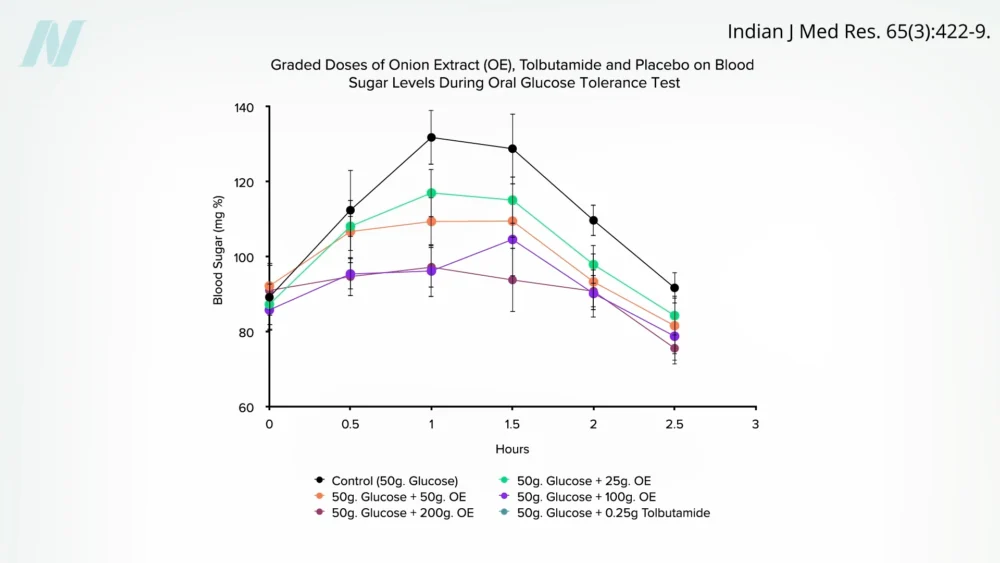
The humble onion, a staple in kitchens worldwide, is increasingly being scrutinized for its potential health benefits, extending beyond culinary enhancement to areas such as weight management, cholesterol reduction, and the management of Polycystic Ovary Syndrome (PCOS). While anecdotal evidence and popular interest often highlight dramatic health outcomes, a closer examination of scientific research reveals a more nuanced picture, with some promising findings tempered by limitations in study design and statistical significance. This article delves into the available data, separating the hype from the scientific reality regarding onions’ role in these key health concerns.
Onion Powder and Body Fat Reduction: A Microscopic Dose’s Potential
The notion that a minuscule amount of onion powder could significantly impact body fat has captured attention. One study, titled "Effect of Steamed Onion (ONIRO) Consumption on Body Fat and Metabolic Profiles in Overweight Subjects," investigated this very possibility. Researchers administered a remarkably small daily dose of approximately one-eighth of a teaspoon (300 mg) of steamed onion powder, disguised in capsules, to overweight individuals. The rationale behind using steamed onions was to mitigate their pungent odor and taste, facilitating their integration into a placebo-controlled study.
Initial reports suggested that this minimal intake led to notable reductions in body fat. Advanced imaging techniques, including Dual-energy X-ray Absorptiometry (DEXA) scans and Computed Tomography (CT) scans, were employed. The DEXA scans indicated a reduction in body fat mass, while CT scans revealed decreases in overall fat area, visceral fat (the fat surrounding internal organs), and subcutaneous fat (the fat beneath the skin). These findings, presented in the study’s abstract, appeared compelling, hinting at a potent effect from a seemingly insignificant quantity of onion.
However, a deeper analysis of the study’s data, as reported by some nutrition researchers, casts a different light on these results. When compared to a placebo group, the reductions observed in the onion powder group, while numerically larger, did not consistently reach statistical significance. For instance, the DEXA scan results showed no statistically significant difference in fat reduction between the placebo and onion powder groups. The onion powder group lost approximately 1.5 pounds (0.64 kg) of body fat, a notable amount from baseline, but this difference was not statistically robust enough to rule out the role of chance when contrasted with the placebo. Similarly, CT scan data, though showing greater fat loss in the onion powder group (five times more overall fat and over 30 times more visceral fat), also failed to achieve statistical significance when compared to the placebo. This statistical caveat is crucial in scientific interpretation, indicating that the observed differences could be attributable to random variation rather than a direct effect of the onion powder.
A subsequent study, involving a higher daily intake of four teaspoons (9 g) of onion powder, also explored its effects on body fat. Interestingly, this research also failed to demonstrate a significant acceleration in the loss of visceral, total, or subcutaneous fat compared to a placebo group. It’s noteworthy that in this particular study, the placebo itself also consisted of four teaspoons (9 g) of onion powder, making the direct comparison potentially less clear-cut. While both yellow and white onions were used, and both appeared to contribute to some abdominal body fat loss, the difference between onion types was not statistically significant. The overall implication from these studies is that while onions may possess some metabolic properties, the evidence for substantial body fat reduction from small, consistent doses of onion powder remains inconclusive. The lack of definitive, statistically significant results compared to placebo means that while consuming onion powder might not be harmful, its efficacy for weight loss at these dosages is not yet scientifically established with high confidence.
Onions and Polycystic Ovary Syndrome (PCOS): Addressing Metabolic Concerns
Polycystic Ovary Syndrome (PCOS) is a prevalent endocrine disorder affecting an estimated 5% to 10% of women of reproductive age. It is characterized by a range of symptoms, including irregular menstrual cycles, and is closely associated with a "pre-diabetic state" marked by decreased insulin sensitivity. The management of PCOS is often complicated by the side effects of pharmaceutical interventions, leading to a growing interest in dietary strategies. Onions, with their rich array of bioactive compounds, have emerged as a subject of investigation in this context.

The potential benefits of onions for metabolic health are thought to stem from compounds that can influence blood sugar regulation. Research has shown that onion extracts can improve blood sugar levels and insulin sensitivity in animal models of diabetes. More significantly, studies in humans have indicated that onions can reduce blood sugar levels in individuals with diabetes. While people with PCOS are considered to be in a pre-diabetic state, the question remains whether onions offer similar benefits for them.
To investigate the metabolic effects of onions, one study examined the impact of daily onion consumption in individuals with diabetes. Participants consumed either a small onion (60 g) daily or a diet supplemented with a large quantity of green beans (600 g). Both interventions demonstrated positive effects on blood sugar levels. The onion group saw a reduction of approximately 10% in blood sugar compared to a control diet, while the green bean group experienced a roughly 15% reduction. This suggests that onions, even in moderate amounts, can have a tangible impact on glycemic control in individuals with diabetes.
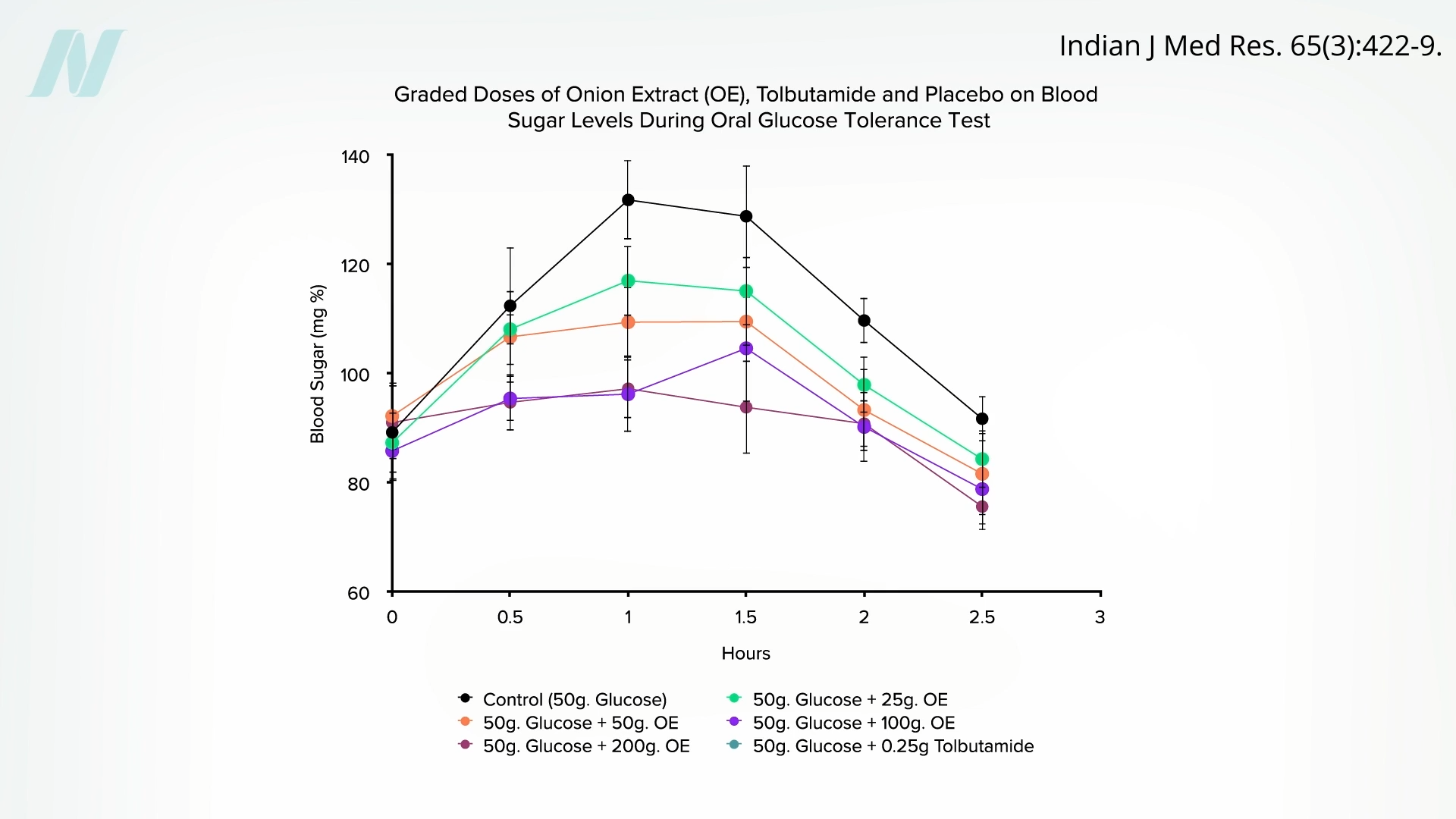
Further research has explored whether onions affect blood sugar levels in individuals without diabetes. While it is true that onions do not typically lower already normal blood sugar levels (which is a beneficial outcome), their impact on post-meal glucose spikes is of particular interest. Studies have shown that when individuals consume a sugary beverage, their blood sugar levels rise significantly. However, when the same amount of sugar is consumed alongside increasing amounts of onion extract, the subsequent blood sugar spike is notably dampened. This blunting effect is comparable to that achieved with certain antidiabetic medications, suggesting that compounds within onions can modulate the body’s response to glucose intake.
The mechanism behind this blood sugar regulation appears to involve the body’s stress response. In one experiment, when individuals were given an injection of adrenaline (a hormone that raises blood sugar), their blood sugar levels increased. However, when the same adrenaline challenge was administered alongside onion extract, the resulting blood sugar surge was significantly reduced. This indicates that onions may play a role in mitigating the body’s physiological responses that lead to elevated blood sugar, even in stressful situations.
Despite these promising findings regarding blood sugar regulation in broader populations, the direct impact of onions on PCOS markers has yielded less conclusive results. A systematic review of relevant studies, including data from the Cochrane Library, found no significant differences in blood sugar levels or other indicators of insulin resistance between PCOS patients who consumed a high-onion diet versus those on a low-onion diet. Furthermore, there were no discernible differences in markers of inflammation between these groups. This suggests that while onions may offer general metabolic benefits, their specific efficacy in directly ameliorating the core metabolic issues of PCOS, such as insulin resistance, remains to be definitively proven through rigorous clinical trials.
Onions and Cholesterol: A Protective Role in Cardiovascular Health?
Beyond metabolic concerns, women with PCOS are at an elevated risk for cardiovascular disease, including heart attacks and heart disease, which are the leading causes of mortality among women. A significant contributing factor to this increased risk is a higher prevalence of high cholesterol levels. Consequently, the potential of dietary interventions, such as onion consumption, to help manage cholesterol is of considerable interest.
Emerging evidence suggests that consuming raw red onions may be effective in lowering cholesterol levels. One study observed that individuals who consumed more onions experienced a modest reduction in LDL (low-density lipoprotein) cholesterol, often referred to as "bad" cholesterol. However, the decrease in LDL cholesterol was approximately 5 mg/dL, a figure that was not statistically significant when compared to the group that consumed fewer onions. While this indicates a potential trend towards cholesterol reduction, the magnitude of the effect and its statistical certainty warrant further investigation.
Historical research, dating back approximately 50 years, has also shed light on the interaction between onions and dietary fat in influencing cholesterol. In one notable experiment, participants who consumed a large quantity of butter (100 g) experienced a significant spike in their cholesterol levels. However, when the same amount of butter was consumed alongside either raw or boiled onion (approximately 50 g), the resulting cholesterol increase was substantially blunted. The cholesterol levels rose by only 9 points or 3 points, respectively, compared to the nearly 30-point increase seen with butter alone. While this study highlights a potential protective effect of onions against the cholesterol-raising impact of high-fat foods, its primary takeaway remains a cautionary note about excessive butter consumption, emphasizing that even with onions, a diet high in saturated fat is not advisable.
The implications of these findings are significant for individuals at risk of cardiovascular disease, particularly women with PCOS. While the current data may not demonstrate dramatic reductions in cholesterol, the consistent observation of a blunting effect, coupled with the low risk associated with onion consumption, suggests that incorporating onions into a heart-healthy diet could be a beneficial strategy. Further research with larger sample sizes and longer durations is needed to confirm the extent and statistical significance of onion’s cholesterol-lowering capabilities, especially in specific populations like those with PCOS.
Broader Impact and Future Directions
The ongoing exploration of onions’ health benefits underscores a broader trend in nutritional science: the investigation of common dietary components for their therapeutic potential. While the scientific community continues to refine our understanding, it is crucial to distinguish between statistically significant findings and preliminary observations. The research on onion powder for weight loss, for example, highlights the importance of statistical rigor in interpreting study results, ensuring that observed effects are not merely due to chance.
For individuals managing conditions like PCOS, the quest for effective and well-tolerated treatments is paramount. The potential of dietary interventions, such as incorporating onions, offers a promising avenue, particularly given the challenges associated with pharmaceutical side effects. While direct evidence for onion’s impact on core PCOS markers may be limited, its potential role in broader metabolic health, such as blood sugar regulation and possibly cholesterol management, warrants continued attention.
Future research should focus on larger, randomized controlled trials with standardized onion preparations and dosages. Investigating the specific bioactive compounds responsible for any observed health effects and their precise mechanisms of action will be key. Furthermore, understanding how genetic factors and individual metabolic profiles influence responses to onion consumption could lead to more personalized dietary recommendations.
In conclusion, while the idea of a "superfood" onion that can single-handedly resolve complex health issues remains largely in the realm of popular discourse, scientific inquiry continues to uncover its multifaceted contributions to well-being. The evidence suggests that onions are more than just a flavor enhancer; they are a source of compounds that may support metabolic health, contribute to weight management efforts, and play a role in cardiovascular health. As research progresses, a clearer picture will emerge, guiding how we can best harness the power of this everyday vegetable for optimal health.






