admin
admin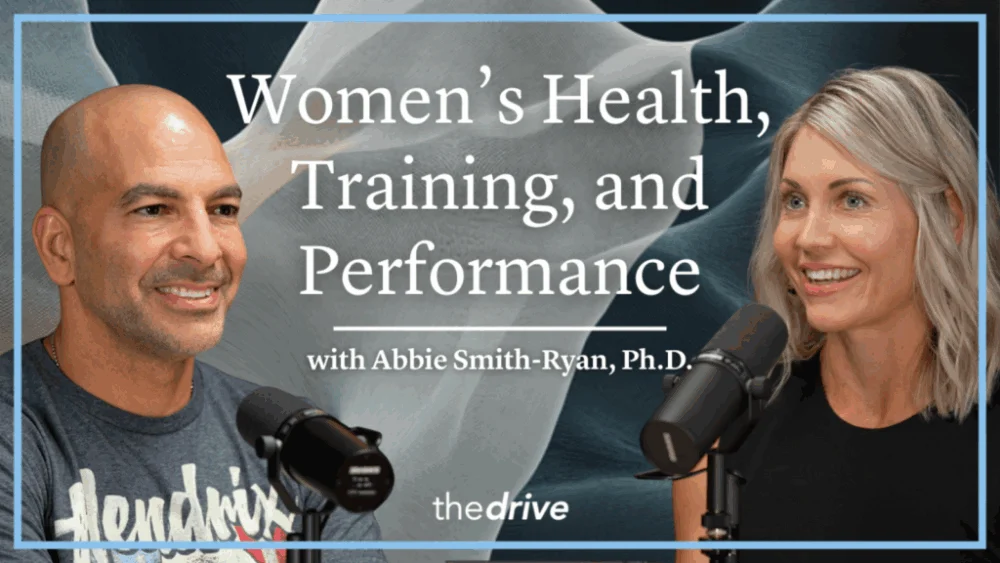
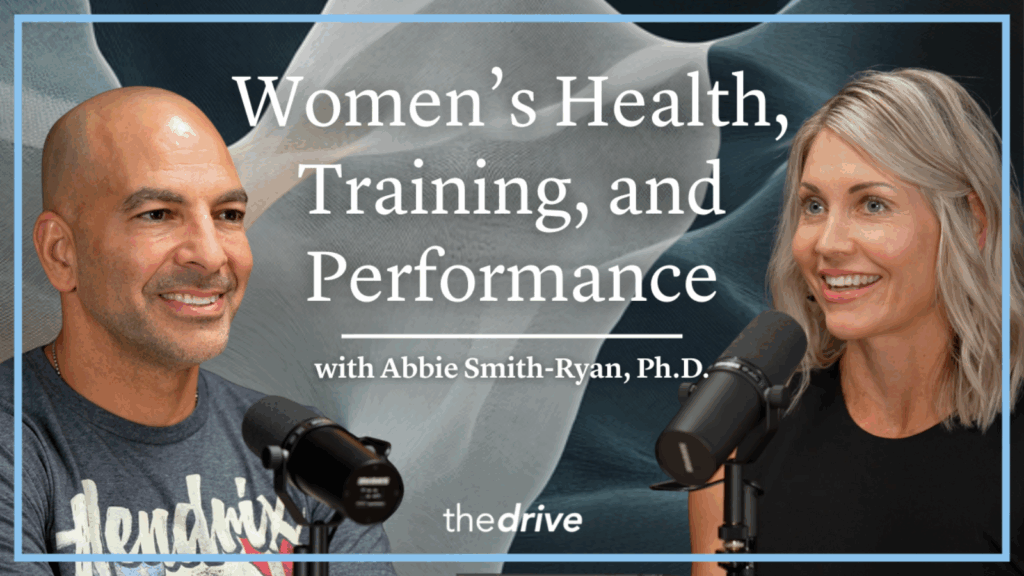
In a comprehensive exploration of female-specific biology and athletic performance, Dr. Abbie Smith-Ryan, a Professor of Exercise and Sport Science at the University of North Carolina at Chapel Hill, recently appeared on The Peter Attia Drive podcast to delineate the critical intersections of exercise physiology, nutrition, and hormonal health. Dr. Smith-Ryan, who serves as the Director of the Applied Physiology Laboratory, shared evidence-based insights into how women can optimize their healthspan from adolescence through post-menopause. The discussion marks a significant contribution to the growing body of literature aimed at correcting the historical "gender gap" in sports science research, where female subjects have been traditionally underrepresented due to the complexities of the menstrual cycle.
The dialogue between Dr. Attia and Dr. Smith-Ryan centered on the premise that women’s physiological needs are not merely scaled-down versions of men’s. Instead, they require a nuanced understanding of hormonal fluctuations that influence everything from bone density and muscle protein synthesis to metabolic rate and cardiovascular resilience. As an active researcher with over 190 peer-reviewed manuscripts, Dr. Smith-Ryan provided a roadmap for women to navigate the various stages of life using exercise and nutrition as primary therapeutic interventions.
The Critical Window: Bone Health and Muscle Development in Youth
One of the most vital segments of the discussion focused on the foundational years of a girl’s life, specifically the pre-pubertal and pubertal stages. Dr. Smith-Ryan emphasized that the window for maximizing bone mineral density (BMD) is relatively narrow, with approximately 90% of peak bone mass being acquired by age 18. This makes early-life exercise not just a matter of physical fitness, but a long-term insurance policy against osteoporosis and frailty in later decades.
The conversation highlighted that weight-bearing exercise and "impact loading"—such as jumping, running, and multi-directional sports—are essential for young girls. These activities stimulate osteoblast activity, the process of building new bone. Dr. Smith-Ryan noted that girls who engage in diverse physical play early in life develop a higher "bone ceiling," which provides a buffer against the rapid bone loss that occurs during the menopausal transition. Furthermore, building a "cardiorespiratory base" in childhood sets the stage for metabolic flexibility, making it easier for the body to switch between burning carbohydrates and fats efficiently as an adult.
Navigating the Menstrual Cycle and Athletic Performance
As girls transition into puberty, the introduction of the menstrual cycle adds a layer of complexity to training and recovery. Dr. Smith-Ryan addressed the physiological shifts during the follicular and luteal phases, noting that fluctuations in estrogen and progesterone can impact inflammation, body temperature, and fuel utilization.
During the follicular phase (the first half of the cycle), estrogen levels rise, which can enhance insulin sensitivity and potentially improve high-intensity performance. Conversely, the luteal phase (following ovulation) sees a rise in progesterone, which increases the body’s core temperature and can elevate the resting heart rate, often making exercise feel more taxing. Dr. Smith-Ryan advocated for "smart fueling" rather than rigid dieting, suggesting that women may need to increase their caloric intake—particularly from complex carbohydrates—during the luteal phase to match the body’s increased metabolic demands and to mitigate the risk of Relative Energy Deficiency in Sport (RED-S).
The discussion also touched upon the "Female Athlete Triad," a condition involving disordered eating, menstrual dysfunction, and low bone mineral density. Dr. Smith-Ryan warned against the dangers of early specialization in youth sports, which can lead to overtraining and delayed puberty, potentially compromising a girl’s long-term endocrine health.
Nutritional Interventions and the Role of Supplements
A significant portion of the interview was dedicated to the efficacy of specific supplements in the context of women’s health. Dr. Smith-Ryan, who was recognized as the Nutrition Researcher of the Year by the National Strength and Conditioning Association (NSCA), unpacked the evidence behind three key substances: creatine, omega-3 fatty acids, and magnesium.
- Creatine Monohydrate: While often associated with male bodybuilders, Dr. Smith-Ryan highlighted creatine as a "powerhouse" supplement for women. Beyond its role in muscle ATP production, research suggests creatine can support cognitive function, particularly during periods of sleep deprivation or hormonal shifts. It also aids in cellular hydration and may help mitigate the muscle loss (sarcopenia) associated with aging.
- Omega-3 Fatty Acids: These are essential for managing systemic inflammation and supporting cardiovascular health. Dr. Smith-Ryan noted their importance in recovery, particularly for women who engage in high-volume resistance training.
- Magnesium: Often referred to as a "miracle mineral" for women, magnesium plays a role in over 300 enzymatic reactions. It is particularly useful for improving sleep quality, reducing menstrual cramps, and supporting bone health.
The Menopausal Transition: Managing the Metabolic Shift
The transition into perimenopause and menopause represents one of the most significant physiological shifts in a woman’s life. Dr. Smith-Ryan described this period as a time of "metabolic chaos," where the decline in estrogen leads to changes in body composition, specifically an increase in visceral adiposity (belly fat) and a decrease in lean muscle mass.
The loss of estrogen impacts the GLUT4 translocation process, which is responsible for moving glucose into muscle cells. This often results in increased insulin resistance, even in women who have been historically lean and active. To combat these changes, Dr. Smith-Ryan recommends a shift in exercise programming toward "heavy lifting" and high-intensity interval training (HIIT). These modalities provide a potent stimulus for muscle maintenance and metabolic health that lower-intensity "steady-state" cardio may lack during this life stage.
The discussion also revisited the controversial history of Hormone Replacement Therapy (HRT). Dr. Smith-Ryan and Dr. Attia discussed the evolving medical consensus, noting that for many women, the benefits of HRT in protecting bone density, cardiovascular health, and cognitive function far outweigh the risks when administered under professional guidance. They emphasized that HRT should be viewed as a tool to be used alongside—not instead of—lifestyle interventions like resistance training and high-protein nutrition.

Pregnancy, Postpartum, and Practical Programming
For many women, the years of peak career and family building coincide with the need for efficient exercise programming. Dr. Smith-Ryan provided practical advice for "busy women," suggesting that even short, 20-to-30-minute sessions of resistance training can yield significant benefits if the intensity is sufficient.
During pregnancy and the postpartum period, the focus shifts toward maintaining a baseline of fitness and supporting the body’s structural integrity. Dr. Smith-Ryan noted that while high-intensity training is often safe for those who were active prior to pregnancy, the goal should be "movement as medicine" to manage gestational glucose levels and prepare the body for the physical rigors of labor and recovery. Postpartum nutrition was also highlighted, with an emphasis on adequate protein intake to support tissue repair and breastfeeding.
Broader Impact and the Future of Women’s Exercise Science
The insights shared by Dr. Smith-Ryan underscore a broader shift in the health and wellness industry toward personalized, sex-specific medicine. For decades, clinical trials often excluded women to avoid the "noise" of hormonal cycles, leading to a lack of data on how women respond to various training volumes and nutritional protocols.
By disseminating this research through high-profile platforms like The Peter Attia Drive, Dr. Smith-Ryan is helping to empower women to become better advocates for their own health. The analysis suggests that the future of longevity for women lies in the early adoption of resistance training, the strategic use of supplementation, and a proactive approach to managing the hormonal transitions of mid-life.
The interview concludes with a call to action for healthcare providers and fitness professionals to integrate these findings into standard care. As Dr. Smith-Ryan noted, "The earlier you start and the better base that you have, the easier it is over time to maintain that fitness." This philosophy of "building a reservoir" of health in youth to draw upon in later years remains the cornerstone of her evidence-driven approach to female longevity.
As research continues to evolve, the work being done at the UNC Applied Physiology Laboratory remains at the forefront of defining what it means for women to age with strength, vitality, and metabolic resilience. For listeners and health enthusiasts, the message is clear: understanding one’s unique physiology is the first step toward a longer, healthier life.