
 admin
admin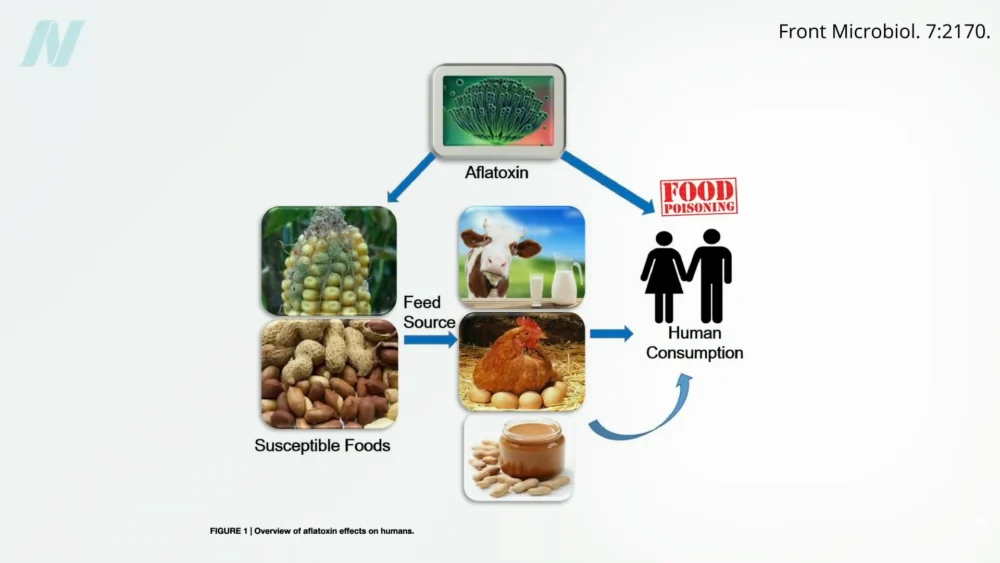
The pervasive concept of "toxic mold syndrome" has become a significant public concern, yet scientific evidence supporting its broad claims remains limited. While mold spores are a ubiquitous presence in our environment, attributing a wide range of vague and subjective symptoms to them, often termed "toxic mold syndrome," lacks robust scientific backing. This notion has been amplified by what experts describe as predatory practices from entities offering home mold testing or biological sample analysis (urine or blood) for mold toxins. These tests are frequently criticized for propagating misinformation and imposing substantial, often unwarranted, financial burdens on individuals seeking a definitive diagnosis for their varied ailments. The persistence of this belief is likened by some to other pseudoscientific notions, such as the debunked link between measles vaccines and autism, the efficacy of homeopathy, or the unfounded concerns surrounding fluoride in public water systems.
However, distinct from the unsubstantiated "toxic mold syndrome," the contamination of food by specific mold toxins, known as mycotoxins, presents a genuine and pressing public health challenge. These compounds have emerged as a significant concern within the global food supply, potentially eclipsing other contaminants in their impact. Hundreds of mycotoxins have been identified, but their toxicological profiles vary significantly. Among these, aflatoxins stand out as a particularly potent group.
Aflatoxins: A Significant Public Health Threat
Aflatoxins are a class of mycotoxins produced by certain species of Aspergillus mold, predominantly Aspergillus flavus and Aspergillus parasiticus. These molds thrive in warm, humid environments and can contaminate a wide array of agricultural commodities, including corn, peanuts, cottonseed, tree nuts, and dried fruits, both before harvest and during storage.
One specific aflatoxin, aflatoxin B1 (AFB1), has been unequivocally classified as a known human carcinogen by international health organizations. Another, ochratoxin A, while not definitively classified as a human carcinogen, is considered a possible human carcinogen. The potency of AFB1 as a carcinogen is remarkable; it is among the most powerful known cancer-causing agents.
The Devastating Impact of Aflatoxin Exposure
The health consequences of chronic aflatoxin exposure are severe, with a significant link established between aflatoxin consumption and liver cancer. It is estimated that approximately one-fifth of all liver cancer cases worldwide may be attributable to aflatoxins. Considering that liver cancer is the third-leading cause of cancer-related deaths globally, and its prognosis is often grim, the contribution of aflatoxins to this deadly disease is substantial.
The insidious nature of aflatoxin contamination lies in its persistence. Once these toxins enter the food chain, their removal is exceedingly difficult. Conventional cooking methods, such as heating, do not effectively degrade aflatoxins. Research indicates that once AFB1 contaminates crops, or enters the food chain through animal products (meat, dairy, eggs) derived from animals that have consumed contaminated feed, it becomes largely indelible. This underscores the critical importance of preventing contamination at the source.
Global Disparities in Aflatoxin Management
The challenge of aflatoxin contamination is not uniformly distributed. While developed nations have implemented robust regulatory frameworks and monitoring systems to mitigate exposure, less industrialized regions, particularly in Africa, Southeast Asia, and rural China, bear a disproportionate burden. In these areas, economic constraints often prevent farmers from discarding contaminated crops, leading to widespread exposure for large populations.
In the United States, for example, decades of stringent government regulations have led to systematic sampling and testing of agricultural products for aflatoxins. Companies in the U.S. routinely test their commodities, a practice that, while resulting in billions of dollars in annual losses due to the need to discard contaminated batches, plays a crucial role in safeguarding public health. This proactive approach has significantly reduced the prevalence of aflatoxin exposure among the American population.

Regulatory Landscape and Emerging Concerns
The U.S. Food and Drug Administration (FDA) actively works to keep exposure to aflatoxins "as low as practical," acknowledging that complete elimination may not be feasible. While this strategy has been largely effective, localized issues can still arise. For instance, California has observed an increase in "unacceptable aflatoxin levels" in certain commodities like pistachios, almonds, and figs. While these levels might be deemed unacceptable by European standards, potentially impacting export capabilities, they may not always exceed permissible limits for U.S. domestic consumption, reflecting differing regulatory thresholds.
The United States permits approximately twice the level of aflatoxin contamination compared to European Union regulations. This disparity highlights the ongoing debate and continuous effort to refine food safety standards in the face of emerging scientific understanding and evolving agricultural practices.
The Unique Vulnerability of Figs and the Balancing Act of Nut Consumption
Certain foods, like figs, are particularly susceptible to aflatoxin production. Their post-harvest processing, which involves full ripening and partial drying on the tree, creates an environment conducive to aflatoxin development. This characteristic makes figs a potential source of exposure. For the small percentage of Americans with detectable aflatoxin levels in their bloodstream, dietary habits, including the consumption of figs or other susceptible foods, may be a contributing factor.
However, the discussion around food safety must also consider the broader nutritional benefits of certain foods. Nuts, for instance, while potentially carrying a risk of aflatoxin contamination, offer significant cardiovascular health advantages. The benefits derived from regular nut consumption, including the prevention of numerous strokes and heart attacks, are considered by many experts to outweigh the risks associated with low-level aflatoxin B1 exposure. This necessitates a balanced approach to dietary recommendations, acknowledging both risks and benefits.
Climate Change and the Future of Aflatoxin Contamination
The specter of climate change looms large over the future of aflatoxin contamination. Shifting weather patterns, including increased temperatures and altered precipitation, are predicted to exacerbate the growth and spread of Aspergillus molds. The Midwest Corn Belt, a critical agricultural region in the United States, could see a significant increase in aflatoxin contamination if current climate trends persist. This potential escalation poses a renewed threat to both domestic food security and international trade.
A Neglected Global Health Crisis
Despite its profound impact on human health, particularly in developing nations, aflatoxin contamination remains a tragically under-addressed global health issue. The focus on aflatoxin control has often been driven by the stringent import regulations of wealthier nations seeking to protect their own markets, rather than by a comprehensive effort to safeguard the billions of people who face daily exposure. Addressing this disparity requires a concerted international effort, combining scientific research, public health initiatives, and economic support for affected regions to implement effective prevention and mitigation strategies.
The ongoing scientific inquiry into mold toxins underscores the critical distinction between unsubstantiated public fears and scientifically validated health concerns. While the notion of "toxic mold syndrome" as broadly defined may lack a solid evidentiary foundation, the real and present danger posed by mycotoxins in our food supply demands continued vigilance, robust regulatory oversight, and a global commitment to ensuring the safety and health of all populations.
Doctor’s Note:
This article concludes a four-part series examining the complex topic of mold toxins. Previous installments have delved into related aspects of mycotoxin research and their implications for health. Readers are encouraged to explore these prior discussions for a comprehensive understanding of the subject matter.






