admin
admin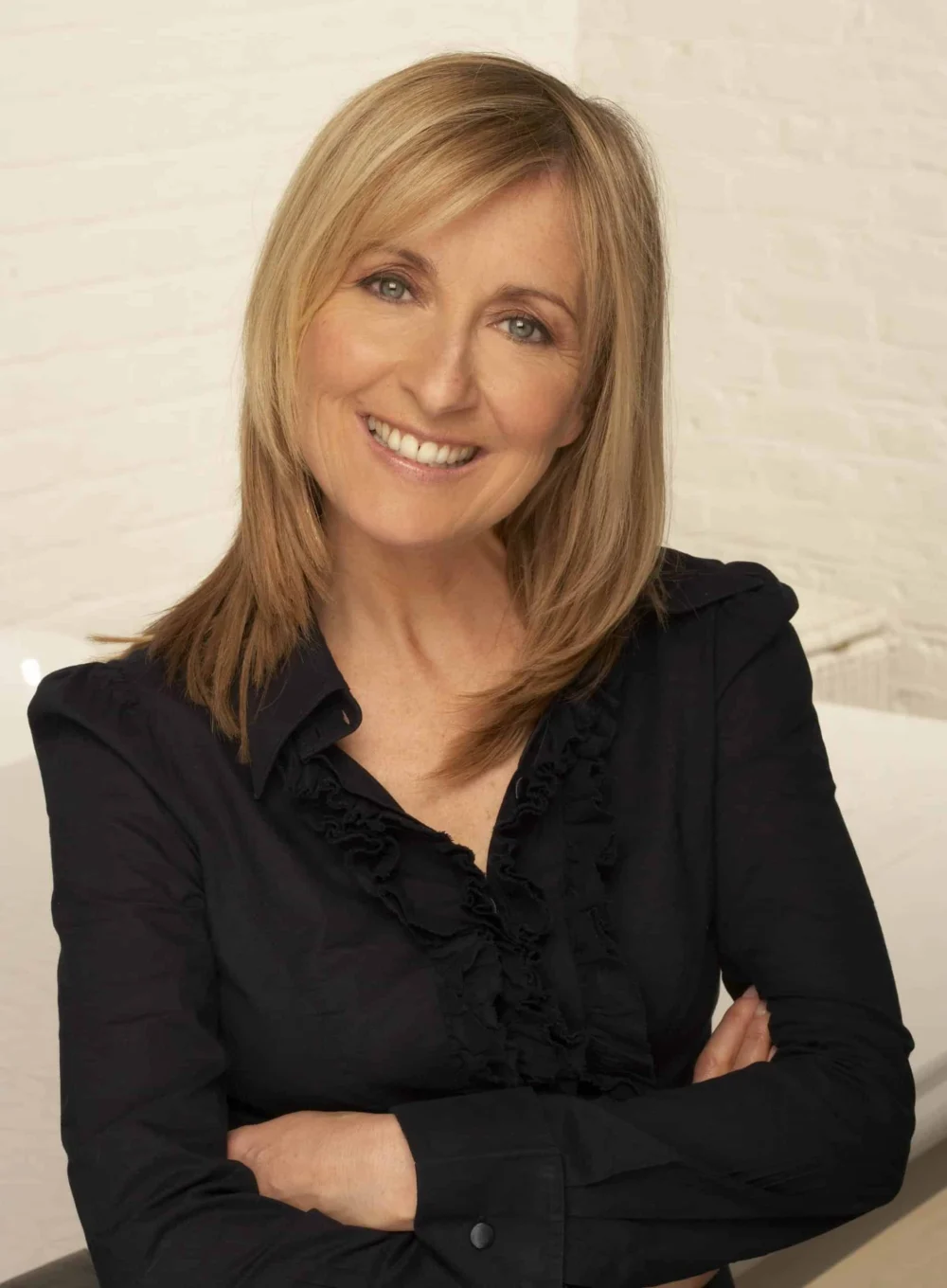
The broadcast veteran and long-standing supporter of Alzheimer’s Research UK, Fiona Phillips, has bravely disclosed her diagnosis of young onset Alzheimer’s disease. The 62-year-old former GMTV presenter revealed her condition in her column for the Mirror newspaper, stating she received the diagnosis last year. Her decision to go public stems from a profound hope that her story can contribute to the urgent quest for a cure for the devastating neurological disorder. This personal revelation from a prominent public figure immediately resonated across the UK, drawing attention to the often-misunderstood challenges of early-onset dementia and underscoring the critical need for advanced research.
A Personal Battle and a Legacy of Advocacy
Fiona Phillips’ journey with dementia is deeply personal and tragically extends beyond her own diagnosis. She has witnessed firsthand the relentless progression of Alzheimer’s disease through her family. Her mother, Amy, succumbed to Alzheimer’s in May 2006, and shortly thereafter, her father, Neville, was also diagnosed with the disease, passing away in February 2012. This dual loss instilled in Phillips a fierce determination to campaign for greater awareness and funding for dementia research, long before her own diagnosis.
For well over a decade, Phillips has been an unwavering champion for Alzheimer’s Research UK. Her commitment has been demonstrated through numerous high-profile engagements, each designed to shine a spotlight on the urgency of the cause. In 2013, she participated in the ICAP Charity Day, joining brokers on the trading floor to help raise vital funds for dementia research. Her presence at such events leveraged her public profile to attract significant attention and donations. Three years later, in 2016, Phillips appeared on ITV’s flagship morning programme, This Morning, lending her voice to Alzheimer’s Research UK’s "Santa Forgot" campaign, an initiative aimed at raising awareness during the festive period. Her most poignant contribution perhaps came in 2018, when she spoke candidly about her family’s experience with dementia at a special reception hosted in the House of Lords. This event marked the 20th anniversary of the first grant awarded by Alzheimer’s Research UK, and Phillips’ testimony provided a powerful human dimension to the scientific and fundraising efforts. Her consistent and heartfelt advocacy has made her an invaluable ally in the fight against dementia, now made even more significant by her own diagnosis.
Understanding Young Onset Dementia
Young onset dementia, also referred to as early-onset dementia, is a term used to describe any form of dementia diagnosed in individuals under the age of 65. While dementia is often associated with older age, it can affect people in their 30s, 40s, and 50s, striking at a time when many are still in their careers, raising families, and planning for their futures. In the UK, it is estimated that approximately 70,800 people are living with young onset dementia. Of these cases, Alzheimer’s disease accounts for around one in three, making it a significant cause of early-onset cognitive decline. Indeed, it is thought that at least five in every 100 people diagnosed with Alzheimer’s are under 65, a figure that may, in reality, be higher due to the complexities surrounding accurate diagnosis at a younger age.
The presentation of young onset Alzheimer’s can differ from late-onset forms, often making it more challenging to identify. Symptoms may not always align with the typical memory loss commonly associated with the disease. Instead, individuals might experience subtle changes in personality, mood, executive function (planning, problem-solving), spatial awareness, or language difficulties. These atypical symptoms can easily be misattributed to stress, depression, anxiety, menopause, or other mid-life crises, leading to significant delays in diagnosis. The average diagnostic delay for young onset dementia can be several years, during which time individuals and their families struggle without understanding the underlying cause of their difficulties, impacting employment, financial stability, and family dynamics.
The Broader Impact of Early Diagnosis
Receiving a diagnosis of young onset Alzheimer’s carries a unique set of challenges. Individuals may be in the prime of their working lives, raising children, or caring for elderly parents, creating a "sandwich generation" effect. The financial implications can be severe, as early retirement or reduced working hours often become necessary, impacting pensions, savings, and overall financial security. Socially, younger individuals with dementia may find themselves isolated, as support groups and services are often geared towards older populations, and their peers may struggle to understand their condition.

Fiona Phillips’ public announcement serves as a critical catalyst for increasing awareness and reducing the stigma associated with young onset dementia. Her decision provides a powerful platform to educate the public about the signs and symptoms, potentially encouraging earlier medical consultation for those experiencing similar issues. Early and accurate diagnosis is crucial, not only for accessing appropriate medical care and support but also for allowing individuals and their families to plan for the future, make informed decisions, and participate in clinical trials that could lead to new treatments.
The Landscape of Dementia Research: Challenges and Hopes
Dementia, encompassing a range of conditions including Alzheimer’s disease, vascular dementia, Lewy body dementia, and frontotemporal dementia, represents one of the most significant global health challenges of the 21st century. Worldwide, an estimated 55 million people are living with dementia, a number projected to rise to 78 million by 2030 and 139 million by 2050, according to the World Health Organization. In the UK alone, over 900,000 people are currently living with dementia. Despite the pervasive nature of these conditions, effective disease-modifying treatments remain limited, highlighting the critical need for sustained and increased investment in research.
Alzheimer’s disease, the most common form of dementia, is characterized by the accumulation of amyloid plaques and tau tangles in the brain, leading to neuronal damage and progressive cognitive decline. Decades of intensive research have yielded significant insights into the pathology of the disease, yet translating these discoveries into widely accessible and curative treatments has proven exceptionally challenging. However, recent years have brought a glimmer of hope with the development and regulatory approval of a new class of amyloid-targeting drugs, such as lecanemab (Leqembi) and donanemab. While not a cure, these therapies represent a significant step forward as they are the first to demonstrate a modest slowing of cognitive decline in the early stages of Alzheimer’s by clearing amyloid plaques from the brain. These advancements underscore the importance of ongoing research and the potential for future breakthroughs, particularly in early intervention strategies.
Official Responses and Calls to Action
Hilary Evans-Newton, Chief Executive of Alzheimer’s Research UK, extended profound "love and support" to Fiona Phillips and her family following the announcement. Evans-Newton lauded Phillips’ courage, emphasizing the immense good that comes from public figures sharing such deeply personal diagnoses. "Awareness is vital and Fiona’s bravery will help untold people who are going through their own dementia journeys," she stated. She further highlighted Phillips’ long-standing commitment to the charity, noting how her support has "shone such a valuable spotlight on the importance of research in overcoming the diseases that cause dementia."
The CEO reiterated the charity’s unwavering commitment to finding a cure, particularly for the estimated 70,800 people in the UK under 65 who, like Phillips, are living with dementia. Her statement concluded with heartfelt gratitude for Phillips’ continued solidarity in their mission, reinforcing the collective resolve to end the heartbreak caused by these diseases. The announcement also prompted a surge in public interest and engagement with Alzheimer’s Research UK, with many seeking more information about young onset dementia and ways to support research efforts. This immediate response underscores the power of personal stories in galvanizing public action and fostering a sense of shared purpose in tackling complex health challenges.
Future Outlook and Support Systems
Fiona Phillips’ decision to share her diagnosis publicly is a testament to her dedication to a cause she has championed for years. Her bravery is expected to significantly amplify public discourse around young onset dementia, fostering greater understanding and potentially reducing the societal stigma that can impede early diagnosis and support. It serves as a powerful reminder that dementia is not solely a disease of old age and can impact individuals at any stage of life.
The journey ahead for Fiona Phillips and her family will undoubtedly be challenging, but her openness provides a beacon of hope for countless others. Her voice will continue to be instrumental in advocating for increased funding for dementia research, improved diagnostic pathways for younger individuals, and comprehensive support services tailored to the unique needs of those living with young onset dementia. The focus remains on accelerating scientific discovery to develop effective treatments and, ultimately, a cure that can prevent, treat, or even reverse the devastating effects of Alzheimer’s disease and other forms of dementia. Organisations like Alzheimer’s Research UK provide crucial resources and support, emphasizing that no one should face a dementia diagnosis alone. For more information on young onset dementia and how to contribute to vital research, individuals are encouraged to visit the Alzheimer’s Research UK website at www.alzheimersresearchuk.org.