admin
admin
The global medical community is currently undergoing a paradigm shift regarding the consumption of alcohol, moving away from a decade-long acceptance of moderate drinking toward a more cautious, risk-averse stance. For years, public health messaging suggested that a daily glass of red wine might offer cardioprotective benefits, a concept popularized as the "French Paradox." However, recent longitudinal studies and advancements in genetic epidemiology have begun to dismantle these long-held assumptions. In 2023, the World Health Organization (WHO) published a definitive statement in The Lancet Public Health, asserting that no level of alcohol consumption is safe for human health. This declaration has sent ripples through the medical community and the general public, prompting a re-evaluation of how alcohol influences not just the length of life, but the quality of the years lived—a metric known as healthspan.
The Evolution of Scientific Consensus: From Cardioprotection to Carcinogenesis
The historical narrative surrounding alcohol was largely shaped by the "J-shaped curve" theory. This statistical model suggested that while heavy drinkers faced high health risks and teetotalers faced moderate risks, those who consumed small amounts of alcohol experienced the lowest risk of mortality, particularly concerning cardiovascular disease. This theory provided a scientific veneer for the social acceptance of regular, moderate drinking.
However, contemporary researchers have identified significant flaws in the early studies that supported the J-shaped curve. One primary issue was the "sick quitter" bias, where the "non-drinker" category often included individuals who had stopped drinking due to pre-existing health conditions or past struggles with alcoholism. When these individuals were removed from the data, the perceived health benefits of moderate drinking largely evaporated. Modern techniques, such as Mendelian randomization—which uses genetic variants to simulate randomized controlled trials—have consistently shown that any reduction in alcohol intake is associated with a lower risk of cardiovascular disease, regardless of the initial consumption level.
The focus has also shifted from heart health to oncology. The WHO’s 2023 report emphasized that alcohol is a Group 1 carcinogen, in the same category as asbestos and tobacco. Ethanol and its toxic byproduct, acetaldehyde, cause DNA damage and interfere with DNA repair mechanisms. This biological reality means that the risk of developing alcohol-related cancers, including breast, liver, and esophageal cancer, begins at the very first drop of consumption.
A Chronology of Alcohol Research and Policy
The journey toward the current restrictive guidelines has been marked by several key milestones over the last three decades.
In the 1990s, the "French Paradox" gained mainstream traction after being featured on high-profile news programs, suggesting that low rates of heart disease in France were linked to red wine consumption. This era saw the rise of resveratrol—a compound found in grape skins—as a celebrated antioxidant, though later research would show that one would need to consume hundreds of gallons of wine daily to reach a therapeutic dose.
By the mid-2010s, the tide began to turn. In 2018, a massive global study published in The Lancet, which analyzed data from 195 countries between 1990 and 2016, concluded that the "safest level of drinking is none." This study was a turning point, as it accounted for a wider range of health outcomes beyond heart disease, including tuberculosis, road injuries, and self-harm.
In early 2023, Canada’s Centre on Substance Use and Addiction (CCSA) updated its national guidelines, drastically reducing the recommended limit from two drinks per day to just two drinks per week to minimize health risks. This was followed shortly by the WHO’s "no safe dose" declaration. These events represent a synchronized global effort to align public policy with the latest oncological and neurological data.
Supporting Data: Alcohol’s Impact on the Four Horsemen of Chronic Disease
To understand the impact of alcohol on healthspan, medical professionals often look at its relationship with the "four horsemen" of chronic disease: cardiovascular disease, cancer, neurodegenerative disease, and metabolic disease.
Cardiovascular Health
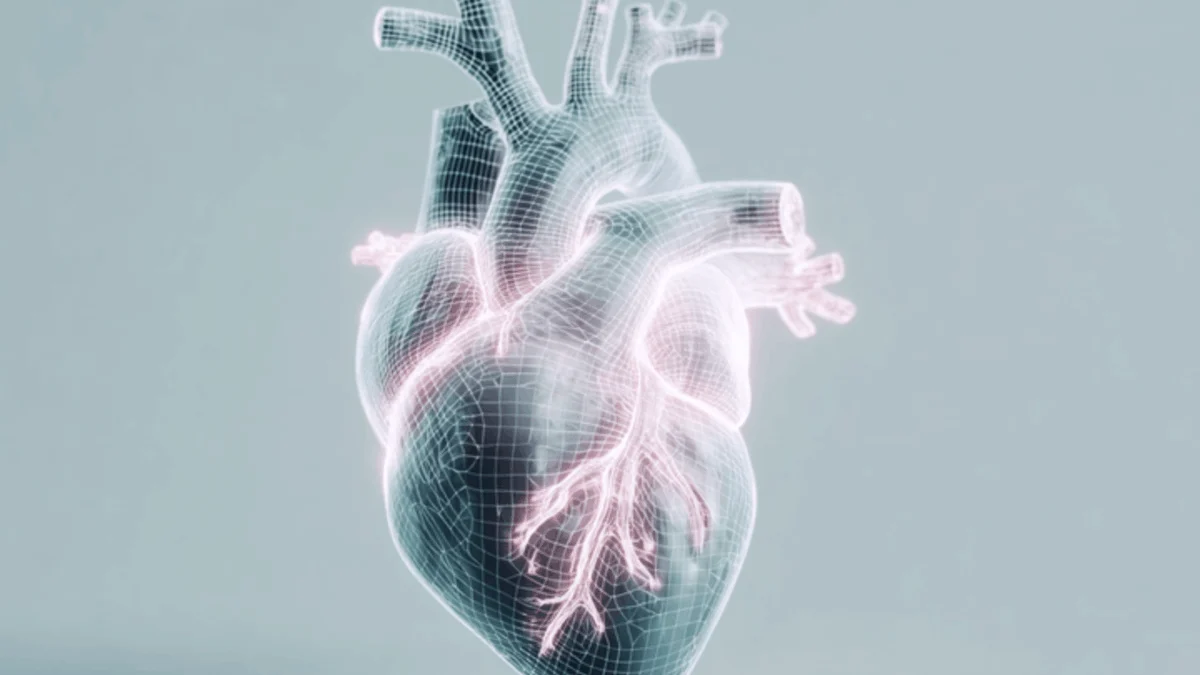
While low-dose alcohol was once thought to thin the blood and improve lipid profiles, newer data suggests it is a primary driver of hypertension and atrial fibrillation (Afib). Even moderate drinkers are at a higher risk of "Holiday Heart Syndrome," a condition where alcohol triggers irregular heart rhythms. Chronic consumption leads to cardiomyopathy, a weakening of the heart muscle that significantly reduces physical capacity and long-term survival.
Oncological Risk
The link between alcohol and cancer is perhaps the most well-documented yet least publicly understood risk. According to the American Cancer Society, alcohol consumption is a factor in approximately 6% of all cancers and 4% of all cancer deaths in the United States. For women, the risk of breast cancer increases by roughly 10% for every drink consumed daily. This is attributed to alcohol’s ability to raise estrogen levels and cause oxidative stress in breast tissue.
Neurodegeneration and Brain Volume
Recent neuroimaging studies have provided sobering evidence regarding brain health. A study from the University of Pennsylvania, which analyzed brain MRIs from over 36,000 adults, found a negative correlation between alcohol intake and brain volume. The researchers noted that the transition from one to two drinks a day was associated with changes in the brain equivalent to aging two years. These structural changes affect executive function, memory, and emotional regulation, directly impacting the "healthspan" of the brain.
Metabolic Function
Alcohol is a metabolic toxin that prioritizes its own oxidation over other macronutrients. When alcohol is present, the liver ceases the oxidation of fats and carbohydrates to clear the ethanol. This leads to the accumulation of liver fat (steatosis) and can contribute to insulin resistance. Furthermore, alcohol is calorically dense and provides "empty" calories that often lead to visceral fat accumulation, a major risk factor for type 2 diabetes.
Official Responses and Societal Reactions
The shift in guidelines has met with a range of responses from various sectors. The alcohol industry has, predictably, criticized the WHO’s stance, arguing that the studies overlook the social and psychological benefits of moderate drinking, which they claim contribute to overall well-being. Trade organizations have pointed to the long history of alcohol in human culture as evidence of its compatibility with a healthy lifestyle.
Conversely, public health advocates have praised the new transparency. "We are finally treating alcohol with the same scientific rigor we apply to other substances," stated one public health official following the CCSA’s 2023 update. "For too long, the ‘moderate’ label gave people a false sense of security."
The "Sober Curious" movement has also gained significant momentum among Millennials and Gen Z. Market data indicates a surge in the non-alcoholic beverage sector, which is projected to grow by over 25% by 2026. This cultural shift suggests that younger generations are increasingly prioritizing cognitive clarity and physical performance over traditional social drinking norms.
Analysis of Implications: Balancing Risk and Quality of Life
The declaration that there is "no safe dose" does not necessarily mean that total abstinence is the only path forward for everyone. Rather, it provides a framework for informed consent. In a journalistic and medical context, the goal is to provide individuals with a "quantified look" at risk so they can make choices aligned with their personal values.
The impact of alcohol on healthspan is often more immediate than its impact on lifespan. For many, the most profound effects are seen in sleep quality and autonomic nervous system balance. Alcohol is a potent suppressor of REM sleep, the stage of sleep responsible for emotional processing and memory consolidation. Even a single drink can elevate a person’s resting heart rate and lower their Heart Rate Variability (HRV) for up to 24 hours, signaling a state of physiological stress.
For those who choose to continue consuming alcohol, harm reduction strategies are becoming increasingly sophisticated. These include:
- The "Rule of Three": Limiting consumption to no more than three drinks per week.
- Timing: Ensuring the last drink is consumed at least three to four hours before sleep to mitigate the disruption of sleep architecture.
- Hydration and Nutrition: Consuming alcohol only with meals to slow absorption and maintaining high levels of B-vitamins, which are depleted by ethanol metabolism.
- Dilution: Opting for lower-alcohol-by-volume (ABV) beverages, such as spritzers or light beers, to reduce the total ethanol load on the liver.
Conclusion: A New Era of Health Literacy
The evolving narrative around alcohol reflects a broader trend in modern medicine toward "proactive healthspan management." As diagnostic tools become more sensitive and longitudinal data more robust, the nuances of how lifestyle choices influence biological aging are becoming clearer.
The 2023 WHO declaration marks the end of the "health benefit" myth for alcohol. While it remains a deeply ingrained part of social fabric and ritual, its status has been reassessed as a calculated indulgence rather than a health tonic. The shift in perspective encourages a balanced, risk-informed relationship with alcohol, where the primary objective is to maintain the highest possible level of physical and cognitive function for as long as possible. As the public adapts to these new standards, the focus will likely remain on how to minimize the "cumulative impacts" of consumption while navigating a world that is slowly but surely redefining what it means to drink "responsibly."