Rachel Mohan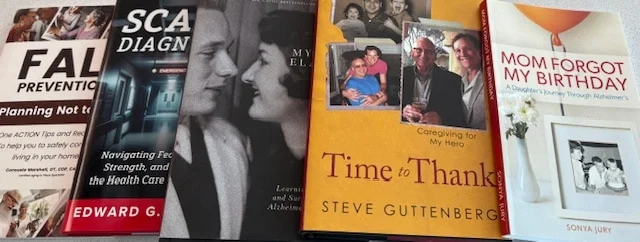
The landscape of caregiving is often a challenging and deeply personal journey, marked by profound emotional highs and lows. Navigating this path can feel isolating, yet the experiences of others, shared through literature, can offer invaluable solace, practical advice, and a sense of shared humanity. In an effort to support and uplift members of the caregiving community, a recent compilation of recommended books has been released, highlighting works that delve into the complexities of caring for loved ones with dignity, resilience, and love. These selections span memoirs, practical guides, and insightful analyses, aiming to equip caregivers with knowledge, comfort, and a renewed sense of purpose.
Spotlight on Key Literary Contributions to Caregiving Discourse
The curated list features several compelling titles, each offering a unique perspective on the multifaceted realities of caregiving. These books are not merely accounts of hardship; they are testaments to the strength of the human spirit, the enduring power of love, and the critical importance of self-care within the caregiving role.
"Time to Thank: Caregiving for My Hero" by Steve Guttenberg
Steve Guttenberg’s memoir, "Time to Thank: Caregiving for My Hero," offers an intimate glimpse into the life of a public figure navigating the profound personal responsibility of caring for a parent. The narrative unfolds as Guttenberg recounts his weekly journeys from Los Angeles to Phoenix to care for his father, who was diagnosed with kidney failure. This memoir transcends the typical celebrity anecdote, delving into the emotional and logistical demands of consistent caregiving.
Guttenberg’s reflections during his travels are woven with an examination of his own life, his celebrated career in Hollywood, and the foundational influence of his father. The book provides what the author describes as a "bird’s-eye view" of devoted caregiving, peeling back the layers of a public persona to reveal the raw challenges, heartbreak, and unexpected joys that accompany caring for a beloved family member. This narrative is particularly resonant for caregivers who often balance demanding personal lives with the relentless needs of their charges. The book’s release taps into a growing societal recognition of the significant contributions and sacrifices made by family caregivers. According to the National Alliance for Caregiving, an estimated 53 million adults in the United States are caregivers, with a significant portion providing unpaid care to adults aged 50 or older. Guttenberg’s work humanizes this statistic, presenting a relatable and deeply moving account of filial devotion.
"My Two Elaines: Learning, Coping and Surviving as an Alzheimer’s Caregiver" by Martin J. Schreiber
From the former governor of Wisconsin, Martin J. Schreiber, comes "My Two Elaines: Learning, Coping and Surviving as an Alzheimer’s Caregiver." This powerful memoir chronicles Schreiber’s journey as he cares for his wife, Elaine, who was diagnosed with Alzheimer’s disease. The book’s innovative structure, featuring a simple yet profound statement at the beginning of each chapter – "What I wish I had known" or "What I wish I had done" – offers a unique and deeply honest reflection on the caregiving experience.
Schreiber’s admissions are particularly impactful, conveying the immense difficulty of caring for a loved one as their memory and cognitive abilities gradually fade. His calm, measured assessment is not one of guilt but of learning and adaptation, serving as a valuable guide for others facing similar circumstances. This memoir addresses the emotional toll of Alzheimer’s, a disease that affects millions globally. The Alzheimer’s Association reports that over 6 million Americans are living with Alzheimer’s, with the majority of care provided by family members. Schreiber’s narrative offers solace and practical insights by openly sharing the struggles, pain, devastation, but also the moments of joy, celebration, and vulnerability that punctuated his experience. The inclusion of a question-and-answer section with renowned neuropsychologist Michelle Braun further enhances the book’s utility, providing expert guidance and counsel for those navigating the complexities of Alzheimer’s care.
"Scary Diagnosis: Navigating Fear, Finding Strength and Securing the Health Care You Deserve" by Edward G. Rogoff
Edward G. Rogoff’s "Scary Diagnosis: Navigating Fear, Finding Strength and Securing the Health Care You Deserve" directly confronts the universal anxiety that accompanies a significant medical diagnosis. This comprehensive guide is designed to empower individuals and their caregivers to navigate medical crises with greater confidence and efficacy. Rogoff draws from his extensive personal experience with serious health challenges, sharing his journey of sustained diagnoses with a blend of strength, wisdom, and practical advice.
The book is lauded for its abundance of practical, tactical, and valuable information, making it an indispensable resource for anyone who has faced or is currently facing a frightening medical situation. It aims to equip readers with the knowledge and tools necessary to become more informed, capable, and empowered patients and caregivers. In an era where healthcare systems can be complex and overwhelming, Rogoff’s work provides a much-needed roadmap. Data from the Centers for Disease Control and Prevention (CDC) indicates that chronic diseases are a leading cause of death and disability in the United States, highlighting the widespread need for resources that assist individuals in managing their health and navigating the healthcare landscape. This book addresses this need by offering a proactive approach to managing health crises and advocating for oneself within the medical system.
"Mom Forgot My Birthday: A Daughter’s Journey Through Alzheimer’s" by Sonya Jury
Sonya Jury’s "Mom Forgot My Birthday: A Daughter’s Journey Through Alzheimer’s" is described as a riveting and honest account of navigating the devastating impact of Alzheimer’s disease from a daughter’s perspective. Jury shares her caregiving journey in vivid detail, capturing the emotional rollercoaster that many experience. Her skill as a storyteller and her courage as a caregiver shine through as she imparts the lessons learned throughout her experience.
The memoir is characterized by its authenticity and candor, exploring the full spectrum of caregiving – the good, the bad, and the ugly. By sharing her personal story, Jury seeks to connect with others on similar paths, fostering a sense of community and reducing the feeling of isolation that often accompanies caregiving. Her courage and honesty offer a beacon of hope to those grappling with the challenges of Alzheimer’s. The narrative underscores the emotional toll that witnessing a loved one’s decline can take, particularly the profound grief associated with the loss of shared memories and familiar connections. This book contributes to a growing body of literature that humanizes the experience of Alzheimer’s, making it more accessible and understandable for a wider audience.
"Fall Prevention: Planning Not to Fall" by Consuela Marshall, OT, CDP, CAPS
Consuela Marshall, an Occupational Therapist, Certified Dementia Practitioner, and Certified Aging-in-Place Specialist, presents "Fall Prevention: Planning Not to Fall," a critical and practical guide for ensuring safety within the home environment. This book is considered a must-read for anyone concerned with maintaining independence and preventing accidents, particularly among older adults.
Marshall’s guide is packed with 31 actionable tips that are designed to be preventative, simple, easy to implement, and highly effective in reducing the risk of life-threatening falls. The effectiveness of these tips is further amplified by the inclusion of real-life stories that powerfully illustrate the importance of each preventative measure. The book is noted for its blend of grace, wisdom, and humor, offering not just advice but also an enjoyable reading experience. Fall prevention is a significant public health concern. According to the CDC, one out of every four older adults falls each year, and falls are the leading cause of fatal injuries and the most common cause of nonfatal injuries and hospital admissions for trauma among older adults. Marshall’s practical and engaging approach provides a much-needed resource for individuals, families, and healthcare professionals seeking to mitigate these risks and promote safe, long-term living at home.
The Broader Impact and Implications of Shared Caregiving Narratives
The collective impact of these recommended books extends beyond individual readers; they contribute to a larger societal conversation about caregiving. By bringing personal stories and expert advice into the public sphere, these works help to:
- De-stigmatize Caregiving: Sharing the challenges and triumphs of caregiving helps to normalize the experience, reducing the sense of isolation and shame that many caregivers may feel.
- Promote Empathy and Understanding: These narratives offer insights into the emotional and physical demands of caregiving, fostering greater empathy from friends, family, and the wider community.
- Advance Best Practices: Through shared experiences and expert analysis, these books can inform and improve caregiving strategies, leading to better outcomes for both caregivers and care recipients.
- Advocate for Policy Changes: By highlighting the realities of caregiving, these works can contribute to advocacy efforts for better support systems, resources, and policies for caregivers.
The availability of these titles on platforms like Amazon, coupled with the author’s own resource, "Self-Care for Caregivers," underscores a growing commitment to supporting this vital segment of the population. The inclusion of an audio version for "Self-Care for Caregivers" further acknowledges the time constraints faced by many caregivers, offering flexibility in accessing valuable information and support.
The emergence of such literature signifies a maturing understanding of caregiving not just as a personal duty, but as a critical societal role that requires acknowledgment, support, and comprehensive resources. As more individuals share their stories and expertise, the caregiving community is better equipped to navigate its complexities with strength, resilience, and a profound sense of shared purpose. The ongoing dissemination of these narratives is crucial for empowering caregivers and ensuring that those in their care receive the best possible support.