
 admin
admin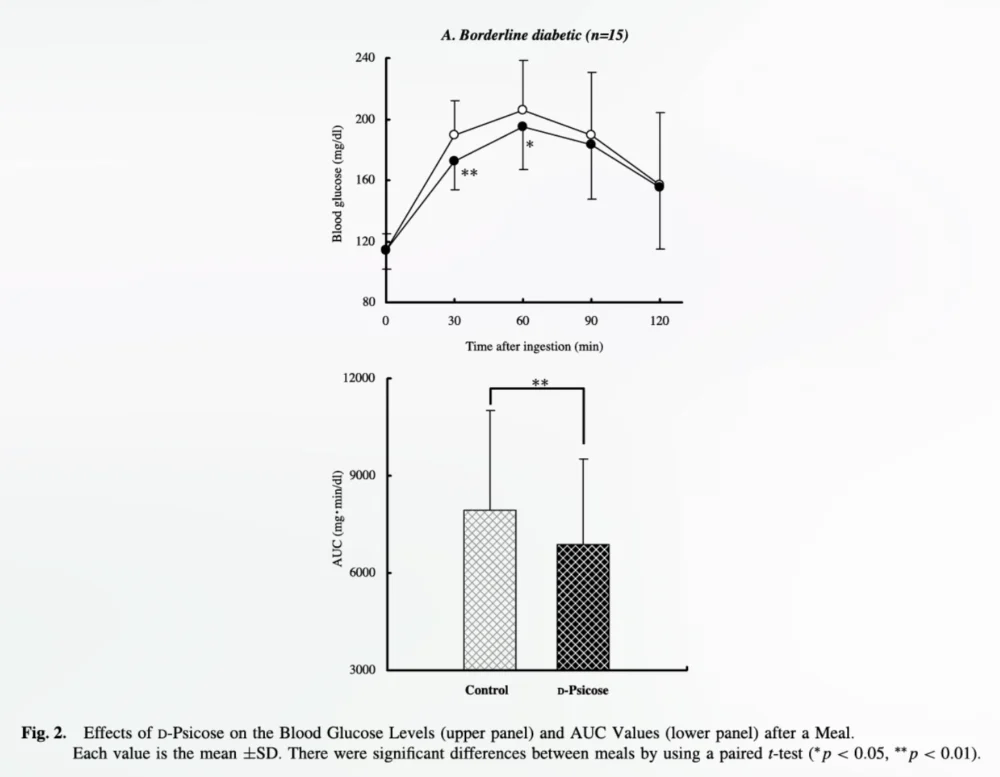
The quest for sweetness has led humanity through a complex evolution of sugar substitutes, from the ubiquitous and historically foundational sugars to the chemically engineered and naturally derived alternatives that populate our grocery shelves today. For centuries, refined sugar and its industrial counterpart, high-fructose corn syrup, have been the dominant players, celebrated for their affordability and potent sweetening power. However, their reign has been increasingly challenged by a growing body of scientific evidence linking their excessive consumption to a cascade of adverse health outcomes. Obesity, the burgeoning epidemic of type 2 diabetes, widespread dental caries, and the pervasive metabolic syndrome are now inextricably tied to the overindulgence of these calorie-dense sweeteners.
This mounting health crisis spurred the development of second-generation artificial sweeteners, such as aspartame (NutraSweet), sucralose (Splenda), and saccharin (Sweet ‘N Low). Marketed as virtually calorie-free alternatives, they offered a tantalizing solution for those seeking to reduce caloric intake. Yet, their widespread adoption has not been without its own set of concerns. Scientific scrutiny has increasingly focused on potential adverse effects, with ongoing debates and research exploring their long-term impact on human health.
The third generation of sweeteners introduced sugar alcohols, including sorbitol, xylitol, and erythritol. While offering a reduction in calories compared to traditional sugars, these compounds are not without their drawbacks. Many are known to cause gastrointestinal distress, including laxative effects, and some, like erythritol, have recently come under increased scrutiny for potential more serious health implications, prompting a reassessment of their safety profiles.
Against this backdrop of evolving sweetener science, a new contender has emerged, garnering significant attention: allulose. Often described as a "rare sugar," allulose is naturally present in limited quantities in certain foods like wheat, figs, and raisins. However, recent advancements in biotechnology, specifically enzymatic engineering utilizing genetically modified microorganisms, have enabled the large-scale commercial production of allulose, making it accessible as a mainstream sweetener. This technological leap positions allulose as a potential disruptor in the sweetener market, promising sweetness with a different metabolic profile.
Allulose: A Natural Enigma with Emerging Potential
Allulose, scientifically known as D-psicose, is a monosaccharide that is structurally similar to fructose but differs in the arrangement of its atoms. This subtle difference significantly alters how the human body metabolizes it. Unlike common sugars, allulose is poorly absorbed in the small intestine, meaning a substantial portion of it bypasses typical metabolic pathways. This characteristic is central to its purported health benefits and its distinct nutritional profile.
Its presence in trace amounts in natural foods has historically meant that human exposure to allulose was minimal. However, the advent of biotechnological production methods has changed this paradigm. Manufacturers can now efficiently produce allulose in commercial quantities, allowing for its incorporation into a wide array of food and beverage products, from baked goods and dairy products to beverages and confectionery. This accessibility has fueled interest from both consumers seeking healthier options and the food industry looking for innovative ingredients.
Investigating Allulose’s Impact on Weight Management
The potential for allulose to contribute to weight management has been a significant area of scientific inquiry. A notable study aimed to evaluate the efficacy of allulose supplementation in reducing body fat mass. In this randomized controlled trial, over one hundred participants were divided into three groups. One group received a placebo containing a small amount of sucralose, while the other two groups were administered either 4 grams or 7 grams of allulose twice daily for a period of 12 weeks. Crucially, the study participants maintained their usual physical activity levels and caloric intake throughout the trial, allowing for a clearer assessment of allulose’s direct impact.
The findings from this research indicated a statistically significant reduction in body fat mass in both allulose supplementation groups compared to the placebo group. This effect was observed despite no significant changes in reported physical activity or overall calorie consumption across the groups. This suggests that allulose might play a role in modulating fat metabolism or energy expenditure, independent of conscious dietary or exercise modifications. However, the study also reported no significant changes in LDL cholesterol levels in either of the allulose groups, indicating that its benefits, at least within the scope of this particular study, did not extend to immediate improvements in this key cardiovascular risk factor.
The Interplay of Allulose and Diabetes Management
Beyond weight management, the potential anti-diabetic effects of allulose have also been a subject of considerable research. The metabolic pathway of allulose, characterized by its limited absorption, has led to hypotheses that it could help regulate blood glucose levels.
One randomized, double-blind, placebo-controlled crossover experiment explored this hypothesis in individuals with borderline diabetes. Participants consumed a cup of tea containing either 5 grams of allulose or a placebo with a meal. The results demonstrated a significant reduction in blood sugar levels approximately 30 and 60 minutes after consumption in the group that received allulose. This reduction was notable, with blood sugar levels being around 15% lower compared to the control group. However, this effect was transient, lasting for only about an hour, and its long-term clinical significance remains to be fully elucidated.

To assess the long-term safety and efficacy of allulose in a broader population, a separate study randomized healthy individuals to consume approximately 5 grams of allulose three times a day with meals for 12 weeks. In this cohort, no significant adverse side effects were reported. However, this study also did not reveal any discernible effects on either weight or blood sugar levels. This suggests that while allulose may have an acute, albeit modest, impact on blood sugar in individuals with pre-existing glucose regulation issues, its chronic use at these dosages in healthy individuals may not yield significant metabolic benefits. The mixed findings regarding both body fat and sugar levels underscore the need for continued, robust research to clarify allulose’s precise metabolic influence.
Further investigations into the acute effects of allulose on blood sugar in healthy participants showed no significant changes up to two hours post-consumption. Conversely, a study involving individuals with diabetes did observe some impact on blood sugar levels. A systematic review and meta-analysis of controlled feeding trials aimed to synthesize the existing evidence, concluding that the acute benefit of allulose on blood glucose levels was of "borderline significance." This indicates that while there might be a subtle effect, it is not consistently pronounced and its translation into meaningful long-term improvements in glycemic control remains uncertain. Experts suggest that simply incorporating allulose into the diet may not be sufficient; a reduction in the consumption of unhealthy, processed foods might be a necessary complementary strategy for achieving significant health improvements.
Allulose: A Healthier Alternative or Merely Less Harmful?
The question of whether allulose represents a definitively "good" or "bad" sweetener is nuanced and depends on comparison points and specific health outcomes. Unlike traditional sugars, allulose appears to be benign for dental health. Cavity-causing bacteria, which thrive on common sugars by producing acids that erode tooth enamel and promote plaque buildup, do not readily metabolize allulose. This lack of acid production makes allulose a potentially tooth-friendly sweetener.
Furthermore, as noted, allulose does not appear to significantly elevate blood sugar levels, even in individuals with diabetes. This characteristic is a significant advantage over sucrose and high-fructose corn syrup. Allulose is generally considered a "relatively non-toxic" sugar by regulatory bodies, a classification that reflects a favorable safety profile based on available toxicological data. However, the term "relatively non-toxic" implies that, like many substances, there are limits to its consumption, and understanding these limits is crucial.
Determining Safe Consumption Levels: The Gastrointestinal Threshold
Understanding the upper limits of safe allulose consumption is paramount for consumers and manufacturers alike. Research has been conducted to identify the point at which allulose intake might lead to adverse gastrointestinal effects. In one study, healthy adults were given beverages containing gradually increasing doses of allulose to determine the maximum single dose for occasional ingestion without significant discomfort.
The study revealed that no cases of severe gastrointestinal symptoms were reported until a dose of 0.4 grams per kilogram of body weight was reached. This dose is approximately equivalent to eight teaspoons for the average American adult. Beyond this threshold, at a dose of 0.5 grams per kilogram of body weight, or about ten teaspoons, severe symptoms of diarrhea were observed.
When considering daily intake spread across multiple doses, the findings suggest a different tolerance level. In this scenario, once participants approached around 17 teaspoons (equivalent to 1.0 gram per kilogram of body weight) per day, some individuals experienced significant adverse effects, including severe nausea, abdominal pain, headache, or diarrhea. Therefore, a prudent recommendation for most adults in the United States would be to limit single doses to approximately eight teaspoons (0.4 g/kg bodyweight) and to avoid exceeding a total daily intake of about 18 teaspoons (0.9 g/kg bodyweight). These guidelines are critical for ensuring a positive consumer experience and avoiding potential digestive discomfort.
The Verdict on Allulose: Promising, But Data Gaps Remain
The emergence of rare sugars like allulose as potential alternatives to traditional sweeteners is an ongoing narrative in the pursuit of healthier dietary choices. Considering its potentially beneficial effects, coupled with the absence of significant metabolic and toxicological concerns identified in current studies, allulose is currently positioned as a highly promising rare sugar. Its ability to provide sweetness without the detrimental metabolic consequences associated with refined sugars is a compelling proposition.
However, the scientific community is quick to temper enthusiasm with a dose of caution. The available human data, while encouraging, is still relatively limited. The long-term effects of consistent, high-level allulose consumption in diverse populations are not yet fully understood. The "erythritol debacle," where a sweetener previously considered safe has faced renewed scrutiny due to emerging research linking it to cardiovascular events, serves as a stark reminder of the importance of comprehensive, long-term studies before widespread recommendation.
Consequently, it may be premature to unequivocally endorse rare sugars like allulose for broad human consumption without further extensive research. The current evidence suggests a favorable profile, but the ongoing evolution of sweetener science necessitates a cautious and evidence-based approach. As research continues to unfold, a clearer picture of allulose’s role in a healthy diet will undoubtedly emerge, guiding consumers and the food industry toward more informed decisions. The journey from a rare natural compound to a mainstream sweetener is complex, and a thorough understanding of its implications is essential for navigating the future of food and health.






