admin
admin
The Evolution of Behavioral Integration in Longevity Science
The partnership between Dr. Peter Attia, a prominent figure in the field of longevity and preventative medicine, and James Clear began with a 2021 interview on The Drive. This discussion laid the groundwork for what has become an annual tradition of revisiting behavioral cues to kickstart health-oriented goals at the beginning of each calendar year. The persistence of this collaboration underscores a fundamental truth in medicine: even the most advanced pharmacological or nutritional protocols are ineffective if a patient cannot sustain the necessary behaviors to implement them.
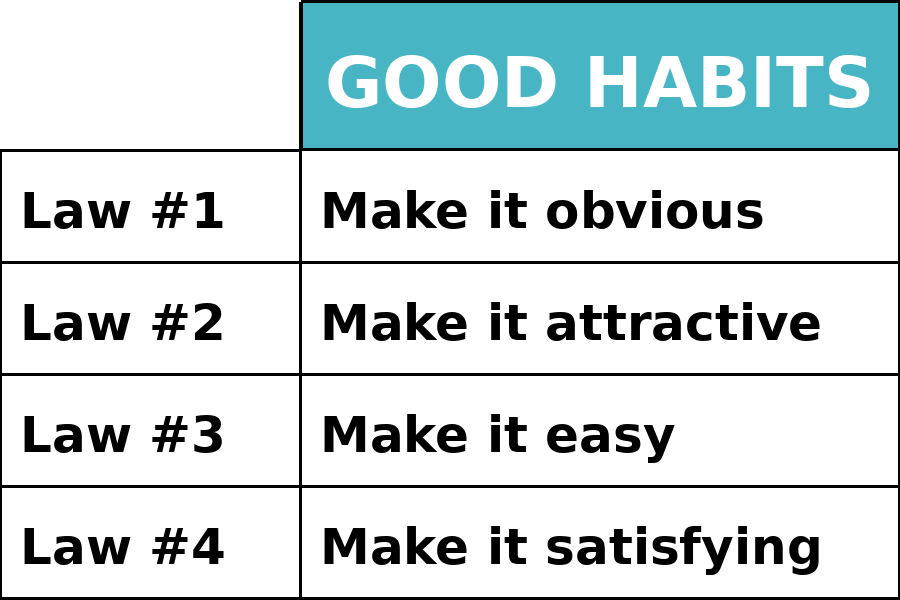
Research indicates that approximately 40% to 50% of daily human activity is dictated by habit rather than conscious decision-making. In a clinical context, this means that a patient’s "system"—the collection of automated routines they follow—is the ultimate predictor of their health outcomes. Dr. Attia’s clinical practice has increasingly integrated these behavioral "laws" to ensure that patients do not merely set goals but build the infrastructure required to reach them. The transition from abstract health objectives to concrete, "atomic" habits involves a four-step process: making the behavior obvious, attractive, easy, and satisfying.
The First Law: Environmental Design and Visual Cues
The first law of behavior change, "make it obvious," centers on the psychological principle of cue-induced behavior. In the realm of skincare and dermatological health, experts such as Dr. Tanuj Nakra and Dr. Suzan Obagi have highlighted how visual cues can drastically improve compliance with anti-aging regimens. During recent discussions on the science of facial aging, Dr. Obagi noted that the efficacy of mineral sunscreens and retinoids is entirely dependent on daily consistency.
To overcome the friction of remembering a new nightly chore, Obagi recommends "habit stacking" or visual anchoring. By placing a tube of retinoid directly next to a toothbrush, the individual utilizes an existing, deeply ingrained habit (brushing teeth) as a trigger for the new behavior. This strategy removes the cognitive load of remembering the task, relying instead on a physical reminder in the environment. This principle is supported by environmental psychology, which suggests that the most significant driver of human behavior is often the most visible stimulus.
The Second Law: Social Influence and Psychological Appeal
Making a habit "attractive" involves leveraging the brain’s dopamine-driven feedback loops. James Clear posits that behaviors are more likely to be repeated when they are associated with positive anticipation or social belonging. This is particularly relevant in the fields of education and physical rehabilitation.
Joe Liemandt, a pioneer in integrating artificial intelligence into K-12 education, has applied this principle to the Alpha School model. By replacing traditional, often passive lecture formats with interactive, AI-driven applications, the educational process becomes inherently more engaging for students. The "attractiveness" of the technology fosters a habit of active learning, transforming education from a mandated task into a self-motivated pursuit.

In a similar vein, Dr. Kyler Brown, a specialist in sports rehabilitation, emphasizes the role of preference in exercise adherence. Dr. Brown argues that clinical outcomes in cardiorespiratory fitness are often hindered by a "one-size-fits-all" approach. If a patient finds running repulsive, the habit will never take root, regardless of its physiological benefits. By shifting the modality to something the patient finds more attractive—such as cycling, swimming, or rowing—clinicians can ensure long-term engagement without sacrificing the metabolic advantages of Zone 2 or VO2 max training.
The Third Law: Reducing Friction and the Two-Minute Rule
The third law, "make it easy," is perhaps the most critical for nutritional interventions. Dr. Rhonda Patrick, a frequent contributor to the discourse on metabolic health, has recently focused on the necessity of increased protein intake for muscle preservation and longevity. While the physiological data suggests that many adults require at least 1.6 grams of protein per kilogram of body weight—nearly double the current Recommended Dietary Allowance (RDA)—achieving this goal can be logistically challenging.
To "make it easy," Dr. Patrick suggests reducing the friction of meal preparation. This involves environmental restructuring: stocking the pantry with high-protein, low-friction options such as jerky, nut mixes, and canned fish, and keeping pre-prepared turkey cold cuts in the refrigerator. By making the healthy choice the path of least resistance, individuals are less likely to default to highly processed, low-protein snacks during busy periods.
Furthermore, Clear’s "two-minute rule" serves as a psychological entry point for more demanding habits. For instance, an individual intimidated by a 60-minute gym session might focus solely on the habit of putting on their workout clothes and driving to the facility. By mastering the art of "showing up," the individual builds the identity of someone who exercises, which eventually makes the full workout feel like a natural extension of the routine rather than an insurmountable hurdle.
The Fourth Law: Immediate Gratification and Quantitative Feedback
The final law of behavior change is "make it satisfying." While the long-term rewards of healthy habits—such as reduced risk of cardiovascular disease or increased lifespan—are significant, they are often too delayed to provide the immediate reinforcement the human brain craves.
In a recent exploration of women’s sexual health with Dr. Sally Greenwald, the application of this law became clear. Dr. Greenwald recommends the daily use of vaginal moisturizers and lubricants as a preventative measure for tissue health, particularly during perimenopause. Unlike many health habits, this practice offers immediate satisfaction by reducing discomfort and enhancing pleasure during intercourse. This direct reinforcement loop makes the habit much easier to sustain than those with purely long-term benefits.
For habits that lack immediate physical rewards, Dr. Attia suggests using quantitative metrics to provide a sense of progress. Tracking VO2 max, resting heart rate, or muscle mass through DEXA scans can offer the "satisfaction" of seeing data-driven improvements. This objective feedback serves as a powerful motivator, turning the abstract goal of "getting healthy" into a measurable game of optimization.
Reversing the Laws: Strategies for Breaking Maladaptive Behaviors
Just as good habits are built through four laws, bad habits are broken by their inverses: making the behavior invisible, unattractive, difficult, and unsatisfying. This "anti-framework" is particularly effective in addressing the modern epidemic of sleep deprivation.
Dr. Ashley Mason, an expert in insomnia and cognitive behavioral therapy, emphasizes the importance of "stimulus control" in the bedroom. For many, the habit of scrolling through digital devices in bed has compromised sleep quality by associating the sleeping environment with blue light and dopamine-seeking behavior. To break this habit, one must "make it invisible" by removing the phone from the bedroom entirely, and "make it difficult" by requiring the device to be powered down or placed in a distant room.
By adding friction to the bad habit—such as the need to physically get out of bed to check a notification—the brain is less likely to engage in the behavior. Additionally, setting up "unsatisfying" consequences, such as digital alerts that track and shame late-night usage or observing the subsequent drop in sleep scores on a wearable device, can help devalue the habit over time.
Clinical Analysis and Broader Implications for Public Health
The integration of Clear’s behavioral laws into medical practice signals a shift toward a more holistic view of the patient. Historically, medicine has focused on the "what" (the diagnosis and the prescription) while neglecting the "how" (the implementation). By adopting a newsroom-style analysis of these interactions, it becomes clear that the future of longevity medicine lies in this synthesis of hard science and behavioral strategy.
The implications of this shift are profound. If public health initiatives focused as much on the "system" of habit formation as they do on nutritional guidelines, the global burden of lifestyle-related diseases—such as Type 2 diabetes and hypertension—might be significantly reduced. The data suggests that small, "atomic" changes, when compounded over decades, result in a vastly different health trajectory.
Timeline of the Clear-Attia Collaboration
- November 2021: Initial interview on The Drive (Episode #183), establishing the link between habit architecture and clinical health.
- January 2022-2024: Annual re-releases and the introduction of supplemental newsletters to align with New Year behavior shifts.
- March-November 2025: Integration of habit principles with new clinical data from guests like Dr. Ashley Mason (Sleep), Dr. Kyler Brown (Rehab), Dr. Rhonda Patrick (Nutrition), and Dr. Sally Greenwald (Sexual Health).
- Present: The establishment of a comprehensive behavioral-clinical framework used as a template for patient adherence in preventative medicine.
As we move further into an era where individual healthspan is a primary metric of success, the ability to engineer one’s own behavior is no longer a "soft skill"—it is a medical necessity. The collaboration between James Clear and Dr. Peter Attia provides a robust, evidence-based roadmap for anyone looking to turn the science of longevity into a lived reality. Through the intentional design of our environments and the strategic management of our psychological rewards, the daunting task of life extension becomes a series of manageable, satisfying, and ultimately automatic actions.