 Rachel Mohan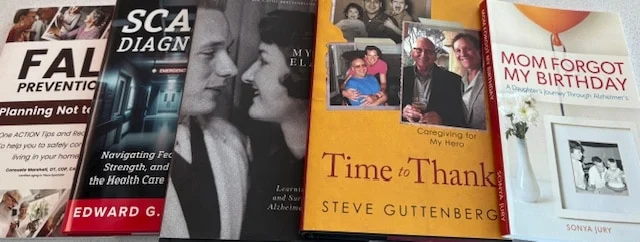
The intricate and often demanding world of caregiving has found a potent ally in literature, with a growing number of authors sharing their deeply personal experiences, invaluable insights, and practical guidance. In a recent compilation, a collection of noteworthy books has been highlighted, offering solace, wisdom, and a sense of solidarity to individuals navigating the multifaceted challenges of caring for loved ones. These literary works span a spectrum of caregiving scenarios, from the profound emotional journey of tending to aging parents to the practicalities of ensuring home safety and the emotional toll of neurodegenerative diseases.
A Son’s Devotion: Steve Guttenberg’s "Time to Thank: Caregiving for My Hero"
Among the recommended reads is the memoir "Time to Thank: Caregiving for My Hero" by actor Steve Guttenberg. This poignant narrative chronicles Guttenberg’s personal experience as he stepped into the role of caregiver for his father following a diagnosis of kidney failure. The book delves into the emotional landscape of a devoted son’s commitment, detailing his weekly journeys from Los Angeles to Phoenix to provide care. As Guttenberg navigates the miles on the road, he reflects on his illustrious Hollywood career, the formative influence of his father, and the profound lessons learned through the act of caregiving.
The memoir offers a rare glimpse behind the curtain of a public persona, revealing the universal struggles, heartbreak, and unexpected joys inherent in caring for a beloved parent. Guttenberg’s willingness to share the intimate details of this personal chapter resonates deeply, providing a relatable account of the challenges faced by many in the caregiving community. The narrative serves as a testament to the enduring bond between parent and child, underscored by the selfless act of providing care. This work contributes to a growing body of literature that humanizes the caregiving experience, moving beyond abstract concepts to the lived reality of individuals.
Confronting Alzheimer’s: Martin J. Schreiber’s "My Two Elaines: Learning, Coping and Surviving as an Alzheimer’s Caregiver"
Former Governor of Wisconsin, Martin J. Schreiber, offers a powerful and deeply moving account of his journey as a caregiver in "My Two Elaines: Learning, Coping and Surviving as an Alzheimer’s Caregiver." The book centers on Schreiber’s experience caring for his wife, Elaine, as she grappled with Alzheimer’s disease. A particularly impactful element of the book is Schreiber’s recurring preface in each chapter: "What I wish I had known or done." These candid admissions provide a profound reflection on the caregiver’s perspective, highlighting the constant learning process and the inherent desire to have provided the best possible care.
Schreiber’s honest and measured reflections offer a guidepost for others facing similar circumstances. The narrative avoids dwelling on guilt, instead focusing on the lessons learned and the practical strategies developed along the way. This approach provides a roadmap for navigating the complexities of Alzheimer’s care, emphasizing adaptation and resilience. The memoir not only details the emotional toll, pain, and devastation associated with the disease’s progression but also celebrates the moments of joy, connection, and vulnerability that sustain the caregiver. The inclusion of a Q&A section with neuropsychologist Michelle Braun adds a layer of expert insight, offering practical advice and guidance for those supporting loved ones with Alzheimer’s. The book underscores the significant impact of Alzheimer’s disease, which affects millions globally. According to the Alzheimer’s Association, over six million Americans are living with Alzheimer’s, and the number is projected to rise to nearly 13 million by 2050. This makes Schreiber’s work particularly relevant and timely.
Navigating Health Crises: Edward G. Rogoff’s "Scary Diagnosis: Navigating Fear, Finding Strength and Securing the Health Care You Deserve"
The emotional and practical challenges of facing a serious medical diagnosis are addressed in Edward G. Rogoff’s "Scary Diagnosis: Navigating Fear, Finding Strength and Securing the Health Care You Deserve." Rogoff, who has personal experience with numerous life-threatening diagnoses, shares his accumulated wisdom and strategies for navigating such crises. The book is framed as an empowering guide, filled with practical suggestions and advice derived from firsthand experience.
Rogoff’s approach emphasizes proactive engagement with the healthcare system and the development of personal resilience. The book offers tactical and valuable information, equipping both patients and their caregivers with the knowledge to become more informed, capable, and empowered. In an era where healthcare systems can be complex and overwhelming, Rogoff’s guide serves as a vital resource for demystifying the process and fostering a sense of agency. The implications of timely and accurate medical information are significant, impacting patient outcomes and overall quality of life. This book provides a framework for accessing and understanding that crucial information.
A Daughter’s Alzheimer’s Journey: Sonya Jury’s "Mom Forgot My Birthday: A Daughter’s Journey Through Alzheimer’s"
Sonya Jury’s "Mom Forgot My Birthday: A Daughter’s Journey Through Alzheimer’s" offers a gripping and emotionally resonant account of navigating the progressive stages of Alzheimer’s disease from a daughter’s perspective. The book is characterized by its raw honesty and engaging storytelling, drawing readers into Jury’s caregiving experience. She shares the day-to-day realities of the disease, the emotional rollercoaster, and the profound lessons learned throughout her journey.
Jury’s narrative is a testament to the courage and resilience required of caregivers. By sharing her story with authenticity and candor, she addresses the spectrum of emotions—the good, the bad, and the ugly—that are integral to the caregiving experience. Her work aims to foster a sense of connection among individuals facing similar paths, alleviating feelings of isolation. The book provides a beacon of hope, demonstrating that even in the face of immense challenges, strength and connection can be found. The increasing prevalence of Alzheimer’s, as noted earlier, means that stories like Jury’s are becoming increasingly vital for providing comfort and understanding to a growing population.
Ensuring Home Safety: Consuela Marshall’s "Fall Prevention: Planning Not to Fall"
Addressing a critical aspect of elder care and home safety, Consuela Marshall, an Occupational Therapist (OT) with certifications as a Certified Dementia Practitioner (CDP) and Certified Aging-in-Place Specialist (CAPS), presents "Fall Prevention: Planning Not to Fall." This book is an indispensable guide for individuals seeking to maintain independence and safety within their homes. It features 31 practical, actionable tips designed to prevent falls, which are a leading cause of injury and mortality among older adults.
Marshall’s approach is characterized by its simplicity, ease of implementation, and effectiveness. The book transcends a mere list of instructions by weaving in true-life stories that underscore the significance of each preventative measure. The author’s inclusion of grace, wisdom, and humor makes the material engaging and accessible. The advice provided is not only practical but also contributes to a higher quality of life, promoting longevity and safety. According to the Centers for Disease Control and Prevention (CDC), one in four older adults falls each year, and more than 32,000 older adults die from fall injuries. Marshall’s work directly addresses this critical public health concern, offering tangible solutions.
The Caregiver’s Own Well-being: "Self-Care for Caregivers"
Beyond the specific needs of those receiving care, the importance of caregiver self-care is paramount. The author of these recommendations also promotes their own work, "Self-Care for Caregivers," a daily reader designed to offer one tip, strategy, or suggestion per page. This resource aims to equip caregivers with the tools to prioritize their own well-being while tending to others. The availability of an audio version further caters to the busy schedules of caregivers, offering flexibility and accessibility. The emphasis on self-care is crucial, as caregiver burnout is a significant issue, impacting both the caregiver’s health and the quality of care provided. Studies have shown that caregivers often experience higher rates of depression, anxiety, and chronic health conditions compared to non-caregivers.
Broader Implications for the Caregiving Ecosystem
The collective insights offered by these literary works highlight several critical trends and challenges within the caregiving landscape. Firstly, there is a growing recognition of the emotional and psychological toll on caregivers, underscoring the need for support systems and resources. Secondly, the prevalence of neurodegenerative diseases like Alzheimer’s means that literature offering practical guidance and emotional resonance is increasingly vital. Thirdly, the focus on home safety and proactive health management reflects a broader societal shift towards enabling individuals to age in place and maintain independence for as long as possible.
The accessibility of these books through platforms like Amazon signifies a commitment to disseminating this vital information to a wide audience. The inclusion of links and the promotion of audio versions demonstrate an understanding of the diverse needs and constraints faced by caregivers. As the population ages and the complexities of healthcare continue to evolve, books like these serve as indispensable companions, offering not just information but also a sense of community and shared experience. They empower individuals to navigate the demanding, yet profoundly rewarding, journey of caregiving with greater knowledge, resilience, and hope. The ongoing dialogue fostered by these narratives is essential for building a more supportive and understanding environment for all involved in the caregiving ecosystem.