
 admin
admin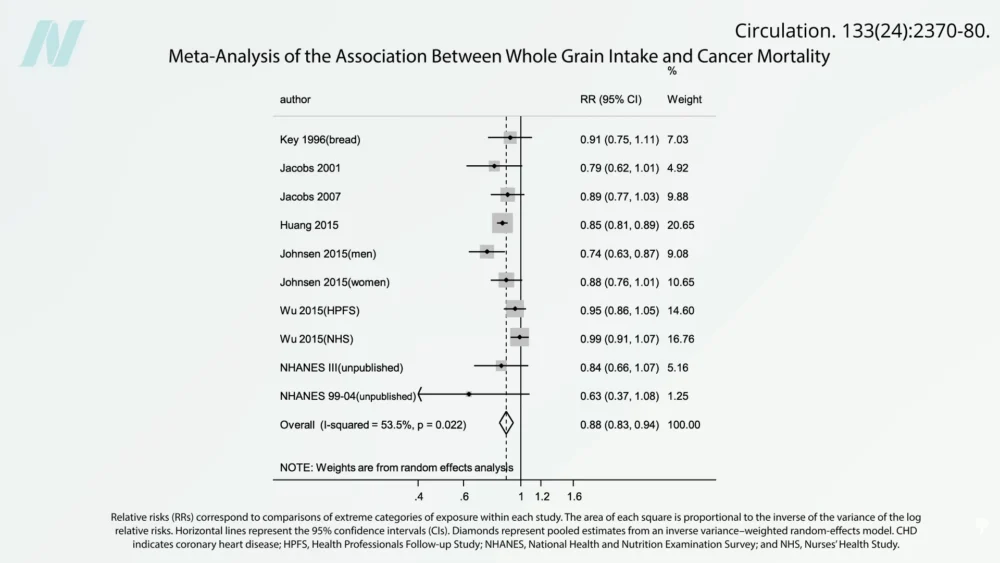
The pervasive presence of mycotoxins in the global food supply chain presents a complex challenge, with the overall risk-benefit ratio of these fungal contaminants varying significantly depending on the specific food item and the level of contamination. Among these naturally occurring toxins, ochratoxin has garnered scientific attention due to its potential adverse effects on various organ systems, though definitive human health impacts remain a subject of ongoing research and debate.
Understanding Ochratoxin: A Scientific Perspective
Ochratoxin, a mycotoxin produced by several species of Aspergillus and Penicillium fungi, is a known contaminant in a wide array of agricultural commodities, including cereals, coffee, dried fruits, wine, and pork. Its toxicological profile, largely established through animal studies, indicates potential harm to the immune system, developing fetuses, kidneys, and the nervous system. Furthermore, ochratoxin has been classified as a possible human carcinogen by international health organizations. However, it is crucial to note that the direct evidence of adverse health outcomes in human populations exposed to typical dietary levels of ochratoxin is limited. While animal models consistently demonstrate kidney toxicity in certain species, documented cases of similar effects in humans at prevalent exposure levels are scarce. This distinction is critical in regulatory assessments and public health messaging.

Industry Assurances and Regulatory Frameworks
Major agricultural and food industry stakeholders often assert that current levels of ochratoxin in food products are well within safe limits, even for individuals with high dietary intake of potentially contaminated foods. These assurances are frequently based on risk assessments that extrapolate findings from animal studies to human populations, incorporating significant safety margins. For instance, in the case of oat-based cereals, a common dietary staple, particularly for young children, industry analyses suggest that the lifetime cancer risk associated with typical ochratoxin exposure remains negligible.
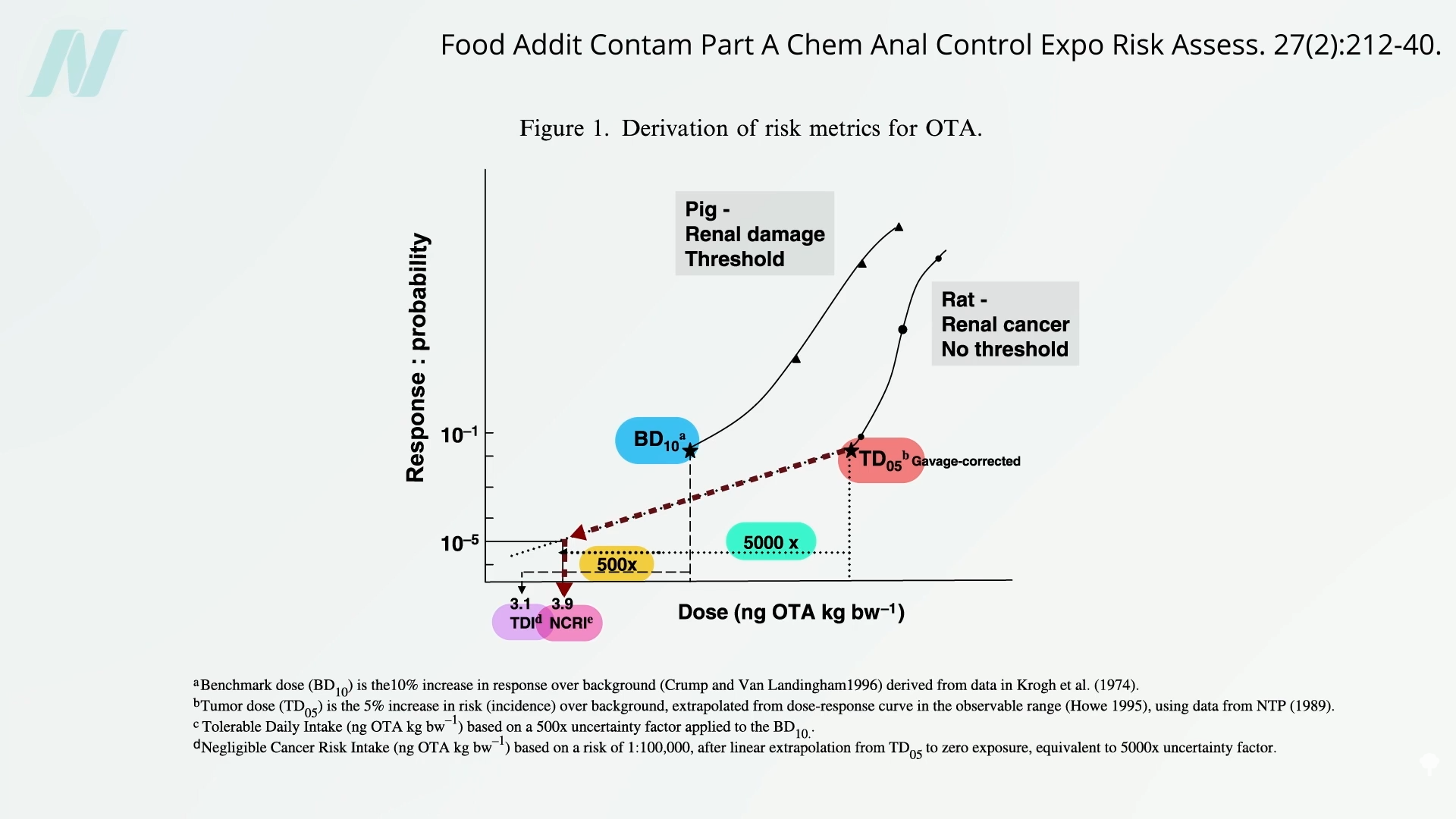
The methodologies employed to establish these safety thresholds are complex and often involve translating animal data into human-relevant exposure limits. A common approach is to identify the "benchmark dose" in animal studies, which is defined as the dose that elicits a 10% increase in pathology. This dose is then divided by a substantial safety factor (often 500) to derive a "tolerable daily intake" (TDI) for humans. For carcinogenic risks, a different metric, the "tumor dose," which signifies a 5% increase in tumor incidence in laboratory animals, is used. This dose is then extrapolated down to an "effectively negligible cancer risk intake," incorporating an even larger safety factor, typically around 5,000-fold. These extensive safety factors are intended to account for interspecies differences, variations in individual susceptibility, and the cumulative effects of exposure to multiple toxins.
The scientific basis for these estimations, while rigorous within the established scientific framework, can sometimes appear abstract or even arbitrary to the public. The challenge lies in the ethical and practical limitations of directly testing the effects of toxins on human subjects. Consequently, regulatory bodies and scientific committees rely on the best available data, primarily from animal toxicology and epidemiological studies, to set guidelines that aim to protect public health while acknowledging the realities of food production and consumption.
Epidemiological Insights: The Protective Role of Whole Grains
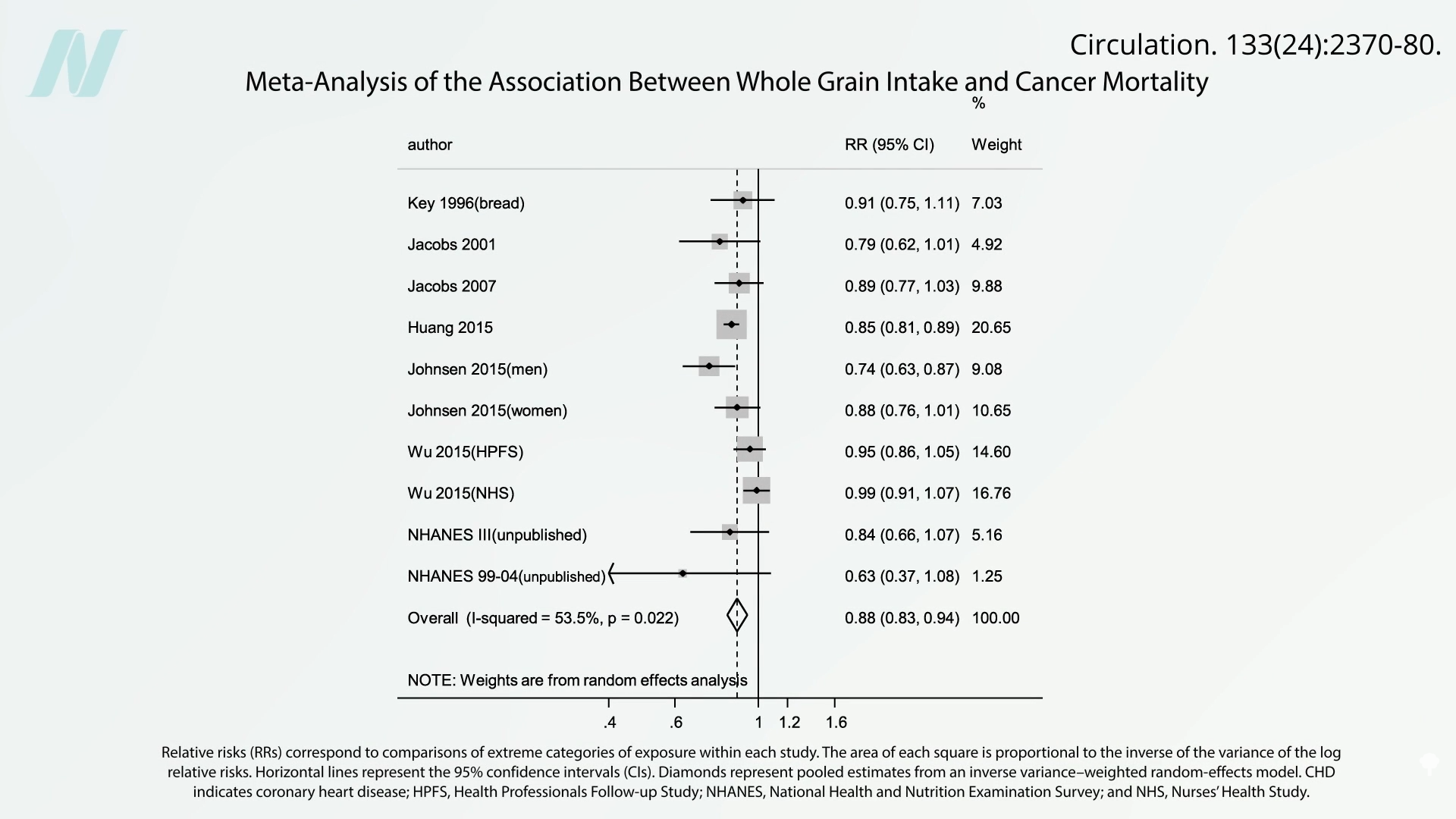
While direct evidence of ochratoxin’s harm in humans at typical dietary levels is limited, broader epidemiological research offers valuable context. Studies investigating the association between whole grain consumption and health outcomes have consistently revealed a protective effect against major chronic diseases. For example, a comprehensive analysis of large-scale cancer studies indicates that each additional ounce of whole grains consumed daily is associated with a statistically significant reduction in cancer mortality. This trend extends to all-cause mortality as well, suggesting that the benefits of whole grains far outweigh potential risks from contaminants like ochratoxin.
These findings are not isolated. Across numerous large-scale observational studies, the consumption of whole grains consistently trends towards lower cancer risk. This robust body of evidence suggests that the beneficial components of whole grains, such as their rich antioxidant profiles and dietary fiber, may play a crucial role in mitigating the adverse effects of mycotoxins and other environmental toxins. Antioxidants, in particular, can help protect cells from damage, potentially counteracting the cellular disruptions caused by ochratoxin. Therefore, an overall healthy dietary pattern, rich in fruits, vegetables, and whole grains, can significantly contribute to reducing the overall risk posed by contaminants present in the food supply.
Broader Implications: A Comparative Risk Analysis
The presence of ochratoxin serves as a stark reminder that food safety is a multifaceted issue. While the direct impact of ochratoxin in human populations at current dietary levels appears to be minimal, particularly when contrasted with the proven benefits of whole grain consumption, it is important to consider the differential impact of this mycotoxin across various food items.
For foods considered inherently healthy, such as whole grains, the presence of ochratoxin may slightly diminish their overall nutritional advantage. However, the substantial health benefits derived from these foods likely overshadow any marginal negative impact from the toxin. In contrast, less healthful foods, which are often consumed for pleasure or convenience rather than nutritional value, can become significantly more problematic when contaminated with ochratoxin.
For example, studies have detected ochratoxin in a substantial percentage of tested pork products, with some reports indicating its presence in up to 44% of samples. Similarly, ochratoxin can be found in wine and certain spices. In these contexts, the mycotoxin adds an additional layer of risk to foods that may already be associated with less favorable health outcomes due to their composition (e.g., high saturated fat content in pork, alcohol in wine). The presence of ochratoxin in these products exacerbates their potential negative impact on health.
Conclusion: A Balanced Approach to Food Safety
The scientific understanding of ochratoxin’s effects highlights a critical point: the concept of "risk" is relative and must be evaluated within the broader context of an individual’s diet and lifestyle. While ochratoxin is a recognized toxin with demonstrated effects in animal studies, the available human data suggests that at typical dietary exposure levels, its risks are considerably lower than the well-established benefits of consuming nutrient-dense foods like whole grains, fruits, and vegetables.
The food industry’s assurances of safety, while grounded in scientific risk assessment, are complemented by epidemiological evidence that underscores the power of a healthy diet in building resilience against environmental contaminants. The ongoing research into mycotoxins and their interactions with human health is essential for refining regulatory standards and informing public health strategies. Ultimately, promoting a balanced and nutrient-rich diet remains one of the most effective public health interventions for mitigating the potential risks associated with food contaminants, including ochratoxin.
This article is the third in a four-part series exploring mold toxins. Previous installments covered "Ochratoxin in Breakfast Cereals" and "Friday Favorites: Ochratoxin and Breakfast Cereals, Herbs, Spices, and Wine." The upcoming segment will address concerns related to aflatoxin.






