 admin
admin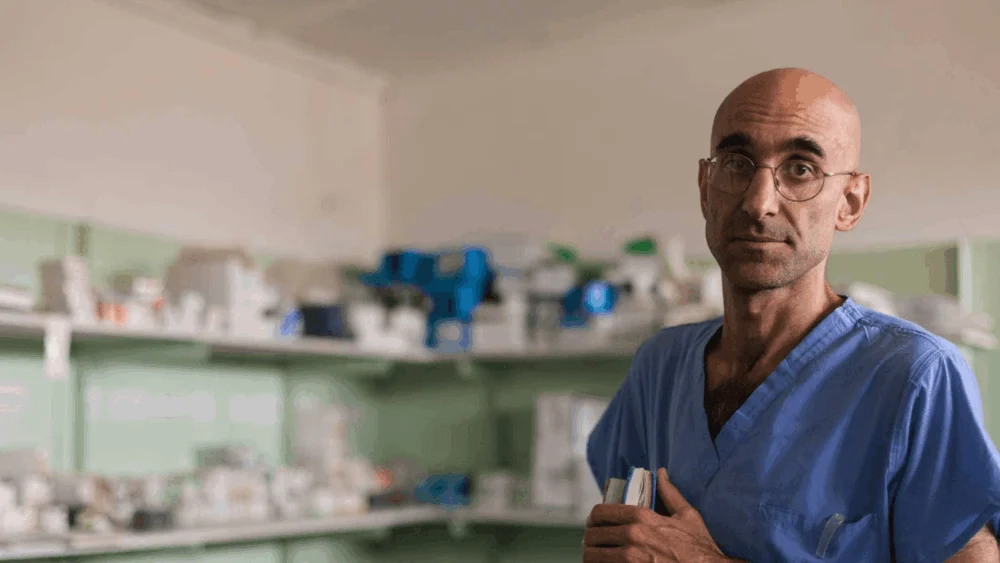
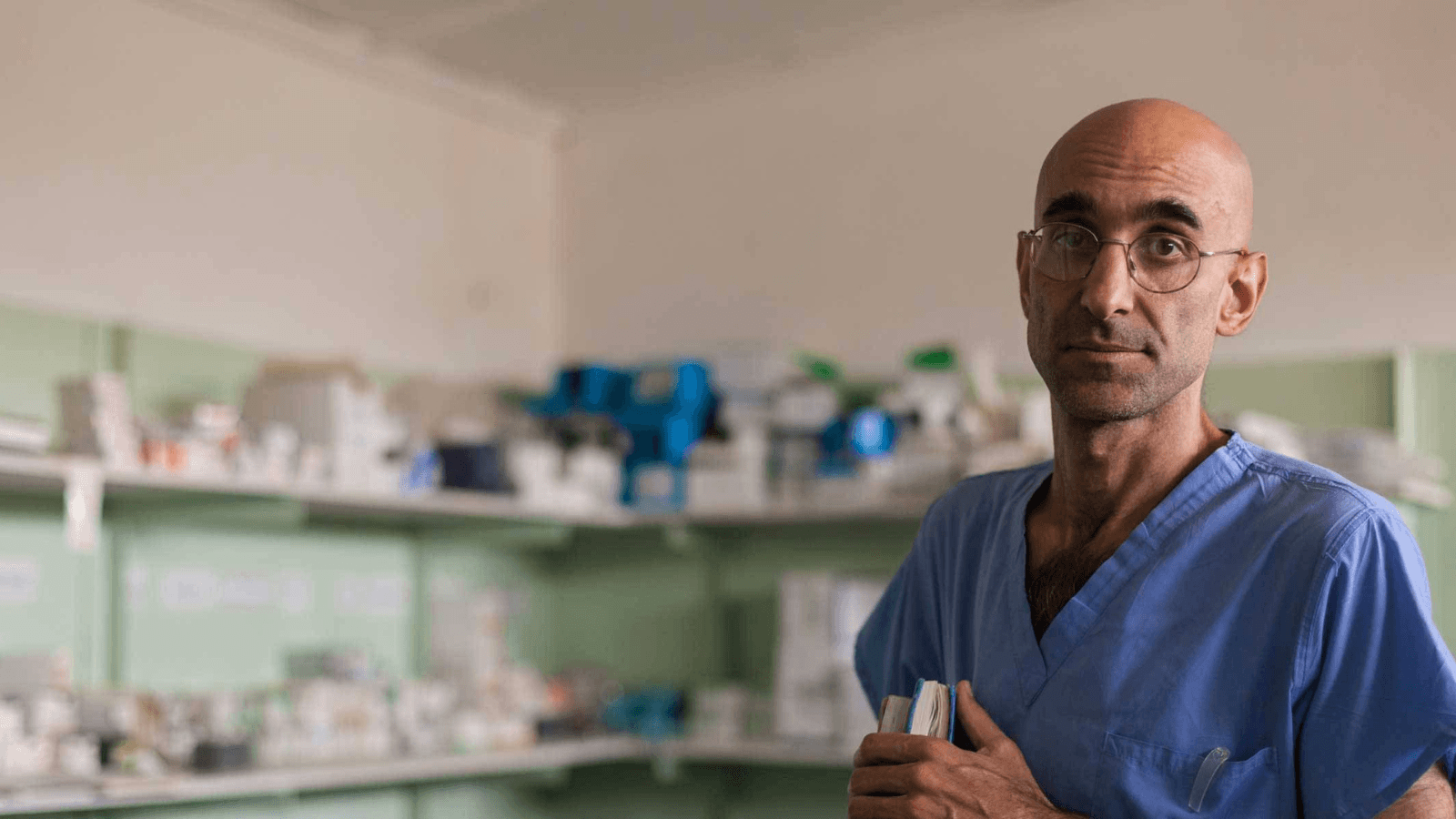
The Republic of Sudan is currently grappling with what the United Nations has designated as the world’s most severe humanitarian crisis, characterized by a complex intersection of civil warfare, systemic famine, and the near-total collapse of regional healthcare infrastructure. In the heart of this turmoil lies the Nuba Mountains, a territory long isolated by political and religious conflict, where a single medical facility—Mother of Mercy Hospital—remains the primary bastion of hope for millions. At the center of this operation is Dr. Tom Catena, an American missionary surgeon who has spent the last two decades providing life-saving care under conditions that international observers describe as catastrophic. As the conflict between the Sudanese Armed Forces (SAF) and the Rapid Support Forces (RSF) intensifies, the role of independent medical missions has transitioned from supplemental aid to an essential survival mechanism for the civilian population.
The Geopolitical Context of the Nuba Mountains
The Nuba Mountains, located in the South Kordofan state of Sudan, have historically been a flashpoint for conflict between the central government in Khartoum and local ethnic groups seeking greater autonomy. The region is home to the Nuba people, a diverse collection of ethnic groups who have faced decades of marginalization and targeted violence. Due to the rugged terrain and the political stance of the local administration, the area has frequently been subjected to blockades, preventing the consistent flow of humanitarian aid, food, and medical supplies.
This isolation was exacerbated in 2011 when a significant civil war erupted following the independence of South Sudan. For years, the Nuba Mountains were targeted by aerial bombardments and ground offensives, leading to a total breakdown of state-sponsored services. It was within this vacuum that Mother of Mercy Hospital was established, serving as the only functional surgical facility for a population that has grown to an estimated three million people due to the recent influx of internally displaced persons (IDPs).
A Chronology of Service and Conflict
The trajectory of healthcare in the Nuba region is inextricably linked to the personal history of Dr. Tom Catena and the evolution of Mother of Mercy Hospital. To understand the current crisis, it is necessary to examine the timeline of events that led to the present situation:
- Early 2000s: Tom Catena, a graduate of Brown University and a veteran of the U.S. Navy, begins his medical missionary work in Kenya. During his tenure there, he identifies a critical lack of surgical services in the neighboring Nuba Mountains of Sudan.
- 2008: In collaboration with the Catholic Diocese of El Obeid, Dr. Catena establishes Mother of Mercy Hospital in Gidel, a remote village in the Nuba Mountains. He begins his work as the sole physician on-site, supported by a minimal staff of international and local nurses.
- 2011: Full-scale civil war breaks out in Sudan. As the government begins aerial strikes on the Nuba region, international NGOs and foreign medical staff are evacuated. Dr. Catena famously refuses to leave, remaining the only surgeon in the war zone to treat both combatants and civilians.
- 2014–2015: The hospital itself becomes a target of targeted air raids. Staff and patients are forced to utilize foxholes and trenches during bombing runs. Despite these threats, the facility continues to expand its capacity.
- 2017: Dr. Catena is awarded the Aurora Prize for Awakening Humanity, an international award recognizing individuals who risk their lives to enable others to survive. The prize brings global attention to the "forgotten war" in Sudan.
- 2020: A fragile peace agreement provides a temporary reprieve, allowing for the expansion of satellite clinics and the stabilization of supply lines.
- April 2023: A new civil war erupts between the SAF and the RSF. While the primary fighting is centered in Khartoum and Darfur, the Nuba Mountains once again become a target of military strikes and a destination for millions of refugees fleeing the violence elsewhere.
- 2024: A formal declaration of famine is issued for parts of Sudan, including regions surrounding the Nuba Mountains. Mother of Mercy Hospital reports record-breaking patient volumes and a critical shortage of resources due to a government-enforced blockade on humanitarian corridors.
Statistical Analysis of Medical Impact and Resource Efficiency
The scale of the medical challenge in the Nuba Mountains is reflected in the 2024 operational data released by Mother of Mercy Hospital and its philanthropic partner, African Mission Healthcare. Despite the ongoing war, the hospital has managed to maintain a level of productivity that rivals larger, well-funded urban centers in developed nations, albeit on a fraction of the budget.
In the 2024 fiscal year, the hospital provided care for approximately 300,000 patients. This includes 2,642 major surgeries—ranging from trauma-related amputations and shrapnel removal to cesarean sections and orthopedic repairs. The hospital’s network of 19 outpatient clinics handled an additional 212,000 patient visits, focusing on infectious diseases such as malaria, tuberculosis, and leprosy, which remain endemic in the region.
Perhaps most striking is the financial efficiency of the operation. The entire annual budget for the Mother of Mercy Hospital, including its satellite clinics and its medical training school, is approximately $3.2 million. This budget covers all medications, surgical equipment, staff salaries, and facility maintenance. To put this in perspective, the cost of a single major surgery at the facility averages roughly $25 when amortized across the hospital’s operational expenses. This stands in stark contrast to healthcare costs in the United States or Europe, where similar procedures can cost tens of thousands of dollars.
The 2023–2024 Crisis: Famine and Renewed Hostilities
The current conflict in Sudan has introduced new, deadlier variables into the humanitarian equation. According to the United Nations, over 10 million people have been displaced since April 2023, creating the world’s largest displacement crisis. Many of these individuals have sought refuge in the Nuba Mountains, believing the remote terrain offers protection from the RSF’s rapid advances. However, this influx has strained local food supplies and water resources.
The Sudanese government and various paramilitary groups have been accused of using starvation as a weapon of war. Blockades have prevented the delivery of essential grain and therapeutic food for malnourished children. At Mother of Mercy Hospital, the pediatric wards are currently over-capacity with children suffering from severe acute malnutrition (SAM).
Furthermore, the region has seen a resurgence of direct military strikes. Reports from the ground indicate that in the last quarter of 2024, at least 162 civilians, the majority of whom were children, were killed in strikes targeting schools and medical infrastructure. These actions have drawn sharp condemnation from international human rights organizations, yet the lack of a coordinated international intervention has left the local population largely defenseless.
Sustainability Through Local Education: The Physician Assistant Program
Recognizing that the long-term survival of the region’s healthcare system cannot depend on a single individual, Dr. Catena and Mother of Mercy Hospital have prioritized the training of local Sudanese healthcare workers. In 2024, the hospital’s training school celebrated the graduation of its first class of 19 physician assistants (PAs).
This initiative is a critical component of the hospital’s strategy for sustainability. In the context of the Nuba Mountains, a PA is trained to perform many of the duties typically reserved for doctors in other systems, including diagnosing illnesses, prescribing medication, and performing minor surgical procedures. The cost to fully train one PA in the Nuba program is approximately $6,600—a fraction of the $100,000+ required for similar training in the West. Estimates suggest that each graduate will treat approximately 80,000 patients over the course of their career, representing a massive return on investment for humanitarian donors and a vital step toward regional self-sufficiency.
Official Responses and International Implications
The international community’s response to the crisis in the Nuba Mountains has been characterized by diplomatic condemnation paired with limited logistical action. The United Nations has repeatedly called for "unhindered humanitarian access" to the region, yet the sovereign complexities of Sudan have made enforcement difficult.
Humanitarian experts argue that the work of Dr. Catena and Mother of Mercy Hospital serves as a blueprint for "frontline medicine" in ungoverned or contested spaces. By operating independently of major governmental aid packages—which are often subject to political manipulation—the hospital has maintained its neutrality and its ability to treat all patients regardless of their political or religious affiliations.
However, analysts warn that without a cessation of hostilities and the lifting of the humanitarian blockade, even the most resilient medical facilities will eventually reach a breaking point. The depletion of surgical supplies, fuel for generators, and basic antibiotics poses an existential threat to the three million people who rely on Mother of Mercy Hospital.
Conclusion: The Broader Impact of Individual Agency
The ongoing mission in the Nuba Mountains provides a case study in the impact of individual agency within the framework of global health. While the geopolitical situation in Sudan remains bleak, the continued operation of Mother of Mercy Hospital demonstrates that even in the absence of state support and international intervention, structured humanitarian efforts can provide a significant counter-pressure to the forces of conflict and neglect.
As the world watches the unfolding crisis in Sudan, the work of Dr. Tom Catena and his local staff stands as a reminder of the necessity of localized, high-efficiency healthcare. For the 300,000 patients treated annually at Mother of Mercy, the hospital is not merely a medical facility; it is the sole guarantor of their right to life in a region where that right is constantly under threat. The future of the Nuba people may depend on whether the international community can mirror the commitment shown by those on the ground, ensuring that this "forgotten" region receives the attention and resources required to survive the world’s worst humanitarian crisis.