admin
admin
The global medical community is currently navigating a significant shift in its understanding of alcohol consumption, transitioning from a historical acceptance of moderate drinking to a more rigorous, risk-averse framework. For decades, the "French Paradox" and various observational studies suggested that moderate consumption of red wine might offer cardioprotective benefits. However, a growing body of contemporary research is dismantling these long-held assumptions. In 2023, the World Health Organization (WHO) issued a definitive statement declaring that no amount of alcohol is safe for human health, a move that has sent ripples through public health policy and consumer behavior alike. This paradigm shift focuses not only on "lifespan"—the total number of years lived—but more critically on "healthspan," the period of life characterized by functional independence and the absence of chronic disease.
The Evolution of Medical Consensus: A Chronological Overview
The scientific narrative regarding alcohol has undergone a dramatic transformation over the last thirty years. In the early 1990s, popular media and some medical literature promoted the idea that low-to-moderate alcohol intake, particularly wine, contributed to longevity. This was largely based on observational data that showed a "J-shaped" curve, where light drinkers appeared to have lower mortality rates than both heavy drinkers and complete abstainers.
By the mid-2010s, researchers began to identify significant flaws in these earlier studies. The most notable issue was the "sick quitter" bias, where the group of abstainers often included individuals who had stopped drinking due to pre-existing health conditions or past struggles with alcoholism. When these individuals were removed from the data, the perceived health benefits of moderate drinking largely evaporated. In 2018, a landmark study published in The Lancet, which analyzed data from 195 countries between 1990 and 2016, concluded that the level of consumption that minimizes health loss is zero. This culminated in the 2023 WHO declaration, which emphasized that alcohol is a Group 1 carcinogen, in the same category as asbestos and tobacco, regardless of the quantity consumed.
Alcohol and the Four Horsemen of Chronic Disease
To understand the impact of alcohol on healthspan, it is necessary to examine its relationship with the four primary drivers of non-communicable mortality, often referred to as the "four horsemen": cardiovascular disease, cancer, neurodegenerative disease, and metabolic type 2 diabetes.
Cardiovascular Implications
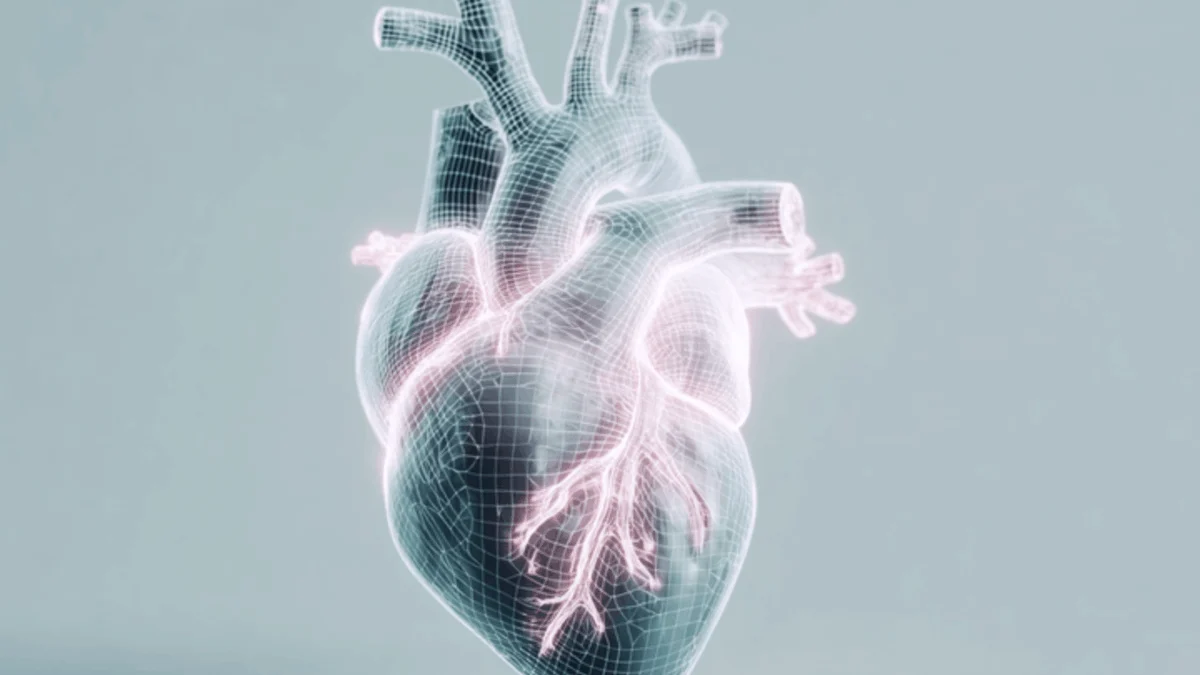
While low doses of alcohol were once thought to raise "good" HDL cholesterol, modern Mendelian randomization studies—which use genetic variants to mimic randomized controlled trials—suggest that any reduction in cardiovascular risk is likely due to other lifestyle factors common among light drinkers, such as higher socioeconomic status and better diet. Conversely, even moderate alcohol consumption is linked to an increased risk of atrial fibrillation and high blood pressure. Ethanol and its metabolite, acetaldehyde, can exert direct toxic effects on the myocardium, potentially leading to weakened heart muscles over time.
Oncological Risks
The link between alcohol and cancer is perhaps the most robustly documented risk. Alcohol consumption is a known cause of at least seven types of cancer, including breast, liver, colorectal, and esophageal cancers. For women, even one drink per day is associated with a statistically significant increase in the risk of breast cancer. The mechanism is multifaceted: acetaldehyde causes DNA damage and prevents cells from repairing that damage, while alcohol also increases blood levels of estrogen, a hormone linked to breast cancer.
Neurodegeneration and Cognitive Decline
The impact of alcohol on brain health is a primary concern for healthspan. Recent neuroimaging studies have demonstrated that even moderate drinking is associated with reduced grey and white matter volumes in the brain. This structural shrinkage is linked to cognitive decline and an increased risk of dementia. Furthermore, alcohol severely disrupts sleep architecture, specifically suppressing Rapid Eye Movement (REM) sleep, which is vital for memory consolidation and emotional regulation. Chronic sleep disruption is itself a major risk factor for neurodegenerative diseases like Alzheimer’s.
Metabolic Health
Alcohol is a metabolic priority for the liver, meaning the body stops burning fats and sugars to clear the toxin ethanol from the system. This can lead to the accumulation of liver fat (steatosis) and contribute to insulin resistance. While some studies suggest a neutral effect on type 2 diabetes at very low levels, the caloric density of alcohol and its tendency to lower inhibitions regarding food choices often result in poor metabolic outcomes.
Supporting Data and Statistical Realities
The scale of alcohol-related health issues is reflected in global health statistics. According to the WHO, alcohol consumption contributes to 3 million deaths each year globally and is responsible for 5.1% of the global burden of disease and injury. In the United States, the Centers for Disease Control and Prevention (CDC) reports that excessive alcohol use led to approximately 178,000 deaths annually between 2020 and 2021, shortening the lives of those who died by an average of 24 years.
Data regarding "light" consumption is equally revealing. A 2022 study involving over 36,000 adults found that moving from zero units of alcohol daily to one unit (about half a beer) was associated with the equivalent of six months of brain aging. Increasing from zero to four units was associated with more than ten years of brain aging. These quantitative insights challenge the "moderate" label, suggesting that biological systems perceive even small amounts of ethanol as a significant stressor.
Official Responses and Public Health Shifts
The shift in scientific evidence has prompted various national health organizations to revise their guidelines. In early 2023, the Canadian Centre on Substance Use and Addiction (CCSA) issued new recommendations, drastically reducing the "low risk" threshold to just two standard drinks per week—a sharp decline from the previous 2011 recommendation of 10 to 15 drinks per week.
The alcohol industry has responded with caution, often emphasizing "responsible drinking" campaigns while simultaneously lobbying against stringent warning labels. However, public health advocates argue that the industry’s involvement in health messaging is a conflict of interest. Dr. Carina Ferreira-Borges, the Regional Advisor for Alcohol and Illegal Drugs for the WHO Regional Office for Europe, stated, "We cannot talk about a so-called safe level of alcohol use. It doesn’t matter how much you drink—the risk to the drinker’s health starts from the first drop of any alcoholic beverage."
Strategies for Harm Reduction and Risk Management
Recognizing that alcohol is deeply embedded in social fabric, the medical community is focusing on harm reduction for those who choose not to abstain. The goal is to make consumption "less damaging" by understanding the biological pathways of ethanol metabolism.
- Hydration and Electrolyte Balance: Alcohol is a diuretic. Maintaining hydration can mitigate some of the acute stressors on the renal system and reduce the severity of next-day cognitive impairment.
- Timing of Consumption: To protect sleep quality, experts recommend finishing the last drink several hours before bedtime. This allows the liver to metabolize the majority of the ethanol before the body enters the critical restorative phases of sleep.
- Dose and Frequency: Reducing the frequency of drinking days allows the liver and brain time to recover from the inflammatory effects of acetaldehyde.
- Pharmacological Interventions: Some clinicians explore the use of supplements like N-acetylcysteine (NAC) or specific B-vitamins to support liver function and antioxidant defenses, though these are not "cures" for the toxic effects of alcohol.
Broader Societal Impact and Future Implications
The re-evaluation of alcohol is driving a broader societal trend toward "sober curiosity" and the rise of the non-alcoholic beverage industry. As consumers become more data-driven regarding their health, the social pressure to consume alcohol is beginning to wane in certain demographics. This shift has economic implications, as beverage companies pivot to produce high-quality dealcoholized wines and spirits to meet the demand for social rituals without the ethanol-related risks.
Furthermore, the focus on healthspan over lifespan is changing how doctors consult with patients. Rather than simply asking if a patient is an "alcoholic," practitioners are increasingly looking at how sub-clinical drinking levels affect a patient’s blood pressure, sleep quality, and anxiety levels.
The conclusion of the current scientific consensus is clear: while alcohol may remain a staple of social celebration, its reputation as a "health tonic" is a relic of the past. The path forward involves a risk-informed approach where individuals weigh the momentary social utility of a drink against the quantifiable impacts on their long-term physiological and neurological health. As the medical community continues to refine its understanding of ethanol’s systemic effects, the emphasis remains on empowering individuals with the data necessary to make informed decisions about their own healthspan.