 admin
admin
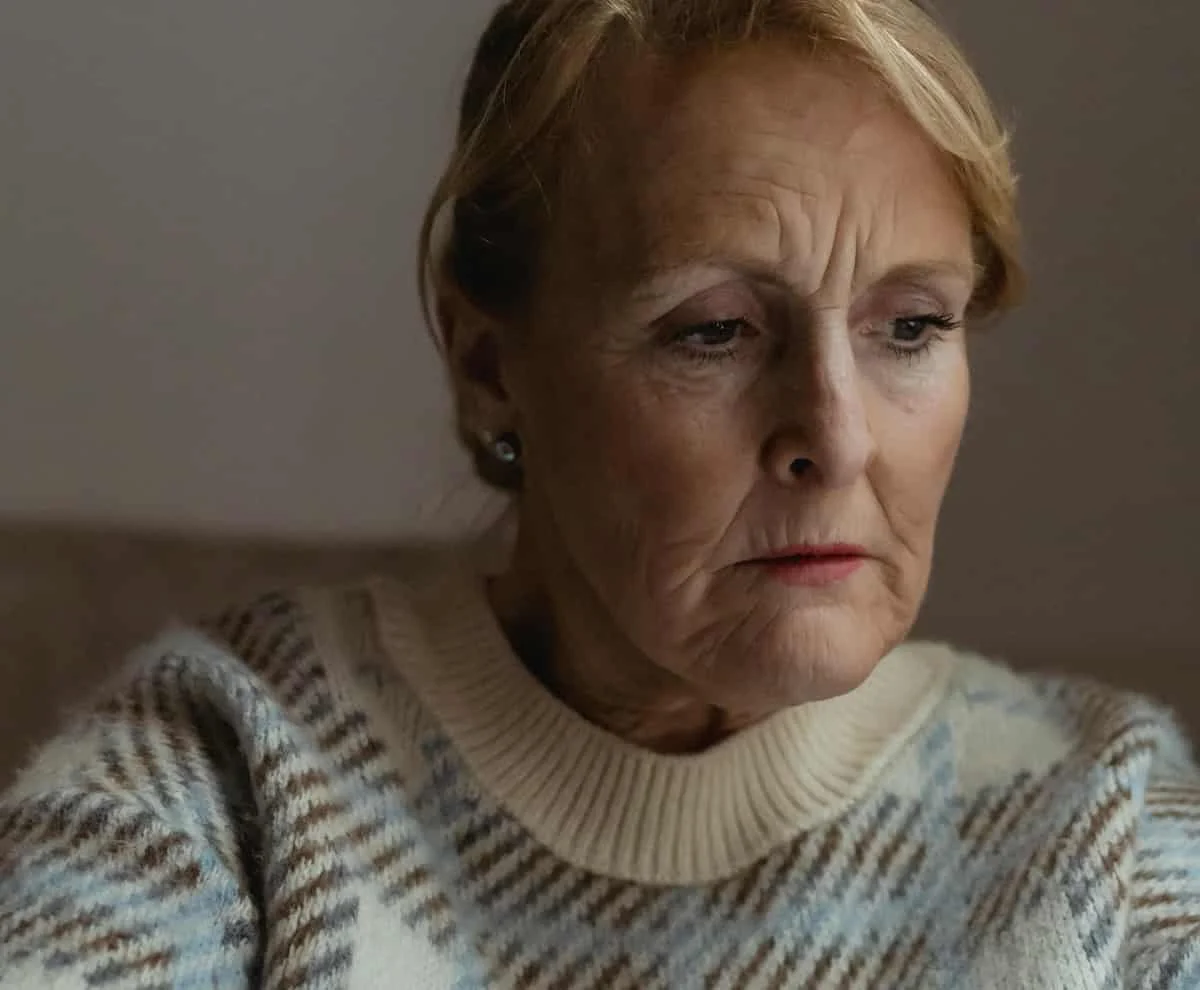
Anxiety has long been recognized as a fundamental aspect of the human experience, yet in contemporary discourse, the term is frequently applied so broadly that its clinical significance can become obscured. While everyday worries regarding financial security, career stability, interpersonal relationships, and health are universal, they do not always meet the diagnostic criteria for an anxiety disorder. However, when these concerns transition from transient stress into persistent, disruptive patterns of fear, they enter the realm of clinical pathology. Recent psychological research and longitudinal studies are increasingly highlighting a critical intersection between biology and environment, revealing that anxiety is not merely an individual struggle but a familial one that can be transmitted across generations.
Understanding the Spectrum of Anxiety Disorders
Clinical anxiety disorders are characterized by a level of fear and apprehension that is disproportionate to the actual threat and significant enough to impair daily functioning. In the pediatric population, this often manifests as school refusal, social withdrawal, sleep disturbances, and a marked inability to concentrate in academic settings. For adults, the implications are equally profound, often eroding professional performance, straining romantic partnerships, and leading to chronic physical health issues such as hypertension or gastrointestinal distress.
Anxiety is a multi-dimensional condition that presents through physical, emotional, and behavioral symptoms. Physically, it may trigger the body’s "fight or flight" response, leading to increased heart rate and shallow breathing. Emotionally, it presents as a persistent sense of dread or irritability. Behaviorally, it often leads to avoidance—a hallmark of the disorder where individuals shun situations that trigger their discomfort.
The Genetic Blueprint: Is Anxiety Inherited?
A primary concern for many parents struggling with mental health is the potential for their children to inherit these conditions. Scientific data strongly supports a hereditary component to anxiety. Genetic studies involving large-scale populations have identified heritability rates ranging from 30% to 67% for various anxiety disorders. This suggests that a significant portion of the risk is encoded in a person’s DNA.
When a first-degree relative—such as a parent or sibling—is diagnosed with an anxiety disorder, the statistical likelihood of a child developing a similar condition increases substantially. However, geneticists emphasize that DNA is not destiny. While genetics may load the metaphorical gun, environmental factors often pull the trigger. This distinction is vital for parents to understand, as it shifts the focus from an unchangeable biological fate to a manageable environmental reality.
The Environmental Transmission: The Role of Observational Learning
While genetics provide the foundation, the environment in which a child is raised plays a pivotal role in the manifestation of anxiety. A landmark study published in the American Journal of Psychiatry examined 900 families with twins as parents to isolate the impact of environmental factors from genetic ones. The findings were definitive: anxiety can be transmitted from parent to child through environmental exposure, independent of shared genetics.
This phenomenon is often described as "contagious" anxiety. Children are highly attuned to their parents’ emotional states and behavioral cues. Through a process known as observational learning, children mirror the reactions they see in their primary caregivers. If a parent reacts to a mundane situation with high levels of stress or fear, the child learns to perceive that situation as inherently dangerous. Conversely, the research also found a reciprocal effect where a child’s manifested anxiety can heighten a parent’s stress levels, creating a feedback loop that can destabilize the home environment.
The Impact of Anxious Talk and Eavesdropping
One of the most subtle yet pervasive ways anxiety is transmitted is through "anxious talk." Children possess a remarkable ability to overhear adult conversations, often at times when parents believe they are distracted or out of earshot. While adults may use conversation as a tool to process their fears—discussing topics such as economic downturns, community safety, or health crises—children who catch snippets of these "adult-only" discussions often lack the cognitive maturity to process them.
When children hear half-formed narratives about danger, they tend to fill in the gaps with their own imaginations, which are often more catastrophic than reality. Psychological experts suggest that while transparency is important, parents must be highly selective about the topics discussed in the presence of children. Chronic exposure to unsettling news or parental venting can lead a child to internalize a narrative that the world is a fundamentally unsafe place, laying the groundwork for chronic generalized anxiety.
Avoidance Patterns and Traumatic Modeling
Avoidance is the most common behavioral response to anxiety, yet it is also the most counterproductive. When a parent avoids a certain situation due to their own past trauma or phobia, they inadvertently teach their child that the situation is a threat to be feared. For example, a parent who was bitten by a dog in childhood may unconsciously tense up or cross the street when they see a dog.
A child observing this reaction does not see a parent processing a past trauma; they see a trusted authority figure reacting to a present danger. Over time, the child may adopt the same phobia, believing that all dogs are unpredictable and dangerous. To mitigate this, clinical psychologists recommend that parents work with other trusted adults to ensure their children have positive, controlled exposures to the parent’s triggers. By allowing a partner or friend to introduce the child to dogs in a safe environment, the parent can prevent their personal phobia from becoming a generational burden.
The Paradox of Overprotection and Shielding
In an effort to protect their children from harm, many anxious parents engage in "shielding" behaviors. This includes setting excessive limits on physical play, such as preventing children from climbing trees or playing at certain heights, due to the parent’s own fear of injury. While well-intentioned, this overprotection sends a clear message: the world is dangerous, and the child is incapable of handling risk.
Developmental experts argue that children require "calculated risks" to build resilience and self-efficacy. By experiencing small, manageable challenges, children learn to assess their own limits and develop problem-solving skills. When parents eliminate all potential for risk, they inadvertently foster a risk-averse mindset that can lead to social and emotional fragility in adulthood.
Strategic Interventions: Breaking the Cycle
The realization that anxiety can be transmitted environmentally is actually a source of empowerment for parents. It implies that by modifying their own behaviors and reactions, parents can actively reduce the likelihood of their children developing anxiety.
Trigger Identification and Mapping
The first step in preventing environmental transmission is self-awareness. Clinical experts recommend that parents maintain a record of their anxiety triggers. By documenting the time, location, and preceding thoughts of an anxious episode, parents can identify patterns. This awareness allows them to prepare for high-stress situations or to step away when they recognize their anxiety is becoming visible to their children.
Encouraging Positive Challenges
Parents should prioritize opportunities for their children to engage in activities that push their boundaries. If a parent finds it difficult to watch their child engage in a challenging activity, such as competitive sports or public speaking, they should enlist the help of a co-parent or mentor who can provide a calm, encouraging presence. The goal is to ensure the child’s world remains expansive, rather than contracting to fit the parent’s comfort zone.
Modeling Healthy Coping Mechanisms
Since children learn through observation, the most effective way to teach resilience is to model healthy coping strategies. When a parent experiences a moment of stress, they can use it as a "teachable moment" by narrating their coping process. Techniques that have proven effective include:
- Deep Diaphragmatic Breathing: Demonstrating how to slow down the heart rate by taking deep, controlled breaths.
- The 5-4-3-2-1 Grounding Technique: Identifying five things they can see, four they can touch, three they can hear, two they can smell, and one they can taste to bring the mind back to the present moment.
- Cognitive Reframing: Verbally challenging an anxious thought with a more realistic, evidence-based perspective.
- Physical Movement: Showing how a short walk or physical activity can reset the nervous system.
Broader Implications and Analysis
The societal implications of generational anxiety are significant. Untreated anxiety in childhood is a leading predictor of academic underachievement, substance abuse, and decreased economic productivity in adulthood. By addressing the environmental transmission of anxiety within the family unit, there is a potential to lower the overall prevalence of mental health disorders at a population level.
From a public health perspective, the data suggests that family-based interventions are often more effective than treating the child in isolation. When parents receive the tools to manage their own anxiety, the benefits cascade down to the children, creating a more stable and resilient domestic environment.
In conclusion, while the genetic component of anxiety is a factor, the environmental influence of parental behavior is a powerful lever for change. Through the identification of triggers, the cessation of anxious talk, and the modeling of robust coping strategies, parents can break the cycle of transmission. This proactive approach not only improves the well-being of the parent but equips the next generation with the psychological tools necessary to navigate an increasingly complex world with confidence and resilience.