admin
admin
The annual intersection of behavioral science and clinical medicine has reached a new milestone as healthcare practitioners increasingly adopt habit-formation strategies to improve patient outcomes. Since 2021, the dialogue between Dr. Peter Attia, a prominent longevity specialist, and James Clear, the author of the seminal work Atomic Habits, has served as a foundational resource for individuals seeking to bridge the gap between health knowledge and daily execution. This ongoing collaboration, which sees a seasonal re-release of their core discussion around the New Year, has evolved into a comprehensive framework for preventive health. By integrating Clear’s "Four Laws of Behavior Change" with cutting-edge medical insights from various specialists, a new methodology for long-term wellness has emerged, prioritizing systems over goals to ensure that healthy behaviors become permanent fixtures of human life.
The Evolution of Behavioral Architecture in Medicine
The shift toward behavioral architecture represents a significant departure from traditional reactive medicine. James Clear’s philosophy, which posits that individuals do not rise to the level of their goals but rather fall to the level of their systems, aligns with the clinical observation that most chronic diseases are the result of cumulative daily choices. Research suggests that approximately 40% to 50% of daily human behavior is automatic and habitual. In the context of longevity, this means that half of the factors influencing a person’s healthspan are determined by subconscious routines rather than active decision-making.
The chronology of this integration began in earnest in November 2021, when Clear appeared on Dr. Attia’s podcast, The Drive. At the time, Clear’s book had already sold millions of copies, but its application within the specific rigors of "Medicine 3.0"—a proactive approach to health—was still being mapped. Over the subsequent four years, the framework has been stress-tested across various medical disciplines, including dermatology, nutrition, sports rehabilitation, and sleep science. The resulting synthesis provides a roadmap for turning complex medical advice into "atomic" or small, manageable steps.
Law 1: Visibility as a Catalyst for Dermatological and Preventive Care
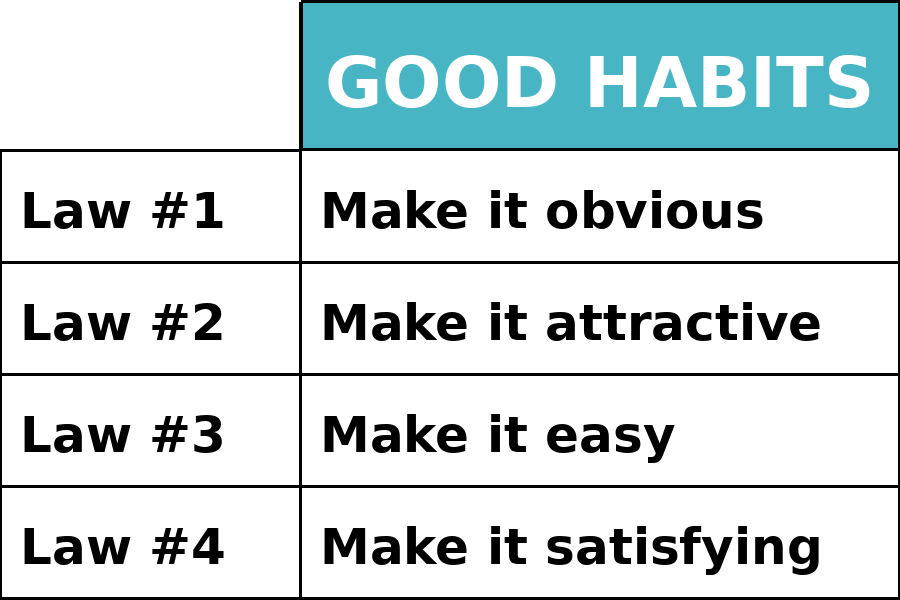
The first law of behavior change is to "make it obvious." This principle relies on the psychological concept of "cueing," where a specific environmental trigger prompts an action. In the realm of preventive skincare, this is particularly relevant. During a 2025 clinical discussion, dermatologists Dr. Tanuj Nakra and Dr. Suzan Obagi emphasized that while the science of retinoids and mineral sunscreens is well-established for preventing facial aging and skin cancer, patient compliance remains a significant hurdle.
To address this, the "make it obvious" strategy involves environmental design. Dr. Obagi suggests that patients place their retinoid treatments or sunscreens immediately adjacent to their toothbrushes. Because brushing teeth is a deeply ingrained nightly and morning ritual, the physical presence of the skincare product serves as a visual cue that eliminates the need for conscious memory. This method of "habit stacking"—anchoring a new habit to an existing one—is a core tenet of Clear’s work and is now being utilized as a clinical tool to ensure adherence to long-term dermatological protocols.

Law 2: Motivation Through Attraction in Education and Physical Therapy
The second law, "make it attractive," addresses the dopamine-driven feedback loops that govern human motivation. If a behavior is perceived as enjoyable or socially rewarding, the likelihood of repetition increases. This principle is being applied not only to adult health but also to the pedagogical structures of K-12 education. Joe Liemandt, a pioneer in AI-driven education, has integrated this into the Alpha School model. By using gamified, AI-supported tools, the school transforms the often-tedious process of learning into an engaging, mastery-based experience. This approach builds the habit of active learning by making the process itself the reward.
In physical medicine, Dr. Kyler Brown utilizes the same law to combat the high attrition rates seen in sports rehabilitation and general exercise programs. Dr. Brown’s analysis suggests that the primary reason patients fail to improve their cardiorespiratory fitness (measured by VO2 max) is a lack of "attractiveness" in the prescribed modality. If a patient finds running aversive, the prescription of a treadmill routine is likely to fail. By pivoting to cycling, swimming, or rowing—modalities the patient finds more attractive—Dr. Brown ensures that the physiological requirements are met without the psychological friction that leads to abandonment.
Law 3: Reducing Friction to Optimize Nutritional Intake
The third law of behavior change is to "make it easy." In a world characterized by "decision fatigue," behaviors that require the least amount of effort are the ones that persist. This is a critical factor in nutrition, particularly regarding protein consumption. Dr. Rhonda Patrick, a leading researcher in nutritional science, has highlighted that the current Recommended Dietary Allowance (RDA) for protein may be insufficient for maintaining muscle mass in aging populations. She advocates for an intake of at least 1.6 grams of protein per kilogram of body weight per day.
However, achieving this level of intake requires significant planning. To "make it easy," behavioral experts recommend redesigning the immediate food environment. This includes stocking pantries with high-protein, low-effort options such as jerky, nut mixes, and canned fish, or replacing standard snacks with protein-dense alternatives. By reducing the "activation energy" required to consume healthy food, individuals can bypass the temptation of ultra-processed, convenient options. The "two-minute rule," another Clear concept, suggests that starting a new habit should take less than two minutes, such as simply putting on gym clothes or preparing a single high-protein snack, to build the momentum necessary for larger lifestyle shifts.
Law 4: Immediate Satisfaction and the Role of Feedback Loops
The final law, "make it satisfying," addresses the delay between action and result. In longevity, the rewards of a healthy diet or exercise routine may not manifest for decades, which often leads to a lack of motivation in the short term. To counter this, clinicians recommend creating immediate feedback loops. Dr. Peter Attia utilizes portable VO2 max tracking devices to provide real-time data on fitness progress, turning the abstract concept of "health" into a tangible, satisfying metric.
This principle extends to sensitive areas of health as well. Dr. Sally Greenwald, a specialist in women’s sexual health, advocates for the daily use of vaginal moisturizers and lubricants as a routine health habit. Unlike many preventive measures, this habit offers an immediate "satisfaction" reward by reducing discomfort and enhancing pleasure during intimacy. For habits that do not offer such direct reinforcement, the framework suggests creating artificial rewards, such as purchasing new athletic gear after a month of consistent training, provided the reward does not contradict the ultimate health goal.
Strategic Inversion: The Mechanics of Breaking Harmful Habits
Equally important to the development of positive habits is the systematic dismantling of detrimental ones. James Clear proposes an "inversion" of his four laws to break bad habits: make it invisible, make it unattractive, make it difficult, and make it unsatisfying. This is particularly effective in addressing the modern epidemic of sleep deprivation.
Dr. Ashley Mason, an expert in cognitive behavioral therapy for insomnia, emphasizes the need to dissociate the bedroom from digital stimuli. Applying the inversion of the first law—"make it invisible"—involves removing smartphones and tablets from the bedroom entirely. To "make it difficult," individuals can store devices in another room, requiring physical effort to access them. By deleting social media apps (making them unattractive) or using sleep-tracking data to see the negative impact of late-night screen time on recovery (making it unsatisfying), patients can break the cycle of digital addiction that undermines restorative sleep.
Clinical Implications and the Future of Longevity
The integration of these behavioral principles into mainstream health advice signals a broader shift in the healthcare landscape. As medical technology advances, the bottleneck for improving human lifespan is no longer a lack of information, but a lack of implementation. The data supporting the effectiveness of "atomic" changes is compelling: small, 1% improvements in daily habits can result in significant compounded benefits over time, a phenomenon Clear describes as the "compound interest of self-improvement."
From a public health perspective, the implications are profound. If the 40-50% of behaviors that are currently automatic can be shifted toward health-promoting routines, the burden of chronic diseases—such as type 2 diabetes, cardiovascular disease, and neurodegeneration—could be drastically reduced. The collaboration between behavioral psychologists like Clear and clinicians like Attia provides a scalable model for this transformation.
As society moves into an era where "healthspan"—the period of life spent in good health—is valued as much as "lifespan," the science of habit formation will remain at the forefront of preventive care. The transition from the "New Year’s resolution" model of radical, unsustainable change to a model of consistent, system-based improvement offers the most viable path toward lasting wellness. By making health habits obvious, attractive, easy, and satisfying, the medical community is finally providing patients with the tools not just to know what to do, but to actually do it.