admin
admin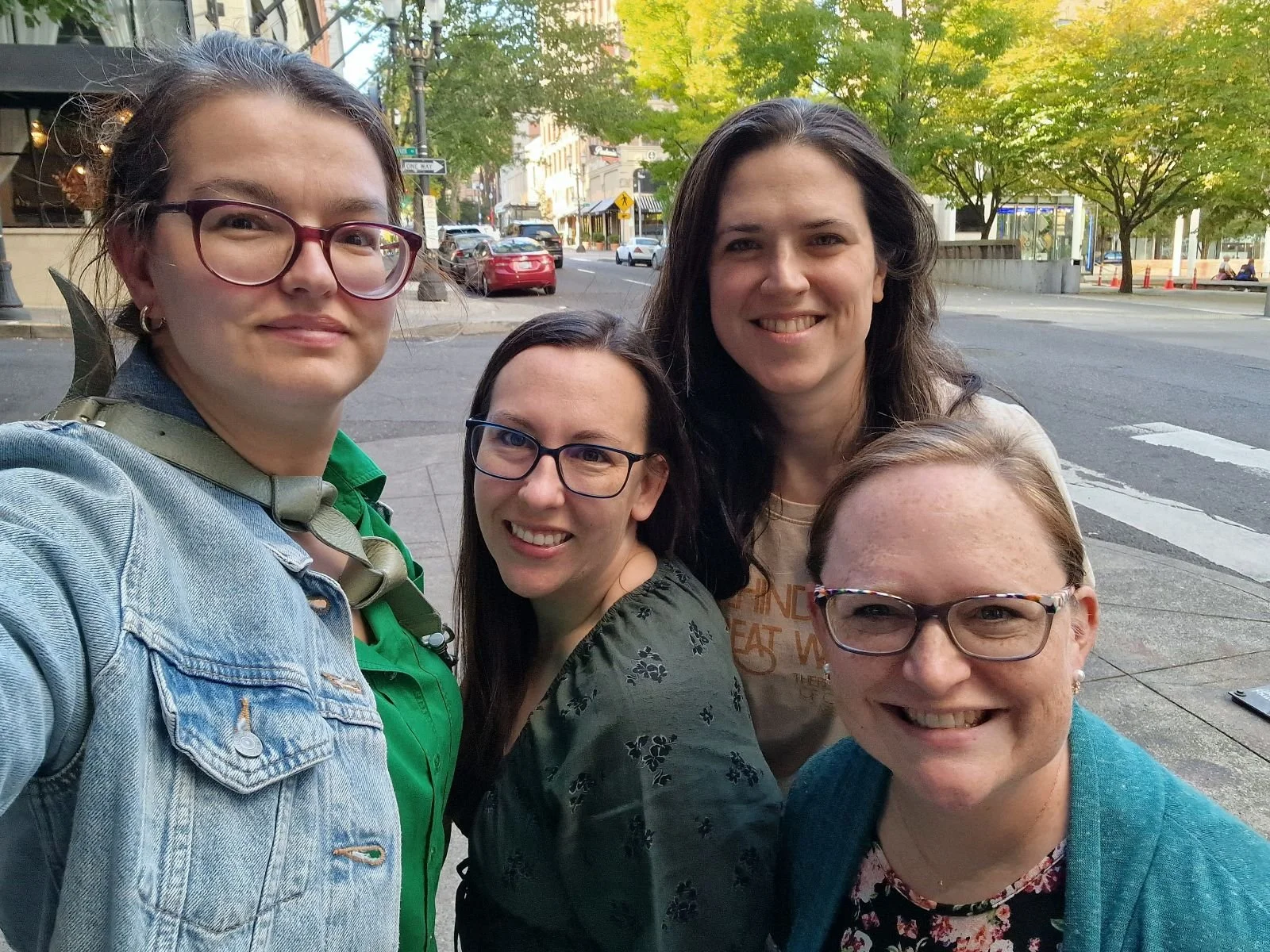
February 5, 2026, marks the tenth anniversary of The Learning Scientists Blog, a significant milestone in its mission to democratize the science of learning for educators and students worldwide. What began as a modest endeavor by two academics, Dr. Megan Sumeracki and Jude Weinstein (formerly Yana Weinstein), has evolved into a global phenomenon, bridging the persistent gap between cognitive science research and practical classroom application. The journey over the past decade has seen the organization expand its reach through diverse platforms, fostering a vibrant community dedicated to evidence-based education.
The Genesis of a Movement: Addressing the Research-Practice Divide
The foundation of The Learning Scientists in late January 2016 was a direct response to a recognized systemic challenge within the education sector: the profound disconnect between scientific research findings on how people learn and the everyday instructional practices in schools and universities. For decades, robust insights from cognitive psychology, neuroscience, and educational psychology often remained confined within academic journals, inaccessible to the very practitioners who could most benefit from them. Educators, typically burdened with demanding schedules and limited access to specialized academic literature, frequently relied on traditional methods, anecdotal evidence, or commercially driven pedagogical trends rather than empirically validated strategies.
This "communication breakdown between science and practice in education," as articulated in The Learning Scientists’ inaugural blog post on February 5, 2016, underscored the urgent need for accessible, reliable, and practical information. Dr. Sumeracki and Weinstein, both deeply embedded in psychological science, envisioned a project that would translate complex research into actionable strategies, presented in an engaging and understandable format. Their initial concept was a "fun little project" aimed at helping students learn more effectively, but it rapidly grew into a far more ambitious and impactful initiative. The launch of their Twitter account and the simultaneous development of learningscientists.org laid the groundwork for a direct line of communication with a global audience.
A Decade of Expanding Reach and Resources: A Chronology of Impact
The ten-year trajectory of The Learning Scientists is characterized by strategic growth and an unwavering commitment to its core mission.
- Early 2016: The Blog and Social Media Launch: The initial phase saw the establishment of the blog as the primary vehicle for content delivery, accompanied by a strong presence on Twitter. This dual approach allowed for both in-depth articles and bite-sized, shareable information, quickly attracting an initial audience of curious educators and students. The foundational blog posts focused on core principles of learning science, such as retrieval practice, spaced practice, interleaving, elaboration, concrete examples, and dual coding.
- 2016-2017: Developing Downloadable Materials: Recognizing the need for immediate, practical tools, The Learning Scientists began creating and offering free downloadable materials. These resources, designed for direct use in classrooms and study environments, included posters, flashcards, guides, and activity templates. This move significantly enhanced the utility of their research translations, allowing educators to seamlessly integrate evidence-based strategies into their daily routines without needing to create materials from scratch.
- 2017-2018: The Podcast Initiative: To further broaden accessibility and cater to different learning preferences, The Learning Scientists launched their podcast. This platform provided an audio-based medium for discussing learning science principles, often featuring interviews with leading researchers and practical advice from experienced educators. The podcast quickly gained traction, offering a convenient way for listeners to engage with complex topics during commutes or other activities, thereby reaching an even wider demographic.
- Early 2019: Team Expansion and Global Engagement: The growing demand for their expertise and resources necessitated an expansion of the core team. By early 2019, the initial duo had grown to a team of four, bringing in additional expertise and capacity to manage the increasing workload of content creation, community engagement, and professional development. This expansion marked a critical turning point, enabling the organization to scale its operations and impact. The expanded team, known for its collaborative and supportive culture, has been instrumental in sustaining the project’s momentum.
- 2019-2023: Authorship and Professional Development Workshops: Building on their digital success, The Learning Scientists ventured into publishing books, offering comprehensive guides to learning science principles. These publications served as definitive resources, consolidating their work into structured, accessible formats for both general readers and academic institutions. Concurrently, the organization began receiving invitations to conduct professional development workshops globally. These workshops allowed for direct, interactive engagement with educators, providing hands-on training and fostering a deeper understanding of how to implement evidence-based strategies effectively in diverse educational settings across various continents.
- Leading to 2026: Sustained Growth and Impact: In the years leading up to its tenth anniversary, The Learning Scientists has maintained a consistent output of high-quality content across its platforms, continually updating its resources and adapting to the evolving needs of the educational community. The organization has become a recognized authority in the field, frequently cited in educational policy discussions and academic discourse.
Unprecedented Reach and Transformative Impact
The quantitative and qualitative impact of The Learning Scientists over its first decade is substantial. The official website has recorded millions of unique visitors, originating from over 99 countries worldwide. While the Squarespace platform’s analytics categorize anything beyond 99 countries into an "other" category, this data point unequivocally demonstrates a truly global reach, indicating engagement across nearly every nation with internet access. This global footprint signifies a widespread hunger for evidence-based educational insights and the organization’s success in meeting that demand.
The vast majority of this audience comprises teachers, students, parents, and educational policymakers. The downloadable materials have been utilized in countless classrooms, study groups, and professional learning communities. The podcast has amassed tens of thousands of listeners, providing a consistent stream of insights into effective learning strategies. The books have been adopted in university courses and become essential reading for educators seeking to enhance their pedagogical skills. The professional development workshops have directly trained thousands of educators, leading to tangible shifts in teaching practices across schools and universities.
The qualitative impact is perhaps even more profound. The Learning Scientists have played a pivotal role in shifting educational discourse towards a greater emphasis on cognitive science. By demystifying complex research and presenting it in an actionable format, they have empowered educators to make informed decisions, moving away from fads and towards practices with empirical backing. This has fostered a culture of critical inquiry and continuous improvement within the teaching profession.
Reflections from the Founders: Evolution and Enduring Mission
Reflecting on the journey, co-founder Dr. Megan Sumeracki shared insights into the evolution of their mission and methodology. Revisiting the inaugural blog post, Sumeracki observed, "Reading that first blog post again was a little bit like reading my own graduate school admission essay after becoming a faculty member. I think there are a lot of good ideas in there, but I can see how much I’ve grown and how much my approach has changed, for the better." This reflection highlights the iterative nature of their work and the continuous learning process inherent in their endeavor.
While the core mission of helping students learn remains central, Sumeracki emphasized a crucial shift in their approach. "We started out wanting to help students learn, and that is still our core mission. We also realized very quickly that we need to communicate with (not to, with) teachers and other educators to really have an impact." This distinction between "communicating to" and "communicating with" underscores a deeper understanding of effective knowledge translation – one that values dialogue, feedback, and co-creation over mere dissemination. The profound interactions with educators globally have not only informed but significantly enriched the organization’s work, ensuring its relevance and practicality.
The collaborative spirit extends internally as well. The four-member team, which includes Dr. Jude Weinstein, Dr. Cindy Nebel, and Dr. Carolina Küpper-Tetzel, is renowned for its strong interpersonal bonds and mutual support. "We’ve been working together on this project and whole-heartedly supported one another, both personally and professionally. We laugh together, we cry together, we complain about Reviewer 2 together. We lift each other up," Sumeracki noted, illustrating the personal investment and shared commitment that underpins their collective success. This collegial environment has undoubtedly contributed to the sustained quality and consistency of their output.
Broader Implications: Bridging the Research-Practice Gap
The success of The Learning Scientists offers a compelling case study in effective knowledge translation and the power of accessible science communication. Their model demonstrates that academic research does not need to remain sequestered within ivory towers but can be effectively distilled and disseminated to a broad public, leading to tangible improvements in real-world practice.
By consistently providing free, high-quality, and evidence-based resources, The Learning Scientists have democratized access to critical pedagogical knowledge. This has significant implications for educational equity, as it levels the playing field for educators in under-resourced areas who might not have access to expensive professional development programs or academic subscriptions. Their work has fostered a global community of practice, where educators can share experiences, ask questions, and collaboratively integrate scientific insights into their teaching.
Furthermore, The Learning Scientists have inadvertently served as advocates for the discipline of cognitive science itself, showcasing its immense practical value and relevance beyond the laboratory. By demonstrating how research can directly inform and improve learning outcomes, they have elevated the profile of evidence-based education and encouraged greater collaboration between researchers and practitioners.
The Path Forward: Sustaining the Mission
As The Learning Scientists celebrate their ten-year "blogaversary," the organization looks towards the future with renewed vigor. The foundational principles remain steadfast: making the science of learning accessible, practical, and impactful. The continuous engagement with their global community, which has provided invaluable feedback and encouragement, will undoubtedly shape their future initiatives.
The gratitude expressed by Dr. Sumeracki on behalf of the entire team is palpable: "So, today, on our ten-year ‘blogaversary,’ I want to say thank you to all of you. Whether you’ve been reading our work since that very first blog post or just signed on; whether you’ve been using our free resources heavily in your teaching and learning, listening to our podcast, reading our books, or simply reading our emails occasionally—we thank you. We couldn’t have built this amazing community without you, and I know I’ve learned as much from all of you, if not more, than I could ever hope someone might learn from me."
This reciprocal learning relationship between the researchers and the practitioners they serve is a testament to the success of their collaborative model. The Learning Scientists have not just delivered knowledge; they have fostered a dynamic ecosystem where scientific understanding is continually refined through real-world application and feedback. As they embark on their next decade, their enduring legacy will undoubtedly continue to inspire and empower educators and learners worldwide, ensuring that the science of learning remains at the forefront of educational innovation.