admin
admin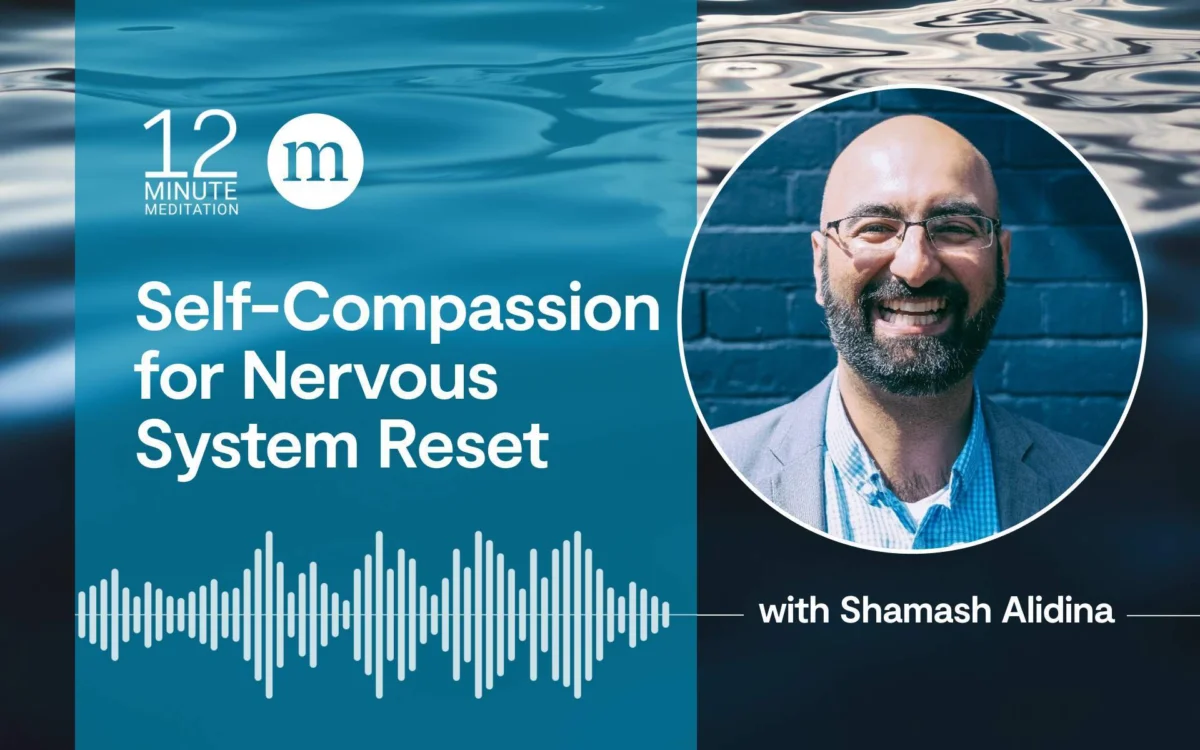
In an era defined by escalating demands and pervasive digital connectivity, the human nervous system is frequently pushed into states of chronic activation, leading to persistent stress cycles. While the instinctual response to stress often involves external problem-solving or avoidance, a growing body of evidence and expert consensus points towards an internal, often overlooked, yet profoundly powerful antidote: self-compassion. This gentle practice, championed by mindfulness teachers such as Shamash Alidina, offers a scientifically backed pathway to pause, calm the nervous system, and achieve a crucial psychological and physiological reset.
Understanding the Modern Stress Epidemic
The World Health Organization (WHO) has long recognized stress as a significant global health challenge, contributing to a myriad of physical and mental health issues. Surveys consistently reveal high levels of stress across populations, with data from organizations like the American Psychological Association (APA) frequently highlighting work, finances, and health concerns as primary stressors. Chronic stress triggers the body’s fight-or-flight response, releasing hormones like cortisol and adrenaline. While beneficial in acute threats, sustained elevation of these hormones can lead to inflammation, weakened immune function, cardiovascular problems, and a heightened risk of mental health disorders such as anxiety and depression.
A "stress cycle" refers to the reinforcing loop where initial stressors lead to physiological and psychological responses, which in turn can generate new stressors or exacerbate existing ones. For instance, job stress can lead to sleep deprivation, which impairs cognitive function, potentially leading to errors at work, thereby increasing stress further. Breaking this cycle requires more than just managing external pressures; it necessitates an internal shift in how individuals relate to their own suffering and perceived failures.
The Foundational Role of Self-Compassion
Self-compassion, often misunderstood as self-pity or weakness, is defined by leading researcher Dr. Kristin Neff as comprising three core components: self-kindness versus self-judgment, a sense of common humanity versus isolation, and mindfulness versus over-identification with thoughts and emotions. Unlike self-esteem, which often relies on external achievements and comparisons, self-compassion is an unwavering source of inner strength and resilience, present even in moments of perceived failure or inadequacy.
Research into self-compassion has burgeoned over the past two decades, yielding compelling insights into its therapeutic potential. Studies have shown that individuals high in self-compassion exhibit lower levels of anxiety, depression, and stress, alongside increased emotional regulation, greater life satisfaction, and improved coping mechanisms. Neuroscientific investigations suggest that self-compassion activates brain regions associated with positive emotions and social connection, such as the oxytocin system, while deactivating areas linked to threat response and self-criticism. This physiological recalibration is precisely what makes self-compassion an effective tool for calming an overactive nervous system and fostering a sense of safety and inner peace.
Shamash Alidina: A Pioneer in Accessible Mindfulness
At the forefront of making these powerful practices accessible to a wider audience is Shamash Alidina. With a distinguished career spanning over two decades, Alidina has been practicing mindfulness since 1998, a period when mindfulness was still largely a niche concept outside of academic and spiritual circles. His commitment to demystifying complex psychological principles is evident in his seminal work, Mindfulness For Dummies, published in 2009. This book played a crucial role in popularizing mindfulness, translating its core tenets into an understandable and actionable format for millions worldwide, thereby bridging the gap between clinical research and everyday application.
Alidina’s subsequent work, The Mindful Way Through Stress, further cemented his reputation as an authority on stress management through mindfulness and self-compassion. In this publication, and through his extensive training programs, he meticulously outlines practical strategies for navigating the pressures of modern life. Based in London, Alidina has cultivated a successful training organization, conducting online courses and speaking engagements at conferences globally. Since transitioning to teaching mindfulness full-time in 2010, he has reached an international audience, frequently contributing to discussions on mental well-being in newspapers, magazines, and radio shows, thereby amplifying the discourse around compassionate self-care.
Alidina’s Framework: Three Pillars for a Nervous System Reset

Mindfulness teacher Shamash Alidina emphasizes that self-compassion is not merely a pleasant sentiment but a deliberate practice, particularly vital when trapped in a stress cycle. While the specific guided meditation script he offers was not provided, his broader teachings and the established principles of self-compassion allow for the inference of three core approaches he would advocate for resetting the nervous system:
-
Mindful Recognition of Suffering: The first step involves consciously acknowledging the presence of stress or discomfort without judgment. This means tuning into the physical sensations (e.g., tension, rapid heartbeat), emotional states (e.g., anxiety, irritation), and mental narratives (e.g., self-criticism, worry) that accompany stress. Rather than pushing these experiences away or getting lost in them, mindful recognition entails observing them with a gentle, curious awareness, much like an impartial witness. This practice, deeply rooted in traditional mindfulness, helps to create a crucial distance from the immediate emotional intensity, preventing the individual from being overwhelmed or further entangled in the stress response. By simply noting, "This is stress," or "I am feeling overwhelmed," without adding layers of judgment ("I shouldn’t feel this way," "I’m weak for feeling this"), one begins to disarm the automatic stress cycle.
-
Cultivating a Sense of Common Humanity: Often, when individuals experience stress or personal struggles, there’s an accompanying feeling of isolation or unique inadequacy. The second pillar involves consciously reminding oneself that suffering is a universal human experience. Everyone, at some point, struggles, feels overwhelmed, makes mistakes, or experiences pain. This realization helps to counteract feelings of shame or loneliness that can amplify stress. Phrases like, "This is a moment of suffering, and suffering is a part of life," or "Many people feel this way when faced with similar challenges," can be profoundly healing. This step fosters connection and reduces the burden of perceived personal failure, shifting the focus from "what’s wrong with me?" to "this is a shared human experience." It helps to move the nervous system away from a threatened, isolated state towards one of connection and safety, which is inherently calming.
-
Applying Self-Kindness and Soothing Touch: The final, and perhaps most direct, step involves actively offering warmth, understanding, and comfort to oneself, much as one would to a dear friend in distress. This can manifest as internal dialogue, such as "May I be kind to myself in this moment," or "May I give myself the compassion I need." Physical gestures can significantly enhance this practice, as soothing touch is a powerful physiological regulator. Placing a hand over the heart, gently stroking an arm, or giving oneself a comforting hug can trigger the release of oxytocin, a hormone associated with bonding and well-being, directly countering the effects of stress hormones. This deliberate act of self-nurturing sends a clear signal of safety and care to the nervous system, helping it downregulate from a state of arousal to one of rest and digest. It’s an active intervention to provide the comfort and security that the stressed self craves.
The Practical Application: A Guided Reset
The typical flow of a guided meditation incorporating these principles, as might be offered by Alidina, involves several stages. It begins with grounding techniques, often focusing on the breath to anchor attention in the present moment. Participants are then invited to acknowledge their current state of stress or discomfort without trying to change it. This leads into the explicit cultivation of common humanity, reminding oneself that these feelings are universal. Finally, the practice moves into offering self-kindness, often through gentle affirmations and physical gestures, allowing the body and mind to absorb the soothing message. The process emphasizes pausing after each instruction, allowing for deep integration and a gradual shift in the nervous system’s state. The goal is not to eliminate stress entirely, but to change one’s relationship to it, fostering resilience and the capacity to return to a state of balance.
Broader Impact and Institutional Adoption
The work of practitioners like Shamash Alidina, alongside extensive scientific validation, has contributed to a paradigm shift in how mental well-being is approached. What was once considered a niche or alternative practice is now increasingly integrated into mainstream healthcare, corporate wellness programs, and educational curricula. Organizations are recognizing that investing in mindfulness and self-compassion training can lead to reduced employee burnout, improved focus, and enhanced overall productivity.
In the healthcare sector, self-compassion interventions are being utilized to support patients managing chronic pain, illness, and trauma, as well as to prevent compassion fatigue among healthcare providers. Educational institutions are introducing mindfulness and self-compassion practices to students and teachers to foster emotional intelligence, reduce academic stress, and build more supportive learning environments. This widespread adoption signifies a growing acknowledgment of the importance of internal resources for navigating external pressures. The implications are profound: a society that equips its members with the tools for self-compassion is a society better prepared to face adversity, promote collective well-being, and foster genuine resilience.
Conclusion
In a world that continuously demands more, the ability to pause, turn inward, and offer oneself genuine kindness is not a luxury but a necessity. Shamash Alidina’s consistent advocacy and teaching of self-compassion provide a critical pathway for individuals caught in the relentless grip of stress cycles. By mindfully recognizing suffering, embracing common humanity, and actively practicing self-kindness, individuals can effectively calm their nervous systems, reset their internal states, and cultivate a deeper, more sustainable sense of well-being. As the scientific evidence continues to mount and expert consensus solidifies, self-compassion stands out as an accessible, potent, and transformative practice, offering not just temporary relief but a fundamental shift towards enduring mental and physical health.