
 admin
admin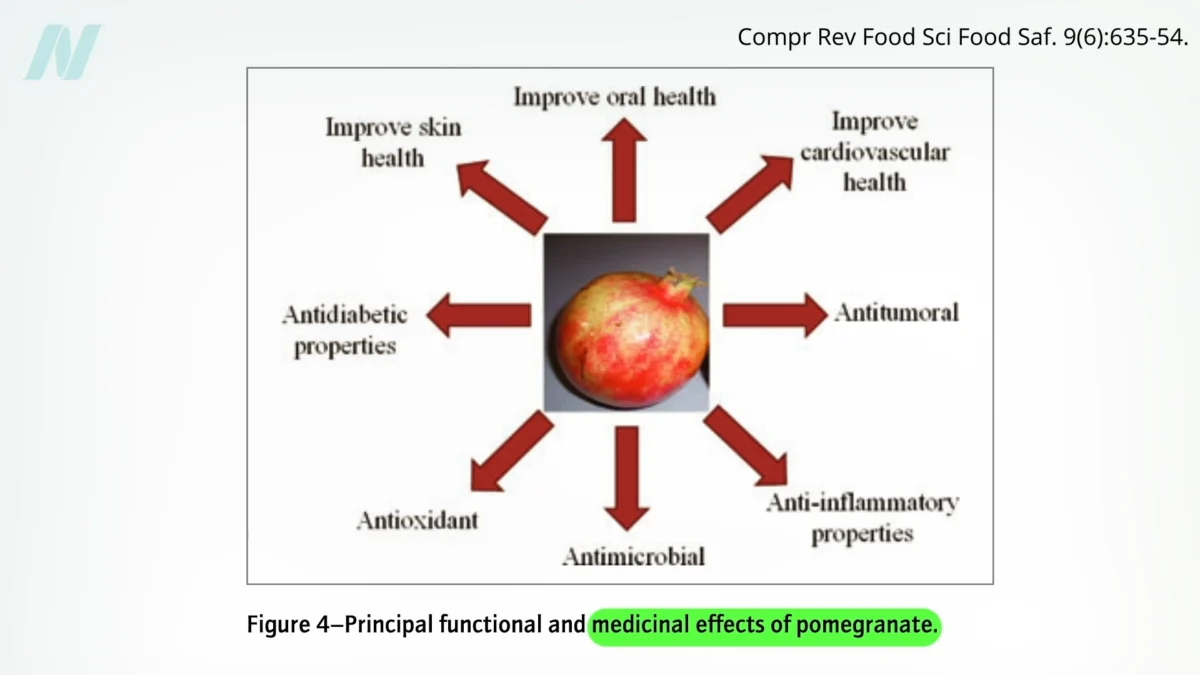
The purported health benefits of pomegranates, long touted by marketers and lauded in popular discourse, are being rigorously examined against the backdrop of scientific evidence and regulatory scrutiny. While the fruit’s vibrant color and rich history suggest a potent source of wellness, a closer look at clinical trials and legal precedents reveals a more nuanced picture, particularly concerning claims related to weight loss, diabetes, chronic obstructive pulmonary disease (COPD), prostate cancer, osteoarthritis, and rheumatoid arthritis.
The POM Wonderful Legal Battle: A Landmark Precedent
A pivotal moment in the discourse surrounding pomegranate health claims occurred with the protracted legal battle between POM Wonderful, a prominent pomegranate juice company, and the Federal Trade Commission (FTC). This case ascended to the U.S. Court of Appeals and was ultimately denied review by the Supreme Court, establishing a significant precedent for health claims made by food and beverage companies.
The FTC’s challenge stemmed from advertising campaigns by POM Wonderful that made extensive claims about the health benefits of their pomegranate juice products. These ads suggested that daily consumption could treat, prevent, or reduce the risk of a range of serious ailments, including heart disease, prostate cancer, and erectile dysfunction. The FTC argued that these claims were misleading and deceptive, lacking adequate scientific substantiation.
In its ruling, the Court of Appeals affirmed that the protections afforded by the U.S. First Amendment do not extend to misleading or deceptive advertising. A panel of judges concluded that many of POM Wonderful’s advertisements indeed made false or misleading claims. The court mandated that to substantiate claims of treating or preventing disease, companies would be required to present at least one randomized clinical trial. This decision was a significant blow to POM Wonderful and its owners, emphasizing the need for robust scientific evidence rather than anecdotal claims or preliminary research to support health assertions. The FTC’s victory underscored the regulatory body’s commitment to protecting consumers from unsubstantiated health marketing.

Unpacking the Scientific Literature: Promises and Pitfalls
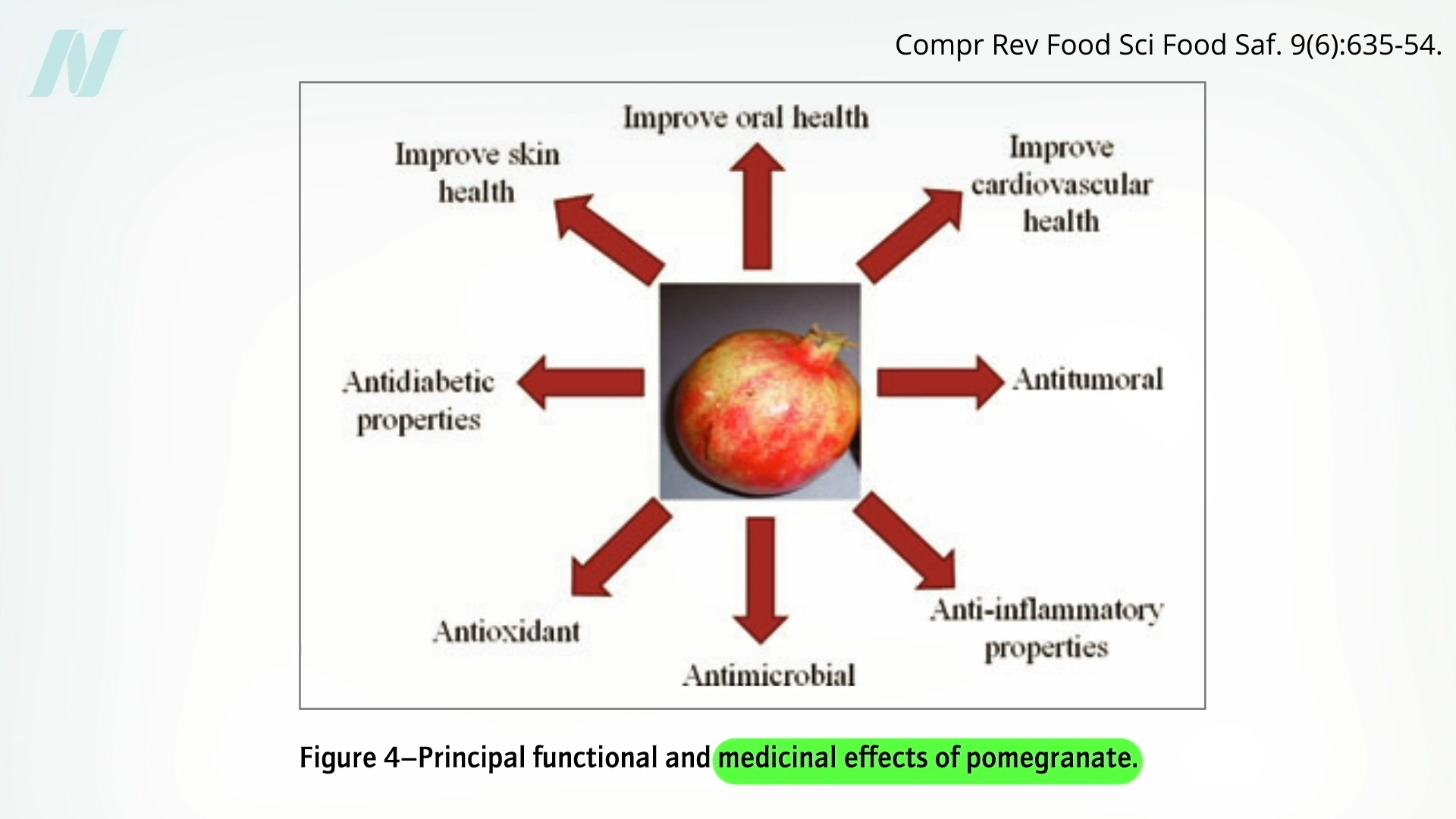
Despite the regulatory headwinds, the general medical literature often features reviews that highlight the numerous potential benefits of pomegranates. These reviews frequently illustrate the fruit’s medicinal effects with diagrams depicting its complex biochemical profile. However, a deeper investigation into the studies underpinning these claims reveals a reliance on research that may not translate directly to human health outcomes.
For instance, some "benefits" are derived from studies examining the "antiobesity effects of pomegranate leaf extract in a mouse model." Critics point out the limited applicability of such findings to human dietary habits, as the consumption of pomegranate leaves is not a common practice, and animal models do not always mirror human physiology.
Weight Management: No Significant Human Impact
When examining randomized controlled clinical trials specifically focused on human subjects, the evidence for pomegranates affecting weight loss is notably absent. Comprehensive reviews of these trials indicate that pomegranates have no significant impact on body weight, body mass index (BMI), abdominal fat, or overall body fat percentage in individuals randomized to consume pomegranate products.
Cardiovascular Health: A Lack of Definitive Proof
Similarly, claims regarding the prevention and treatment of cardiovascular diseases have not been definitively supported by rigorous human trials. Researchers who reviewed 25 clinical trials assessing cholesterol levels, blood pressure, artery function, atherosclerotic plaque formation, and platelet function found no significant indications of benefit, even in the most robustly designed studies.
Erectile Dysfunction and Diabetes: Early Hopes Dashed
Even in areas where specific research was funded by the industry itself, such as a study on pomegranate juice and erectile dysfunction, the results were largely disappointing. Other studies have also failed to demonstrate any significant benefit for markers associated with diabetes.
COPD and Antioxidant Activity: In Vitro vs. In Vivo
The potential for pomegranates to benefit individuals with chronic obstructive pulmonary disease (COPD), such as emphysema, has also been investigated. However, studies observed no discernible benefit in this patient population. The reliance on the antioxidant activity of pomegranate juice, often demonstrated in vitro (in laboratory settings like test tubes or petri dishes), has proven to be a weak foundation for clinical claims.
A meta-analysis of data from 11 randomized controlled trials revealed that pomegranate intake did not convincingly increase the total antioxidant capacity in the bloodstream. This is partly attributed to the fact that some of the most potent antioxidants found in pomegranates may not be effectively absorbed into the human body. Consequently, pomegranate supplementation showed no impact on oxidative stress in tissue samples from prostate cancer patients, leading to questions about its efficacy in directly impacting the disease itself.
Prostate Cancer: Promising Early Signs Unconfirmed
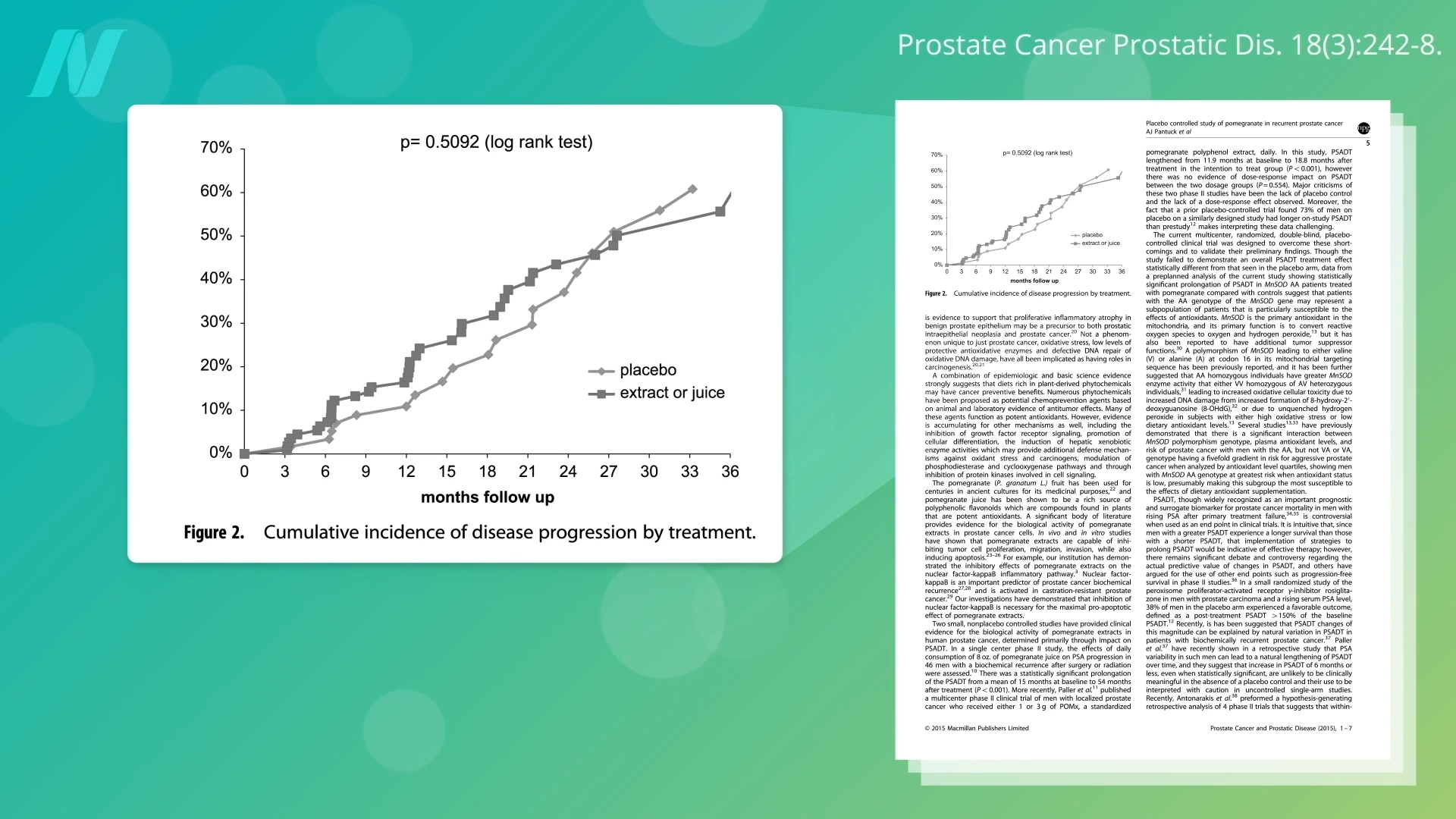
The strongest evidence for the anticancer activity of pomegranates has historically been linked to prostate cancer. However, early promising results from laboratory studies have not been consistently confirmed in human clinical trials. A randomized controlled trial investigating daily pomegranate intake found no impact on Prostate-Specific Antigen (PSA) levels, a key indicator of tumor progression. Furthermore, a randomized, double-blind, placebo-controlled trial demonstrated essentially no difference in prostate cancer disease progression between those consuming pomegranate and a placebo group.
Inflammation and Arthritis: A Shifting Landscape
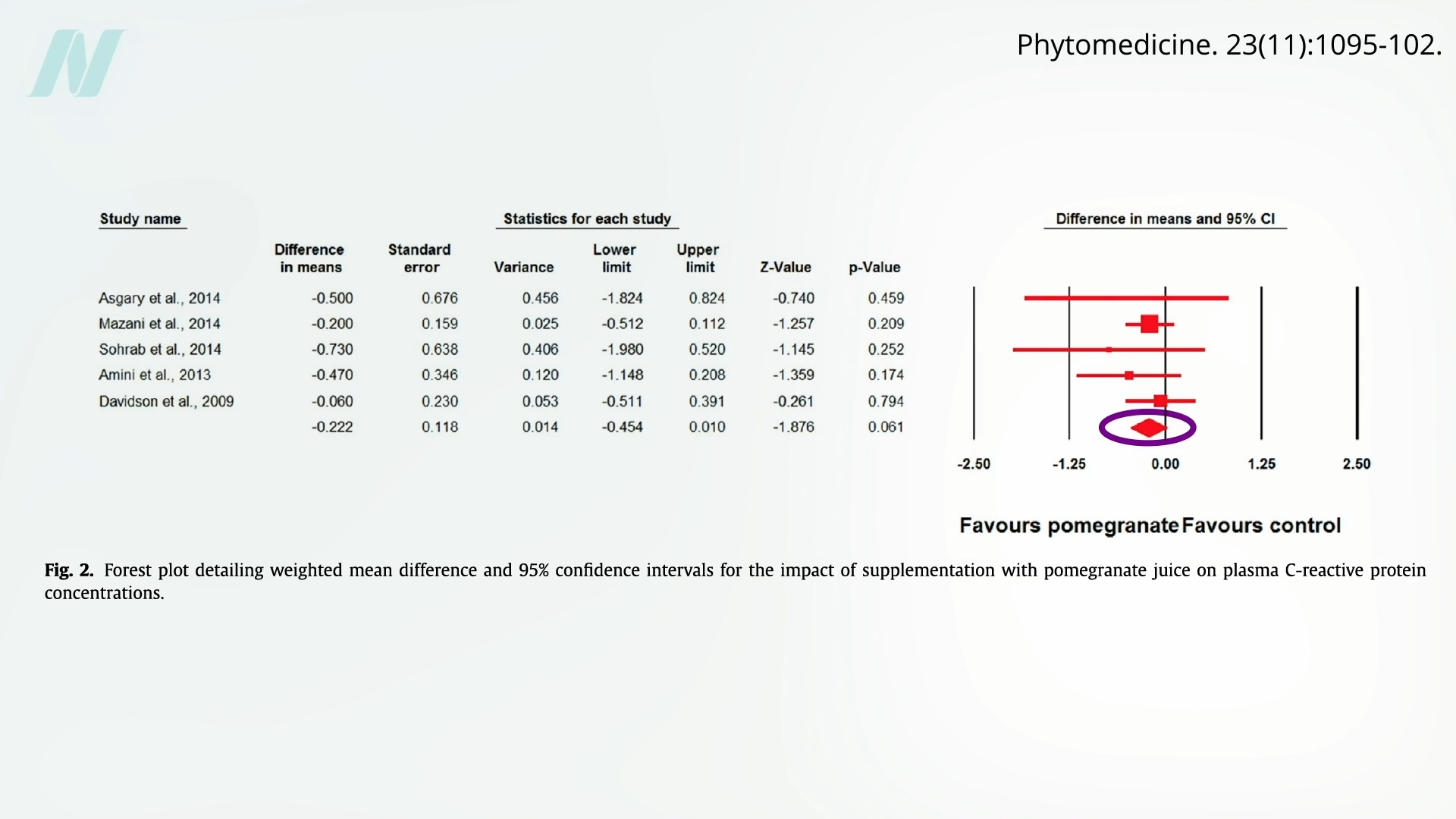
The anti-inflammatory properties of pomegranate juice were initially a focus for its potential benefits in inflammatory conditions. However, similar to other claims, in vitro demonstrations of anti-inflammatory activity have not always translated to tangible human health outcomes. A meta-analysis of five randomized controlled trials published in 2016 concluded that pomegranate juice did not significantly affect C-reactive protein levels, a primary marker of inflammation.
However, a more recent meta-analysis, published in 2020 and encompassing seven studies, crossed the threshold into statistical significance. This updated analysis found a significant reduction in two other inflammatory markers, suggesting a potential role for pomegranate juice in the management of inflammatory diseases. This highlights the evolving nature of scientific understanding and the importance of updated, comprehensive reviews of clinical data.
Osteoarthritis: Promising Lab Results, Limited Clinical Impact
In vitro studies using pomegranate extract on human osteoarthritic cartilage samples have shown promising cartilage-protective effects. These experiments indicated that pomegranate extract could calm the inflammatory breakdown of cartilage. The active components were also found to be bioavailable in animal models, raising the possibility of pomegranates being a safe and non-toxic treatment option for osteoarthritis.
Despite these laboratory findings, the first clinical trial on pomegranate juice and osteoarthritis yielded inconclusive results. While participants drinking the juice reported less stiffness and impairment of physical function, these improvements were not statistically significant compared to a control group.
Rheumatoid Arthritis: Cautious Optimism Emerging
Research into the effects of pomegranates on rheumatoid arthritis has also encountered challenges. Early studies, including one funded by the POM company that induced joint damage in mice as a model of rheumatoid arthritis, have been met with skepticism. An open-label study involving a small group of rheumatoid arthritis patients showed some self-reported reductions in tender joints among those who consumed pomegranate extract, but the lack of a control group limited the validity of these findings.
However, a significant development emerged with a randomized, double-blind, placebo-controlled trial. In this study, participants unknowingly received either pomegranate extract or a placebo. The results indicated a significant improvement in various disease activity measures, including swollen and tender joints, pain intensity, disease activity scores, health assessment questionnaires, and morning stiffness, when compared to the placebo group. This suggests that pomegranate extracts, when properly formulated and tested, may offer tangible benefits for individuals with rheumatoid arthritis.
The Supplement Dilemma: Purity and Potency Concerns
While the evidence for pomegranate’s benefits in specific conditions like rheumatoid arthritis is beginning to solidify, the practical application raises questions about product quality. A laboratory analysis of 19 pomegranate supplements revealed a concerning reality: the majority did not appear to contain any actual pomegranate. Only six out of the 19 tested supplements were found to be authentic, underscoring the importance of consumer vigilance and industry accountability in the production of dietary supplements. This discrepancy between marketed ingredients and actual product content can significantly undermine the perceived efficacy of such products.
A Call for Evidence-Based Consumption
The journey of pomegranates from a revered superfruit to a subject of rigorous scientific and legal examination underscores a critical shift in how health claims are perceived and validated. While the fruit undoubtedly possesses a rich array of antioxidants and phytonutrients with potential health-promoting properties, these benefits must be supported by robust, human-centric clinical evidence. The legal precedent set by the POM Wonderful case serves as a stark reminder that unsubstantiated marketing can have significant consequences. As research continues to evolve, consumers are encouraged to approach health claims with a critical eye, prioritizing evidence-based findings and understanding the limitations of preliminary or in vitro studies. The future of pomegranate’s health narrative lies in the continuation of well-designed clinical trials that can definitively establish its role in human well-being.






