
 admin
admin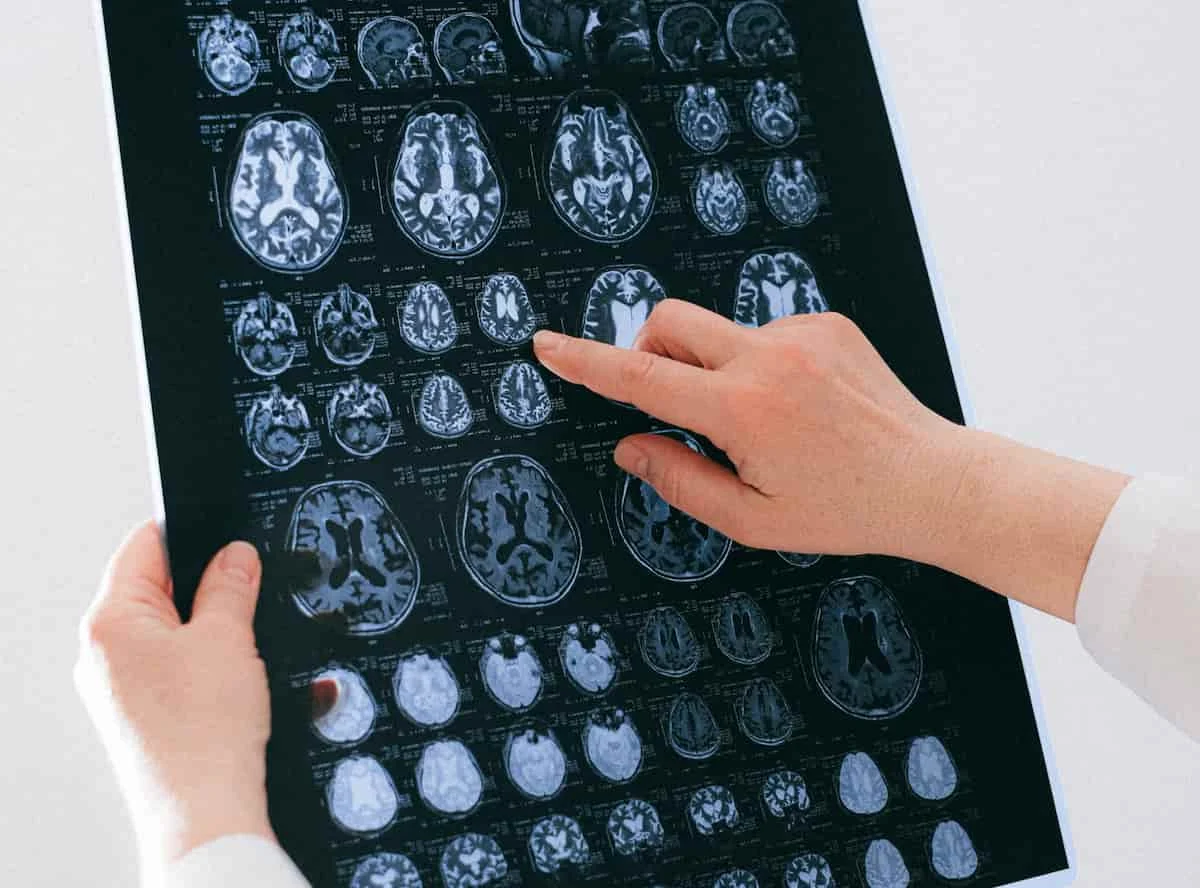
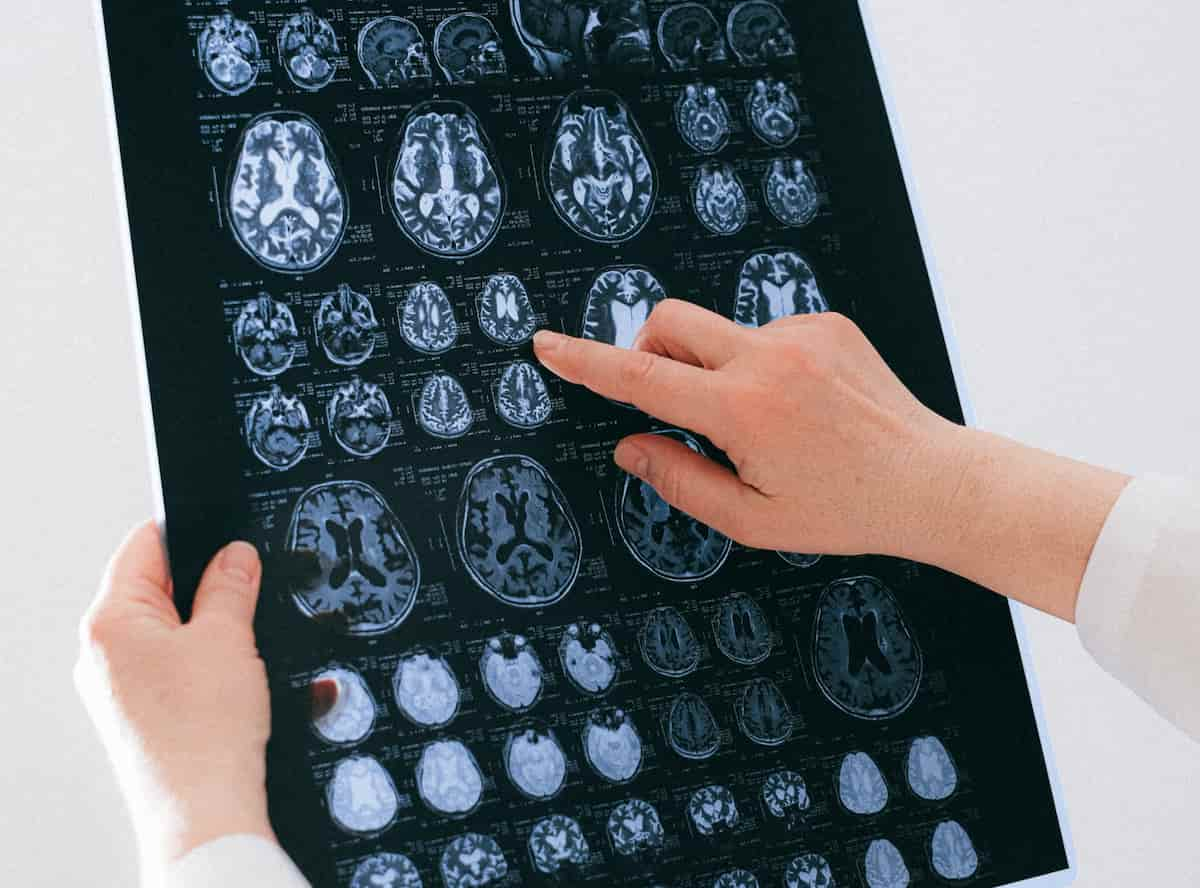
A comprehensive study analyzing over 3,000 brain scans has provided compelling evidence that depression significantly alters the structural integrity of the brain’s white matter. This crucial brain tissue, often described as the brain’s "wiring," plays a pivotal role in connecting different neural regions and facilitating the rapid transmission of electrical signals. The findings, published in the esteemed journal Scientific Reports, indicate a direct correlation between the presence of depressive symptoms and a reduction in white matter integrity, suggesting a tangible neurological basis for the cognitive and emotional challenges associated with depression.
Unraveling the Brain’s Communication Network
The research, spearheaded by Dr. Heather Whalley, utilized advanced diffusion tensor imaging (DTI), a sophisticated neuroimaging technique that measures the diffusion of water molecules within the brain. This method is particularly adept at mapping the intricate fiber tracts that constitute white matter, allowing scientists to assess its structural integrity. The study encompassed data from an impressive 3,461 individuals, making it one of the largest single-sample studies to date to investigate the neurological underpinnings of depression.
White matter is composed of myelinated nerve fibers, which act as conduits for communication between different areas of the brain. Myelin, a fatty substance, insulates these fibers, enabling signals to travel quickly and efficiently. Disruptions in this vital network can therefore have profound consequences, affecting not only emotional regulation but also cognitive functions such as attention, memory, and executive control. The current study’s findings align with a growing body of research that points towards a complex interplay between brain structure and mental well-being.
Key Findings from the Largest Study of its Kind
The central revelation of the research is the observed reduction in white matter integrity among individuals reporting symptoms of depression. This finding is significant because it moves beyond purely correlational observations to highlight a specific structural alteration within the brain. Reduced integrity can manifest as damage to the myelin sheath, loss of nerve fibers, or disorganization of the white matter tracts, all of which can impede neural communication.
Dr. Whalley articulated the significance of these findings, stating, "This study uses data from the largest single sample published to date and shows that people with depression have changes in the white matter wiring of their brain." She further emphasized the urgent need for improved understanding and treatment of depression, noting, "There is an urgent need to provide treatment for depression and an improved understanding of its mechanisms will give us a better chance of developing new and more effective methods of treatment."
The implications of this research extend beyond simply confirming a link. By identifying specific structural changes, scientists are better positioned to explore the causal pathways involved in depression. Is the white matter disruption a cause or a consequence of depressive episodes? This is a critical question that the research aims to address in future investigations.
The Technological Edge: Diffusion Tensor Imaging
The application of diffusion tensor imaging (DTI) was instrumental in achieving these groundbreaking results. Unlike traditional MRI scans that primarily visualize brain anatomy, DTI provides insights into the microstructural properties of brain tissue. By tracking the directionality and speed of water diffusion, DTI can map the orientation and integrity of white matter tracts. Water molecules tend to diffuse more freely along the length of nerve fibers than across them. Therefore, disruptions in the myelin sheath or the fiber structure itself will alter the pattern of water diffusion, which can be quantified and analyzed.
This cutting-edge technique allowed researchers to assess the structural characteristics of the white matter network in detail, providing a more nuanced understanding of how depression might be impacting brain function at a fundamental level. The ability to visualize and quantify these subtle changes in such a large cohort strengthens the reliability and generalizability of the findings.
Chronology of Research and Understanding of Depression
The understanding of depression has evolved significantly over decades, moving from purely psychological interpretations to acknowledging the biological and neurological components.
- Early 20th Century: Depression was largely viewed through a psychodynamic lens, focusing on unresolved childhood conflicts and internal struggles.
- Mid-20th Century: The development of antidepressant medications, such as monoamine oxidase inhibitors (MAOIs) and tricyclic antidepressants (TCAs), suggested a biological basis, particularly involving neurotransmitters like serotonin and norepinephrine. This led to the "monoamine hypothesis" of depression.
- Late 20th Century: Advances in neuroimaging technologies, including Magnetic Resonance Imaging (MRI), began to reveal structural and functional differences in the brains of individuals with depression. Studies started to identify alterations in brain volume, activity in specific regions like the hippocampus and amygdala, and connectivity patterns.
- Early 21st Century: Research has increasingly focused on the complexity of neural circuits and the role of white matter integrity. Studies have explored how disruptions in brain connectivity, rather than just the function of individual brain regions, contribute to the multifaceted symptoms of depression. The current study by Dr. Whalley and her team represents a significant advancement within this ongoing research trajectory, providing robust evidence for white matter alterations in a large cohort.
This historical progression highlights a consistent trend towards a more integrated understanding of depression, recognizing it as a complex disorder influenced by a confluence of genetic, environmental, psychological, and neurological factors.
Broader Implications for Treatment and Research
The implications of this research are far-reaching, particularly for the development of more effective treatments for depression. If white matter disruption is a key component of the illness, therapeutic strategies could be developed to target and repair these pathways. This could involve pharmacological interventions aimed at promoting myelin repair or neurogenesis, as well as non-pharmacological approaches like neuromodulation techniques or targeted psychotherapies that aim to rewire neural circuits.
Dr. Whalley’s forward-looking statement, "Our next steps will be to look at how the absence of changes in the brain relates to better protection from distress and low mood," points towards a crucial area of future research: identifying protective factors. Understanding why some individuals are more resilient to the neurological effects of stress and adversity could pave the way for preventative interventions and personalized treatment plans.
Furthermore, this study underscores the importance of a neurobiological perspective in understanding mental health conditions. It challenges the historical dichotomy between "physical" and "mental" illness, demonstrating that conditions like depression have tangible, measurable effects on brain structure and function. This can help to destigmatize mental health issues and encourage individuals to seek help without shame.
Expert Reactions and Future Directions
While specific reactions from other researchers in the field were not detailed in the original report, the magnitude of the study and its publication in a reputable journal suggest that it will be met with considerable interest and further investigation. Neuroscientists and psychiatrists are likely to view these findings as a significant step forward in understanding the biological underpinnings of depression.
Potential areas for future research stemming from this study include:
- Longitudinal Studies: Tracking white matter changes over time in individuals experiencing depression could help determine whether these alterations precede, coincide with, or follow depressive episodes.
- Subtype Analysis: Investigating whether different subtypes of depression are associated with distinct patterns of white matter disruption.
- Treatment Efficacy: Examining whether the effectiveness of various antidepressant treatments correlates with improvements in white matter integrity.
- Genetic and Environmental Factors: Exploring the interplay of genetic predispositions and environmental factors (e.g., childhood trauma, chronic stress) in influencing white matter development and vulnerability to depression.
- Clinical Biomarkers: The potential for using DTI-based measures as biomarkers for diagnosing depression, predicting treatment response, or monitoring disease progression.
The study’s authors, including Dr. Whalley, are poised to continue their work, aiming to deepen our comprehension of how the brain’s intricate wiring contributes to mood disorders. By unraveling the complex neurological landscape of depression, researchers hope to pave the way for more precise, personalized, and effective interventions, ultimately improving the lives of millions affected by this pervasive condition. The integration of advanced neuroimaging techniques with large-scale data analysis represents a powerful paradigm shift in mental health research, promising a future where mental illnesses are understood and treated with the same scientific rigor as their physical counterparts.







