 admin
admin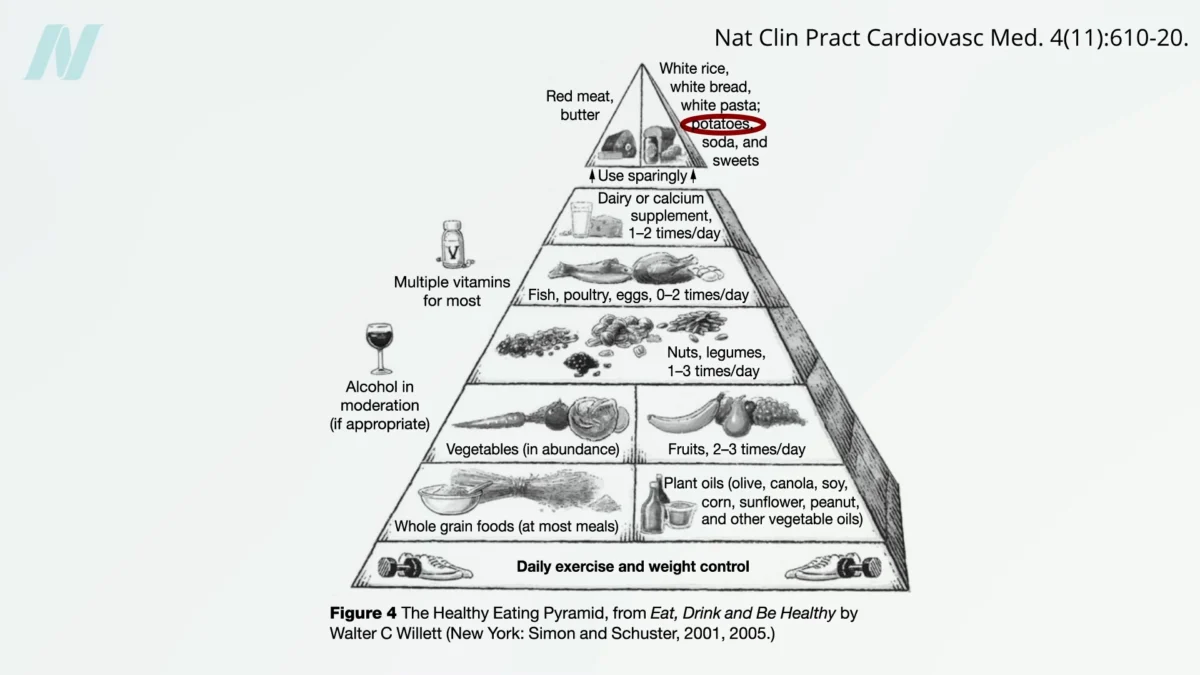
The seemingly innocuous white potato, a staple in diets across the globe, has found itself at the center of a health debate, particularly concerning its potential link to type 2 diabetes. While popular consumption often involves deep-fried preparations, emerging research has delved deeper, questioning whether unfried versions, even when prepared without excessive butter or sour cream, carry similar risks. This exploration aims to unravel the complexities of this association, examining the scientific evidence, the challenges in isolating potato consumption from broader dietary patterns, and the implications for public health recommendations.
Early Investigations and Lingering Questions
The scrutiny of white potatoes in relation to diabetes began to gain significant traction in 2006 with the publication of findings from the Harvard Nurses’ Health Study. This extensive, longitudinal study had been meticulously tracking the dietary habits and health outcomes of tens of thousands of women for two decades. The initial analysis revealed a statistically significant association: a greater reported intake of potatoes correlated with a higher likelihood of developing type 2 diabetes.
However, a crucial nuance emerged when researchers considered the predominant forms of potato consumption in the American diet. With annual per capita consumption hovering around a hundred pounds, a substantial portion is in highly processed and fried forms, such as potato chips and french fries. This raised a critical question: did the observed link to diabetes extend to potatoes prepared in less calorically dense and potentially less detrimental ways, such as mashed or baked potatoes, and without the addition of high-fat accompaniments like butter or sour cream?
Further analysis within the Harvard study attempted to isolate these variables. When researchers specifically examined the consumption of mashed or baked potatoes, they still observed a link with an increased risk of type 2 diabetes. This finding, though seemingly counterintuitive to the perception of potatoes as a relatively healthy vegetable, prompted deeper investigation into confounding dietary factors.
Unraveling Confounding Factors: Beyond the Potato Itself
One of the primary challenges in definitively linking any single food item to a complex disease like type 2 diabetes lies in disentangling its effects from the broader dietary patterns of individuals. The study authors acknowledged that individuals who consume a higher quantity of potatoes might also exhibit other dietary habits that contribute to increased diabetes risk. For instance, a traditional "meat-and-potatoes" dietary pattern often involves higher consumption of animal protein, which has been independently associated with an elevated risk of developing type 2 diabetes.
The researchers made concerted efforts to statistically adjust for these potential confounders. They attempted to account for the intake of animal protein and other dietary components, such as fats, and even considered whether individuals who ate more potatoes might also consume more sugary beverages like soda or fewer other nutrient-dense vegetables. Despite these statistical adjustments, the association between potato consumption and increased diabetes risk persisted.
Another significant area of inquiry revolved around the toppings commonly added to baked and mashed potatoes. Butter and sour cream, both high in saturated fat, are frequent additions that could independently influence health outcomes. The researchers again employed statistical models to account for the consumption of these and other dietary factors, including the ratio of plant to animal fats in the overall diet. Even after attempting to control for these variables, the observed link between potato intake and diabetes risk remained a point of concern.
Expanding the Evidence Base: Multiple Cohort Studies
Recognizing the importance of corroborating findings and mitigating potential biases inherent in a single study, Harvard researchers expanded their investigations. By 2015, they had analyzed data from additional cohorts, including the Health Professionals Follow-up Study, which comprised an all-male population, thereby complementing the findings from the all-female Nurses’ Health Study. This broader analysis continued to identify a small, yet statistically significant, increased risk of diabetes associated with the consumption of baked, boiled, or mashed potatoes.
Crucially, these expanded analyses reinforced the notion that the method of preparation significantly matters. While unfried potatoes showed a modest association, french fries emerged as a considerably greater concern, appearing nearly five times worse in terms of their association with diabetes risk. The collective findings led the study authors to a cautious conclusion that challenged the prevailing classification of potatoes as a universally healthy vegetable. They posited that the existing evidence "casts serious doubts on this classification."
Walter Willett, who at the time served as the chair of Harvard’s nutrition department, voiced a stronger sentiment, suggesting that potatoes, particularly in their less healthy preparations, should be viewed with a similar level of caution as confectionery. This comparison, made in a video presentation detailing the research, underscored the growing unease among some leading nutrition scientists regarding the health implications of widespread potato consumption.
Meta-Analyses and the Challenge of Deep-Fried Foods
The scientific community’s efforts to synthesize existing research culminated in a significant meta-analysis published in 2018. This comprehensive review pooled data from all six prospective studies conducted up to that point on potato consumption and the risk of type 2 diabetes. The findings were stark: researchers reported an approximate 20% increase in diabetes risk for each daily serving of potatoes consumed. The conclusion of this meta-analysis was unequivocal: "Long-term high consumption of potato… may be strongly associated with increased risk of diabetes."
However, even this robust meta-analysis grappled with the dominance of fried potato consumption in the datasets. The overwhelming majority of potatoes included in the studies were fried, and the authors acknowledged that deep-fried foods are known to contain undesirable compounds, such as advanced glycation end-products (AGEs), which are formed during high-temperature cooking and have been linked to various chronic diseases, including diabetes.

A significant limitation of this meta-analysis was its inability to definitively differentiate between the risks associated with french fries and non-fried potato preparations. While the overall analysis indicated a 20% increased risk, the data suggested that even a modest intake of three servings of fries per week was associated with a nearly 20% greater risk of type 2 diabetes. In contrast, the associated risk with potatoes in general, which included the data from fries, was only a "tiny" increase, hinting that the fried component significantly amplified the risk.
Industry Response and the "Standard American Diet" Conundrum
The increasing scientific scrutiny of potatoes did not go unnoticed by the food industry. The world’s largest manufacturer of frozen french fries, a company that reportedly produces one in three fries consumed globally and generates billions in revenue, publicly challenged these conclusions. This industry giant has the financial resources to fund independent reviews and commission research aimed at casting doubt on the prevailing scientific narrative.
One such review, funded by the industry, argued that the scientific literature on potatoes and disease risk factors should be interpreted with caution. The review proposed that the impact of potatoes on health outcomes might be contingent on the other foods with which they are consumed as part of a larger dietary pattern. This perspective holds a valid point: observational studies, by their nature, can identify associations but cannot definitively prove cause and effect. It is plausible that high potato consumption, even of baked or mashed varieties, could serve as a marker for an overall unhealthy dietary pattern, often referred to as the "Standard American Diet" (SAD).
As the journal of the Potato Association of America has pointed out, it can be exceptionally difficult for researchers to completely isolate the effects of potatoes and fries from the broader context of an unhealthy diet. The SAD is characterized by high intake of processed foods, refined grains, unhealthy fats, and added sugars, often at the expense of fruits, vegetables, and whole grains. Within this dietary framework, the impact of any single food item becomes inherently complex to dissect.
A Glimmer of Hope from a Different Dietary Landscape
To address the persistent question of whether potato consumption is inherently problematic, researchers turned their attention to countries where dietary patterns differ significantly from the Western model. A seventh study, conducted in Iran, provided a potentially revealing contrast. In Iran, the predominant method of potato consumption is boiling, and crucially, individuals who consumed potatoes tended to adhere to healthier overall diets. These individuals also reported higher intakes of whole plant foods, including fruits, vegetables, legumes, and whole grains.
Even within this context, where researchers attempted to account for other dietary factors, those who consumed the most boiled potatoes exhibited only half the odds of developing diabetes compared to those who ate fewer potatoes. This finding supports the notion that the broader dietary context plays a pivotal role and that it can be challenging to completely isolate the effects of potatoes alone.
Ultimately, a systematic review of the available evidence concluded that there is currently "no convincing evidence" to suggest a general link between potato intake and type 2 diabetes. However, the review strongly advised continued caution regarding the consumption of french fries, underscoring the significant difference in risk associated with fried versus non-fried preparations.
Broader Implications and Future Directions
The ongoing debate surrounding potatoes and diabetes highlights several critical public health considerations. Firstly, it emphasizes the importance of nuanced dietary advice. While potatoes are a source of potassium and vitamin C, their glycemic impact can vary significantly depending on preparation methods and accompaniments. Public health messaging needs to move beyond blanket recommendations and provide specific guidance on healthy cooking techniques and portion control.
Secondly, the research underscores the limitations of observational studies in establishing causality and the pervasive influence of overall dietary patterns. The concept of the "Standard American Diet" as a confounding factor is crucial. Efforts to improve population health must address the broader food environment, promoting access to and consumption of whole, unprocessed foods.
Finally, the findings suggest that while unfried potatoes may not pose a substantial diabetes risk when consumed as part of a balanced diet, deep-fried varieties remain a significant public health concern. The industry’s response also raises questions about the influence of corporate interests on scientific discourse and the importance of independent research in informing public health policy.
The journey to fully understand the relationship between white potatoes and type 2 diabetes is ongoing. Future research should prioritize randomized controlled trials and studies that meticulously differentiate between various preparation methods and accompaniments, while also accounting for the complex interplay of genetic, environmental, and lifestyle factors that contribute to diabetes development. Until then, the advice to "hold the fries" appears to be a prudent and evidence-based recommendation.
Doctor’s Note: This article is the first in a five-part series exploring the nutritional science of potatoes. Subsequent installments will delve into:
- The Glycemic Index and Load of Different Potato Preparations
- Potatoes and Weight Management: Unpacking the Satiety Factor
- Nutrient Profiles: The Hidden Benefits of Unprocessed Potatoes
- Dietary Guidelines and Potatoes: Evolving Recommendations