admin
admin
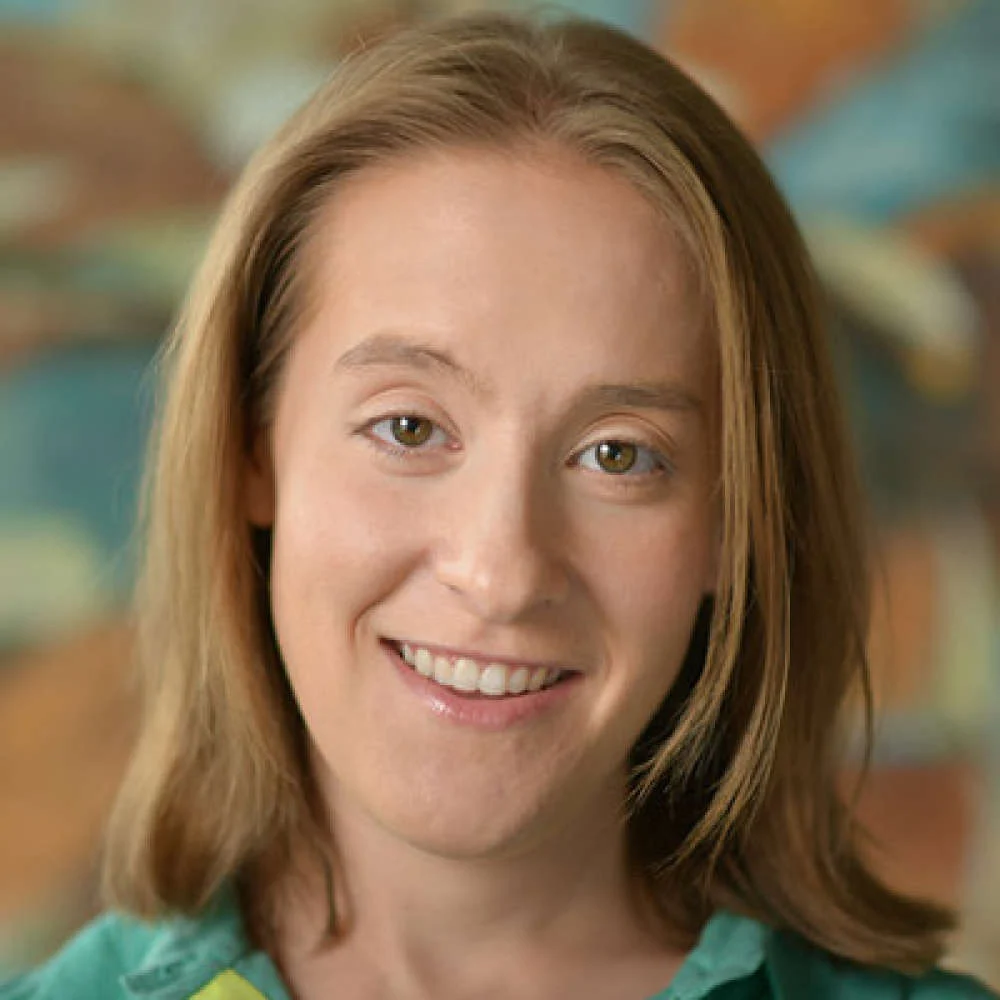
Dr. Angela Neal-Barnett has established herself as a cornerstone of modern psychological research, specifically within the intersection of race, gender, and mental health. As a national award-winning psychologist and a professor at Kent State University, her career serves as both a roadmap for academic excellence and a vital resource for marginalized communities. Dr. Neal-Barnett achieved a historic milestone as the first Black woman to be tenured and promoted to the rank of full professor within the Kent State University Department of Psychological Sciences. Currently, she serves as the Director of the Program for Research on Anxiety Disorders among African Americans (PRADAA), where her clinical and academic focus remains steadfast on dismantling the barriers that prevent Black women and girls from achieving mental wellness and overcoming the debilitating effects of anxiety and fear.
A Legacy of Academic Firsts at Kent State University
The academic journey of Dr. Angela Neal-Barnett is intrinsically tied to the evolution of the Department of Psychological Sciences at Kent State University. Her tenure and subsequent promotion to professor marked a significant shift in the university’s demographic landscape, signaling a commitment to diversifying the voices that lead psychological inquiry. Historically, Black women have been underrepresented in the higher echelons of clinical psychology, particularly in tenured research positions. Dr. Neal-Barnett’s ascent provided a necessary precedent, opening doors for subsequent scholars of color to pursue high-level research in an environment that had previously lacked such representation.
Her leadership at PRADAA has transformed the program into a hub for culturally sensitive research. Under her guidance, the program does not merely study anxiety as a general phenomenon but examines it through the specific lens of the African American experience. This involves acknowledging the unique stressors—including systemic racism, socio-economic pressures, and the "Strong Black Woman" archetype—that contribute to higher rates of untreated anxiety in these populations. By centering the lived experiences of Black women and girls, Dr. Neal-Barnett has shifted the clinical focus from a "one-size-fits-all" approach to one that prioritizes cultural competence and specialized care.
Addressing the Silent Crisis: Anxiety in the Black Community
To understand the weight of Dr. Neal-Barnett’s work, one must look at the broader landscape of mental health in the United States. According to data from the National Institute of Mental Health (NIMH), while anxiety disorders are the most common mental illness in the U.S., affecting over 40 million adults, African Americans are significantly less likely to receive treatment compared to their white counterparts. Factors contributing to this disparity include a lack of diverse mental health professionals, the stigma associated with seeking help, and historical medical mistrust.
Dr. Neal-Barnett’s research suggests that for Black women, anxiety often manifests differently than the standard clinical definitions found in the Diagnostic and Statistical Manual of Mental Disorders (DSM). Her work explores the concept of "weathering"—a term often used to describe the premature biological aging of Black women due to chronic exposure to social and economic adversity. By identifying these specific triggers and manifestations, Dr. Neal-Barnett provides a more accurate diagnostic framework that ensures Black women are not misdiagnosed or overlooked by the healthcare system.
Innovation Through Literature and Digital Interventions
Beyond the laboratory and the lecture hall, Dr. Neal-Barnett has sought to bring her findings directly to the public through accessible media and innovative technology. Her book, Soothe Your Nerves: The Black Woman’s Guide to Understanding and Overcoming Anxiety, Panic and Fear, published by Fireside/Simon and Schuster, is considered a seminal text in the field of minority mental health. The book serves as both a clinical guide and a compassionate manual, offering practical strategies for navigating panic attacks and chronic worry while validating the specific cultural stressors that Black women face.
In addition to her literary contributions, Dr. Neal-Barnett has embraced the digital age to expand the reach of her interventions. She is the architect and developer of the "Build Your Own Theme Song App©." This tool is based on the psychological concept of using music and rhythmic mantras to disrupt the physiological cycle of anxiety. By allowing users to curate personal "theme songs," the app provides a portable, immediate coping mechanism that bridges the gap between traditional therapy and daily life. This innovation highlights a growing trend in psychological science: the move toward "mHealth" (mobile health) solutions that empower individuals to manage their symptoms in real-time.
Federal Recognition and the Economic Support of Mental Health Research
The importance of Dr. Neal-Barnett’s research is reflected in the substantial financial support she has received from prestigious federal and state institutions. Her work has been funded by the National Institute of Mental Health (NIMH) and the National Institutes of Health (NIH), which are the premier bodies for medical research in the United States. Such grants are highly competitive and are only awarded to projects that demonstrate significant scientific merit and the potential to improve public health outcomes.
In addition to federal support, Dr. Neal-Barnett has secured funding from:
- The Ohio Commission on Minority Health: An agency dedicated to eliminating health disparities through innovative programming.
- The Women’s Endowment Fund of the Akron Community Foundation: A local organization that supports initiatives specifically designed to uplift women and girls in the Ohio region.
This diverse portfolio of funding sources underscores the multi-level impact of her work, ranging from national policy-shaping research to local community-based interventions. The financial backing from these organizations validates the necessity of her focus on Black female mental health as a critical component of the nation’s overall healthcare strategy.
Global Advocacy and Media Presence
Dr. Neal-Barnett’s expertise has made her a sought-after voice in the global conversation regarding mental health equity. Her ability to translate complex psychological theories into actionable advice has led to features in prominent media outlets. She has appeared on CNN, NPR, Fox, and BET, and has been a frequent guest on the Tom Joyner Morning Show. Her written insights and research findings have been highlighted in major publications, including The New York Times, Health magazine, Working Mother, Essence, and Ebony.
This media presence is not merely for professional visibility; it serves as a form of "public psychology." By appearing in outlets that cater specifically to the Black community, such as Essence and Ebony, Dr. Neal-Barnett actively works to destigmatize mental health discussions. Her presence in mainstream outlets like The New York Times ensures that the specific needs of Black women are included in the national discourse on health and wellness.
Chronology of Influence and Institutional Impact
The trajectory of Dr. Neal-Barnett’s career mirrors the broader movement toward social justice in medicine.
- Early Career: Focus on foundational psychological sciences at Kent State, establishing a reputation for rigorous clinical research.
- Tenure and Promotion: Breaking the glass ceiling at Kent State, becoming the first Black woman to reach the rank of full professor in her department.
- Establishment of PRADAA: Creating a dedicated research environment for African American anxiety disorders, shifting the department’s focus toward inclusive science.
- Publication of "Soothe Your Nerves": Bridging the gap between academia and the public, providing a resource that remains relevant decades after its initial release.
- Digital Expansion: The development of the "Build Your Own Theme Song App©," marking her entry into the intersection of technology and behavioral health.
- Ongoing Advocacy: Continuing to serve as an international speaker and consultant, ensuring that the next generation of psychologists is trained in cultural competence.
Broader Implications and the Future of Health Equity
The work of Dr. Angela Neal-Barnett has implications that extend far beyond the walls of Kent State University. Her research contributes to a growing body of evidence that proves health outcomes are inextricably linked to social determinants. By focusing on anxiety among Black women and girls, she is addressing a demographic that has historically been marginalized in clinical trials and psychological studies.
As the United States continues to grapple with a mental health crisis, the models developed by Dr. Neal-Barnett offer a blueprint for how to reach underserved populations. Her emphasis on "culturally informed" care suggests that the future of psychology must be one where the clinician understands the patient’s background as thoroughly as they understand the symptoms.
Furthermore, her role as a mentor and the first Black woman to achieve her rank at Kent State ensures that the pipeline for diverse talent in psychology remains open. The "Neal-Barnett effect" can be seen in the increasing number of researchers who are now comfortable centering race and gender in their scientific inquiries. Through her research, her writing, and her technological innovations, Dr. Angela Neal-Barnett continues to be a leading architect of a more inclusive and effective psychological landscape, ensuring that the "theme songs" of Black women and girls are heard, validated, and used as a source of strength.