
 admin
admin
A recent deep dive into scientific literature has illuminated the complex and sometimes surprising relationship between nut consumption and male sexual health, with a particular focus on erectile function and semen quality. While previous research, notably a 2013 study, suggested a significant benefit of pistachios for men experiencing erectile dysfunction (ED), newer comprehensive trials examining a mix of walnuts, almonds, and hazelnuts have yielded more nuanced results, highlighting the importance of participant demographics and study funding.
The Pistachio Promise: Early Evidence of Nut Power
The conversation around nuts and male sexual health gained traction in 2013 when a study published in the International Journal of Impotence Research demonstrated a remarkable improvement in erectile function among men with ED who incorporated pistachios into their diet. The research involved men diagnosed with ED who consumed 100 grams of pistachios daily for three weeks. The findings indicated a statistically significant enhancement in erectile function, a discovery that underscored the potential of whole-food interventions in addressing common health concerns. This initial positive report sparked further interest in exploring the broader impact of various nuts on male reproductive and sexual health.
Navigating the Nuances: From Rat Testicles to Human Trials
The scientific investigation into nuts and male sexual function is not without its peculiar detours. For instance, animal studies have explored the impact of hazelnuts on the reproductive health of rats. One notable study, published in the journal Andrologia, investigated the effect of hazelnut consumption on testicular antioxidant function and semen quality in both young and old male rats. The findings suggested that hazelnuts could indeed improve these parameters in the rodent models, leading to speculation about potential benefits for human health.
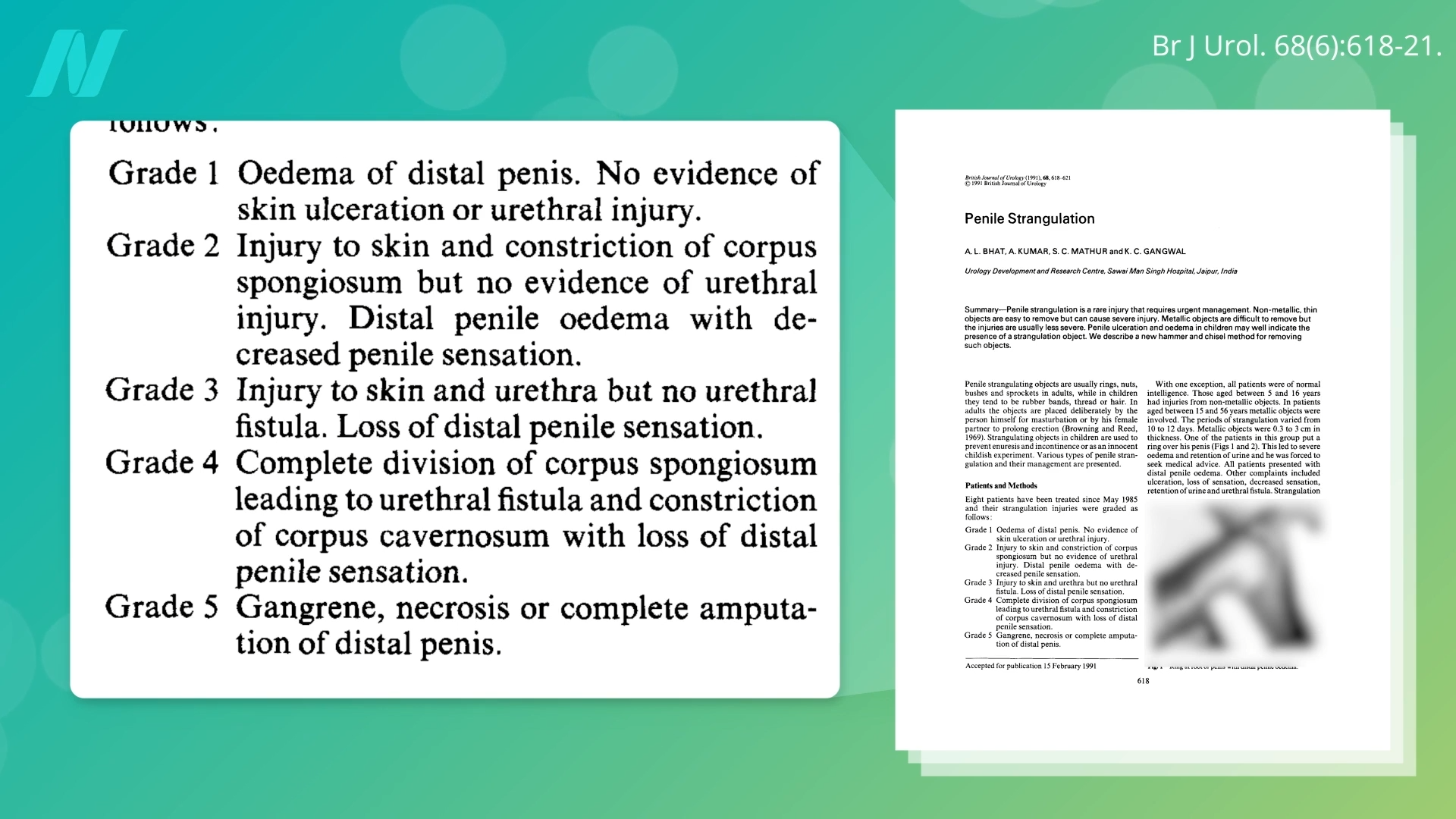
However, the journey through the medical literature also reveals less direct and more cautionary tales. A search for "nuts and sexual function" has uncovered case studies that, while not directly related to dietary intake, highlight the physical risks associated with certain types of nuts in a sexual context. One such documented incident involved a man who experienced penile strangulation after attempting to use a metal hex nut for sexual pleasure. The case report, published in the journal Urology, detailed the extreme measures required to remove the object, including the use of a diamond disk cutter, and underscored the critical need for medical professionals to be aware of diverse and sometimes dangerous scenarios. This incident, while an outlier, brought to light the existence of a grading system for penile entrapment injuries used by emergency room physicians, emphasizing that such occurrences, though rare, are not unheard of. The use of specialized tools like dental drills or even a hammer and chisel, as mentioned in some medical literature, highlights the severity and complexity of these cases.
Unpacking the Evidence: Observational Studies and Their Limitations
Observational studies have also contributed to the growing body of research. One such study, published in the Journal of Urology, suggested a correlation between dietary habits and ED. It found that consuming at least one serving of vegetables daily and more than two servings of nuts weekly was associated with a more than 50% reduction in the probability of ED. While these findings are encouraging, it is crucial to acknowledge their limitations. Observational studies, by their nature, can only identify associations and cannot establish a cause-and-effect relationship. As noted by researchers, it is possible that men who consume more nuts and vegetables also lead healthier lifestyles overall, perhaps engaging in more physical activity or avoiding other detrimental habits. This "healthy user bias" means that the observed benefits might not be solely attributable to the nuts themselves but to a constellation of healthy behaviors.

Similarly, research has explored the link between healthier diets, including nut consumption, and improved sperm motility. While this association is positive, it again raises the question of confounding factors. Men who are health-conscious enough to focus on their diet might also be more inclined to exercise regularly, manage stress effectively, and avoid smoking or excessive alcohol consumption, all of which can positively impact sperm quality. Therefore, while these observational studies provide valuable clues, they necessitate further investigation through more rigorous interventional trials to confirm causality.
The Randomized Controlled Trial: A Mixed Bag of Results
The quest for definitive answers led to a randomized controlled trial designed to assess the effect of nut consumption on semen quality and functionality. This study, published in Andrology, involved healthy men who were placed on a standard American diet, with one group receiving a daily supplement of nuts – specifically, 30 grams of walnuts and 15 grams each of almonds and hazelnuts – while the control group did not.
The results for semen quality were compelling. Men in the nut-consuming group exhibited significant improvements in total sperm count, sperm vitality, motility, and morphology (shape). A key finding was a marked reduction in sperm DNA fragmentation (SDF) among the men who consumed nuts. This suggests that the nut-rich diet played a protective role in preserving the integrity of sperm DNA, a critical factor for successful fertilization and healthy offspring.
However, the researchers in this trial also examined the impact of nut consumption on erectile and sexual function, a crucial aspect of male reproductive health. While the study reported a "significant increase" in orgasmic function and sexual desire in the nut group, the findings regarding erectile function were less definitive. The report indicated no improvement in erectile function, intercourse satisfaction, or overall sexual satisfaction. This selective reporting of positive outcomes, coupled with the study’s partial funding by the International Nut and Dried Fruit Council, prompted scrutiny. Experts noted that the reported increase in orgasmic function and sexual desire might be of questionable clinical significance, and that even the "significant" findings may not hold up under stricter statistical analysis.
Reconciling the Discrepancies: Age and Pre-existing Conditions Matter
The contrasting results between the 2013 pistachio study and the more recent mixed-nut trial can be partly attributed to the differences in study populations. The earlier study focused on men in their 40s and 50s who already had chronic erectile dysfunction, often for a year or more. In contrast, the participants in the mixed-nut trial were significantly younger, with an average age of 24. It is plausible that younger, healthy individuals may already possess optimal circulatory function, leaving less room for dietary interventions like nut consumption to produce dramatic improvements in erectile function. In older men with existing ED, the vascular pathways might be more compromised, making them more responsive to the beneficial effects of certain nutrients found in nuts, such as L-arginine, which is a precursor to nitric oxide, a key molecule for blood vessel dilation.
The Broader Implications for Male Reproductive Health
The ongoing research into nuts and male sexual health offers a promising avenue for lifestyle-based approaches to improving fertility and addressing ED. While the evidence is still evolving, several key takeaways emerge:
- Semen Quality Benefits: The randomized controlled trial provides strong evidence that a diet incorporating walnuts, almonds, and hazelnuts can significantly improve key markers of sperm health, including count, vitality, motility, and DNA integrity. This has important implications for men seeking to enhance their fertility.
- Erectile Function: A Complex Picture: The impact of nuts on erectile function appears to be more complex and potentially dependent on the age and existing health status of the individual. While pistachios showed a clear benefit in older men with ED, the mixed-nut study in younger men yielded less convincing results in this specific area.
- Importance of Study Design and Funding: The case of the mixed-nut study highlights the critical importance of scrutinizing research methodologies, particularly study funding. Industry-sponsored research can sometimes lead to selective reporting of positive findings, necessitating a cautious interpretation of results.
- Whole-Food Approach: The initial success of pistachios and the positive semen quality outcomes from the mixed-nut trial reinforce the value of incorporating whole, unprocessed foods into the diet for overall health and well-being, including reproductive health.
Future Directions in Research
Further research is warranted to clarify the specific mechanisms by which different nuts influence male sexual and reproductive health. Larger, longer-term interventional trials are needed, focusing on diverse age groups and individuals with varying degrees of ED. Investigating the optimal types and quantities of nuts, as well as their synergistic effects with other dietary components, will be crucial. Ultimately, understanding these intricate relationships can empower individuals with evidence-based dietary strategies to support their sexual and reproductive vitality.
Doctor’s Note:
The exploration of scientific literature can sometimes lead down unexpected and even startling paths. The inclusion of case studies involving the misuse of nuts, while not directly related to dietary benefits, serves as a stark reminder of the diverse ways in which the human body can be affected, and the importance of informed decision-making. The research presented here underscores that while nuts can offer significant health advantages, particularly in relation to semen quality, their impact on erectile function may be more nuanced and influenced by individual factors. Further studies are essential to fully elucidate these complex interactions.
For those interested in exploring related topics, the following resources may be of interest:
- Pistachio Nuts for Erectile Dysfunction: A review of the 2013 study.
- Walnuts and Artery Function: An examination of walnuts’ impact on vascular health.
- Additional posts on fertility and sexual function are available in the related content sections.






