
 admin
admin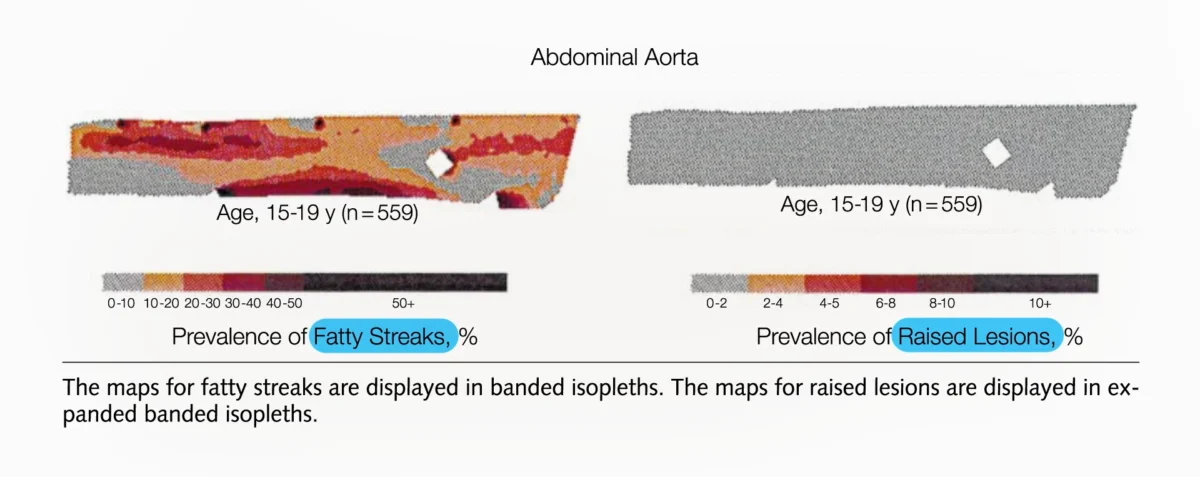
The stark contrast between the effectiveness of lifestyle interventions and pharmaceutical treatments in preventing heart attacks has been illuminated by recent research, suggesting that adopting healthy habits can potentially reduce the risk by an astonishing 90%, a figure dwarfed by the 20% to 30% reduction typically achieved with medications. This significant disparity underscores the profound impact of fundamental health choices on cardiovascular well-being, particularly in light of alarming findings about the early onset of atherosclerosis, the primary culprit behind heart attacks and strokes.
The Silent Onset of Atherosclerosis
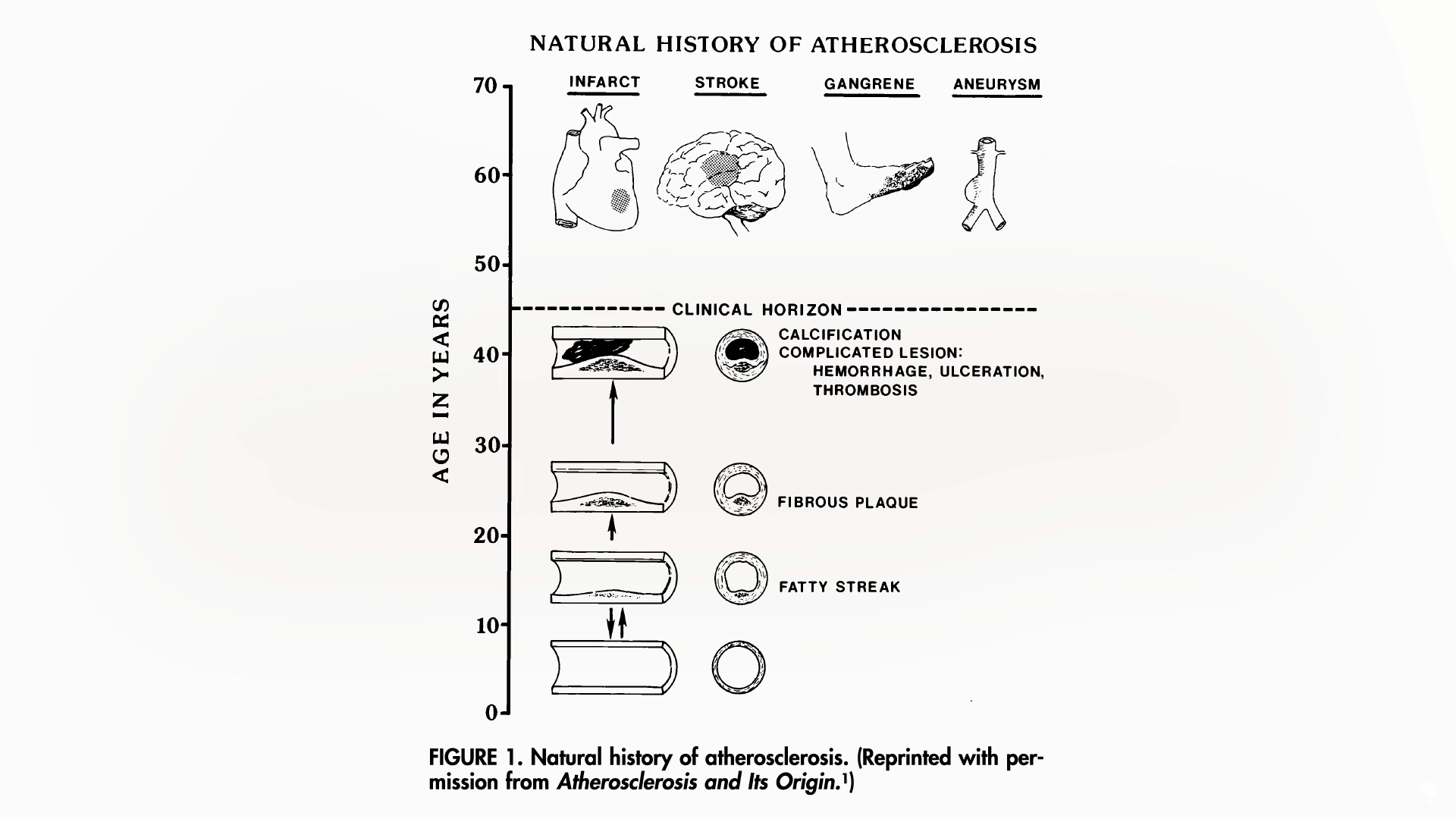
Atherosclerosis, the progressive hardening and narrowing of the arteries due to plaque buildup, has been identified as the leading cause of death for both men and women globally. Disturbingly, studies indicate that the foundational stages of this disease can begin as early as adolescence, long before symptoms manifest. Research involving the analysis of approximately 3,000 coronary arteries and aortas from individuals aged 15 to 34, who died from accidental, homicidal, or suicidal causes, revealed the insidious progression of arterial damage.
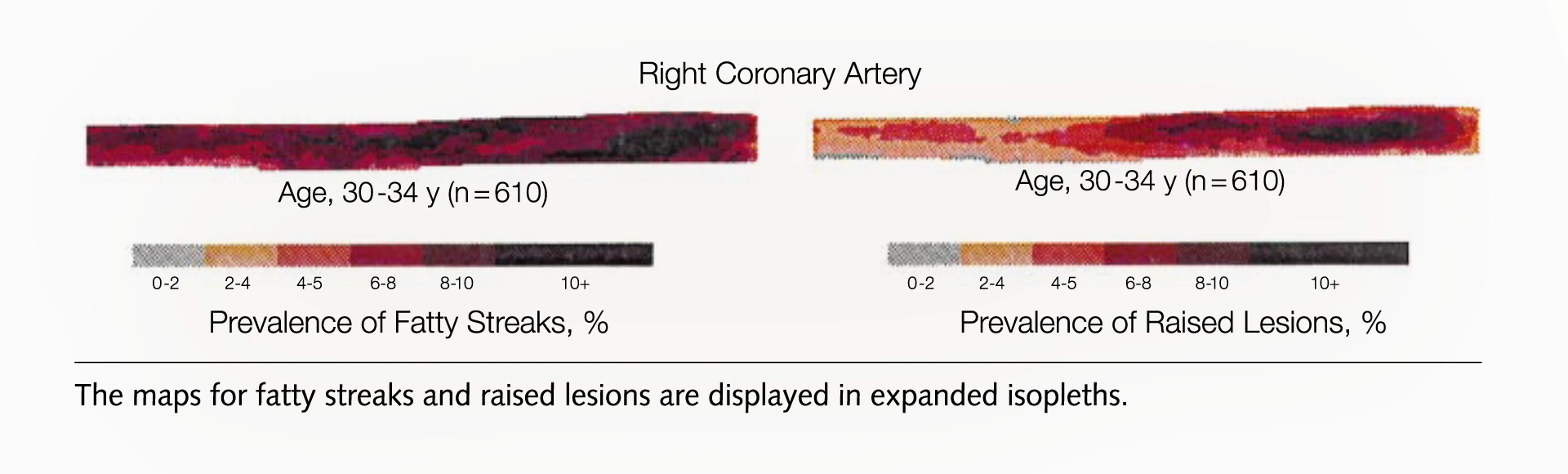
These investigations, meticulously documented in peer-reviewed journals, established that fatty streaks, the earliest visible sign of atherosclerosis, can be present in arteries during the teenage years. By the twenties, these streaks begin to evolve into atherosclerotic plaques, which progressively worsen throughout the thirties, increasing the likelihood of serious cardiovascular events. The implications are profound: these plaques can obstruct blood flow to the heart, leading to a heart attack, or to the brain, triggering a stroke. Visual representations of this progression, as detailed in comprehensive medical analyses, vividly illustrate the gradual yet relentless nature of arterial disease.

A Disturbing Trend in Young Adults
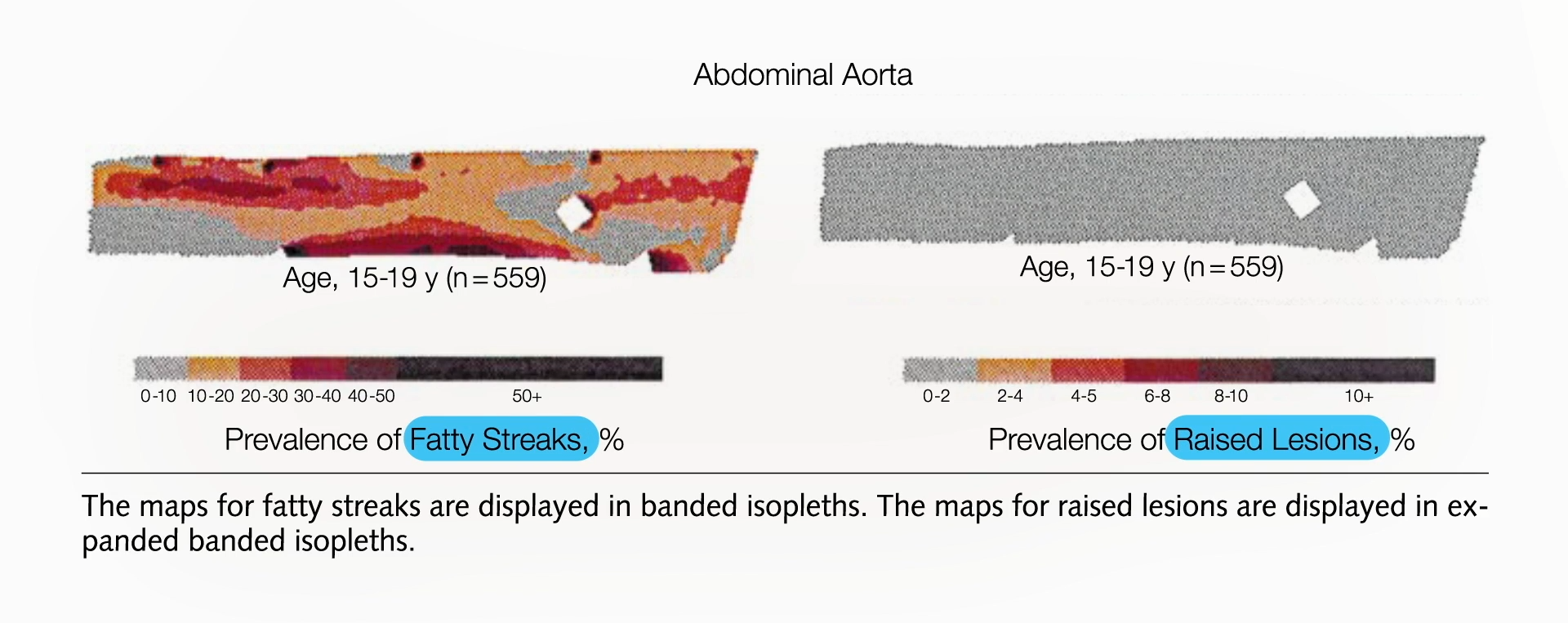
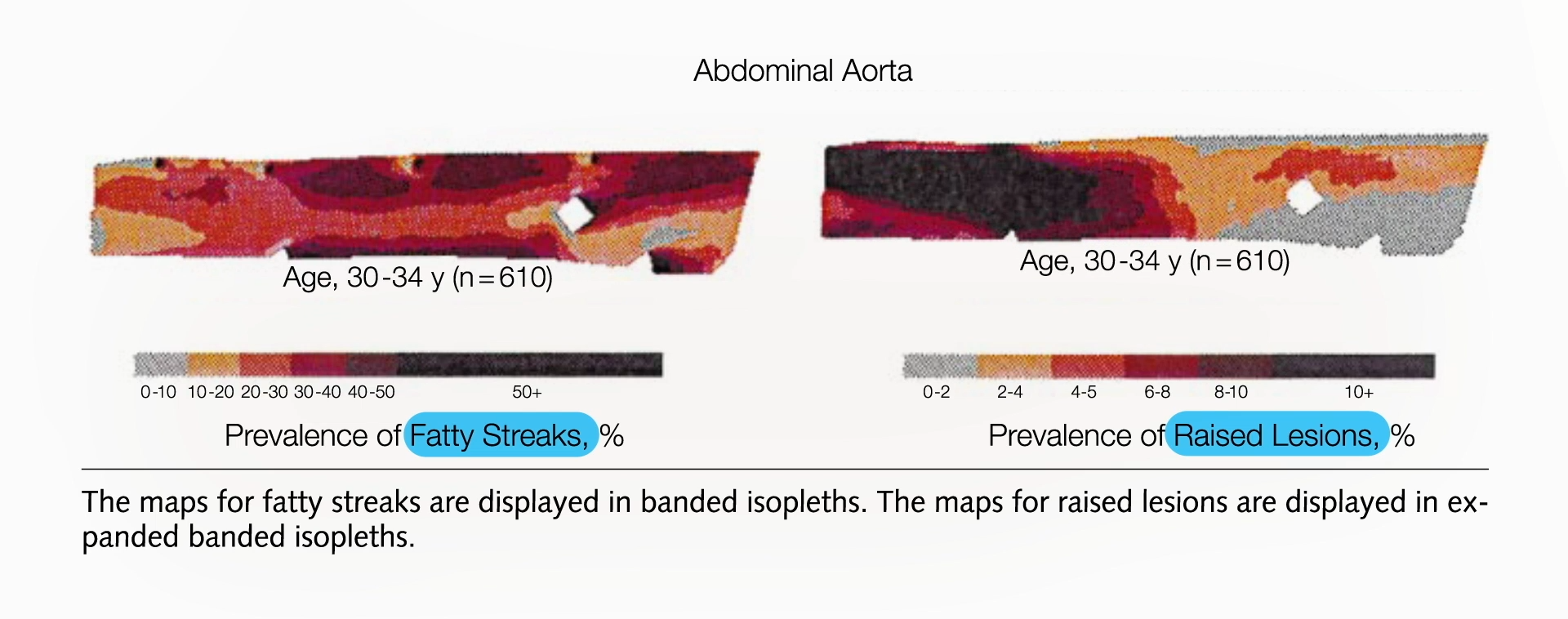
The prevalence of early arterial changes is particularly concerning. One comprehensive study found that 100% of the teenage subjects examined already exhibited fatty streaks within their arteries. This pervasive presence highlights the widespread impact of lifestyle and dietary factors on cardiovascular health from a remarkably young age. By their early thirties, the majority of individuals in these studies had progressed beyond fatty streaks, with these lesions blossoming into more advanced atherosclerotic plaques that encroached upon the arterial lumen.
The timeline of this development is critical. Between the ages of 15 and 19, fatty streaks were observed throughout the aortas of young individuals, though significant plaque formation was not yet prevalent on average. However, this pattern shifted rapidly in the subsequent decade. Plaques began to appear in the abdominal aorta in the early twenties and showed further worsening by the late twenties. By the early thirties, the arteries of these individuals were often described as being in a compromised state, with substantial plaque buildup.
The focus then shifts to the coronary arteries, the vital vessels supplying oxygenated blood to the heart muscle. Research consistently mirrored the findings in the aorta, demonstrating the same progression from fatty streaks in adolescence to early plaque development in the twenties, and widespread plaque presence by the early thirties. This consistent pattern across different arterial regions underscores the systemic nature of atherosclerosis and its deep roots in early life.
The Urgency of Early Intervention
The understanding that atherosclerosis commences in youth fundamentally challenges the traditional approach of waiting for symptomatic disease before initiating treatment. Medical experts advocate for a paradigm shift, emphasizing the need for early intervention, mirroring how other serious chronic conditions are managed. Just as a nascent cancerous tumor or the early stages of diabetes warrant immediate attention to prevent irreversible damage, the early signs of atherosclerosis should trigger proactive measures.
The primary strategy for combating atherosclerosis, as supported by extensive research, involves lowering LDL cholesterol. This is achieved through dietary modifications, specifically a diet low in saturated fat and cholesterol. Such a diet typically minimizes or eliminates the consumption of high-fat animal products like eggs, red meat, and dairy, alongside processed and "junk" foods, which are often laden with unhealthy fats and sugars.
Lifestyle as a Radical, Yet Essential, Solution
Addressing this escalating public health crisis requires a fundamental "alteration of our lifestyle accordingly, beginning in infancy or early childhood," as suggested by researchers. While this may seem like a "radical proposal" to some, the alternative—a leading cause of death—necessitates such a significant behavioral change. The success in dramatically reducing smoking rates and subsequent lung cancer incidence serves as a powerful precedent for the potential of widespread lifestyle modification.
The safety and efficacy of healthy eating patterns are well-established. The Academy of Nutrition and Dietetics, the world’s largest and oldest professional organization for nutrition professionals, affirms that even strictly plant-based diets are appropriate for all stages of life, commencing from pregnancy. This endorsement provides a robust foundation for promoting dietary changes as a cornerstone of cardiovascular health.
The "Curing Atherosclerosis" Imperative
An influential study published in the Journal of the American College of Cardiology posited that "Curing Atherosclerosis Should Be the Next Major Cardiovascular Prevention Goal." This bold statement underscores the potential for a complete reversal or halt of the disease process, a goal that may be more attainable through sustained lifestyle interventions than through conventional medical treatments alone.
The Genetic Advantage: A Clue to Lifelong Prevention
Evidence supporting the long-term benefits of sustained low LDL cholesterol levels comes from studies of individuals with a rare genetic mutation in the PCSK9 gene. Approximately 1 in 50 African Americans are born with this mutation, which naturally lowers their LDL cholesterol by about 40% throughout their lives. These individuals have demonstrated dramatically reduced rates of coronary heart disease, experiencing an 88% drop in risk compared to those without the mutation, even when other cardiovascular risk factors, such as high blood pressure, overweight, smoking, and diabetes, were present.
This remarkable finding highlights the potent protective effect of a lifelong history of low LDL cholesterol. The genetic mutation led to an average LDL level of 100 mg/dL, compared to 138 mg/dL in individuals without the mutation. This suggests that achieving and maintaining a lower LDL cholesterol level over an extended period is a key factor in preventing cardiovascular disease.
Duration: The Missing Piece in the Pharmaceutical Puzzle
The disparity in risk reduction between the genetically determined low LDL cholesterol and that achieved through statin drugs is striking. A drop in LDL cholesterol by approximately 40 mg/dL due to the PCSK9 mutation resulted in nearly a 90% reduction in coronary heart disease risk. In contrast, statin medications, which can achieve a similar reduction in LDL, typically lower risk by only about 20% to 30%.
The most plausible explanation for this significant difference lies in the duration of the LDL reduction. When it comes to mitigating the risk of coronary heart disease, the length of time LDL cholesterol remains at a low level appears to be as critical, if not more so, than the absolute degree of reduction. This emphasizes the cumulative benefits of early and sustained healthy lifestyle choices.
Lifestyle’s 90% Shield vs. Drugs’ 30% Support
This understanding brings us back to the initial premise: why do healthy lifestyle choices have the potential to eliminate approximately 90% of our risk for heart attack, while medications offer a more modest 20% to 30% reduction? The answer lies in the foundational nature of lifestyle interventions, which can initiate and maintain beneficial changes from an early age.
For individuals relying on medication later in life to manage existing coronary atherosclerosis, achieving significant risk reduction often necessitates lowering LDL cholesterol to below 70 mg/dL. However, for those who adopt healthier eating habits earlier in life, achieving an LDL level of around 100 mg/dL may be sufficient to halt disease progression. This level is generally attainable through consistent dietary adjustments and is supported by epidemiological data suggesting that countries with an average population LDL of approximately 100 mg/dL experience minimal heart disease mortality.
The Challenge of Reversing Decades of Unhealthy Habits
The scenario changes dramatically for individuals attempting to counteract a lifetime of poor dietary choices with medication. In such cases, achieving zero coronary heart disease events might require LDL levels as low as 55 mg/dL. For those who have already experienced a heart attack and are seeking to prevent a subsequent event, the ideal LDL target could be as low as 30 mg/dL. At these exceptionally low levels, not only is the formation of new atherosclerotic plaques likely prevented, but existing plaques may also stabilize, reducing their likelihood of rupturing and causing a fatal event.
Safety and the Question of "Too Low" Cholesterol
A crucial question then arises: is it safe to maintain such extremely low cholesterol levels? The potential for adverse effects from very low LDL cholesterol is a subject of ongoing scientific inquiry. While the benefits in preventing cardiovascular events are substantial, further research is necessary to fully understand the long-term implications of drastically reduced cholesterol levels. This exploration into whether LDL cholesterol can indeed be "too low" is a critical next step in optimizing cardiovascular health strategies.
Broader Implications and Future Directions
The findings presented underscore the critical importance of public health initiatives that promote healthy lifestyle choices from childhood. Education on nutrition, regular physical activity, and stress management should be integrated into early education systems and community programs. Furthermore, healthcare providers should prioritize comprehensive lifestyle counseling alongside pharmaceutical interventions, empowering patients to take an active role in their cardiovascular health.
The scientific community’s focus on "curing atherosclerosis" signals a promising future where heart disease may become a largely preventable or even reversible condition. By embracing the power of healthy habits, individuals can significantly reduce their risk of heart attack and lead longer, healthier lives, challenging the notion that cardiovascular disease is an inevitable consequence of aging or genetics. The journey towards optimal cardiovascular health begins with informed choices, made early and sustained throughout life.






