
 admin
admin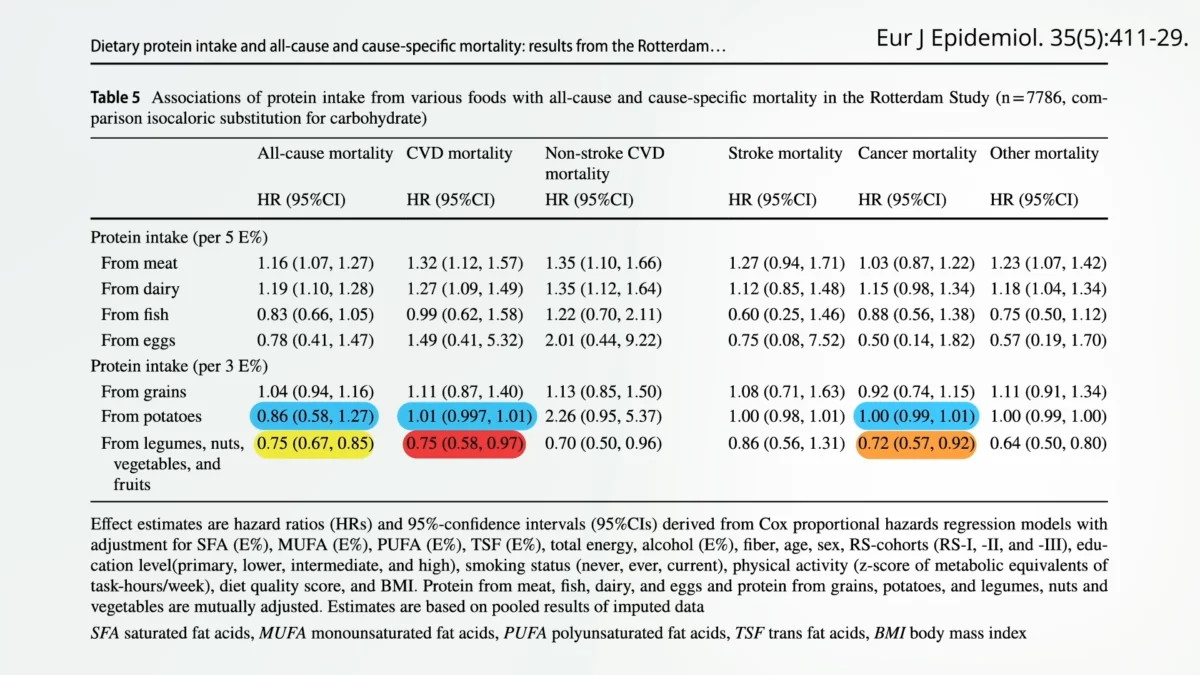
Recent nutritional research is shedding new light on the complex relationship between potato consumption and human health, revealing that the way potatoes are prepared and consumed can significantly alter their impact on our bodies. While often considered a dietary staple, scientific evidence suggests that potatoes, particularly when prepared in certain ways, may present unique challenges for metabolic health, especially concerning blood sugar regulation and the risk of chronic diseases like type 2 diabetes. However, innovative preparation methods may offer a way to mitigate some of these concerns, making the humble potato a more nuanced addition to a balanced diet.
Unpacking the Glycemic Load of Potatoes
The primary concern surrounding potato consumption stems from their glycemic index (GI), a measure of how quickly a food causes blood sugar levels to rise after eating. Foods with a high glycemic index are rapidly digested and absorbed, leading to sharp spikes in blood glucose. In contrast, low-GI foods are digested more slowly, resulting in a more gradual and sustained release of glucose into the bloodstream. Potatoes, especially when consumed in their more processed or refined forms, often fall into the high-GI category.

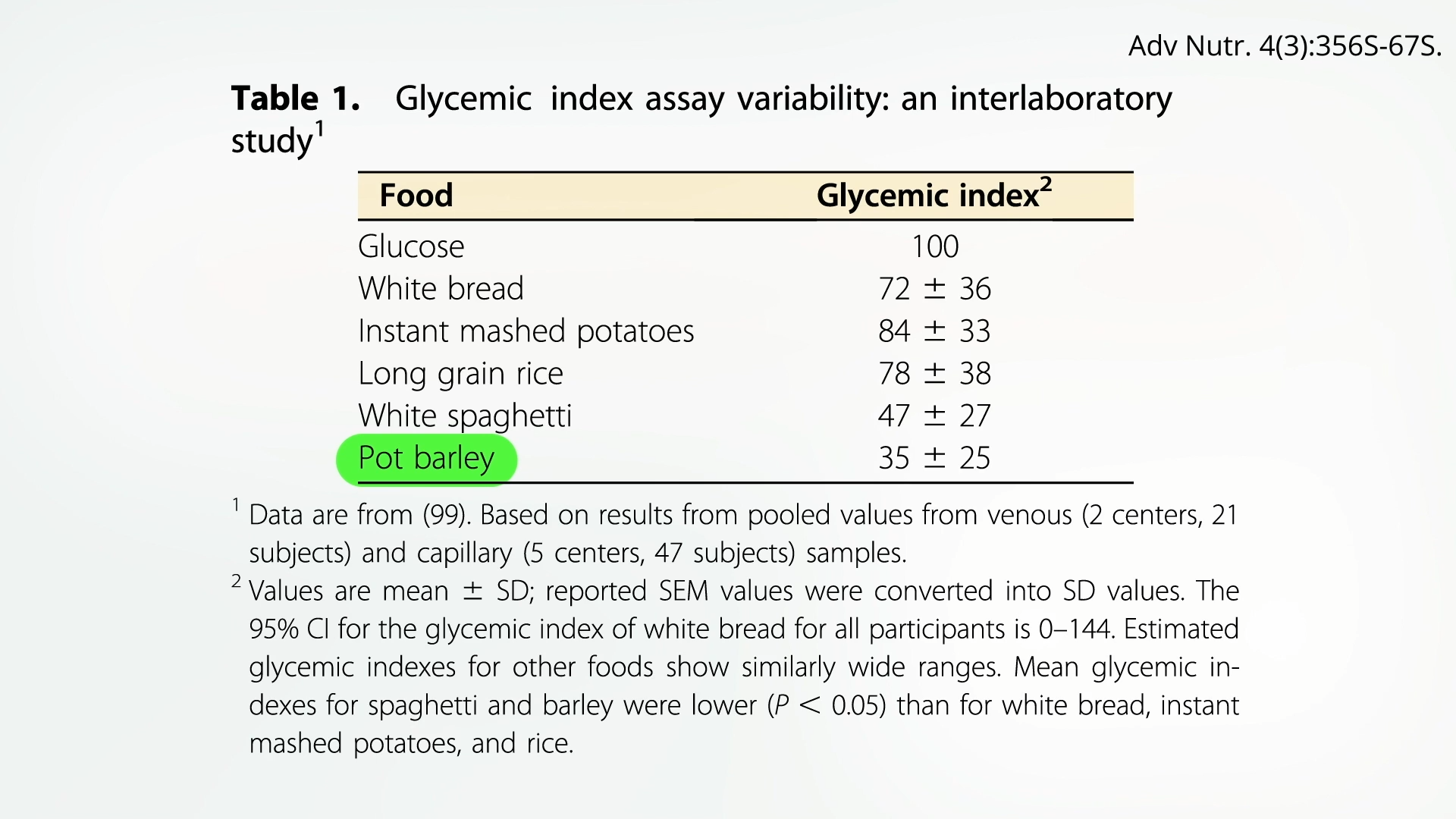
Research consistently places white bread and white potatoes among high-GI foods, with glycemic index values often comparable to pure sugar water (standardized at 100). This high glycemic impact is a significant factor in understanding their potential health implications. Studies that systematically analyze the association between potato consumption and chronic disease risk have identified a notable link with an increased risk of type 2 diabetes and hypertension, particularly when potatoes are consumed as French fries. This suggests that the preparation method, such as deep-frying, plays a crucial role in exacerbating the inherent glycemic properties of the potato.
While boiled, baked, or mashed potatoes have not shown a consistent association with high blood pressure, a persistent link with diabetes risk remains. This nuanced finding underscores the importance of considering the specific form of potato consumed. The debate over whether potatoes should be counted as vegetables in daily fruit and vegetable intake recommendations often centers on these metabolic effects, as their nutritional profile, while containing beneficial components like fiber, vitamin C, and potassium, may be counterbalanced by their high glycemic load.
The Broader Health Landscape: Potatoes vs. Other Whole Foods
When examining the impact of potatoes in the context of other whole plant foods—such as nuts, vegetables, fruits, and legumes—a stark contrast emerges. These other plant-based powerhouses are robustly associated with longevity and a reduced risk of dying from major chronic diseases, including cancer and cardiovascular diseases like heart attacks. Studies indicate a significant reduction in the risk of premature death from all causes by as much as 25% for individuals who regularly consume these nutrient-dense foods.
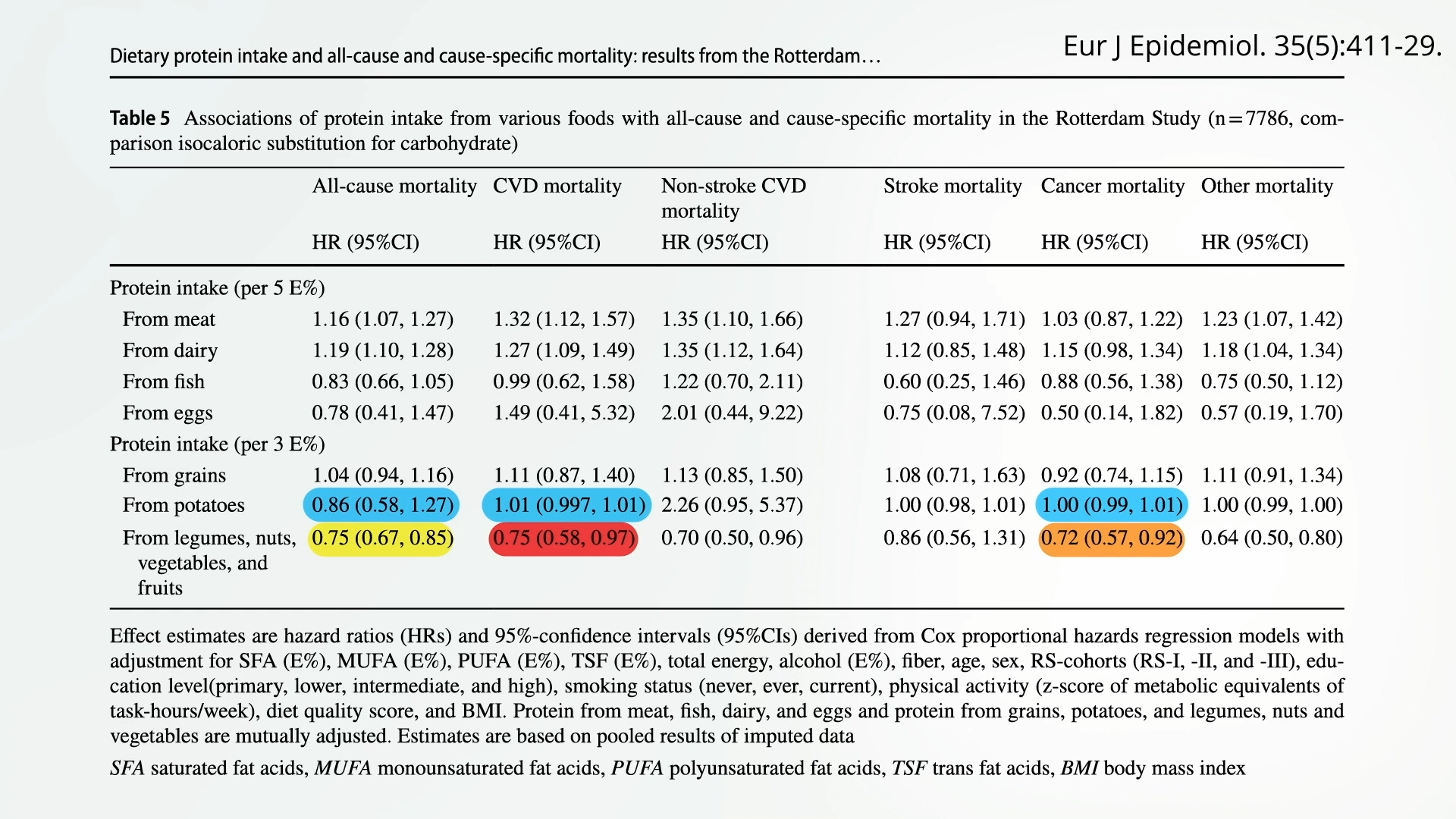
However, potatoes do not appear to offer the same protective benefits against cancer, heart disease, or overall mortality. This absence of a positive association with longevity, compared to the clear benefits of other whole plant foods, is a critical consideration. While potatoes may not actively shorten life, as some studies suggest about meat consumption, they also do not seem to contribute to increased lifespan in the way that a diet rich in fruits, vegetables, and legumes does. This represents an "opportunity cost" in dietary choices: every serving of potatoes consumed could potentially be a serving of a more health-promoting food that actively contributes to a longer, healthier life.
The "Double-Edged Sword": Balancing Nutrients and Glycemic Impact
The neutral impact of potato consumption on overall mortality risk is attributed to a complex interplay of factors. On one hand, white potatoes are a source of valuable nutrients, including dietary fiber, vitamin C, and potassium. These components are generally associated with positive health outcomes. On the other hand, their high glycemic index presents a significant challenge. High-glycemic impact diets are not only robustly associated with the development of type 2 diabetes, but current evidence suggests a cause-and-effect relationship. This means that the rapid rise in blood sugar triggered by high-GI foods can directly contribute to the onset of insulin resistance and diabetes over time.
The potato industry, through organizations like the Alliance for Potato Research and Education, has funded studies aiming to position potatoes more favorably. One such study suggested that intake of non-fried potatoes does not significantly affect blood sugar markers, especially when compared to highly refined products like Wonder Bread. However, critics argue that such comparisons are not particularly illuminating, as Wonder Bread itself is a high-GI food with limited nutritional value. When potatoes are compared to intact whole grains, such as barley groats, which are characterized by a super-low glycemic index, the disparity becomes even more evident. This comparison highlights how refined grains and potatoes, despite their nutritional contributions, do not offer the same metabolic advantages as minimally processed whole grains.
Modifying the Glycemic Response: The Power of Cooling and Reheating
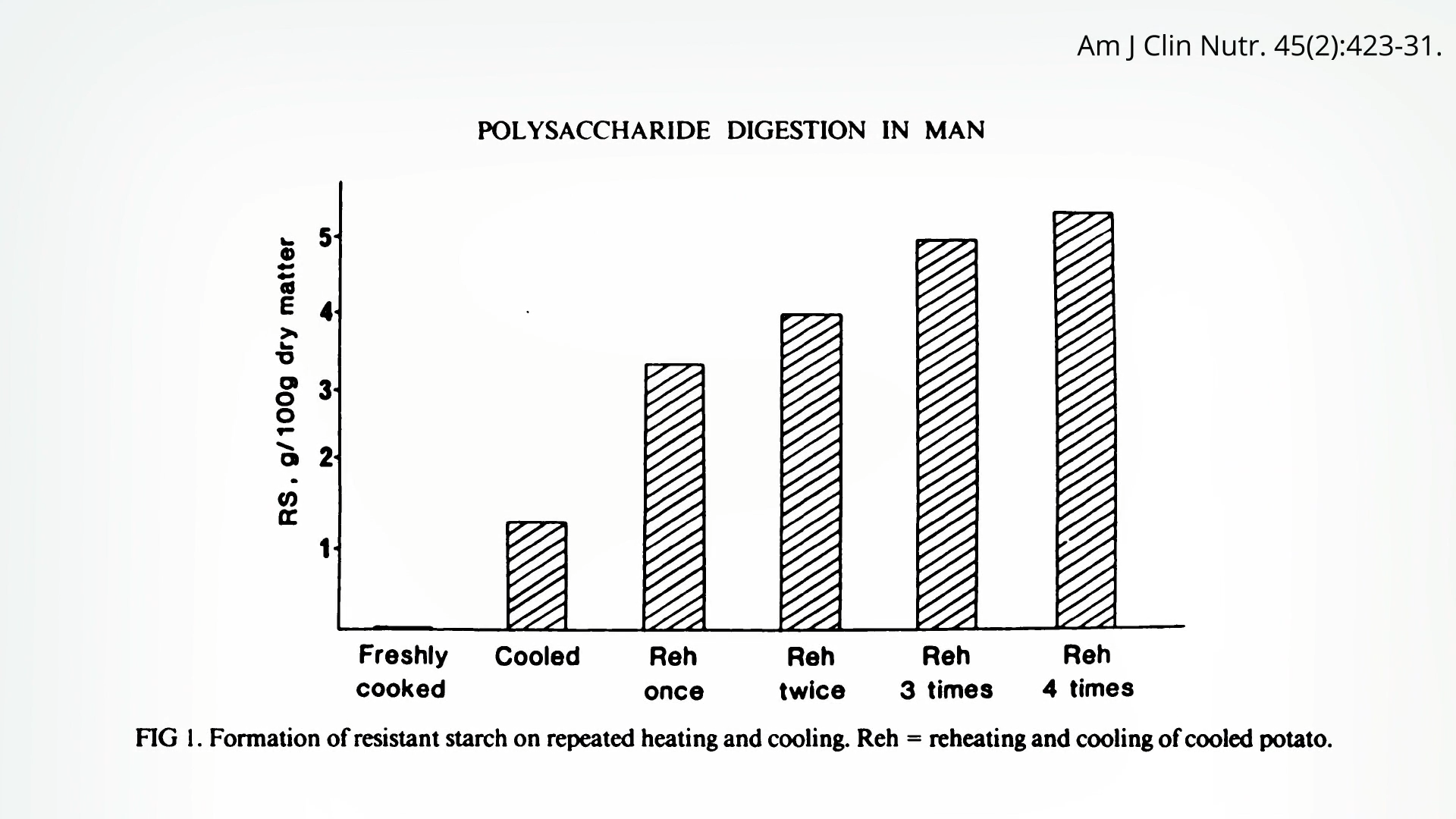
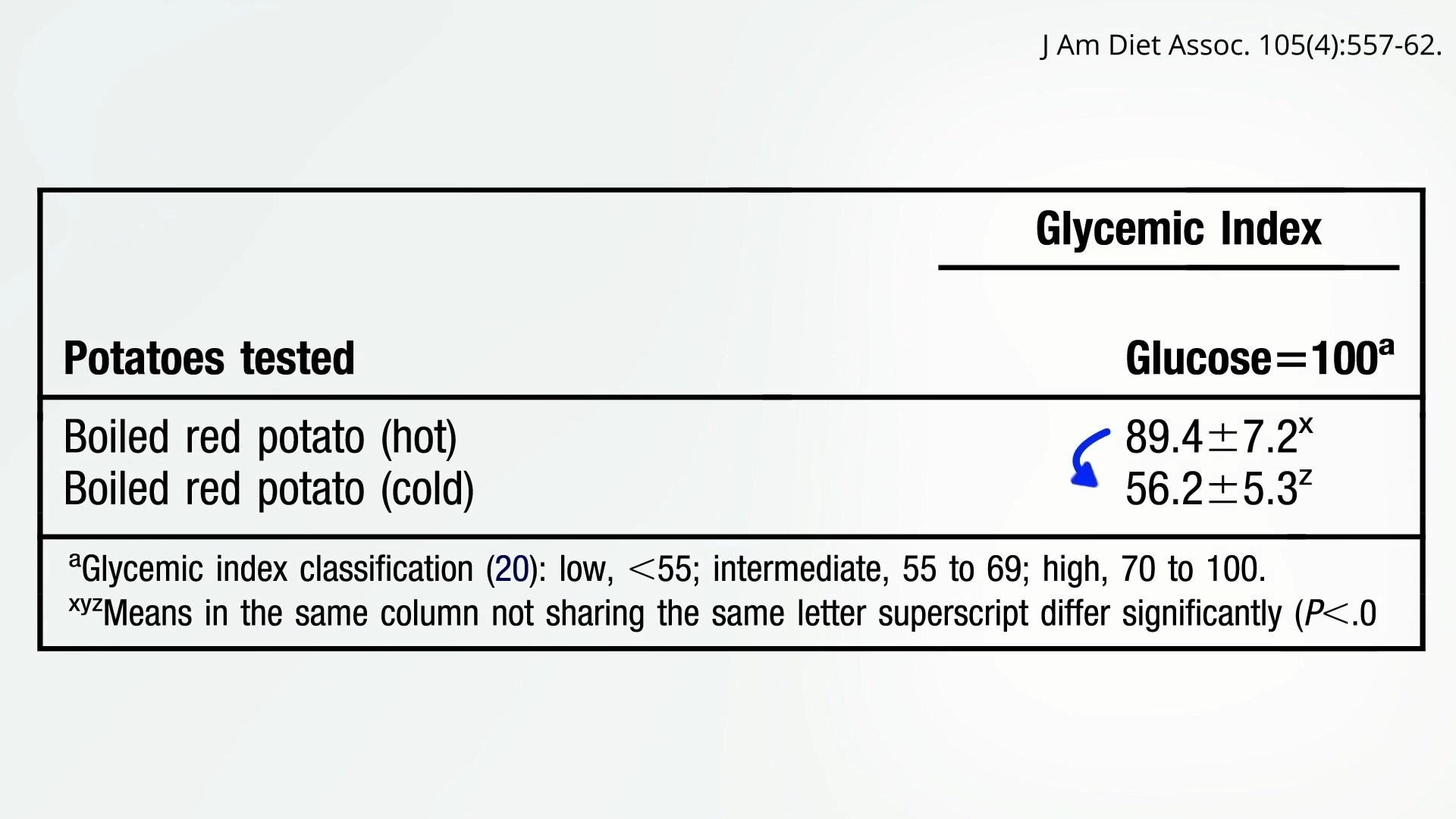
The question arises: can the glycemic impact of potatoes be modified to make them a healthier choice? Emerging research suggests that preparation methods can indeed play a crucial role. A key finding indicates that boiling potatoes and then refrigerating them for a period can significantly alter their starch structure. During the cooling process, some of the starch crystallizes into a form known as resistant starch. This resistant starch is not easily broken down by the digestive enzymes in the human gut, meaning it passes through the digestive system largely undigested.
This resistance to digestion has a beneficial effect on blood sugar levels. As a result, consuming chilled potatoes, such as in potato salad, can lead to a nearly 40% lower glycemic impact compared to their hot counterparts. The chilling process effectively slows down the rate at which starch is broken down and absorbed into the bloodstream, thereby reducing the sharp spikes in blood glucose.
While the formation of resistant starch is a promising development, the absolute amounts formed in chilled potatoes are considered relatively small. Therefore, recommending cold potatoes solely as a source of resistant starch might be insufficient. However, empirical studies demonstrate a dramatic drop in the glycemic index of cold potatoes compared to hot potatoes, underscoring the tangible benefits of this preparation method.
Satiety and Preparation: Finding the Best of Both Worlds
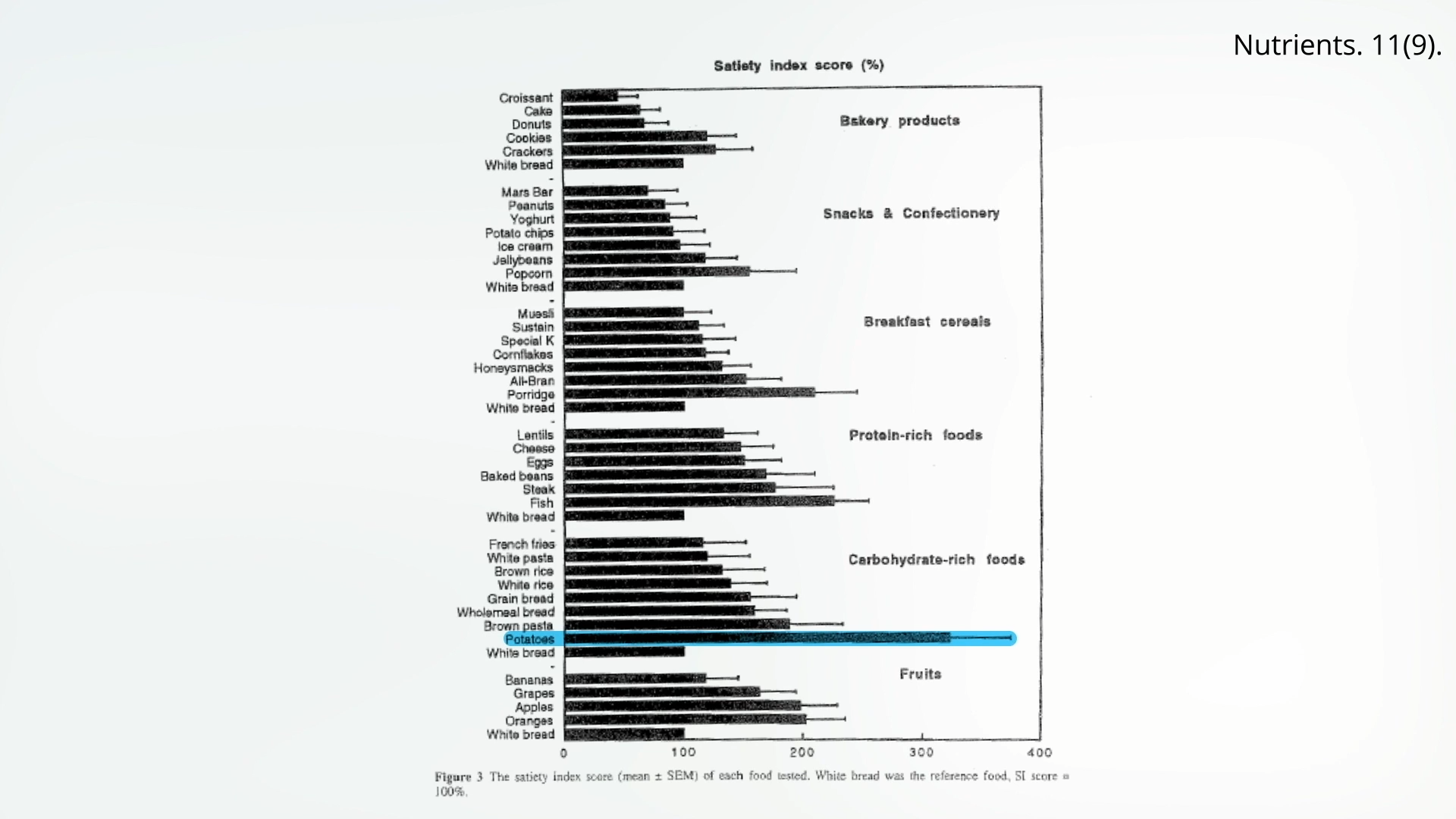
Beyond the glycemic impact, the concept of satiety—the feeling of fullness after eating—is also influenced by potato preparation. Research indicates that potatoes possess an appetite-suppressing protein called potato protease inhibitor II. However, its effectiveness is significantly influenced by how the potatoes are prepared.
Studies have shown that both boiled and mashed potatoes are considerably more satiating than French fries. This suggests that the deep-frying process, which adds fat and alters the potato’s structure, diminishes its satiating properties. Even baked French fries, while potentially a healthier alternative to their fried counterparts, were found to be less satiating compared to other forms of potatoes and even white rice or pasta.
Interestingly, the combination of cooling and then reheating potatoes appears to offer the best of both worlds. In a notable study profiled in the book How Not to Diet, boiled-then-cooled-then-reheated potatoes emerged as the single most satiating food among dozens tested. This suggests that this multi-step preparation method not only lowers the glycemic impact but also enhances the food’s ability to promote fullness, which can be beneficial for weight management.
Doctor’s Recommendations: Navigating Potato Consumption
From a medical perspective, the key takeaway regarding potato consumption is the significant impact of preparation. While reheating is not strictly necessary, the crucial step for lowering the glycemic index is chilling. Therefore, enjoying cold potato salads is a viable option for those seeking to manage their blood sugar levels.
For individuals focused on weight control, avoiding even baked fries is advisable due to their lower satiety levels. The overarching advice is to embrace preparation methods that enhance satiety and mitigate the glycemic load.
This exploration into potatoes is part of a larger series investigating the health implications of various foods. Previous discussions have delved into the specific risks potatoes may pose for diabetes, high blood pressure, and mortality. Future installments are slated to explore further methods for reducing the glycemic impact of potatoes and identifying the healthiest types of potatoes available.
Beyond chilling, other strategies can help blunt the glycemic impact of potatoes. Incorporating ingredients like vinegar, lemon juice, or even adding broccoli to potato dishes can further modify their effect on blood sugar levels. These complementary approaches offer a holistic strategy for enjoying potatoes as part of a health-conscious diet.
In conclusion, while potatoes are a versatile and widely consumed food, their health impact is far from uniform. Understanding the science behind their glycemic index, the role of preparation methods like chilling and reheating, and their comparative nutritional value against other whole plant foods is essential for making informed dietary choices. By adopting smarter preparation techniques, consumers can potentially harness some of the benefits of potatoes while minimizing their associated health risks, transforming this staple from a potential metabolic challenge into a more health-supportive component of a balanced diet.






